
5-Minute Vegan Peanut Sauce Recipe: Creamy, Easy, and Versatile for Every Dish
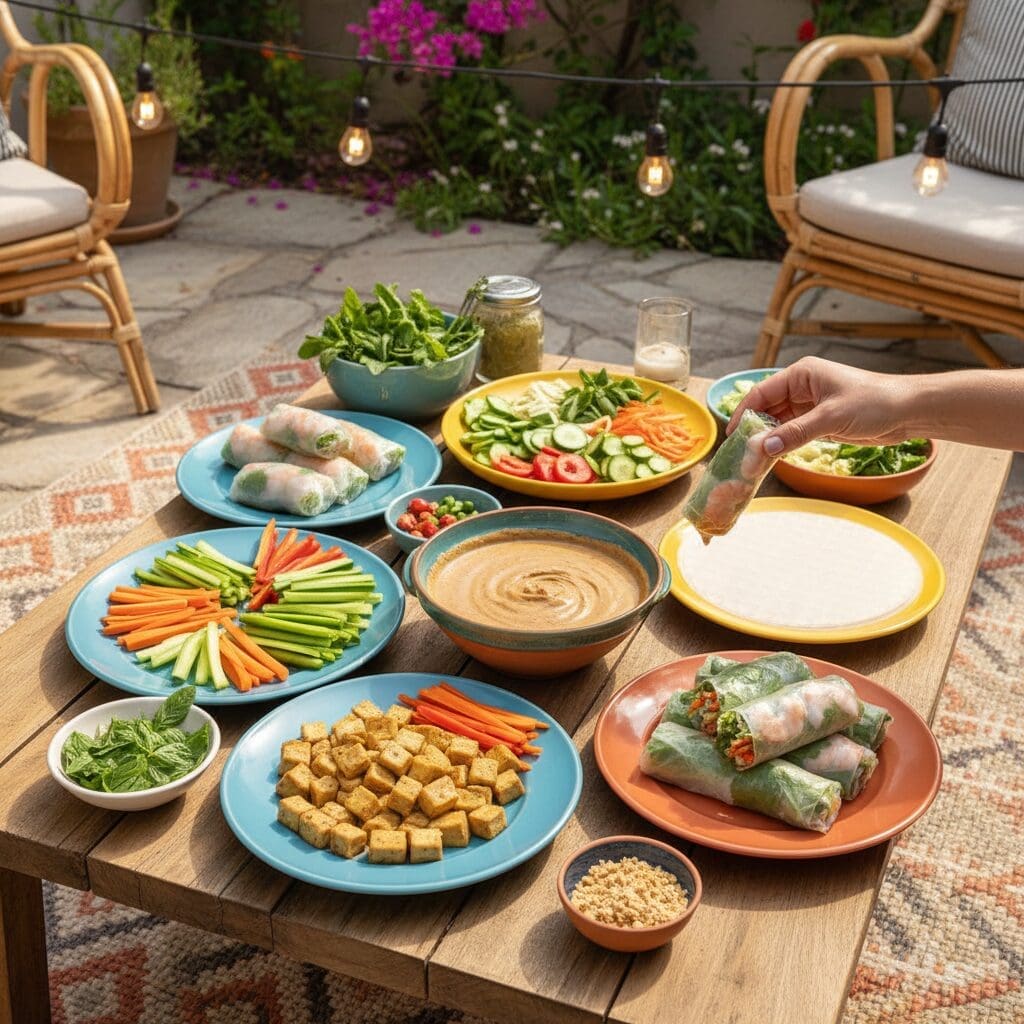
If you’ve ever craved a sauce that brings bold, nutty flavors to your meals without any fuss, this vegan peanut sauce is your answer. Ready in just 5 minutes with everyday pantry staples, it delivers a perfect balance of tangy, sweet, salty, and spicy notes that make every bite more exciting.
As a vegan recipe developer with years of experience creating plant-based favorites, I’ve perfected this no-blender version to be creamy and versatile. Whether you’re dipping fresh spring rolls at a party or dressing a colorful Buddha bowl for lunch, this sauce will become your go-to. Plus, it’s naturally gluten-free adaptable and packed with heart-healthy fats from peanuts, a benefit supported by the American Heart Association. Let’s dive into why this recipe works and how to make it your own.
Why This Peanut Sauce Recipe Stands Out
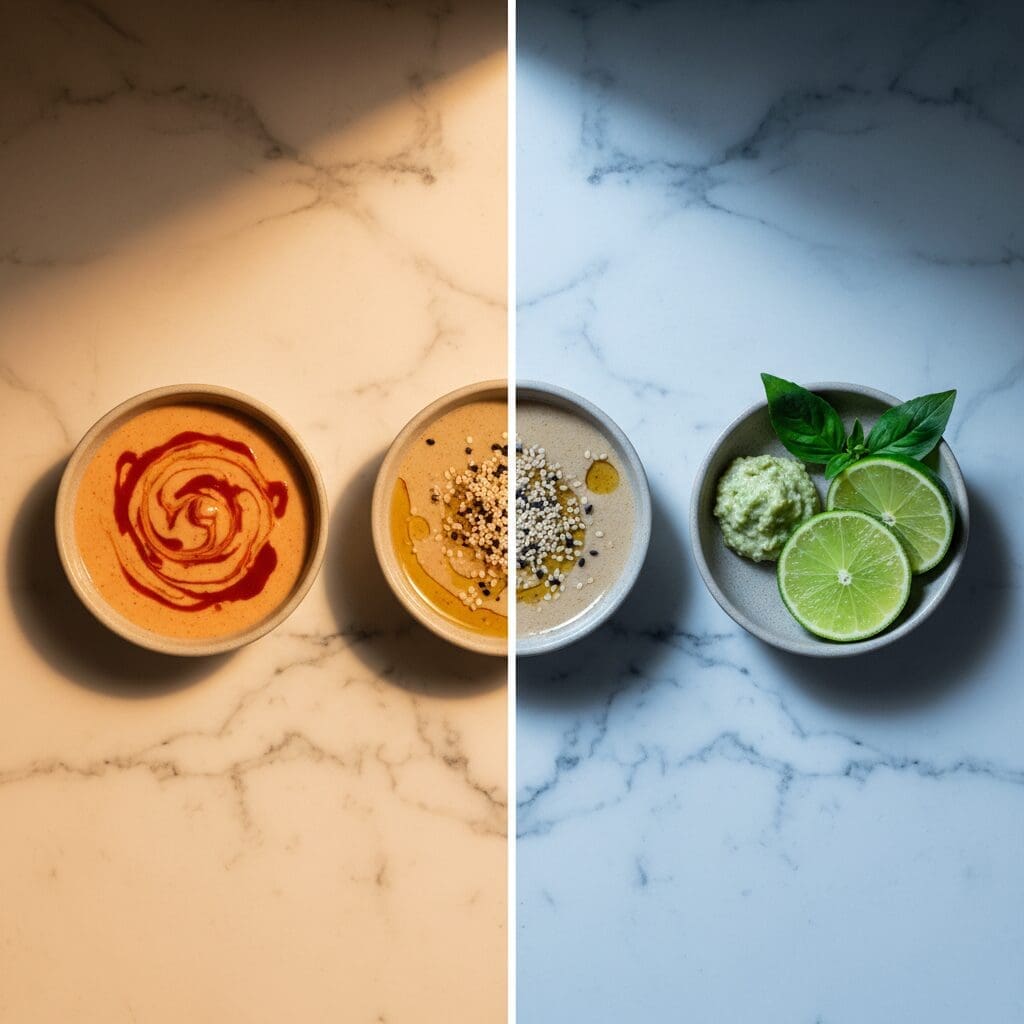
What makes this peanut sauce exceptional isn’t just its simplicity—it’s the thoughtful balance of flavors that enhances any dish without overpowering it. Peanuts provide a creamy base rich in protein and healthy monounsaturated fats, which studies from the Journal of Nutrition show can support satiety and heart health.
The rice vinegar adds a bright tang to cut through richness, while soy sauce brings umami depth. Maple syrup tempers the heat from sriracha, creating harmony that research on flavor pairing in culinary science highlights as key to memorable tastes (Flavour Journal, 2014).
Unlike store-bought versions loaded with preservatives, this homemade one lets you control the spice and sweetness, making it ideal for beginners. It’s also endlessly adaptable for dietary needs, proving that quick recipes can be nutritious and delicious.
Ingredients for the Best Vegan Peanut Sauce
Gathering the right ingredients is key to nailing this sauce’s signature creaminess and flavor. Here’s what you’ll need for about 8 servings:
- 3/4 cup creamy peanut butter: Opt for natural or no-stir varieties; almond or cashew butter works as a substitute for a milder taste.
- 1/4 cup seasoned rice vinegar: Provides essential tang; lime juice is a fresh alternative if vinegar is unavailable.
- 1/4 cup low-sodium soy sauce: Delivers savory umami; use tamari for gluten-free.
- 1/3 cup pure maple syrup: Adds natural sweetness; agave or brown sugar can sub in.
- 1/4 teaspoon ground ginger: Fresh grated is even better for zing.
- 1-2 teaspoons sriracha: For that subtle kick; omit for mild.
- 2-6 tablespoons unsweetened coconut milk or water: Adjust for desired thickness.
These components ensure a balanced profile, with peanuts offering 7g of protein per serving, aligning with dietary guidelines from the USDA for plant-based protein sources. Pro tip: Use full-fat coconut milk for extra creaminess without dairy.
Step-by-Step: How to Make Peanut Sauce in 5 Minutes
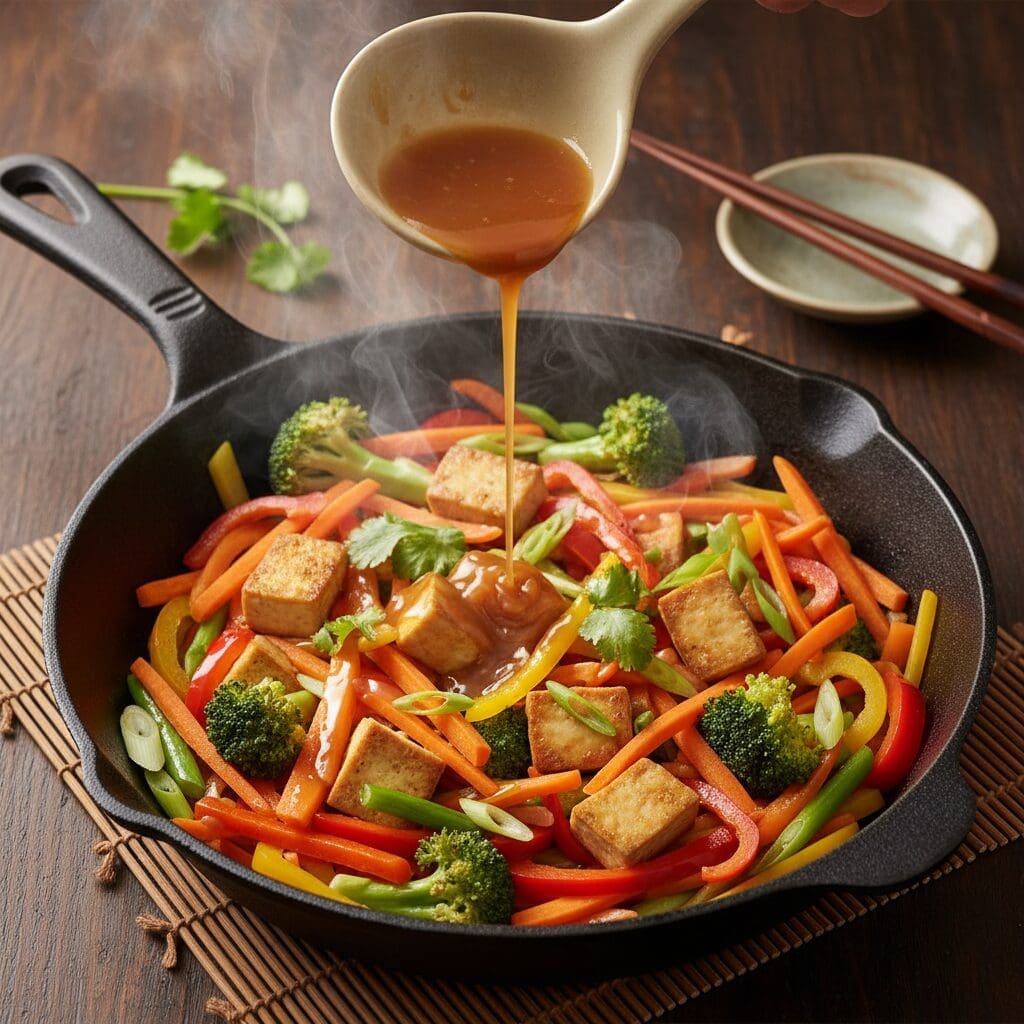
Making this sauce is as straightforward as it gets—no fancy tools required. Follow these simple steps:
- In a medium bowl, combine the peanut butter, rice vinegar, soy sauce, maple syrup, ground ginger, and sriracha.
- Start whisking vigorously. Add 2 tablespoons of coconut milk or water and continue whisking until smooth.
- Gradually add more liquid, one tablespoon at a time, until you reach your preferred consistency—thicker for dipping, thinner for drizzling.
- Taste and adjust: More sriracha for heat, syrup for sweetness, or soy for saltiness.
That’s it! Your sauce is ready to enjoy. Whisking by hand incorporates air for a lighter texture, but an immersion blender can speed things up if needed. This method preserves the fresh flavors, avoiding the oxidation that can occur in blenders.
Expert Tips for the Perfect Peanut Sauce
To elevate your sauce from good to unforgettable, consider these insider tips drawn from years of recipe testing:
- Room temperature ingredients blend more easily: Let your peanut butter sit out for 10 minutes if it’s cold.
- For enhanced nuttiness: Use freshly ground peanut butter or toast peanuts lightly before processing (if making your own).
- Balance is everything: If it tastes off, add acid (vinegar) to brighten or fat (coconut milk) to mellow.
- Experiment with infusions: Steep fresh garlic or lemongrass in the warm sauce for an authentic Thai twist.
As a dietitian, I recommend portioning it mindfully—2 tablespoons per serving keeps it a healthy addition.
Creative Ways to Serve and Use Peanut Sauce
This sauce shines in versatility—use it as a dip or dressing to transform ordinary meals.
As a dipping sauce: Serve in a bowl topped with crushed peanuts alongside crisp veggies like carrots and bell peppers, fresh spring rolls, or grilled tofu skewers. It’s a hit at gatherings, providing a fun, interactive element.
As a dressing: Thin it slightly and drizzle over rice noodle salads, quinoa Buddha bowls with avocado and edamame, or stir-fried veggies with easy BBQ tempeh. Try it on lettuce wraps for a low-carb option.
Pairing ideas: Combine with Thai-inspired dishes like pad Thai or satay, or even fusion bowls with quinoa and roasted sweet potatoes.
Delicious Variations to Customize Your Sauce
Tailor this base recipe to your preferences or pantry:
- Spicy version: Double the sriracha or add chili flakes for heat lovers.
- Lower sugar: Reduce maple syrup to 1/4 cup and rely on natural peanut sweetness.
- Nut-free: Swap peanut butter for sunflower seed butter, maintaining creaminess while accommodating allergies—great for school lunches.
- Thai-style: Incorporate a fish sauce alternative like coconut aminos and fresh lime for authenticity.
- Creamy upgrade: Blend in a tablespoon of tahini for sesame depth.
These options keep it vegan and flexible, supporting diverse diets, according to guidelines from the Academy of Nutrition and Dietetics.
Troubleshooting Common Peanut Sauce Problems
Even easy recipes can hit snags—here’s how to fix them:
- Too thick? Whisk in more coconut milk or water, one teaspoon at a time, until pourable.
- Too thin? Add a bit more peanut butter; it thickens as it sits.
- Too salty? Dilute with extra maple syrup or a splash of water to balance.
- Separating? Emulsify with a quick blend or vigorous whisk—oils in natural peanut butter can separate if not mixed well.
- Not flavorful enough? Fresh ginger over ground amps up the zing; taste as you go.
Addressing these proactively ensures success, drawing from common feedback in recipe communities like Allrecipes forums.
How to Store and Freeze Peanut Sauce
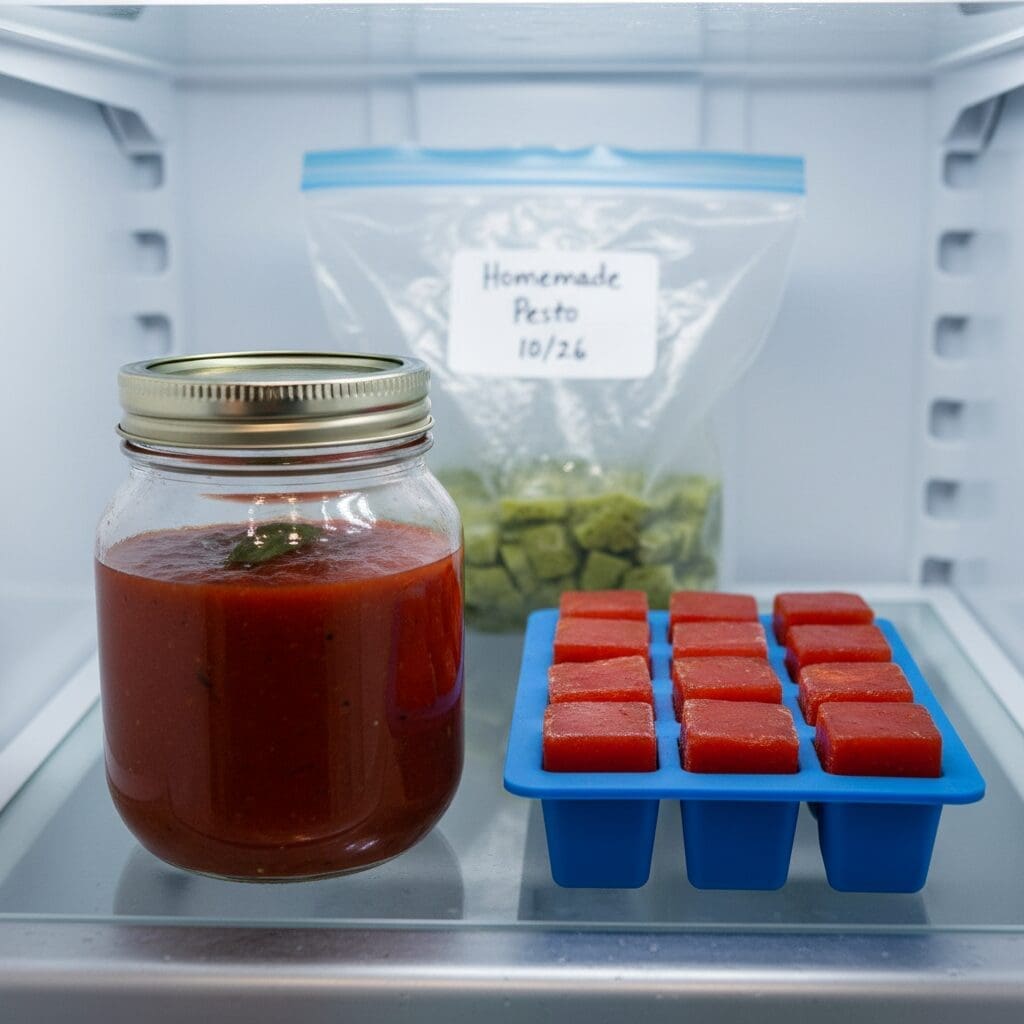
This sauce keeps well, making meal prep a breeze. Refrigerate in an airtight container for up to 1 week; it may firm up, so stir in water to loosen before use.
For longer storage, freeze in ice cube trays for portioned servings—thaw in the fridge or microwave briefly. It lasts up to 3 months in the freezer.
Avoid repeated thawing to preserve texture.
Frequently Asked Questions
Can I make this peanut sauce without peanut butter?
Yes! Almond, cashew, or sunflower seed butter works beautifully, though flavors vary slightly.
Is this recipe gluten-free?
Use tamari instead of soy sauce, and it’s naturally gluten-free.
How spicy is it?
Mild with 1 tsp sriracha; adjust to taste.
Can I use it in cooking?
Absolutely—stir into curries or marinades for infused flavor.
What’s the nutritional benefit?
Per serving, this sauce has 193 calories, 7g of protein, and healthy fats. Plus, peanuts may aid in blood sugar control, according to Harvard Health.
Conclusion
This 5-minute vegan peanut sauce is more than a recipe—it’s a versatile staple that simplifies flavorful, plant-based eating. With its ease, customizability, and nutritional perks, it’ll quickly earn a spot in your routine.
Whip up a batch today and discover how it transforms your meals. For more easy vegan inspiration, check out our best vegan egg salad or other quick lunch ideas.