
Easy Vegan Drunken Noodles (Pad Kee Mao) in 30 Minutes
If you’ve ever chased the bold, addictive flavors of restaurant-style Pad Kee Mao, you know the magic is in the mix: fiery chilies, savory sauce, fragrant holy basil, and those wonderfully wide, chewy rice noodles. But what if you could capture that same lightning in a bottle, right in your own kitchen, in under 30 minutes?
And what if it could be 100% vegan without sacrificing an ounce of flavor? That’s exactly what this Vegan Drunken Noodles recipe delivers.
It’s a weeknight-friendly powerhouse of a dish that hits every note—spicy, savory, slightly sweet, and packed with fresh, crisp vegetables. Forget disappointing takeout; this is the real deal.
Why This Will Be Your New Favorite Noodle Dish
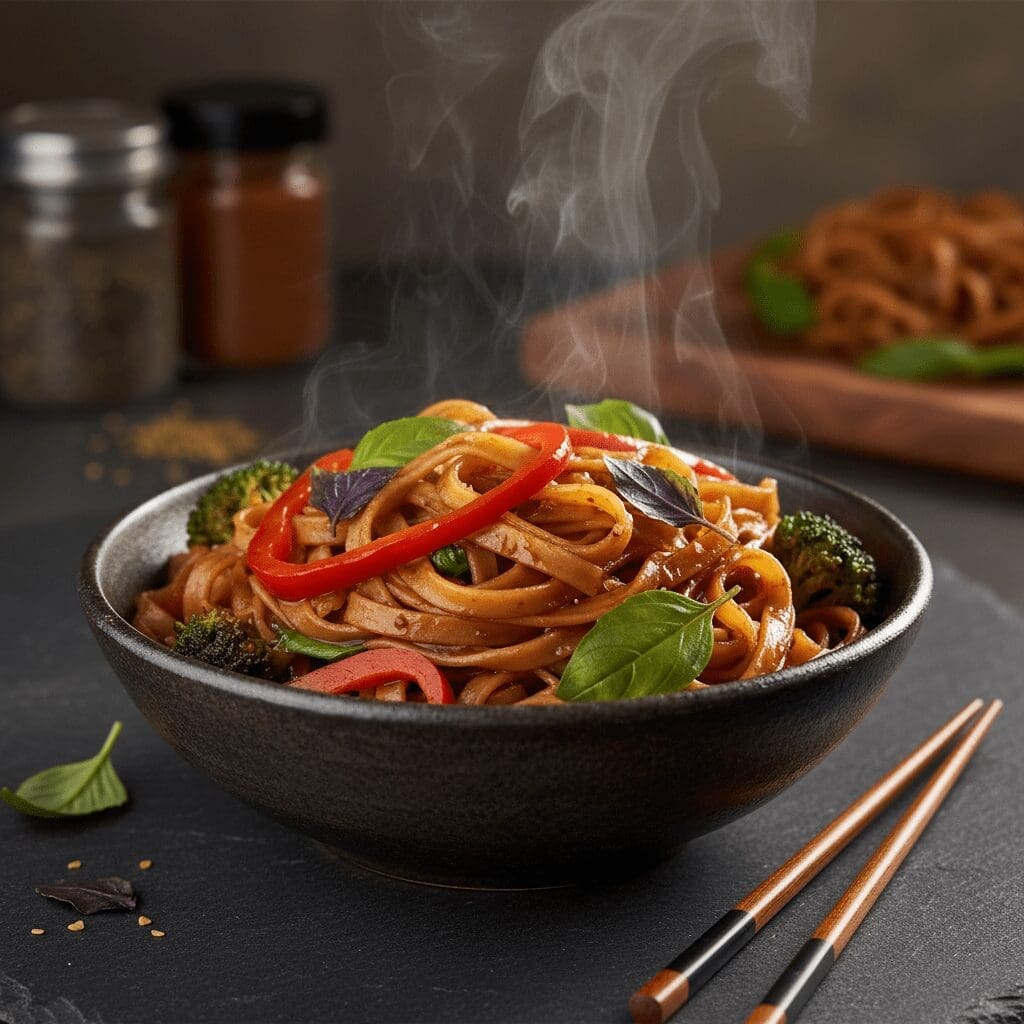
This isn’t just another noodle recipe; it’s your new go-to for a fast, flavorful, and incredibly satisfying meal. Here’s why it stands out:
- Perfectly Chewy Noodles: Say goodbye to clumps and mush.
- Completely Customizable: Use this recipe as a template.
So What’s the Story Behind “Drunken Noodles”?
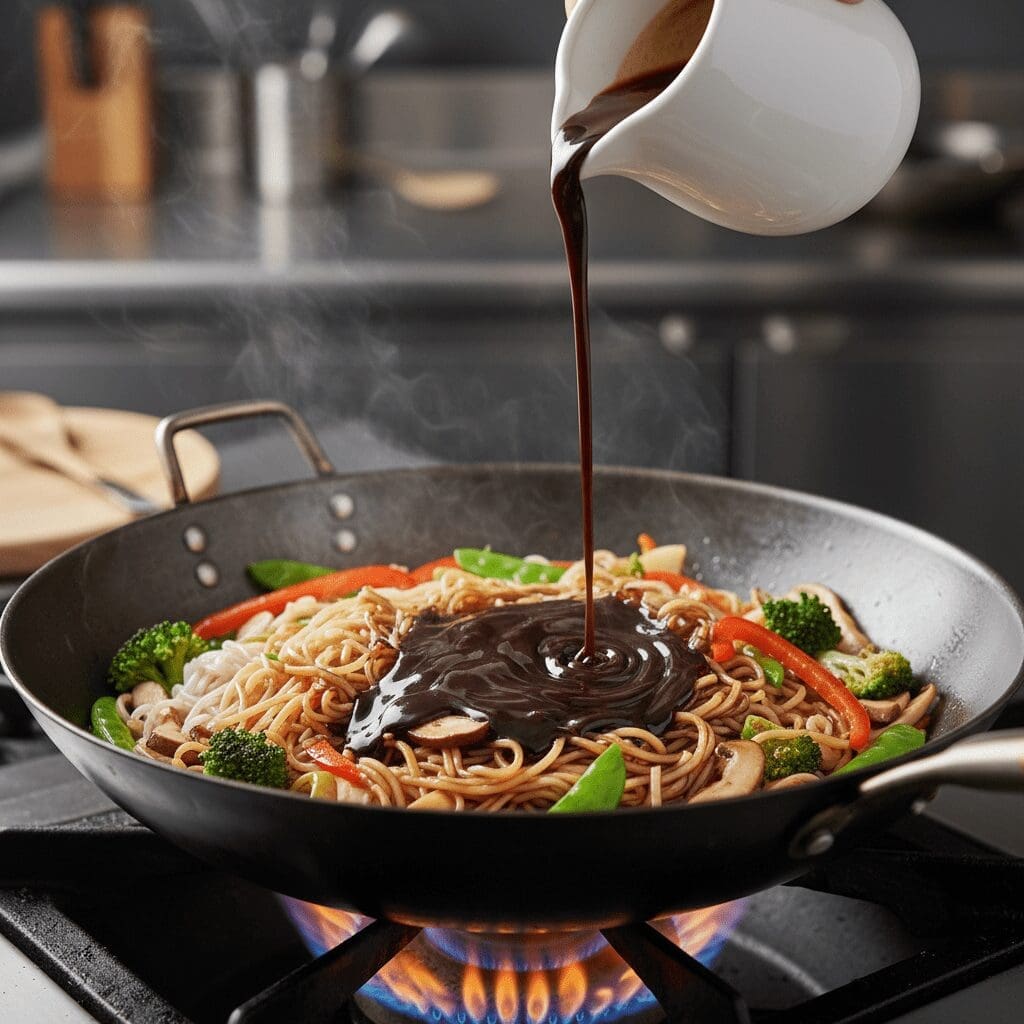
Pad Kee Mao, often translated as “Drunken Noodles,” is a staple of Thai street food with a mysterious name. Despite its title, the dish contains no alcohol.
The origin of the name is debated, with a few popular theories. One story suggests it was invented by someone who came home drunk and threw together whatever ingredients they had on hand.
Another theory, as noted in histories of the dish like those on ThaiTable.com, posits that the dish is so intensely spicy that you need an ice-cold beer to cool your palate while eating it. A third suggests it’s the perfect, carb-heavy meal to cure a hangover.
Regardless of its true origin in the Central Plains of Thailand, its defining characteristics are clear: wide rice noodles, a savory and spicy sauce, and a generous amount of holy basil or Thai basil.
The Three Essential Ingredients You Can’t Skip
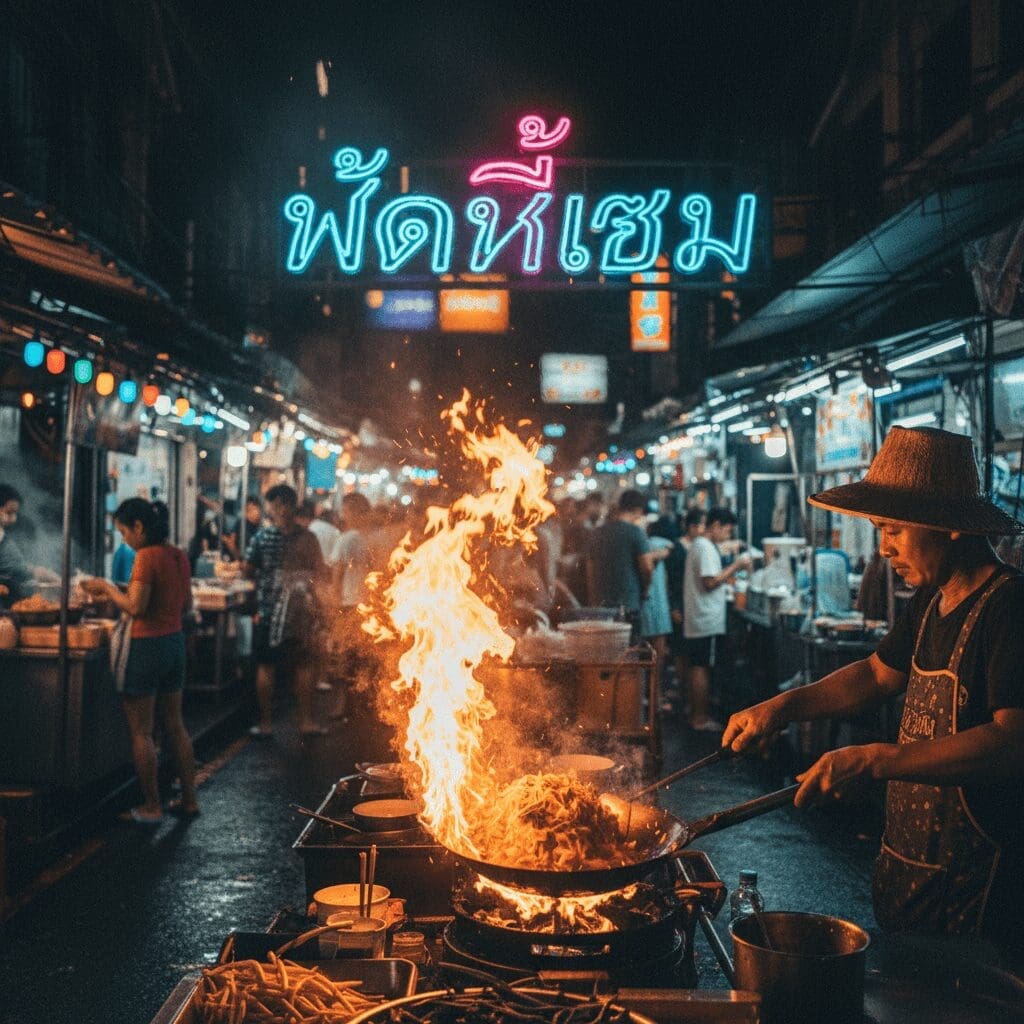
The magic of this dish lies in its harmony of textures and flavors, which all starts with the right ingredients. Don’t be tempted to substitute these—they are essential for an authentic taste.
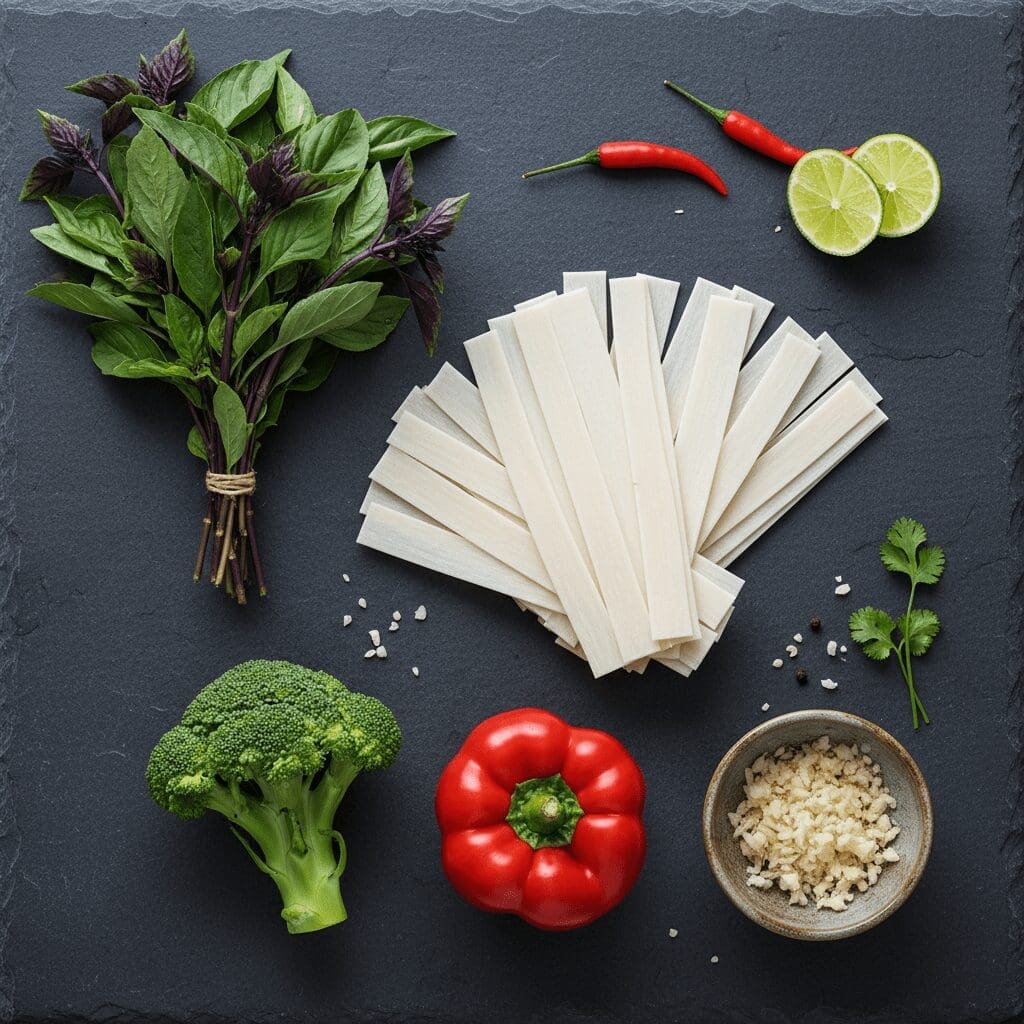
- Wide Rice Noodles: Look for “Pad Thai” or “Stir-Fry” rice noodles that are wide and flat (about 1/4 or 3/8-inch wide). Their broad, sturdy shape is perfect for soaking up the sauce without breaking apart in the wok.
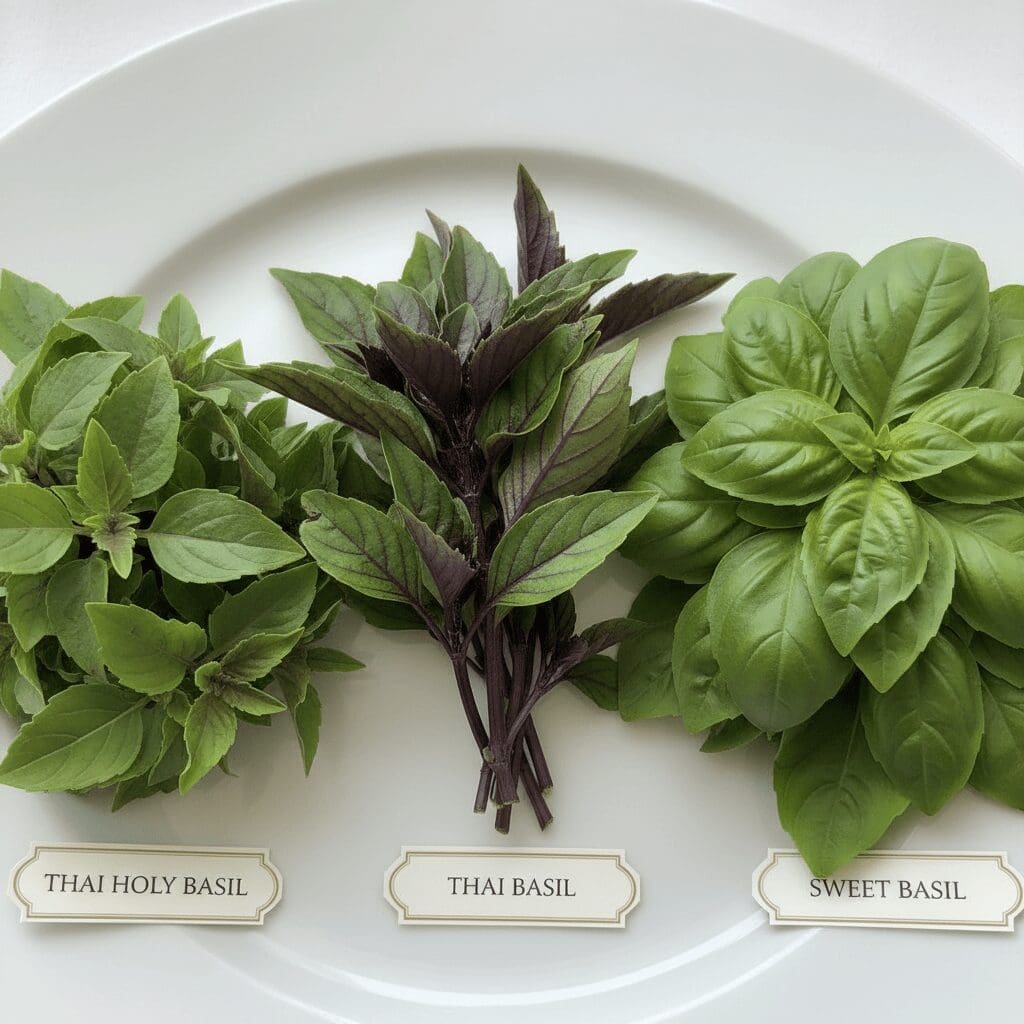
- Thai Basil: This is not the same as Italian sweet basil. Thai basil has a distinct anise or licorice-like flavor that is central to this dish. If you can find Thai holy basil (which is more peppery and clove-like), even better, a distinction explained by culinary experts at Serious Eats!
- A Powerful Umami Sauce: The backbone of the dish. Our sauce uses a blend of low-sodium soy sauce (or tamari), rice vinegar for tang, a sweetener like brown sugar, and a kick from Sriracha.
Unlocking Umami: The Secret to a Rich Vegan Sauce
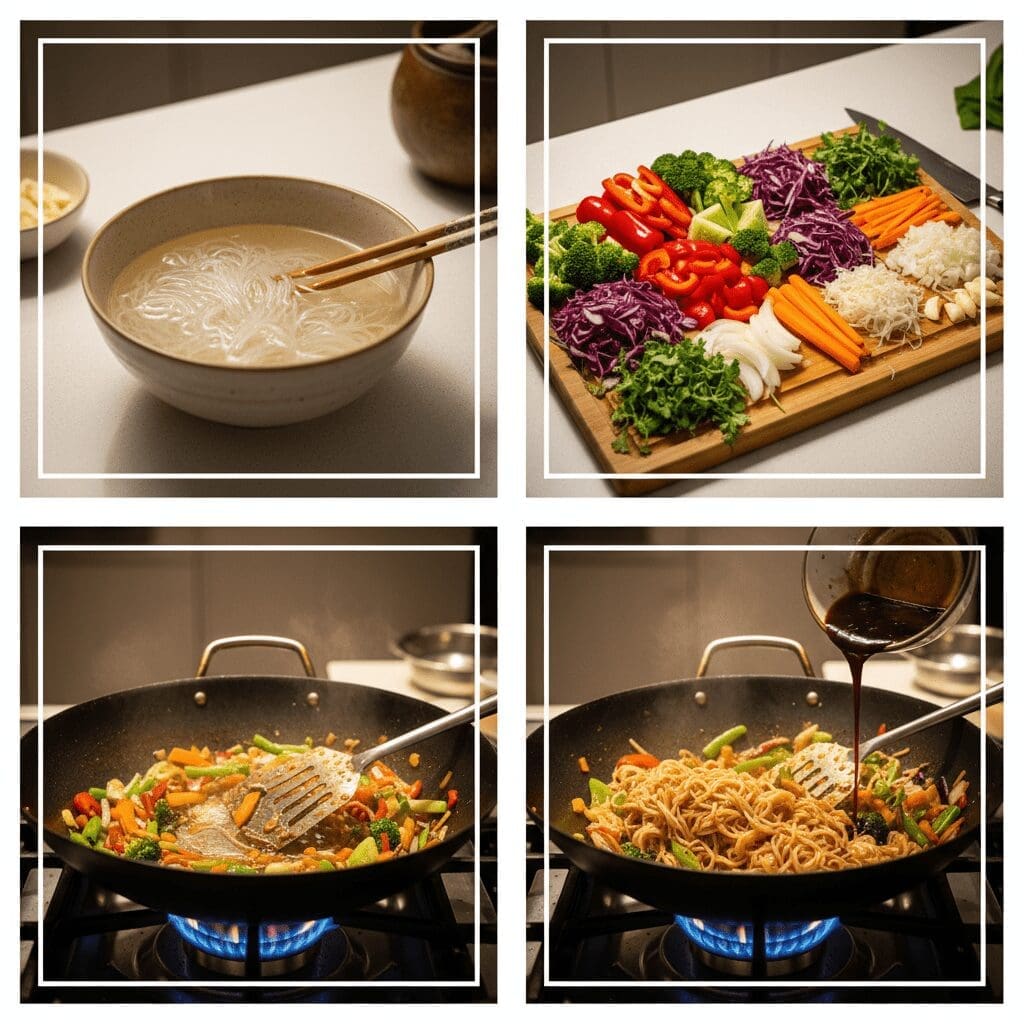
Traditional oyster sauce gets its savory, umami depth from oyster extracts. To replicate this in a vegan dish, we need a substitute that provides a similar salty, slightly sweet, and deeply savory flavor profile.
Simply omitting it, as some recipes suggest, leaves a noticeable gap in flavor.
Your best option is a store-bought vegan “oyster” sauce. These are typically made from mushrooms (often oyster mushrooms) and are designed to be a direct 1:1 replacement. Brands like Lee Kum Kee offer a “Vegetarian Stir-Fry Sauce” that works perfectly.
This combination mimics the salty, sweet, and viscous properties of the original, ensuring your sauce has that signature cling and rich flavor.
How to Make Vegan Drunken Noodles Step by Step
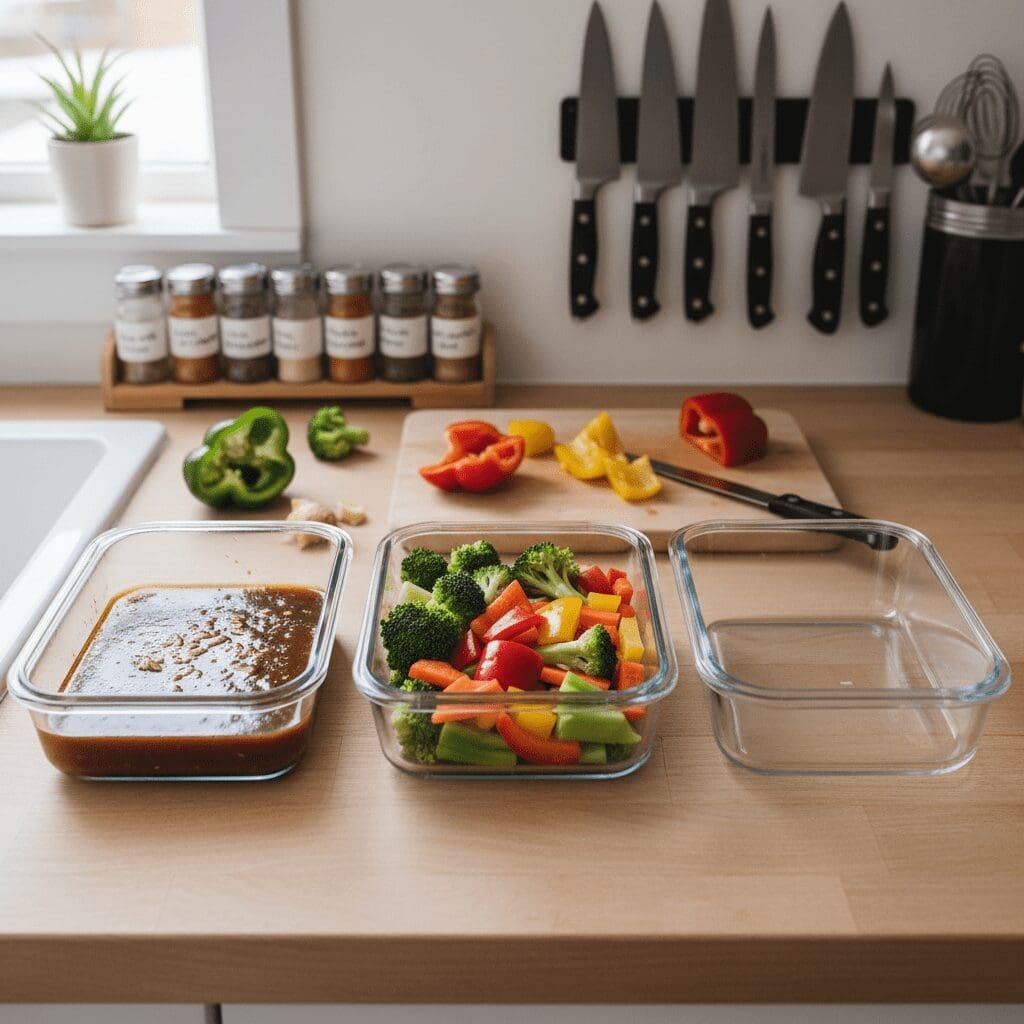
Success with stir-frying is all about preparation and speed. Follow these steps for flawless results.
Step 1: Prepare the Noodles
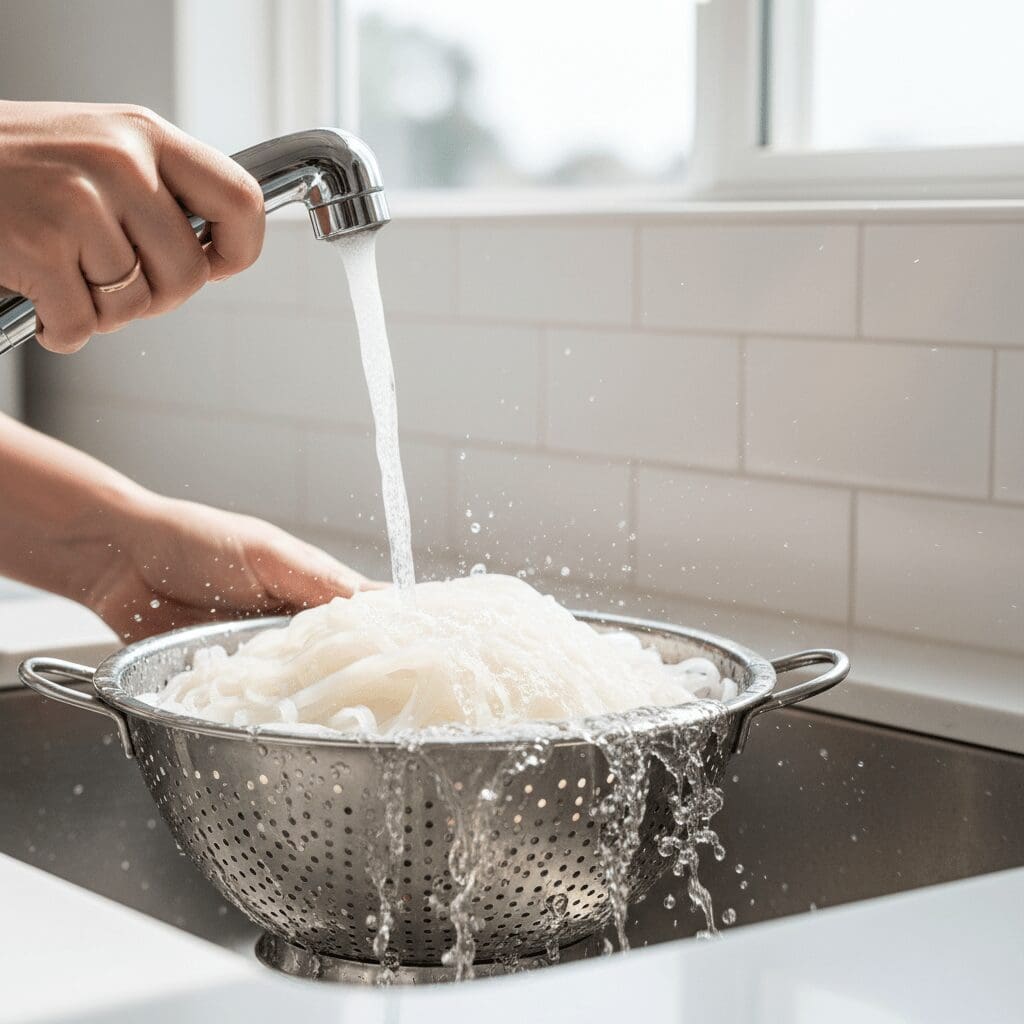
The biggest mistake people make is boiling rice noodles. Don’t do it! They will turn to mush. Instead, place the dry noodles in a large bowl and cover them with very hot (but not boiling) water. Let them soak for the time specified on the package, usually 8-10 minutes, until they are pliable but still have a firm bite (al dente). They will finish cooking in the wok. Immediately drain them and rinse thoroughly under cold running water. This crucial step, a technique recommended by Thai cooking authorities, washes away excess starch and stops the cooking process, preventing them from sticking together.
Step 2: Mix the Sauce & Prep Veggies
While the noodles soak, whisk all your sauce ingredients together in a small bowl until the sugar dissolves. This is also the time to wash and chop all your vegetables and mince your garlic. In stir-frying, everything happens fast, so you need everything ready to go next to the stove—this is called mise en place.
Step 3: Stir-Fry the Aromatics and Veggies
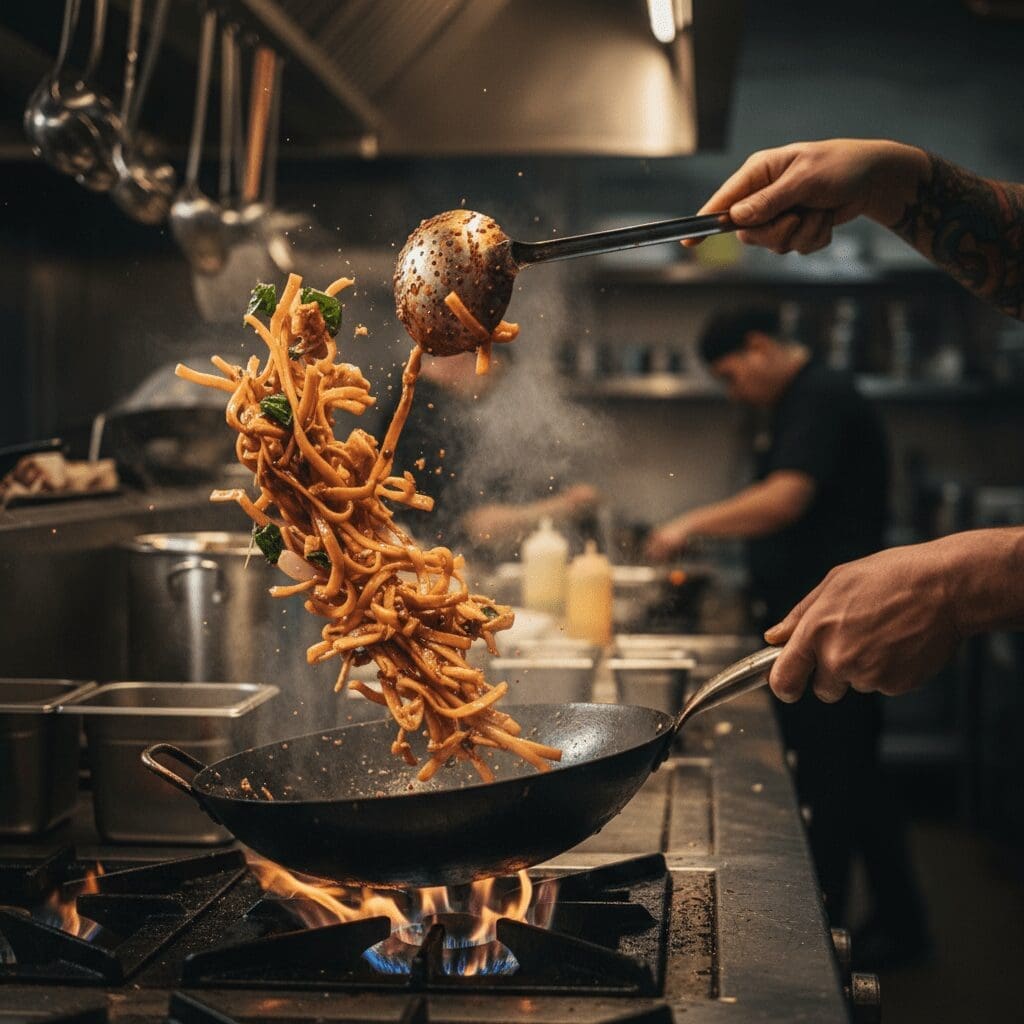
Heat your oil in a large skillet or wok over high heat until it shimmers. Add the minced garlic and cook for just 30 seconds until fragrant, being careful not to burn it. Add the onion, carrots, and broccoli. Stir-fry for 2-3 minutes until the vegetables are crisp-tender. You want them to retain a bit of a bite.
Step 4: Combine and Finish
Add the bell pepper and the drained noodles to the wok. Pour the prepared sauce over everything. Use tongs to toss everything together quickly for about 1-2 minutes, ensuring the noodles are fully coated and heated through. Remove the wok from the heat and immediately stir in the fresh Thai basil and green onions. The residual heat will wilt the basil perfectly without it turning black. Serve instantly.
Pro Tips for Restaurant-Quality Results
Ready to take your noodle game from good to great? These small adjustments make a huge difference.
- High Heat is Your Friend: Don’t be shy with the heat.
- Don’t Crowd the Pan: If you’re doubling the recipe, it’s better to cook in two separate batches. Overcrowding the pan lowers the temperature, causing the ingredients to steam instead of fry.
- The Cold Water Rinse is Non-Negotiable: Rinsing the soaked noodles in cold water is the number one trick to prevent them from becoming a sticky, clumpy mess. It washes off the surface starch that acts like glue.
- Add Basil at the Very End: Thai basil is delicate. To preserve its vibrant color and fresh, peppery aroma, always add it off the heat.
How to Customize Your Drunken Noodles
This recipe is a fantastic starting point. Make it your own with these simple swaps and additions.
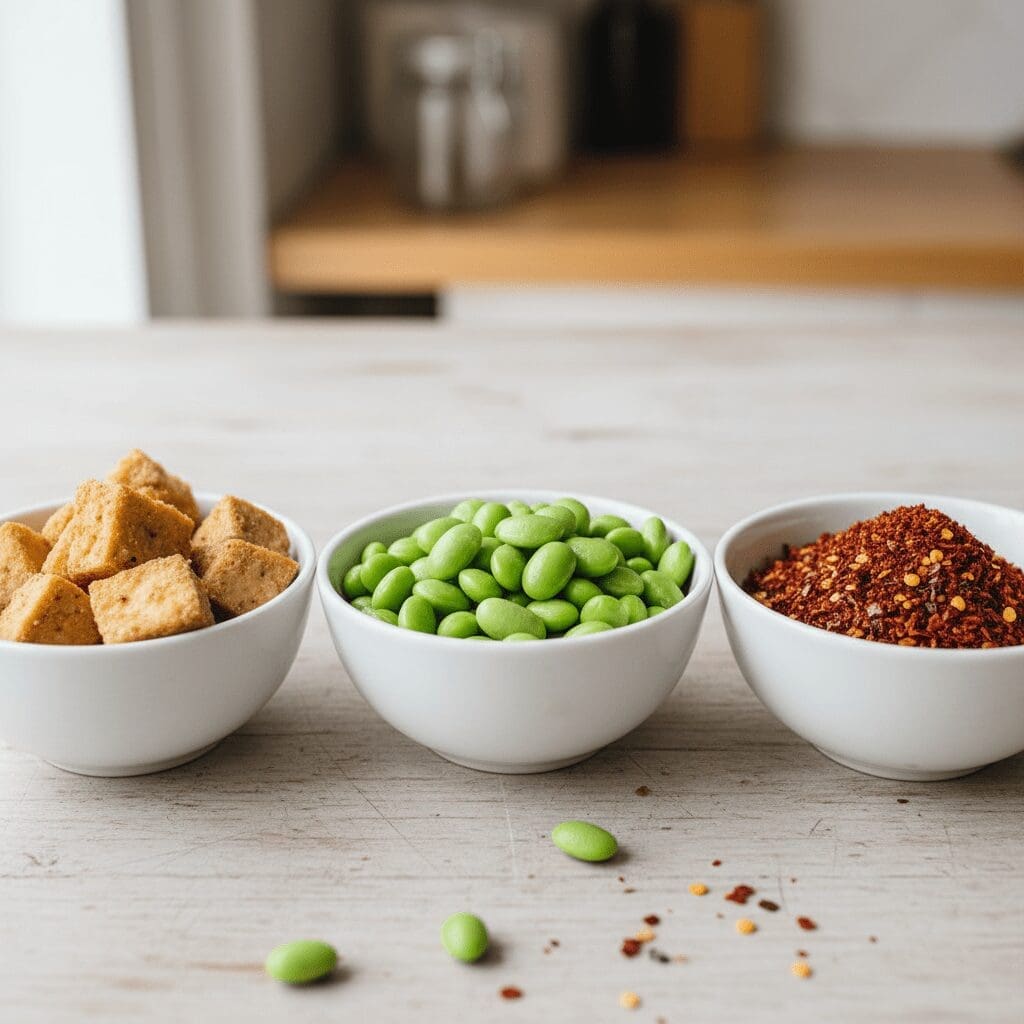
- For a Protein Boost: Add pan-fried or baked tofu, seitan, or a plant-based chicken alternative. If using tofu, press it well and cut it into cubes or slabs.
- Switch Up the Vegetables: Almost any quick-cooking vegetable works well here. Try adding mushrooms, sliced zucchini, snap peas, or bok choy.
- Control the Spice Level: Pad Kee Mao is meant to be spicy, but you’re in control. Start with less Sriracha or chili garlic sauce in the main sauce, and serve extra on the side for those who like more heat.
- Gluten-Free Option: The recipe is easily made gluten-free. Simply swap the soy sauce for gluten-free tamari and ensure your vegan oyster sauce is also certified gluten-free.
Troubleshooting: Your Drunken Noodle Questions Answered
Even with a simple recipe, questions can pop up. Here are answers to the most common issues.
Why are my rice noodles so sticky and clumpy?
This is the most common problem and it’s almost always due to one of two things: overcooking or skipping the cold rinse. Rice noodles are starchy. When you soak them, they release starch. If you don’t rinse that starch off with cold water, it will act like glue, sticking the noodles together. Also, if you boil them or soak them for too long, they become too soft and will break apart and turn to mush in the hot wok. Remember: soak until pliable but firm, then rinse thoroughly with cold water.
Where can I find wide rice noodles and Thai basil?
Your best bet is an Asian grocery store, which will have a wide variety of both. Many larger supermarkets are now carrying them as well, usually in the international food aisle. If you absolutely can’t find Thai basil, you can use regular sweet basil, but be aware that the flavor profile will be different and less authentic.
Can I use thinner rice noodles?
Yes, you can use thinner “Pad Thai” style noodles if that’s all you can find. The texture will be slightly different, but the dish will still be delicious. Just be extra careful with your soaking time, as thinner noodles cook much faster.
Is this dish actually spicy?
Traditionally, yes, Pad Kee Mao is known for its spicy kick. However, the beauty of making it at home is that you are in complete control. The recipe calls for 2 tablespoons of Sriracha, which gives it a medium heat. Feel free to reduce this to 1 tablespoon for a milder version, or increase it if you love the fire!
Meal Prep, Storage, and Reheating Instructions
Drunken noodles are best enjoyed fresh, but leftovers are still delicious. Here’s how to handle them.
Storage: Allow the noodles to cool completely, then transfer them to an airtight container. Store in the refrigerator for up to 3 days. The noodles will absorb more of the sauce as they sit, making them extra flavorful the next day.
Reheating: The best way to reheat this dish is in a skillet or wok over medium-high heat. Add a splash of water or vegetable broth (about 1-2 tablespoons) to the pan along with the noodles. This creates steam and helps loosen the noodles as they heat without making them greasy. Toss frequently for 2-4 minutes until heated through. Microwaving is possible, but can sometimes result in unevenly heated noodles that are softer in texture.
Meal Prep Tip: While the finished dish is best fresh, you can absolutely prep the components ahead of time. Whisk the sauce together and chop all your vegetables 2-3 days in advance and store them in separate airtight containers in the fridge. When you’re ready to eat, just soak the noodles and the stir-fry will come together in about 10 minutes.
Conclusion
There you have it—a vegan Drunken Noodles recipe that’s big on flavor, low on fuss, and guaranteed to become a new favorite. By understanding the key ingredients and mastering a few simple techniques, you can create a dish that rivals any Thai restaurant.
Forget soggy, bland noodles; this recipe delivers that perfect fiery, savory, and slightly sweet punch every single time. So get your ingredients prepped, fire up that wok, and get ready to enjoy a truly satisfying meal.