
How to Go Vegan in 2024: A Beginner’s Guide + 10 Practical Tips
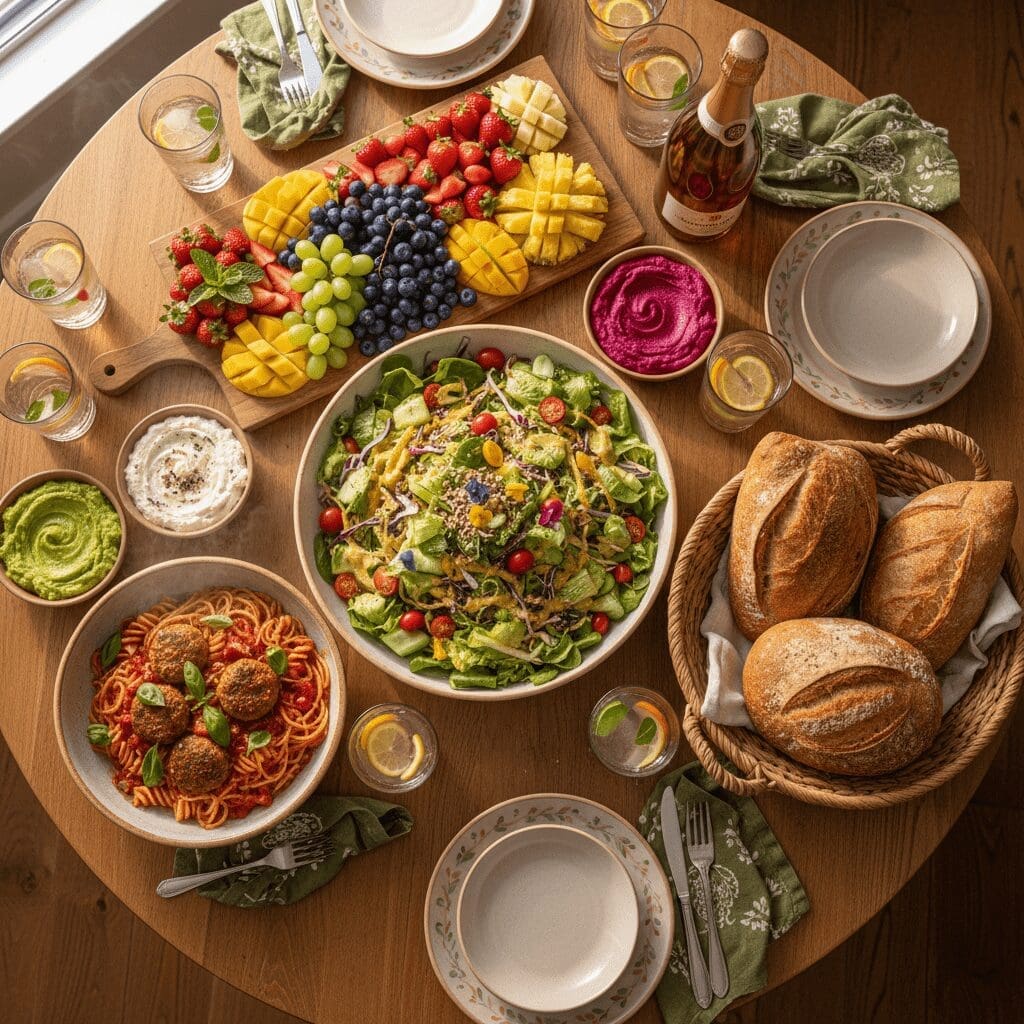
Thinking about switching to a vegan lifestyle? Whether your motivation is for your health, the environment, or the animals, the idea can feel both exciting and overwhelming.
Forget the myth that going vegan means a lifetime of boring salads. This guide is designed to be your friendly, practical roadmap.
We’ll move beyond the ‘why’ and dive straight into the ‘how,’ with ten actionable tips that I’ve learned over years of cooking for a hungry family. We’ll cover everything from turning your current favorite meals into vegan masterpieces to understanding key nutrients and navigating dinner with friends.
This isn’t about restriction; it’s about discovering a new world of delicious, satisfying food. Let’s get started.
1. Start with Foods You Already Love
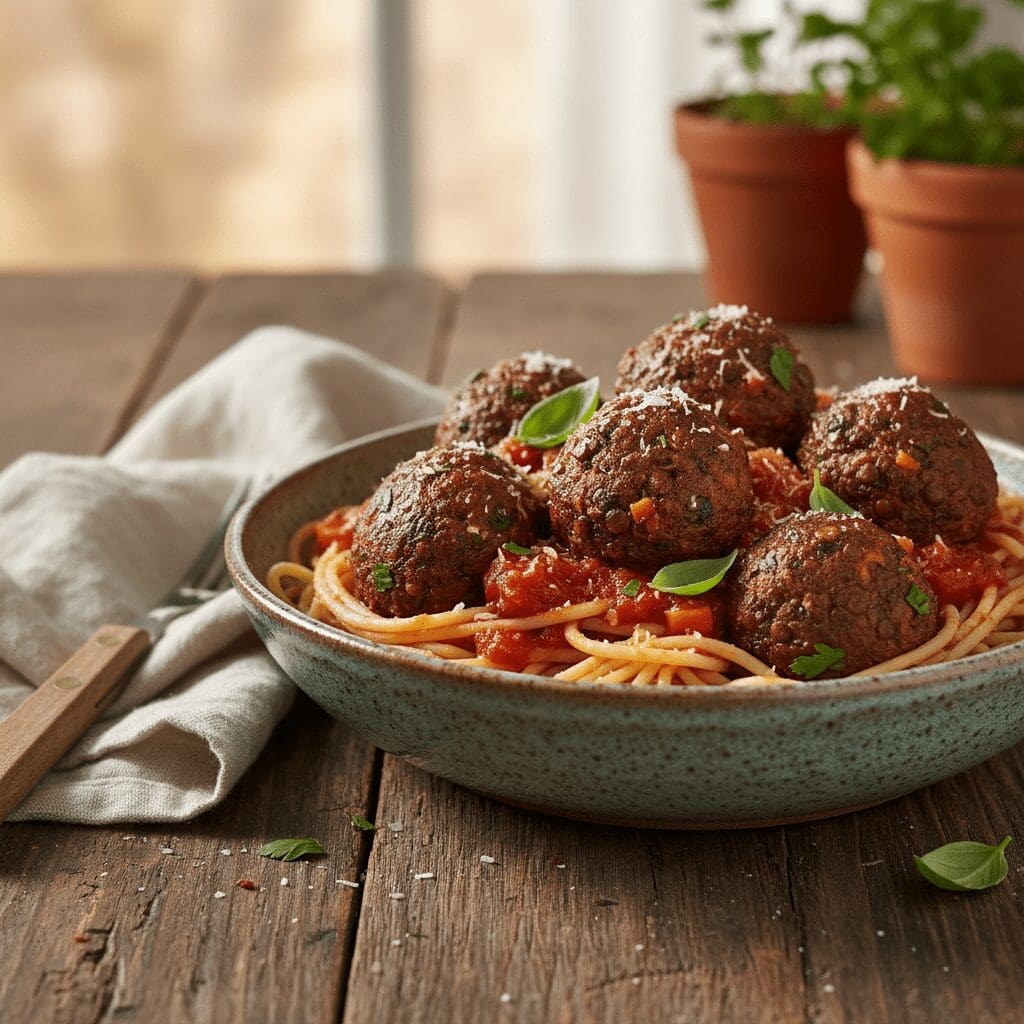
The easiest way to avoid feeling overwhelmed is to stick with what you know. Think about your current top 5-10 favorite meals.
Chances are, they can be easily adapted to be vegan. This strategy is especially helpful if you’re cooking for family members or kids who are used to certain foods.
Simple Swaps for Your Favorite Meals:
- Love Spaghetti Bolognese? Swap the ground meat for lentils, crumbled tempeh, or a store-bought vegan ground round. Use your favorite marinara sauce (most are naturally vegan) and pasta.
- Taco Tuesday Fan? Use seasoned black beans, pinto beans, or a lentil-walnut crumble instead of ground beef. Load it up with salsa, guacamole, and a dollop of dairy-free sour cream.
- Burger Craving? The frozen aisle is your new best friend. Brands like Beyond Meat and Impossible Foods make incredible plant-based patties. Or, try making your own hearty black bean or mushroom burgers.
- Creamy Soups? Instead of heavy cream, create a rich, creamy texture by blending in cashews, white beans, or using full-fat coconut milk. My [Vegan Broccoli Cheese Soup](link) is a perfect example.
You’ll be surprised how many foods you enjoy are already vegan or just one simple swap away.
This approach builds confidence and shows you that you aren’t giving up your favorite foods, just preparing them in a new way.
2. Create a Simple Weekly Routine
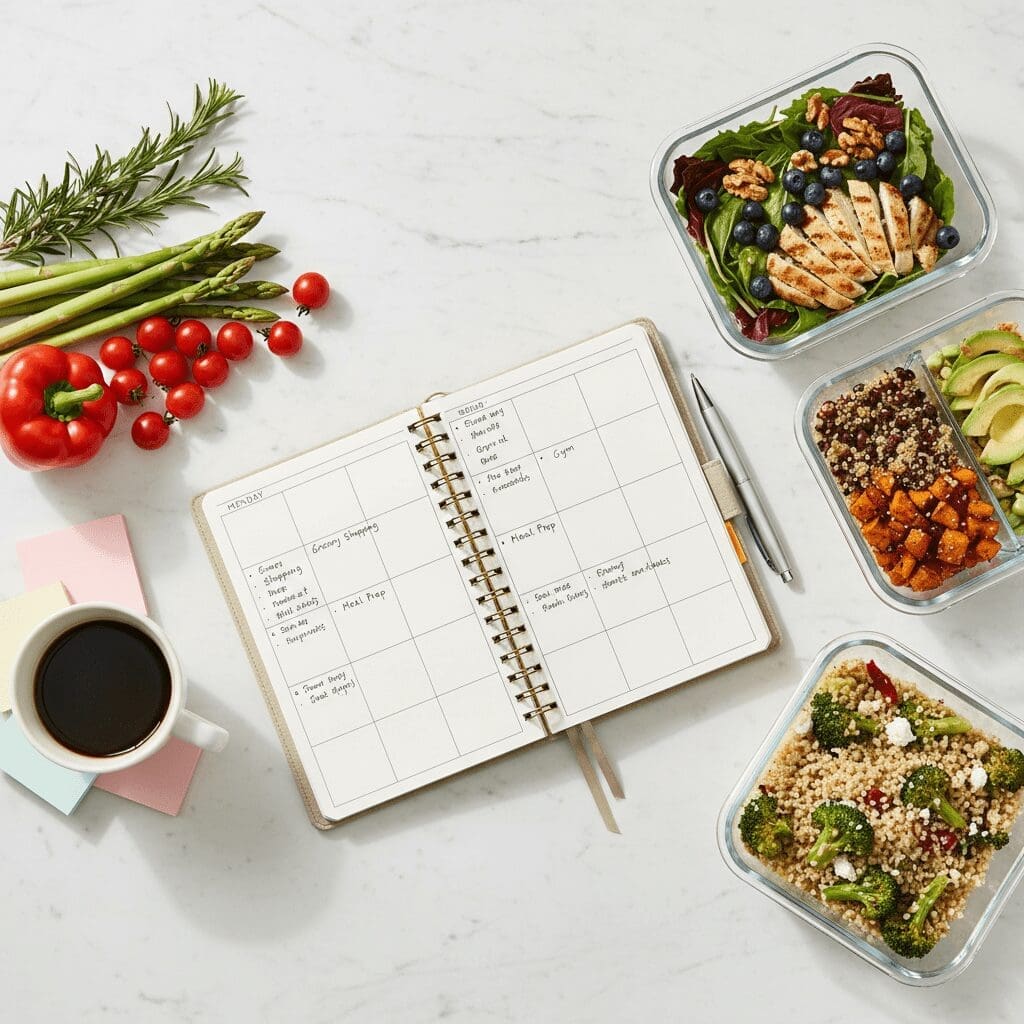
The secret to a stress-free vegan lifestyle is routine. When you know what you’re going to eat, you remove the guesswork and are less likely to reach for less healthy options. Dedicate a small amount of time each weekend to plan your meals for the coming week.
Building Your Weekly Routine:
- Plan Your Dinners: Decide what you’ll have for dinner each night. Double the recipe on one or two of those nights to guarantee leftovers for lunch the next day.
- Make a Shopping List: Based on your dinner plan and your go-to breakfast and snack items, create a comprehensive shopping list. This saves time, reduces food waste, and prevents impulse buys.
- Meal Prep Power Hour: You don’t have to spend all of Sunday in the kitchen. A “Power Hour” can be incredibly effective. Cook a big batch of grains like quinoa or rice, chop vegetables for salads and stir-fries, and make a versatile sauce or dressing, like my [Homemade Vegan Ranch](link).
A Simple 3-Day Meal Plan to Get You Started:
- Day 1:
- Breakfast: Oatmeal with berries and walnuts.
- Lunch: Leftover Red Lentil Curry from last night.
- Dinner: Black Bean Burgers on whole-wheat buns with a side salad.
- Day 2:
- Breakfast: Avocado toast with everything bagel seasoning.
- Lunch: Large salad using pre-chopped veggies, topped with chickpeas and your pre-made ranch dressing.
- Dinner: Pasta with marinara and a can of cannellini beans stirred in for protein.
- Day 3:
- Breakfast: Smoothie with spinach, banana, plant-based milk, and a scoop of almond butter.
- Lunch: Leftover pasta from last night.
- Dinner: Sheet Pan Fajitas with bell peppers, onions, and seasoned tofu.
3. Explore One New Recipe a Week
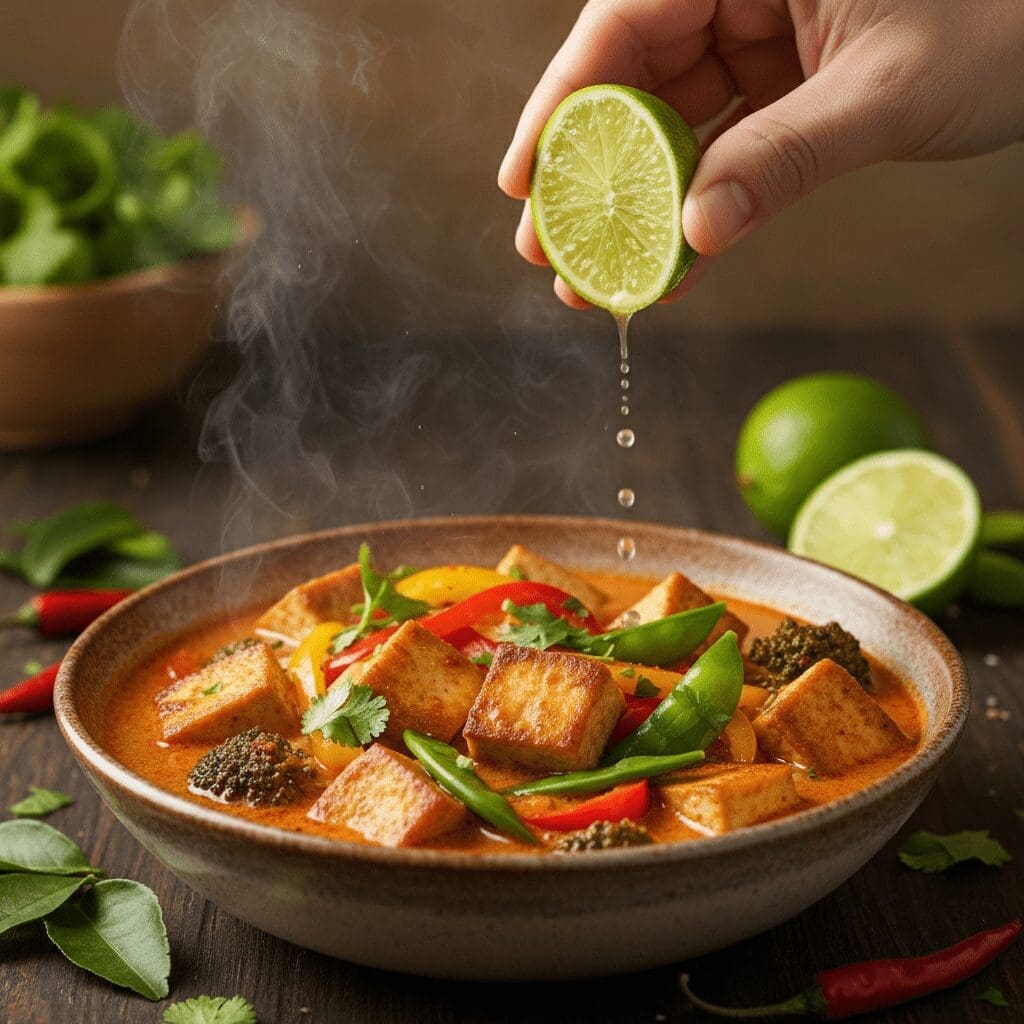
Once you’ve built a comfortable foundation with your familiar favorites, it’s time to get adventurous! The world of vegan cooking is vast and exciting.
Trying one new recipe a week is a fantastic way to expand your palate and discover new staples without feeling overwhelmed. Maybe you’ve never cooked with tempeh, or you’re curious about nutritional yeast.
This is your chance to experiment. You might find a new dish the whole family loves.
Ideas for Branching Out:
- Explore Global Cuisines: Many international cuisines are naturally rich in plant-based dishes. Try making a flavorful [Red Thai Curry with Vegetables](link), homemade [Vegan Falafel Wraps](link), a quick batch of easy vegan Drunken Noodles, or a hearty African peanut stew.
- Recreate Restaurant Favorites: Did you have an amazing dish at a vegan restaurant? Try to find a similar recipe online and recreate it at home. This is a fun way to build your cooking skills.
- Join a Recipe Challenge: Many food bloggers and online communities host monthly recipe challenges. It’s a great way to get inspiration and connect with other home cooks.
Don’t be discouraged if a recipe doesn’t turn out perfectly the first time.
Every cooking experience is a learning opportunity. Soon enough, you’ll have a whole new set of “familiar favorites” to add to your rotation.
4. Consider a Few Helpful Kitchen Tools
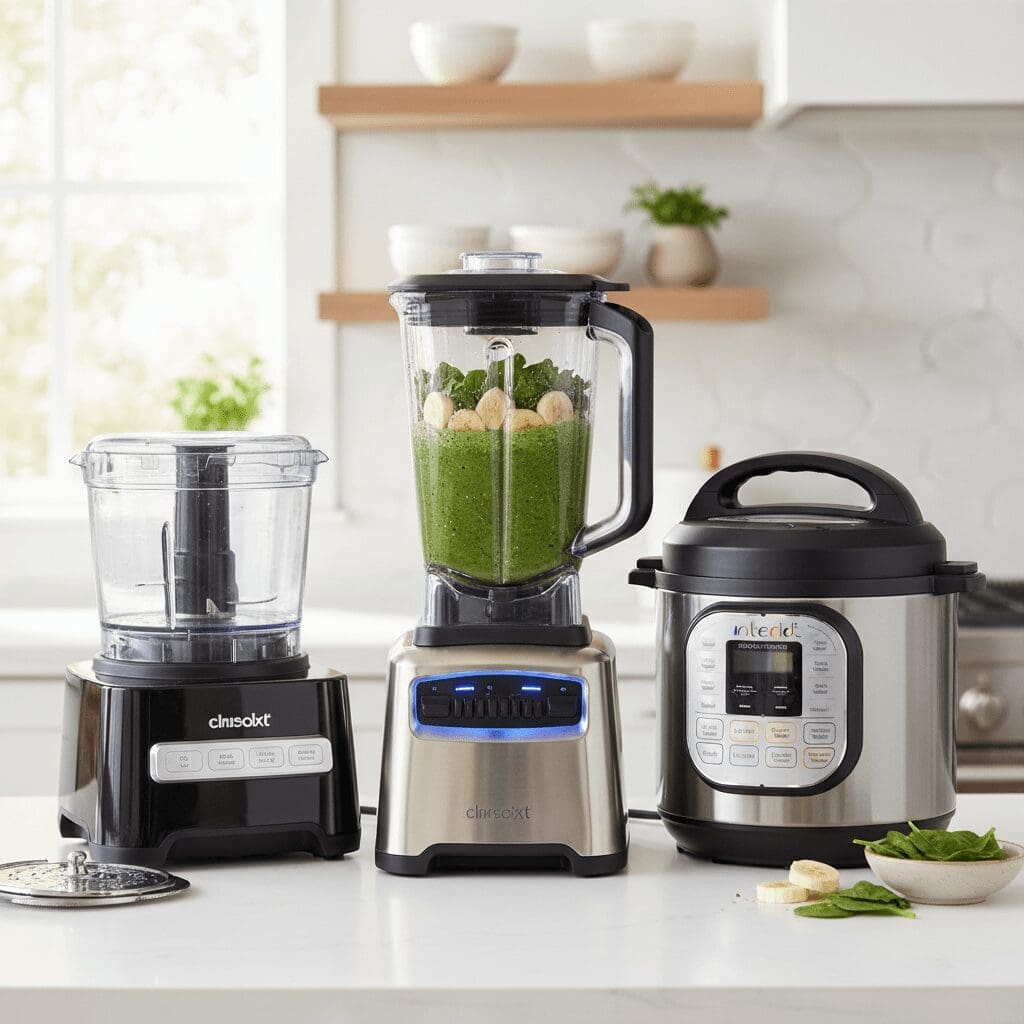
While you absolutely don’t need any fancy gadgets to be vegan, a few key appliances can make your life significantly easier and your food even more delicious. Investing in one or two quality tools can open up a new world of culinary possibilities.
The Most Valuable Players in a Vegan Kitchen:
- A High-Powered Blender: This is my number one recommendation. A blender like a Vitamix or Blendtec is an investment, but it’s essential for achieving silky-smooth textures in sauces, soups, and cheeses. It pulverizes cashews into creamy sauces for dishes like [Vegan Alfredo](link), blends produce into nutritious green smoothies, and can even be used to make your own oat flour.
- A Food Processor: While a blender is for liquids, a food processor excels at chopping, shredding, and mixing thicker substances. It’s perfect for making veggie burger patties, processing nuts and dates for energy balls, making pesto, or whipping up a batch of hummus.
- An Instant Pot or Pressure Cooker: This is a game-changer for anyone who eats a lot of beans and grains. It can cook dried beans in under an hour (no soaking required!), and it’s fantastic for making soups, stews, and grains with minimal effort.
You can absolutely start without these, but if you’re looking to upgrade your kitchen, these tools offer the biggest return in a vegan lifestyle.
5. Lean on Healthy Convenience Foods
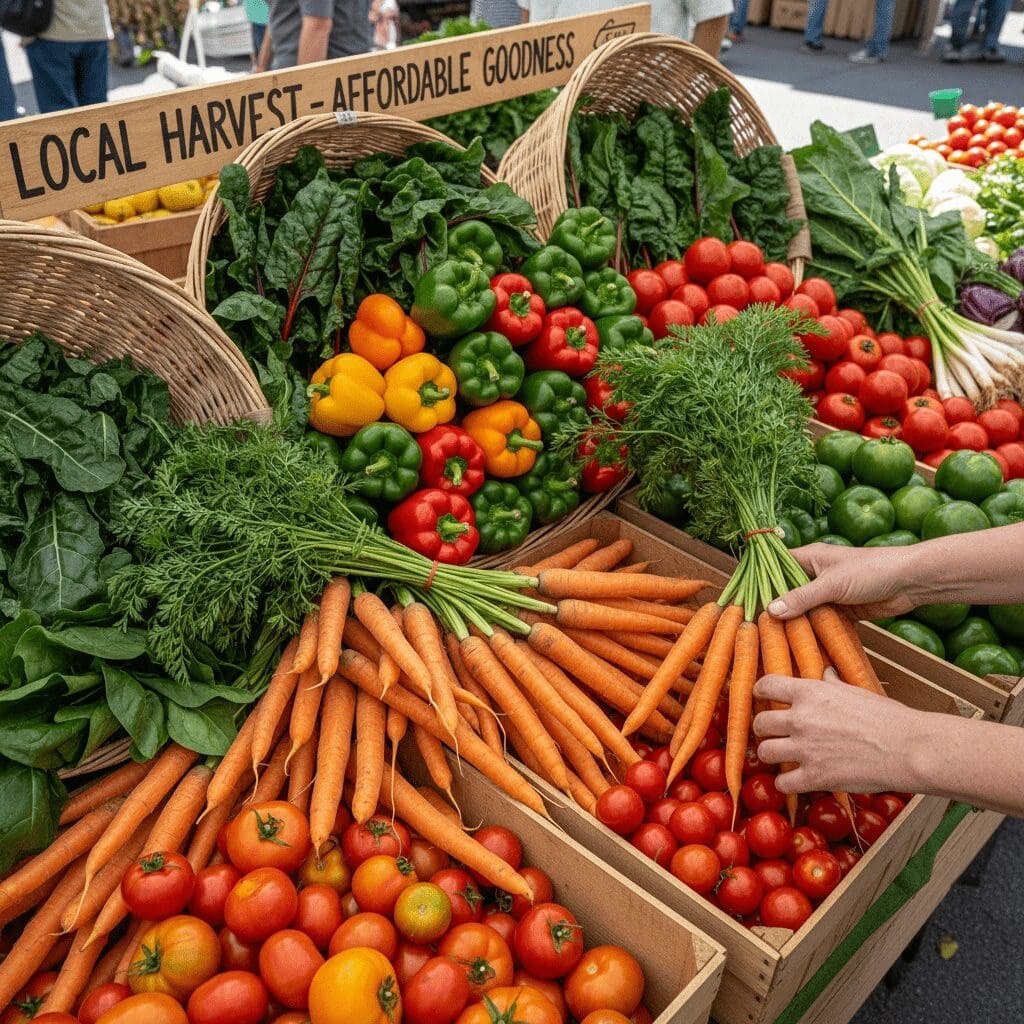
Navigating the grocery store is easier than ever. The market for vegan products has exploded, and you can now find excellent alternatives to meat, dairy, and eggs in most conventional supermarkets, not just specialty health food stores.
These products can be a fantastic bridge while you’re transitioning.
Your Guide to Vegan Alternatives:
- Plant-Based Milks: The original alternative! Try almond, soy, oat, or coconut milk in your coffee, cereal, or for baking. Oat milk is often favored for its creamy texture in lattes.
- Vegan Cheeses: Vegan cheese has come a long way. You can find shreds for pizza (Daiya is a popular choice), slices for sandwiches (Chao or Violife), and cream cheese for bagels (Kite Hill or Tofutti).
- Meat Substitutes: For a quick and easy meal, products from Gardein (like chicken nuggets), Beyond Meat (burgers and sausage), or Lightlife (tempeh and hot dogs) are great to have on hand.
- Egg Replacements: For baking, you can often use mashed banana, applesauce, or a “flax egg” (1 tablespoon ground flaxseed mixed with 3 tablespoons water). For scrambling, try a block of tofu to make a delicious [Tofu Scramble](link).
While it’s great to focus on whole foods, don’t feel guilty about using these convenient processed products.
They can make the transition easier and help satisfy cravings for familiar tastes and textures.
6. Learn How to Shop Smart

One of the most persistent myths about veganism is that it’s expensive. While it can be if you’re only buying specialty products, a diet centered on whole plant foods is actually one of the most affordable ways to eat.
How to Eat Vegan on a Budget:
- Build Meals Around Staples: The cheapest foods in the grocery store are often vegan staples: beans, lentils, rice, potatoes, and oats. Make these the foundation of your meals.
- Shop at Discount Stores: You don’t need to shop at high-end health food stores. I find the best prices on produce and pantry items at places like Trader Joe’s and my local discount store (Winco). Even Target and Walmart have greatly expanded their vegan-friendly and organic offerings.
- Buy in Bulk: The bulk bins are your best friend for items like grains, beans, nuts, and spices. You can buy exactly the amount you need, and it’s almost always cheaper per ounce than packaged versions.
- Embrace Frozen Produce: Frozen fruits and vegetables are just as nutritious as fresh (sometimes even more so!) and are significantly cheaper, especially when a fruit is out of season. They are perfect for smoothies, stir-fries, and soups.
- Cook at Home: The single biggest way to save money on any diet is to cook your own meals. Eating out, even at fast-food restaurants, adds up quickly.
7. Discover How to Eat Out Confidently
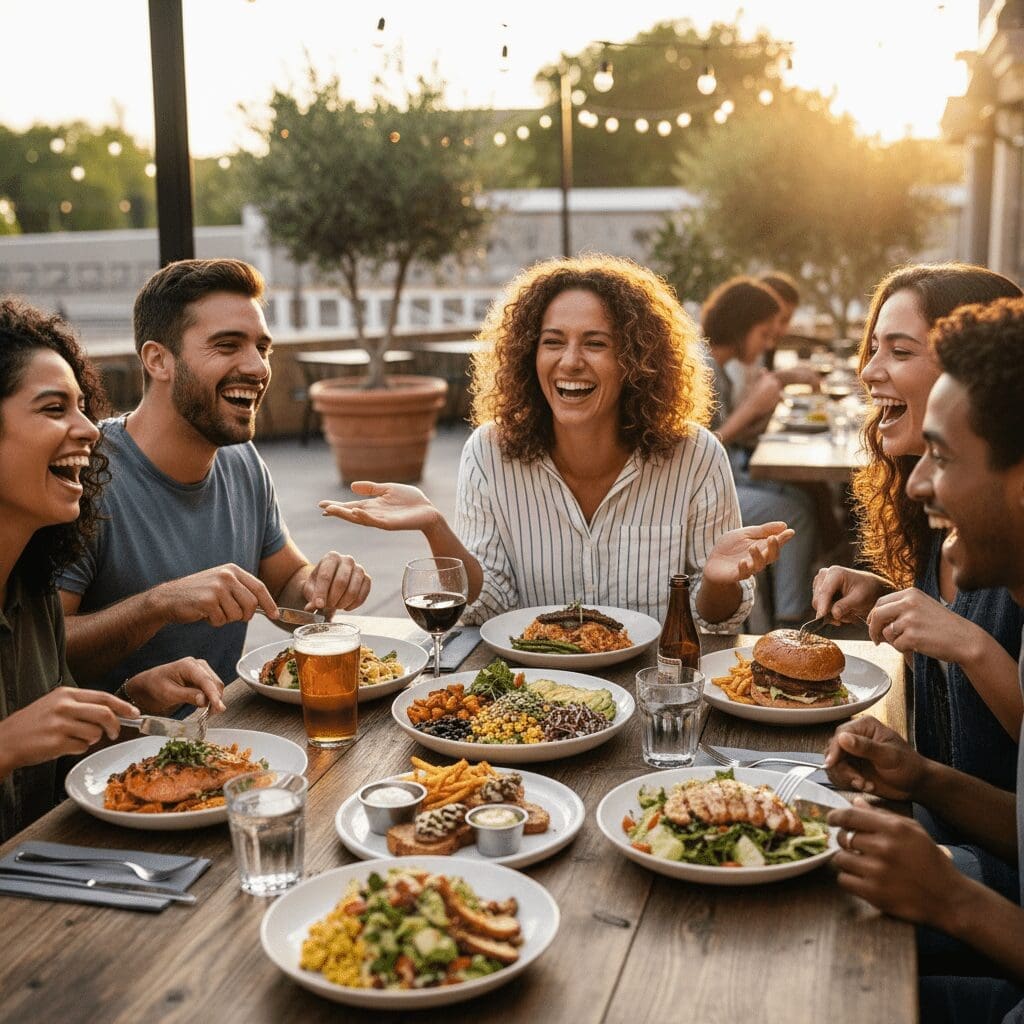
Being vegan doesn’t mean you’re chained to your kitchen. With a little planning, you can enjoy meals out with friends and family.
Most restaurants are more accommodating than you might think, and many cuisines are inherently vegan-friendly.
Tips for Dining Out:
- Check the Menu Online: This is the most important step. Before you go, look at the menu online to see what options are available. This saves you the stress of trying to figure it out at the table.
- Don’t Be Afraid to Ask: Politely ask your server if a dish can be made vegan. Common requests include asking for no cheese or sour cream on Mexican food, or checking if a veggie burger can be served on a lettuce wrap if the bun contains dairy.
- Look for Ethnic Restaurants: Cuisines like Thai, Indian, Ethiopian, and Mexican often have a wide array of vegetarian dishes that are either already vegan or can be easily modified. A simple “no fish sauce, please” at a Thai restaurant or “no ghee, please” at an Indian restaurant can open up many options.
- Use HappyCow: The HappyCow website and app are indispensable tools for finding vegan, vegetarian, and veg-friendly restaurants anywhere in the world. It’s a lifesaver when you’re traveling.
- Have a Go-To Fast Food Option: For road trips or when you’re in a pinch, know your options. Chipotle’s Sofritas are vegan, Taco Bell’s bean burrito ordered “fresco style” (no cheese or sour cream) is a classic, and many places now offer a plant-based burger.
8. Find a Go-To Breakfast You Love
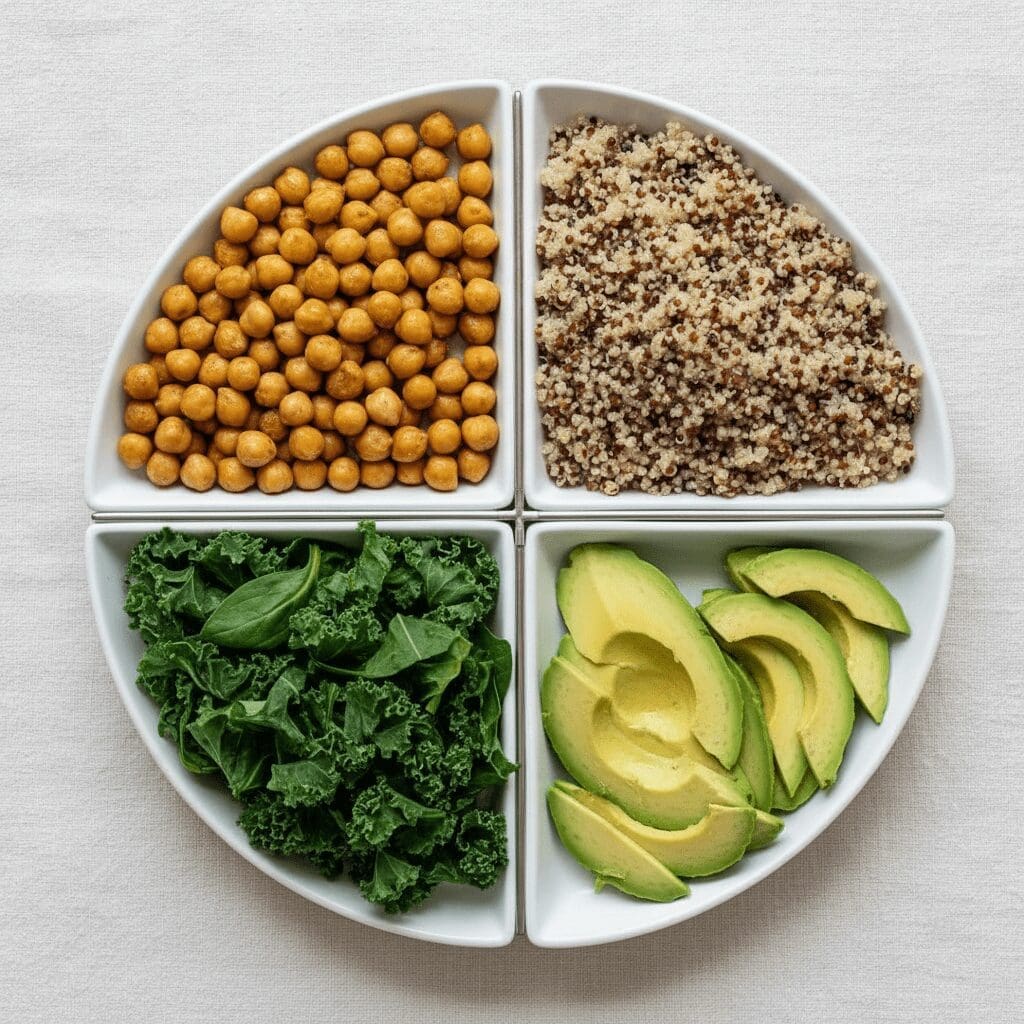
They say breakfast is the most important meal of the day, and finding a few go-to options you love can set you up for success. You want something that is quick, filling, and delicious to start your day on the right foot.
It doesn’t have to be complicated!
Find Your Perfect Vegan Breakfast:
- Sweet & Simple: For years, my go-to was oatmeal. You can customize it endlessly: with diced apples and cinnamon, fresh berries and walnuts, or a swirl of peanut butter and sliced banana. A big batch can be made ahead of time.
- Savory & Satisfying: If you prefer a savory start, avocado toast is a modern classic. Top it with sliced tomatoes, cucumber, or a sprinkle of red pepper flakes. Another fantastic option is a tofu scramble, which has a similar texture to scrambled eggs and can be loaded with your favorite veggies.
- On The Go: A smoothie is the ultimate quick breakfast. Blend plant-based milk with spinach, a frozen banana, a scoop of protein powder or almond butter, and some flax seeds. You can drink it on your way out the door.
- Weekend Special: For a more leisurely weekend breakfast, try a batch of fluffy [Vegan Waffles](link) or savory [Vegan Biscuits and Gravy](link).
Find one or two options that work for your schedule and tastes, and make sure you always have the ingredients on hand.
9. Eat Balanced, Satisfying Meals
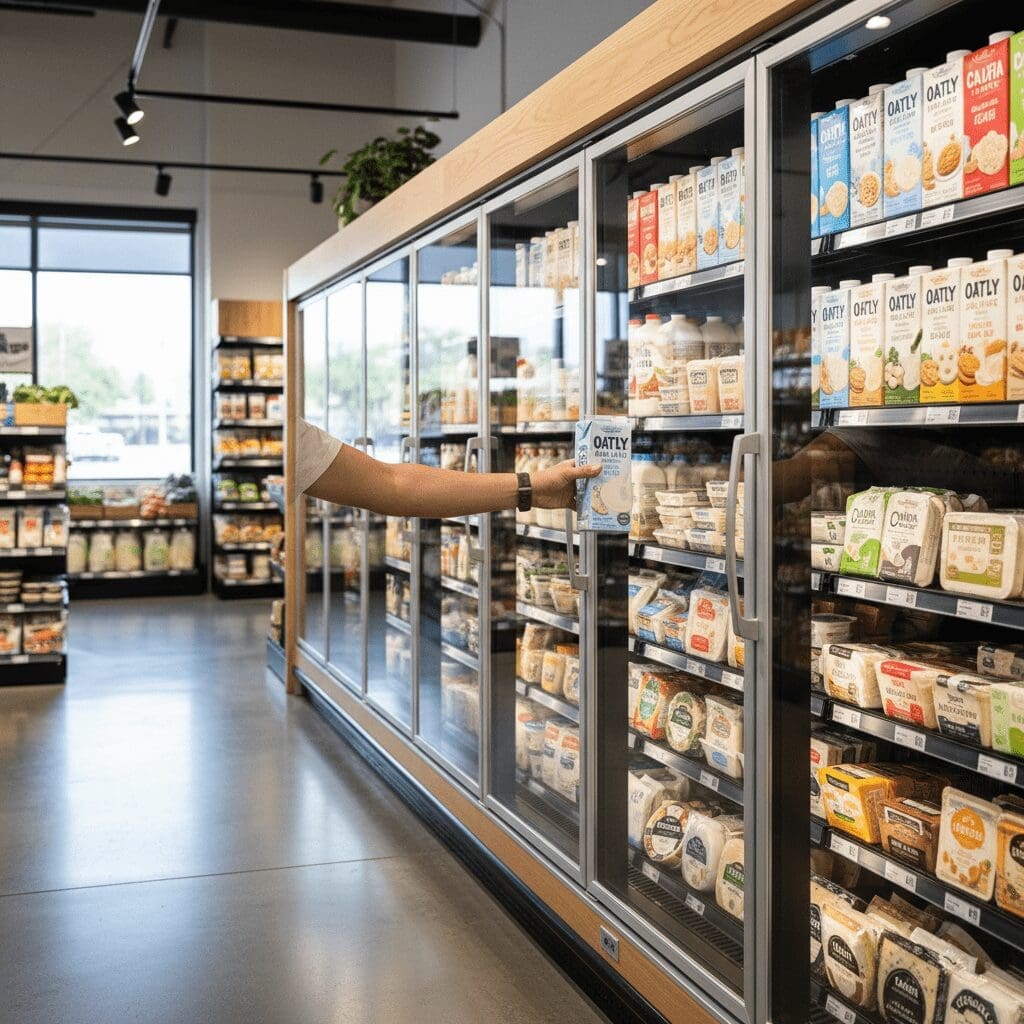
A common pitfall for new vegans is trying to live on vegetables alone. While vegetables are incredibly important and packed with nutrients, they are not calorically dense enough to keep you full and energized throughout the day.
If you’re hungry an hour after eating, you’re not eating enough! Building a balanced plate is key to any sustainable healthy eating pattern, from veganism to the Mediterranean diet. A well-balanced and satisfying vegan meal includes a variety of food groups.
Think of building your plate with these components:
- Whole Grains: These provide complex carbohydrates for sustained energy. Think brown rice, quinoa, whole-wheat pasta, oats, and whole-grain bread.
- Plant-Based Protein: This is what provides satiety and keeps you feeling full. Include a generous portion of beans, lentils, tofu, tempeh, or edamame with every meal.
- Healthy Fats: Fats are crucial for nutrient absorption and flavor. Add avocado, nuts, seeds, or a drizzle of olive oil to your meals. A nut-based dressing on your salad does more than just add flavor; it helps you absorb the vitamins from the greens.
- Fruits & Vegetables: Fill at least half your plate with a colorful variety of vegetables and fruits for essential vitamins, minerals, and fiber.
Don’t be afraid of carbohydrates or fats. A hearty meal of [Vegan Scalloped Potatoes](link) or a big bowl of pasta is satisfying for a reason.
Eating a balanced diet will keep you energized and prevent the cravings that can derail your progress.
10. Don’t Forget About Dessert
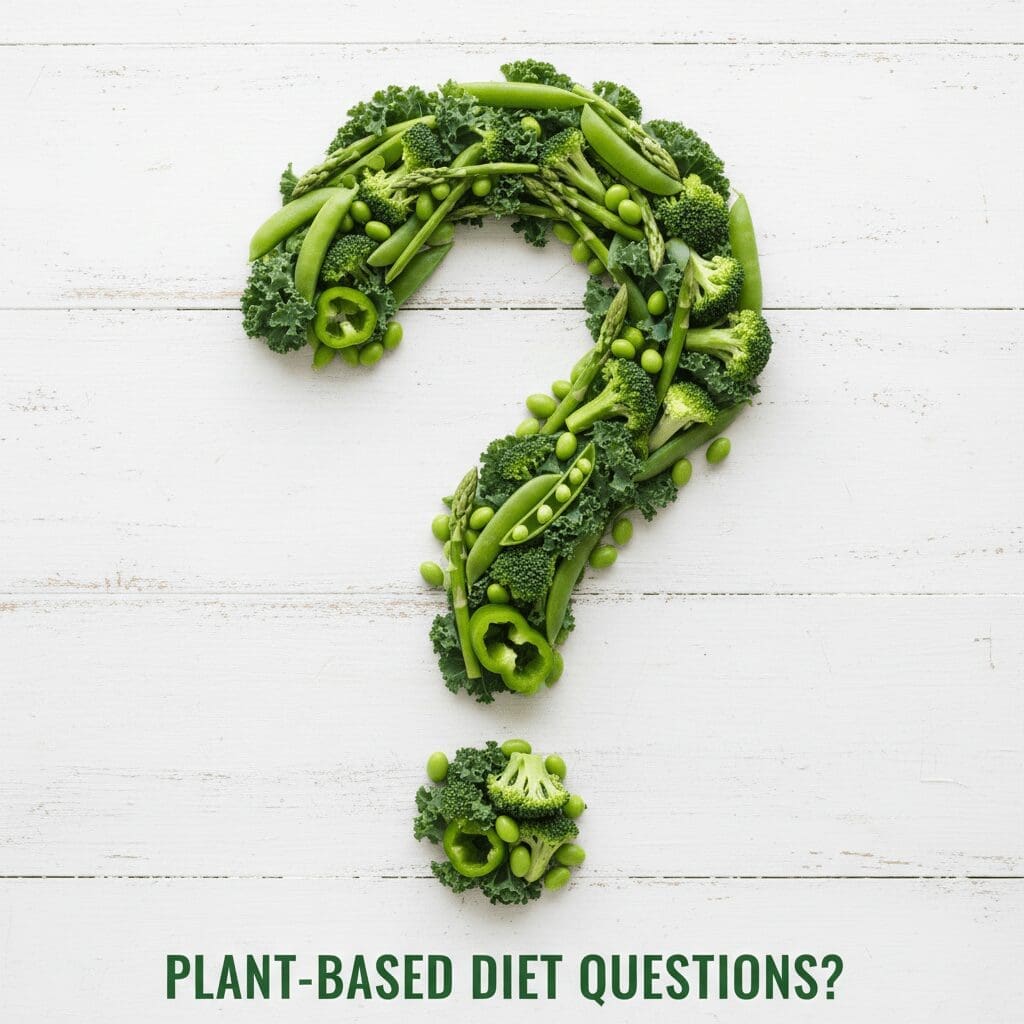
Let’s be clear: going vegan does not mean giving up dessert. In fact, vegan baking is surprisingly easy and incredibly delicious.
Most traditional recipes can be made vegan with a few simple swaps, and no one will ever know the difference. Whether you have a serious sweet tooth or just enjoy an occasional treat, there’s a vegan version for you.
It’s a fun part of the journey to discover how to bake your favorite goodies without eggs or dairy.
My Most Popular Vegan Desserts:
- [The Best Vegan Chocolate Cake](link): This recipe is rich, moist, and consistently gets rave reviews. It’s my go-to for birthdays and special occasions.
- Perfect Vegan Chocolate Chip Cookies: Chewy, gooey, and everything you want in a classic cookie.
- [The Best Vegan Cheesecake](link): Yes, creamy, tangy cheesecake can be made vegan! The secret ingredient is usually soaked cashews, which create an unbelievably rich texture.
- [Vegan Lemon Cake](link): Bright, zesty, and perfect for spring.
Having a few go-to dessert recipes on hand is a great way to show friends and family just how delicious vegan food can be.
It proves that this lifestyle is about abundance, not deprivation.
Mind Your Nutrients: A Quick and Responsible Guide
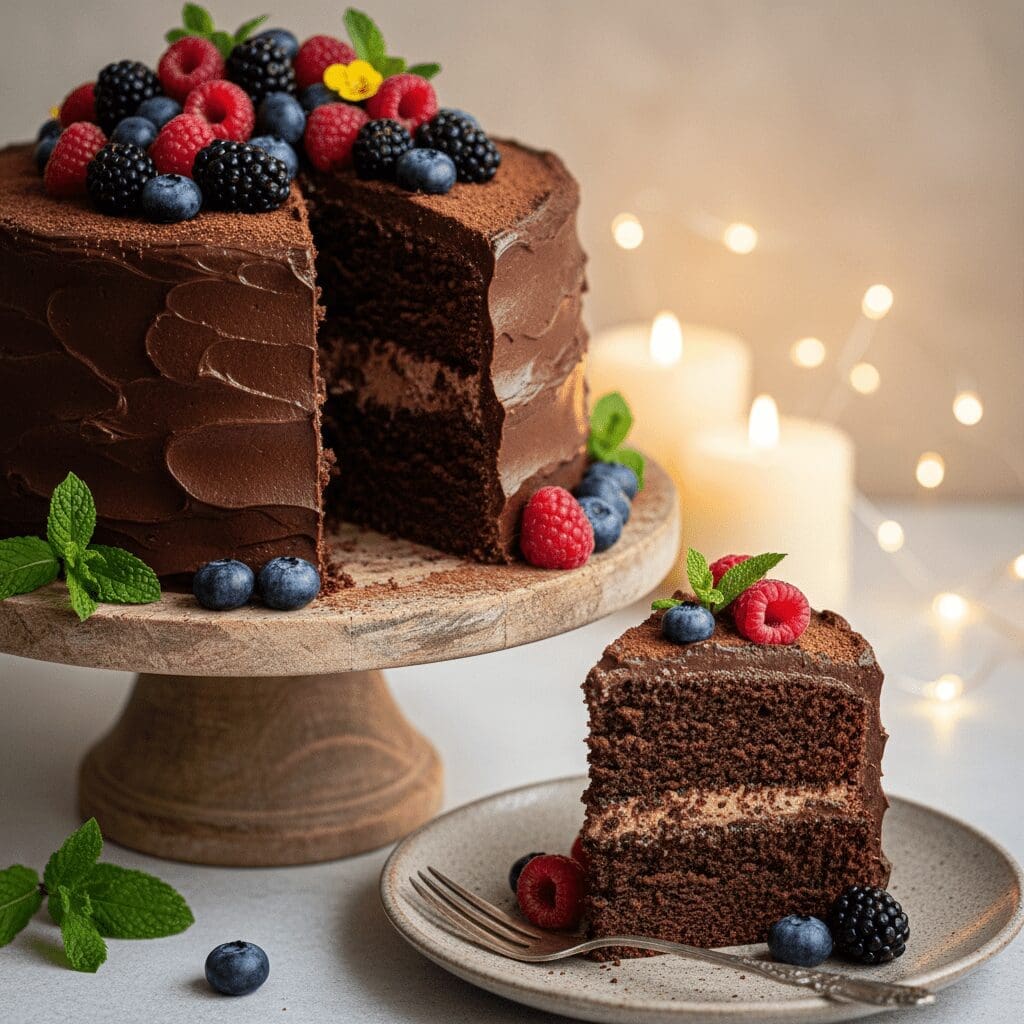
A well-planned vegan diet can provide nearly all the nutrients you need. However, as with any diet, it’s crucial to be mindful of a few key nutrients that are either exclusively found in animal products or are harder to absorb from plants.
Disclaimer: This information is for educational purposes. Always consult with your doctor or a registered dietitian before making significant dietary changes or starting any supplements.
Key Nutrients to Be Aware Of:
- Vitamin B12: This is the one non-negotiable supplement. Vitamin B12 is produced by bacteria, not plants or animals, and it does not reliably exist in a plant-based diet. A deficiency can lead to serious neurological issues. The Vegan Society recommends taking a B12 supplement to ensure adequate intake. You can also find it in fortified foods like nutritional yeast and some plant milks.
- Iron: There are two types of iron: heme (from animals) and non-heme (from plants). Non-heme iron is less easily absorbed. To maximize absorption, pair iron-rich plant foods (lentils, chickpeas, tofu, spinach) with a source of Vitamin C (citrus fruits, bell peppers, broccoli). The National Institutes of Health notes this combination significantly enhances absorption.
- Calcium: Essential for bone health, calcium is abundant in the plant kingdom. Excellent sources include fortified plant milks, calcium-set tofu, kale, broccoli, and tahini. The Mayo Clinic highlights these plant-based sources as effective ways to meet your needs.
- Omega-3 Fatty Acids: Crucial for brain and heart health, the most potent forms of omega-3s (EPA and DHA) are found in fish. The plant-based form, ALA, is found in flaxseeds, chia seeds, hemp seeds, and walnuts. Your body can convert ALA to EPA and DHA, but the conversion rate can be low. For a reliable source, consider an algae-based DHA/EPA supplement.
- Vitamin D: The “sunshine vitamin” is important for calcium absorption. While some mushrooms and fortified foods contain Vitamin D, the most reliable sources are sun exposure and supplementation, which is recommended for many people, regardless of their diet.
How to Navigate Social Situations

One of the biggest hurdles for new vegans can be the social aspect. Explaining your dietary choices to friends and family, navigating holidays, and being the “only vegan” at a dinner party can feel daunting at first.
With a positive attitude and a little preparation, you can handle these situations with grace.
Strategies for Social Success:
- Communicate Clearly and Kindly: When you receive an invitation, let the host know your dietary needs in advance. Frame it positively: “I’m so excited to come! Just to make it easier for you, I’m happy to bring a vegan dish to share so you don’t have to worry about it.” This takes the pressure off the host and ensures you’ll have something delicious to eat.
- Focus on Connection, Not Food: Remember that social gatherings are about connecting with people you care about. Steer conversations away from a debate about your food choices. If someone asks a genuine question, be happy to answer, but don’t feel obligated to defend your lifestyle to every curious relative. A simple, “It’s something I’m trying for my health, and I’m really enjoying it,” is often enough.
- Bring a Crowd-Pleasing Dish: When you bring a dish to a potluck or family gathering, make it a guaranteed winner. A big pan of [Vegan Mac and Cheese](link) or a platter of [BBQ Cauliflower Wings](link) will be enjoyed by everyone and can be a great, positive conversation starter.
- Eat Before You Go: If you’re heading into a situation where you know the vegan options will be slim (like a work event at a steakhouse), have a small, satisfying meal or snack beforehand. This way, you can relax and socialize without being preoccupied with hunger.
Frequently Asked Questions
Here are answers to some of the most common questions beginners have when starting a vegan diet.
Will I get enough protein?
Absolutely. This is one of the most common myths. Protein is abundant in plant foods. Excellent sources include lentils, beans, chickpeas, tofu, tempeh, seitan, quinoa, nuts, and seeds. As long as you are eating a varied diet with sufficient calories, it is very easy to meet your protein needs.
Isn’t eating vegan really expensive?
It doesn’t have to be! In fact, it can be much cheaper. While specialty vegan products like artisanal cheeses and mock meats can be pricey, a diet based on whole foods like beans, rice, lentils, potatoes, and in-season produce is incredibly budget-friendly.
What is nutritional yeast and do I need it?
Nutritional yeast, affectionately known as “nooch,” is a deactivated yeast with a savory, cheesy, nutty flavor. It’s often fortified with Vitamin B12, making it a valuable addition to a vegan diet. While not strictly necessary, it’s a fantastic ingredient for adding a cheesy flavor to pasta sauces, tofu scrambles, and popcorn.
Will I have to give up my favorite restaurants?
Not at all! As covered in Tip #7, most restaurants are very accommodating. A quick look at the menu online beforehand and a polite conversation with your server can almost always result in a delicious vegan meal. You’ll quickly learn which local spots are your go-to’s.
What if I “mess up” and eat something that isn’t vegan?
Don’t worry about it! A vegan lifestyle is not about purity or perfection. It’s about making conscious choices. If you accidentally or intentionally eat something non-vegan, it doesn’t erase all your progress. Simply see it as a learning experience and get back to your routine with your next meal. Be kind to yourself.
Conclusion
Embarking on a vegan journey is an adventure in flavor, compassion, and wellness. It’s not about achieving perfection overnight, but about making small, sustainable choices that feel right for you.
Remember the foods you already love, embrace the learning process, and don’t be afraid to experiment. Each plant-based meal is a step towards a new way of eating and living.
You have the tools, the tips, and a world of delicious recipes waiting for you. Ready to find your first go-to meal?
Explore our collection of [Beginner-Friendly Vegan Recipes](link-to-category-page) to get started on your delicious journey today!