
The Ultimate Guide to the Mediterranean Diet: A Blueprint for Health and Longevity
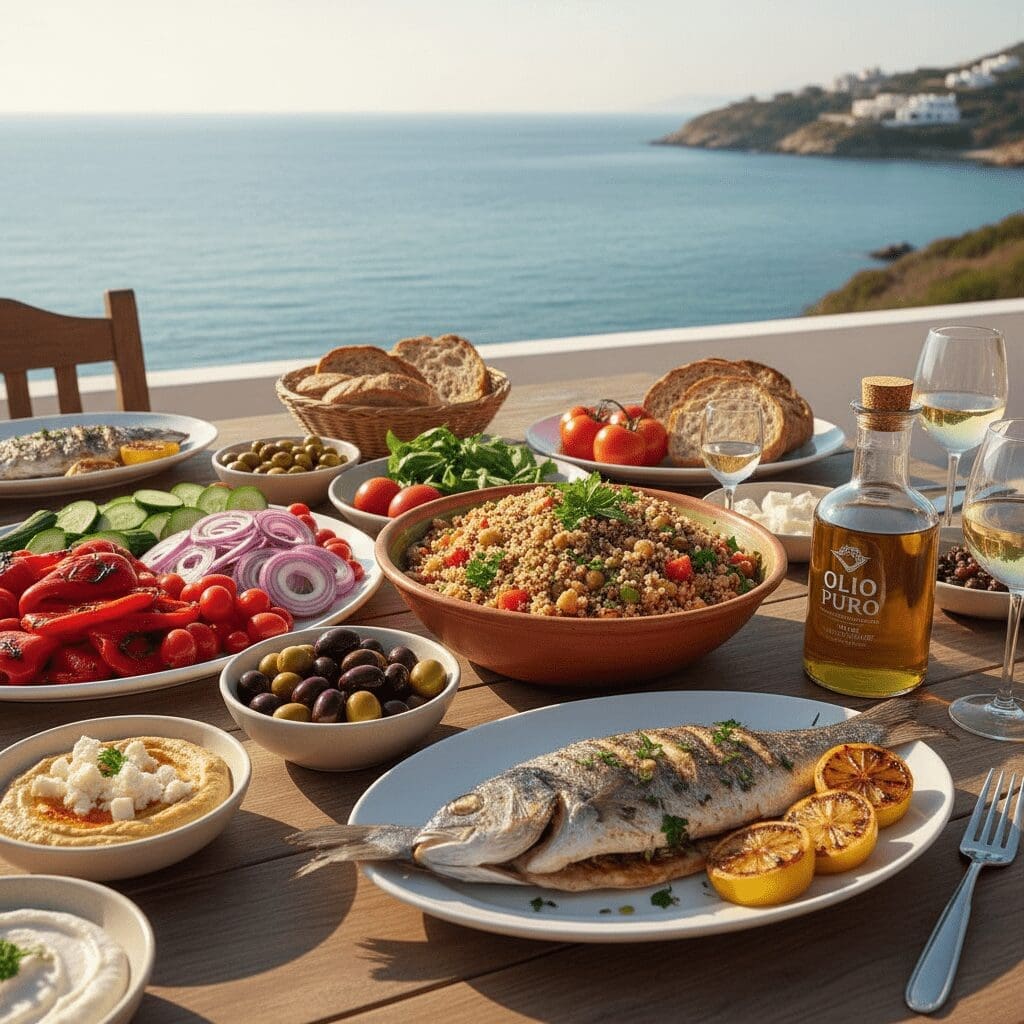
For decades, researchers have been captivated by the remarkable health and longevity of people living in countries bordering the Mediterranean Sea. The secret, it turns out, isn’t a secret at all, but a lifestyle rooted in a delicious, plant-forward way of eating known as the Mediterranean diet.
This isn’t a restrictive, short-term plan; it’s a sustainable approach to eating that emphasizes whole foods, healthy fats, and shared meals. In this guide, we’ll dive deep into the principles, benefits, and practical steps to adopting this heart-healthy lifestyle.
Understanding the Core Principles of the Mediterranean Diet
At its heart, the Mediterranean diet is more of an eating pattern than a strict diet. It’s inspired by the traditional cuisines of Greece, Italy, and Spain.
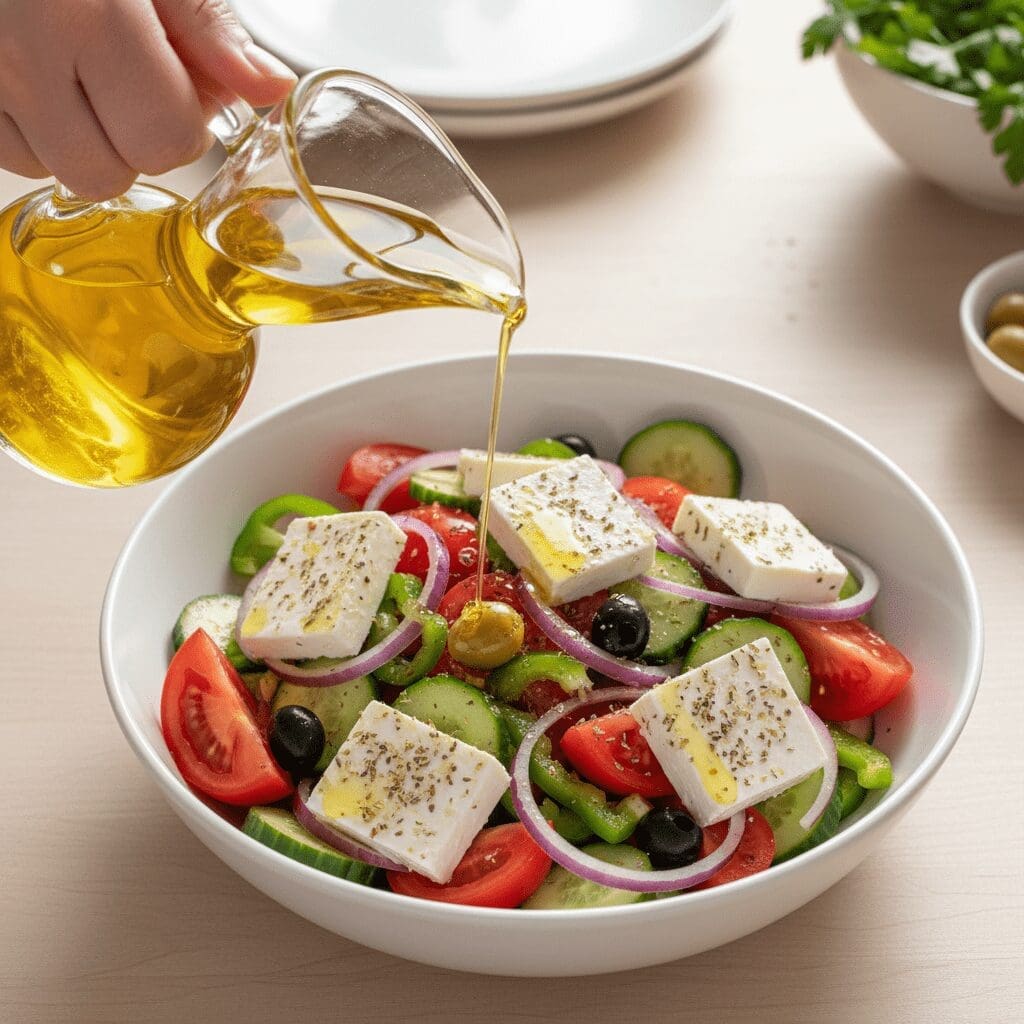
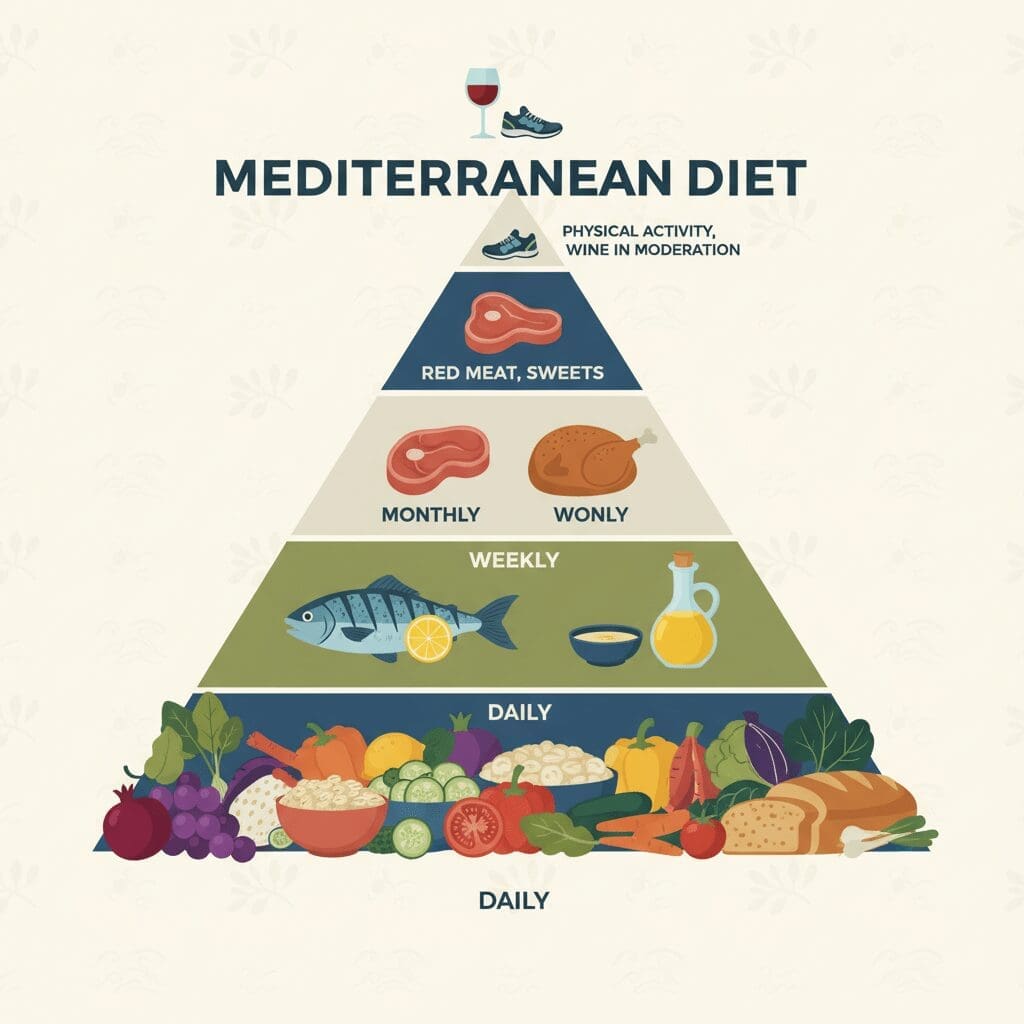
The foundation is built upon plant-based foods: an abundance of fruits, vegetables, whole grains, legumes, and nuts. Olive oil is the primary source of added fat, replacing butter and other saturated fats.
Fish and seafood are consumed regularly, at least twice a week, while poultry, eggs, and dairy are eaten in moderate portions. Red meat and sweets are reserved for special occasions.
It also emphasizes the social aspect of eating—sharing meals with friends and family and engaging in regular physical activity.
Science-Backed Health Benefits: More Than Just Heart Health
The acclaim for the Mediterranean diet is overwhelmingly supported by scientific research. According to the Mayo Clinic, its most well-known benefit is promoting cardiovascular health by lowering blood pressure, reducing ‘bad’ LDL cholesterol, and decreasing the risk of heart disease and stroke.
But the advantages don’t stop there. Major studies, including research published in The New England Journal of Medicine, have linked this eating pattern to a lower risk of type 2 diabetes, improved brain function, and protection against certain types of cancer.
The diet’s high antioxidant and anti-inflammatory properties, derived from plant foods and olive oil, are believed to be the primary drivers behind these extensive health benefits.
Practical Steps to Adopting the Mediterranean Lifestyle

Transitioning to a Mediterranean diet is about making gradual, sustainable changes. For those looking for a comprehensive starting point, our beginner’s guide to shifting your diet offers many overlapping principles. Start by swapping butter for extra virgin olive oil in your cooking.
Make one meal a day entirely plant-based, like a lentil soup or a large salad. Aim to eat fish, like salmon or sardines, twice a week.
Snack on nuts and fruits instead of processed snacks. Build your meals around vegetables, legumes, and whole grains, using meat as a side rather than the centerpiece. Creative recipes like crispy BBQ cauliflower wings can make vegetable-focused dishes exciting.
Finally, don’t forget the lifestyle component: stay active, hydrate with plenty of water, and whenever possible, enjoy your meals with others.
Conclusion
The Mediterranean diet offers a powerful, delicious, and sustainable path to better health and longevity. By focusing on whole, nutrient-dense foods and embracing a lifestyle of activity and social connection, it provides a holistic blueprint for well-being.
It’s not about deprivation but about celebration—of fresh flavors, good company, and a healthier you. Making small changes today can lead to significant health rewards for years to come.