
The Ultimate One-Bowl Vegan Red Velvet Cupcakes: Soft, Fluffy, and Fail-Proof
There is a specific kind of magic in a perfect red velvet cupcake. It’s not just a chocolate cupcake dyed red, nor is it a simple vanilla cake with a hint of cocoa. It is a unique culinary hybrid—a tangy, buttery, and incredibly soft crumb that feels like velvet against the palate.
Many of us fell in love with this classic at famous bakeries, but finding a plant-based version that replicates that signature ‘melt-in-your-mouth’ fluffiness can be a challenge. While indulging in treats is a joy, many bakers find that understanding the transformative power of a balanced diet helps them appreciate the science of high-quality ingredients.
Most vegan versions end up too dense, or the frosting lacks that iconic cream cheese tang. This recipe changes that. By utilizing a one-bowl method and leveraging the science of vegan chemistry, we can achieve bakery-quality results in less than 40 minutes.
The Fascinating Science Behind the Red Velvet Texture

To understand red velvet, we have to look at food history and chemistry. Traditionally, red velvet wasn’t made with a bottle of food coloring. It was the result of a chemical reaction between natural cocoa powder, buttermilk, and vinegar. Natural cocoa contains anthocyanins, which are pH-sensitive antioxidants that turn red in the presence of acid.
According to culinary research by the Exploratorium, this reaction is fundamental to traditional cake structures. In modern baking, we use Dutch-processed cocoa which is neutralized, meaning we rely on food coloring for that vibrant hue, but the acid remains essential for texture. The vinegar and buttermilk react with the baking powder to create carbon dioxide bubbles, which are responsible for the ‘velvet’ crumb.
Mastering the Vegan Buttermilk: Why Soy Milk Wins

The foundation of any great vegan cake is the ‘buttermilk’ reaction. While you can use any plant milk, scientific insights from King Arthur Baking show that soy milk is the undisputed champion for this task due to its protein structure. Soy milk contains roughly 7-8 grams of protein per cup, which is similar to the nutritional profiles found in data from the USDA.
When you add an acid like distilled white vinegar, the proteins in the soy milk denature and coagulate, creating a thick, curdled texture. This curdling is exactly what we want—it indicates that the milk has become acidic enough to tenderize the gluten in your flour. For those interested in introducing textures to younger family members, these soft crumbs are excellent examples of nutritious first foods for plant-based weaning when prepared with reduced sugar.
The Architectural Secrets of a Fluffy Crumb

One of the biggest complaints in vegan baking is that cupcakes can turn out ‘muffin-like’—dense and heavy. To avoid this, we use a professional baker’s secret: a homemade cake flour substitute. By replacing a portion of the all-purpose flour with cornstarch, we effectively lower the protein content of the flour mixture, leading to less gluten development.
Additionally, we use applesauce as a binder. The pectin in the applesauce acts as an emulsifier, holding the oil and water-based ingredients together without the need for eggs, as suggested in PETA’s vegan baking resources. This ensures the cupcake stays moist for days.
The One-Bowl Masterclass: Step-by-Step Execution

- Prepare the Reaction: Start by whisking your soy milk and vinegar. Let it sit for at least 5-7 minutes. If it doesn’t look like it’s curdling, give it another minute—patience here ensures a better rise.
- The One-Bowl Whisk: In a large bowl, sift together your dry ingredients. Sifting is crucial for red velvet because cocoa powder is notorious for forming stubborn clumps.
- Emulsify the Wet: Add your oil, applesauce, vanilla, and food coloring directly to the dry mix, followed by your buttermilk. Gel-based vegan dyes provide the most vibrancy without thinning the batter.
- The ‘No-Overmix’ Rule: Stir until just combined. Overmixing activates the gluten, which will turn your velvet cupcakes into rubbery pucks. A few small lumps are better than a smooth, over-worked batter.
- Bake and Breathe: Fill your liners 3/4 full. This allows enough room for the carbon dioxide reaction to push the batter upward into a perfect dome.
Tangy Frosting Innovation: No Vegan Cheese Required

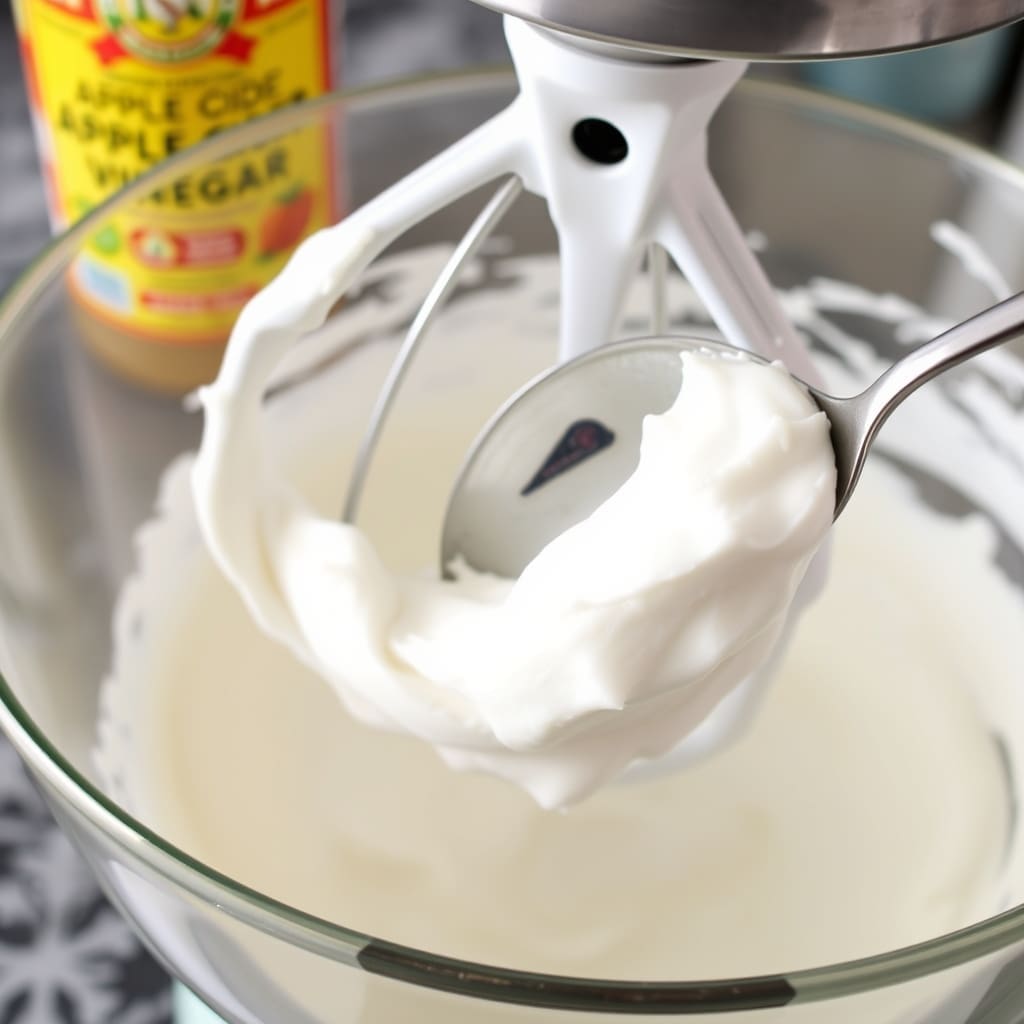
Traditional cream cheese frosting is a staple for red velvet, but store-bought vegan cream cheeses can be hit-or-miss. The solution is a ‘Mock’ Cream Cheese Frosting. By adding a small amount of Apple Cider Vinegar (ACV) to a high-quality vegan buttercream, you introduce that specific lactic-acid-style tang without the stability issues of vegan cheese.
The Ratio: For every 3 cups of powdered sugar and 1/2 cup of vegan butter, 1 teaspoon of ACV is the magic number. This creates a frosting that is stable enough for piping high swirls. For the best results, use a vegan butter stick rather than a tub spread, as sticks have a lower water content.
Expert Troubleshooting and FAQs

Even the best bakers encounter hiccups. Here is how to fix the most common red velvet issues:
- Why did my cupcakes sink in the middle? This usually happens if the oven door was opened too early or if the baking powder is expired. To test it, drop a teaspoon into hot water; if it bubbles vigorously, it’s good.
- My cupcakes are brown, not red. This is often due to using too little coloring or natural beet juice which can turn brown when heated. Use high-quality vegan gel dye or stabilized beet powders.
- The frosting is too runny. Vegan butter melts at a lower temperature than dairy butter. Chill your bowl and whisk attachment for 15 minutes before starting.
Storage and Freezing: Maintaining the Velvet Texture

Red velvet cupcakes are surprisingly resilient if stored correctly:
- Room Temperature: If unfrosted, they stay fresh in an airtight container for 2 days. Once frosted, they are best eaten within 24 hours if kept on the counter.
- Refrigeration: Because these use oil instead of butter, they don’t get ‘hard’ in the fridge. They can be refrigerated for up to 5 days.
- Freezing: These cupcakes freeze beautifully. Place unfrosted cupcakes on a baking sheet to flash-freeze for one hour, then transfer to a freezer bag for up to 3 months.
Conclusion
Mastering the vegan red velvet cupcake is a journey into the science of plant-based chemistry. By understanding how acid, protein, and leavening agents interact, you move beyond following a recipe to becoming a confident baker. If you are looking for a savory contrast to these sweet treats, try serving them alongside crispy BBQ cauliflower wings for the ultimate party spread.
This one-bowl method proves that you don’t need expensive equipment to create world-class desserts. Grab your whisk and let’s bake something beautiful.