
Homemade Vegan Mozzarella: Master the Melty, Stretchy, Shreddable & Sliceable Dairy-Free Dream (Nut-Free Option Included!)
For many transitioning to a plant-based diet, one of the biggest culinary challenges isn’t giving up meat, but finding a dairy-free cheese that truly satisfies. Especially mozzarella – that iconic cheese known for its incredible melt, satisfying stretch, and ability to be shredded over pizza or sliced for sandwiches.
Store-bought vegan mozzarella often falls short, either lacking in flavor, failing to melt properly, or offering a rubbery texture that just doesn’t cut it. But what if you could make a homemade vegan mozzarella that not only rivals the real thing but is also incredibly versatile, quick to prepare, and adaptable to various dietary needs?
This recipe is your answer. After extensive testing, we’ve perfected a dairy-free mozzarella that shreds effortlessly for your favorite pizzas, slices beautifully for elegant caprese salads or hearty sandwiches, and melts into a gooey, stretchy dream.
Whether you’re navigating a nut allergy, aiming for an oil-free lifestyle, or simply seeking the ultimate vegan cheese experience, you’re in the right place. Get ready to elevate your plant-based cooking with a mozzarella that’s truly a game-changer!
Why This Vegan Mozzarella is a Culinary Game Changer
Forget everything you thought you knew about homemade vegan cheese. This isn’t just another recipe; it’s a meticulously crafted solution to the common frustrations of plant-based eating.
Our vegan mozzarella stands out from the crowd for several compelling reasons:
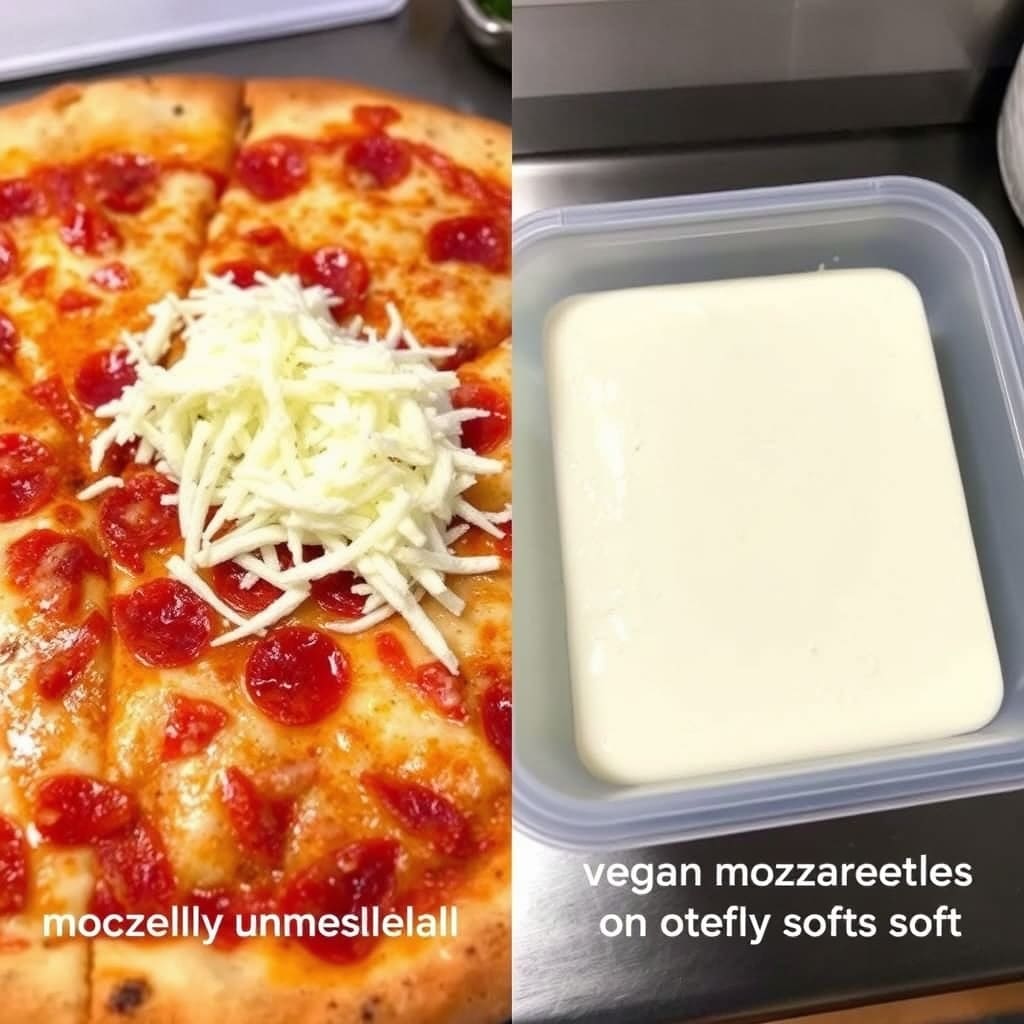
- Unparalleled Melt & Stretch: Unlike many store-bought varieties that merely soften, this mozzarella achieves that desirable gooey, stretchy texture when heated, making it perfect for pizzas, quesadillas, and grilled cheese.
- Perfectly Shreddable & Sliceable: No more sticky messes! This cheese firms up beautifully, allowing you to easily shred it for toppings or slice it for cold applications, just like traditional mozzarella.
- Lightning-Fast Preparation: From start to finish, the active prep time is just minutes. While it requires chilling, the hands-on effort is minimal, meaning you can enjoy fresh vegan mozzarella in just an hour or two.
- Incredibly Versatile: Whether you need a topping for a savory pizza, a filling for a melty quesadilla, a slice for a sandwich, or even the base for homemade mozzarella sticks, this recipe delivers.
- Dietary Inclusive: Naturally gluten-free and dairy-free, this recipe also comes with reliable nut-free and oil-free options, ensuring almost everyone can enjoy its deliciousness.
- Satisfies Cravings: With its authentic texture and cheesy flavor profile, this mozzarella will put an end to those dairy-cheese cravings, proving that plant-based can be just as satisfying, if not more so.
Safety First: Essential Precautions for Hot Liquids & Blenders
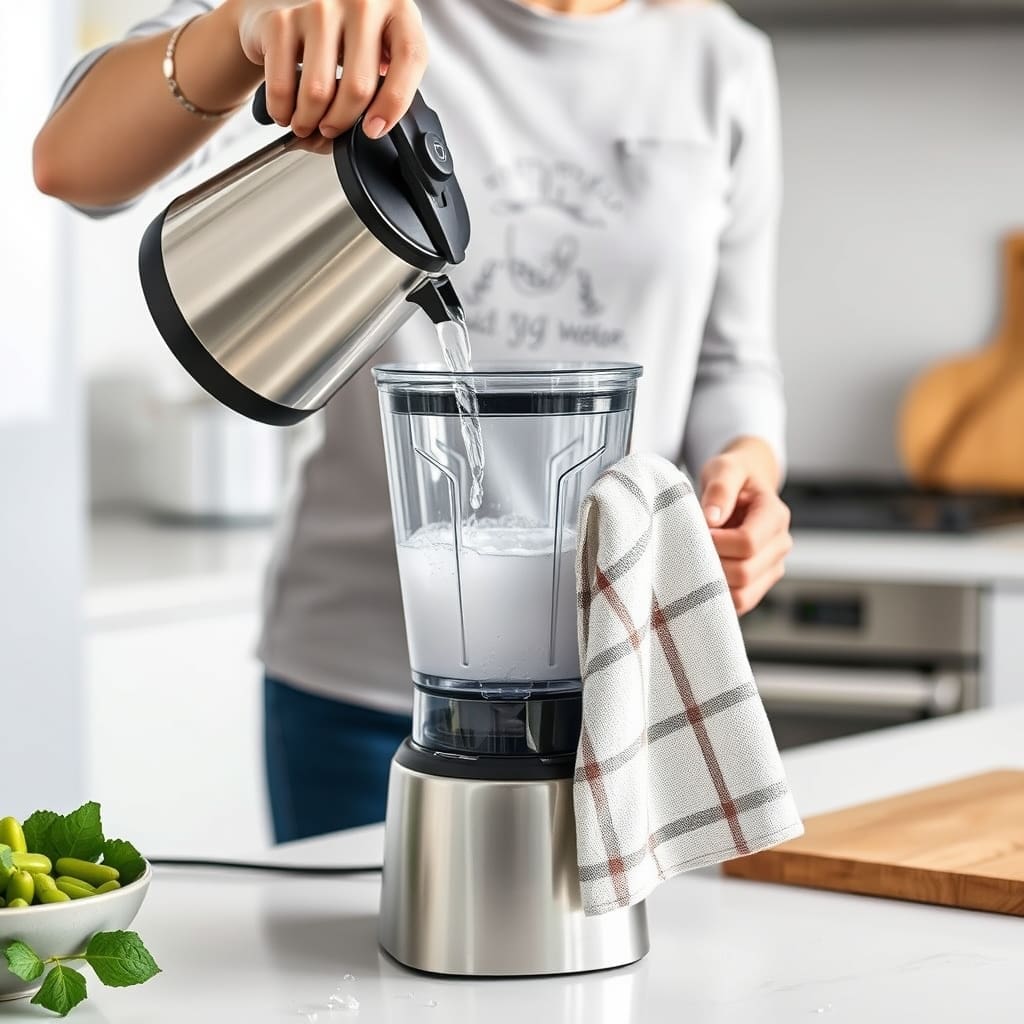
When working with boiling hot liquids and high-powered blenders, safety is paramount. The critical step of adding boiling water to the blender requires your full attention and adherence to these safety guidelines to prevent burns and accidents:
- Use a Heat-Proof Blender: Ensure your blender jar is made of heat-resistant glass or high-quality, heat-proof plastic. Many standard blenders are not designed for very hot liquids, which can cause cracking or warping.
- Never Overfill: Only fill your blender to the halfway mark or less when blending hot liquids. Hot liquids expand and create pressure, which can cause the lid to blow off or the contents to erupt.
- Secure the Lid Tightly: Always place the lid securely on the blender before blending. For extra protection, especially if your blender has a loose-fitting lid, you can place a folded kitchen towel over the lid while blending.
- Start on Low Speed: Begin blending on the lowest speed setting and gradually increase it. This helps to slowly release pressure and prevent splashes.
- Keep Your Distance: Stand back from the blender while it’s operating with hot liquids. Use a towel for extra protection and never peek directly into the blender while blending.
- Move Quickly: Once the boiling water is added, the gelling process begins almost immediately. You must blend and pour the mixture quickly to prevent it from setting inside the blender jar, which can be difficult to clean and may affect the final texture of your cheese.
- Supervise Children and Pets: Ensure children and pets are not in the kitchen during this critical step to avoid any accidental contact with hot liquids or equipment.
Decoding the Ingredients: What Makes it Melt & Stretch
Each ingredient in this recipe plays a vital role in achieving that perfect mozzarella texture and flavor. Understanding their function will not only help you troubleshoot but also empower you to experiment with confidence.
Raw Cashews OR Silken Tofu: The Creamy Foundation
- Raw Cashews: When soaked and blended, cashews create an incredibly smooth, rich, and creamy base, lending a depth of flavor and fattiness that mimics traditional dairy. For the best results, soaking them allows for easier blending and a silkier final texture.
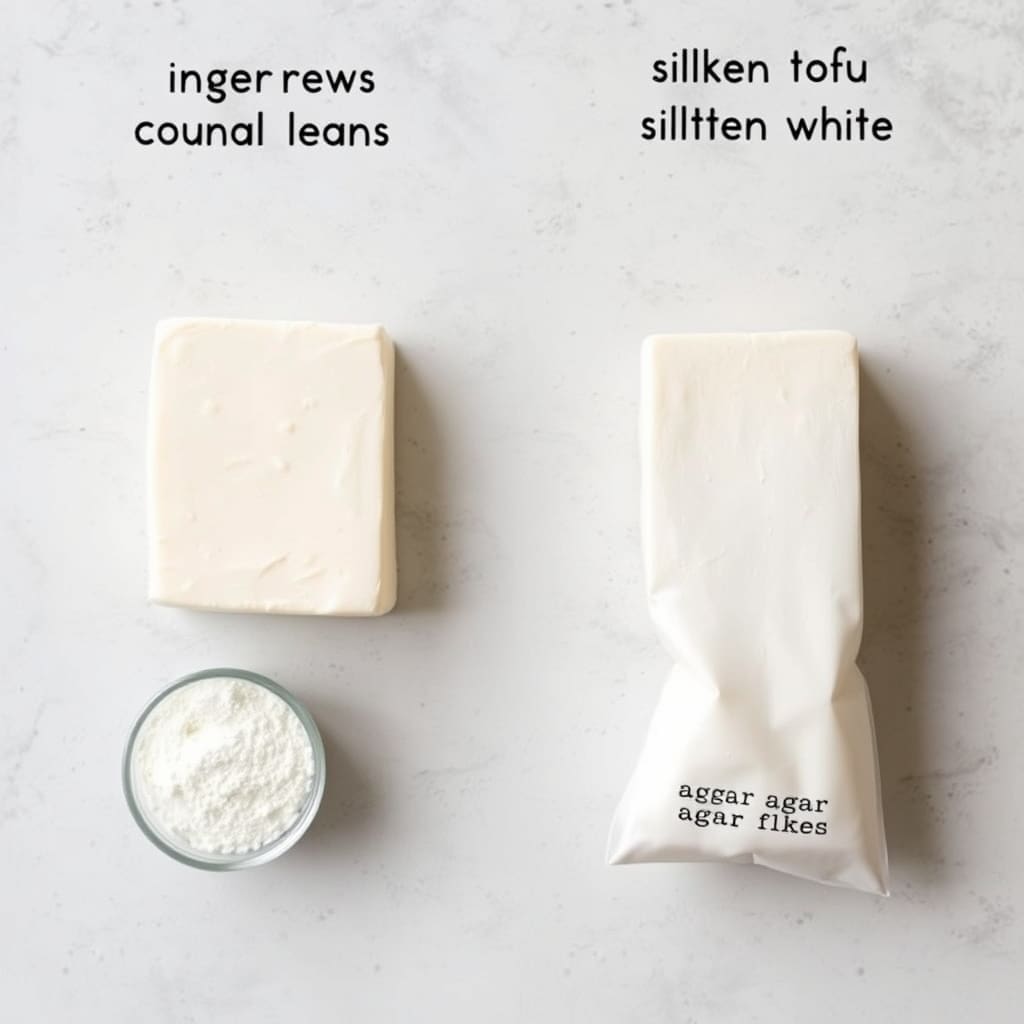
- Silken Tofu: For a nut-free alternative, silken tofu is an excellent choice. It provides a smooth, neutral base with a lighter texture than cashews but still performs beautifully. It’s also a fantastic option if you don’t have a high-powered blender, as it blends easily.
Tapioca Starch (Tapioca Flour): The Stretchy Secret
Tapioca starch is the magic behind the mozzarella’s signature stretch. Derived from the cassava root, this starch becomes incredibly elastic when heated, providing that satisfying pull and chewiness we love in melted cheese. It’s essential for achieving the right texture.
Kappa Carrageenan: The Magical Gelling Agent
Kappa carrageenan, a natural extract from red seaweed, is the star ingredient that allows this cheese to firm up, be shreddable, and yet still melt and re-solidify beautifully. It creates a firm, elastic gel that mimics the structure of dairy cheese.
While there has been some discussion around carrageenan, it’s important to distinguish between “food-grade” (undegraded) carrageenan, which is widely used and approved as a food additive, and “degraded carrageenan” (poligeenan), which is not approved for food use. Reputable food-grade kappa carrageenan, used in small amounts, is generally considered safe by major food safety authorities for consumption, including the World Health Organization (WHO) Guidelines for Food Additives and the Food and Drug Administration (FDA) Code of Federal Regulations. We encourage individuals with specific health concerns to consult with a healthcare professional and conduct their own research on dietary guidelines and health.
Agar Agar Alternative: If you prefer not to use carrageenan, agar agar powder (also derived from seaweed) can be used. However, it will result in a firmer, more gelatinous cheese that melts less dramatically, offering a different but still delicious texture.
Nutritional Yeast OR Mellow White Miso Paste: The Umami Punch
- Nutritional Yeast: This inactive yeast imparts a distinct savory, cheesy, and slightly nutty flavor, crucial for a realistic vegan cheese profile. If you’re new to it, start with the recommended amount.
- Mellow White Miso Paste: For an alternative umami boost, a mellow white miso paste adds a fermented depth and savory richness, enhancing the overall cheesy flavor without relying on nutritional yeast.
Salt: The Flavor Enhancer
Salt is not just for taste; it balances the flavors and brings out the cheesy notes. Adjust to your preference.
Refined Coconut Oil: Richness & Melt Factor
Refined coconut oil is key for two reasons: it helps the cheese firm up properly in the refrigerator and contributes to a rich mouthfeel and superior melt when heated. Refined is crucial here, as unrefined (virgin) coconut oil will impart a strong coconut flavor. For an oil-free option, the cheese will still work but will be less rich and may not melt as readily.
Lemon Juice & Apple Cider Vinegar: Tangy Brightness
These acidic ingredients are essential for replicating the tangy complexity found in dairy cheeses. They brighten the flavor profile and prevent the cheese from tasting flat. More lemon juice can be used if apple cider vinegar is unavailable.
Boiling Hot Water: The Activator
Boiling hot water is not just for blending; it’s what activates the kappa carrageenan, allowing it to gel and create the desired firm yet meltable texture. Its heat initiates the gelling process almost instantly, which is why speed is vital during blending.
Essential Tools for Your Vegan Mozzarella Journey
Having the right tools ready before you begin will make the process smooth and successful, especially given the rapid setting time of the mozzarella.
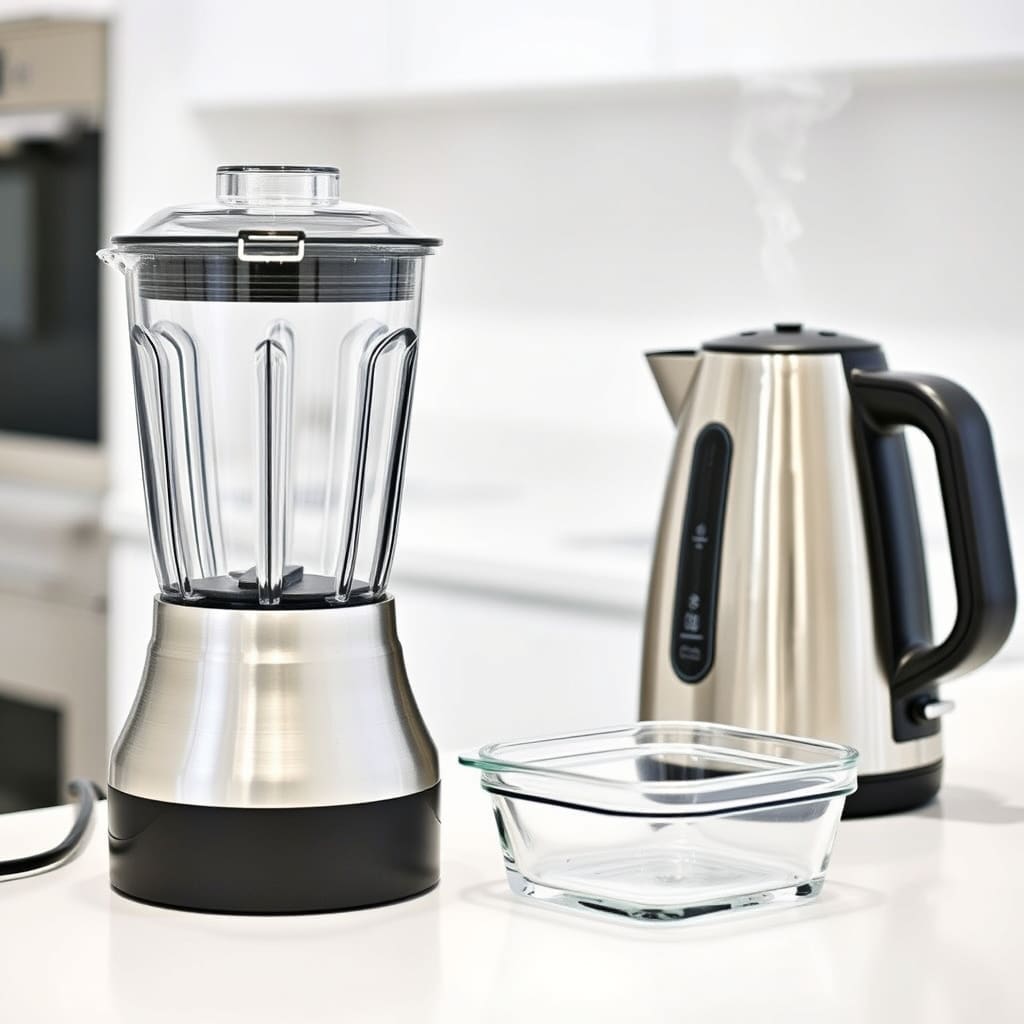
- High-Powered Blender: Essential for achieving a super smooth, lump-free cheese base, especially if using cashews. Brands like Vitamix or Blendtec are ideal. If using silken tofu, a regular blender will suffice.
- Electric Kettle: Speeds up the process of boiling water precisely when you need it, ensuring it’s piping hot for activating the gelling agents.
- Heat-Proof Container: A glass container (such as a loaf pan, small square dish, or round bowl) is perfect for shaping and chilling your mozzarella block. Ensure it’s clean and ready before you start blending.
- Rubber Spatula: For quickly scraping the blended mixture out of the blender and into the container before it sets.
- Kitchen Towel: For safety, to drape over the blender lid when blending hot liquids.
Step-by-Step: Crafting Your Perfect Vegan Mozzarella
Follow these steps precisely and efficiently to ensure your vegan mozzarella sets perfectly every time. Remember, speed is key once the boiling water is added!
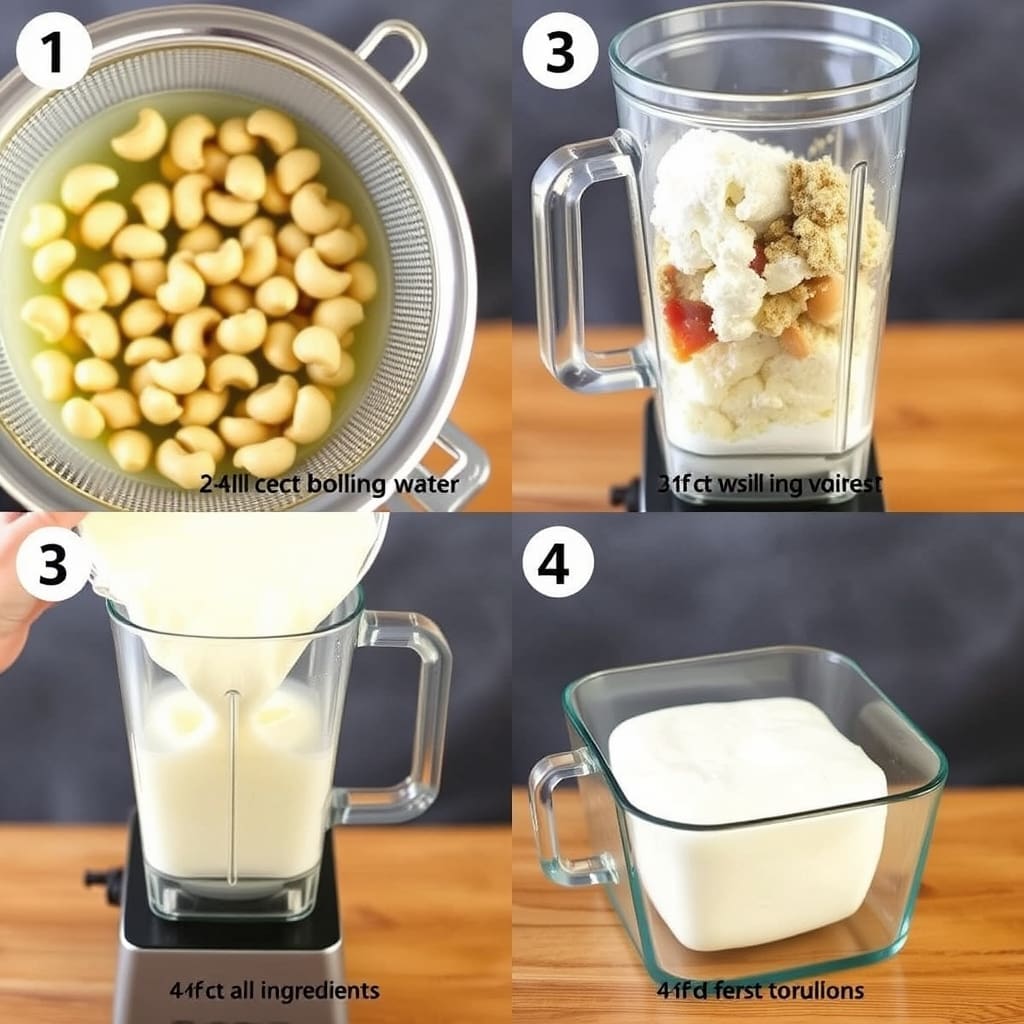
- Prep Your Cashews (If Using): If using cashews, bring about 2 cups of water to a boil (an electric kettle is perfect for this). Pour the hot water over your ½ cup of raw cashews and let them soak for exactly 5 minutes. Drain thoroughly and discard the soaking water. If using silken tofu, skip this step.
- Prepare Your Container: Get out a clean, heat-proof container (like a glass loaf pan or a 3-cup capacity glass dish). Have it ready and within arm’s reach, as you will need to pour the blended cheese immediately.
- Heat Your Water: Measure out 1 ½ cups of fresh water and bring it to a rolling boil. Keep it hot until you are ready to add it to the blender. Again, an electric kettle works wonderfully here.
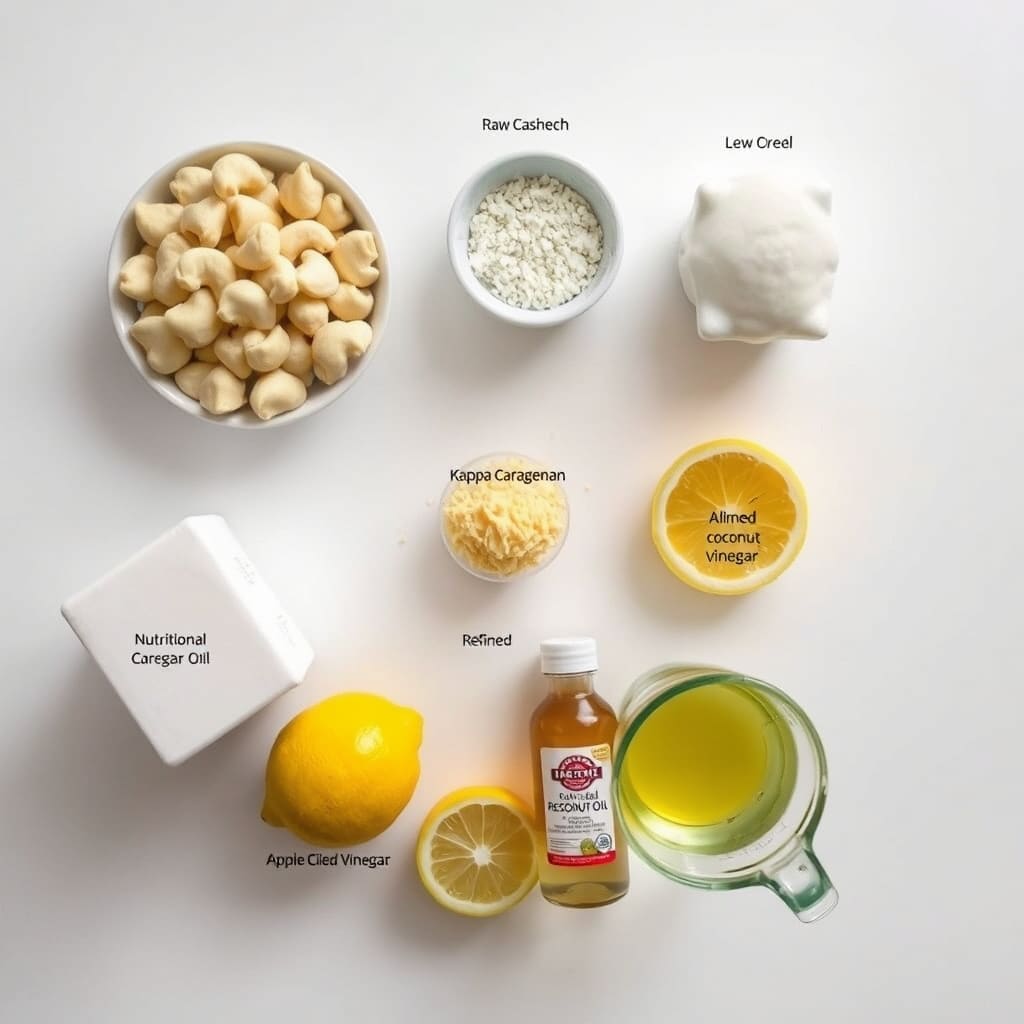
- Assemble Dry Ingredients (Except Boiling Water): To your high-powered blender (or regular blender if using tofu), add the soaked and drained cashews (or silken tofu), 4 tablespoons of tapioca starch, 1 ½ tablespoons of kappa carrageenan, 2 tablespoons of nutritional yeast (or miso), 1 ½ teaspoons of salt, 4 tablespoons of refined coconut oil, 1 tablespoon of lemon juice, and 1 tablespoon of apple cider vinegar (or more lemon juice).
- The Critical Blend (Act Fast & Safely!): Carefully pour the 1 ½ cups of boiling hot water into the blender. IMMEDIATELY secure the lid tightly. For extra protection, place a folded kitchen towel over the lid. Blend on high until completely smooth, about 1-2 minutes. Do not let the mixture sit, as it will start to set very quickly.
- Immediate Transfer: As soon as the mixture is smooth, pour it immediately into your prepared container. Do not scrape down the blender or pause; work swiftly as it will begin to firm up almost instantly.
- Chill to Perfection: Place the uncovered container into the refrigerator for 1-2 hours, or until the cheese is completely solid and cooled throughout. The cheese will become firm and ready for slicing or shredding.
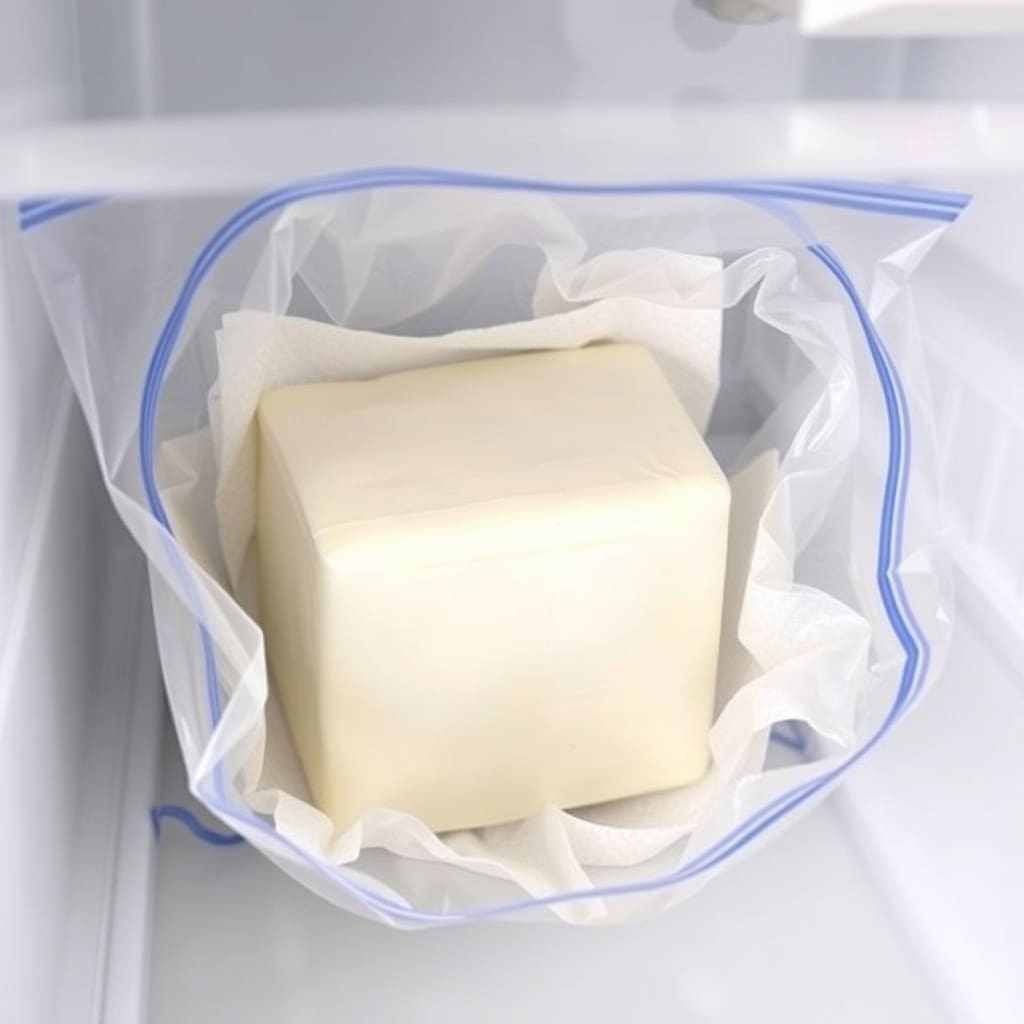
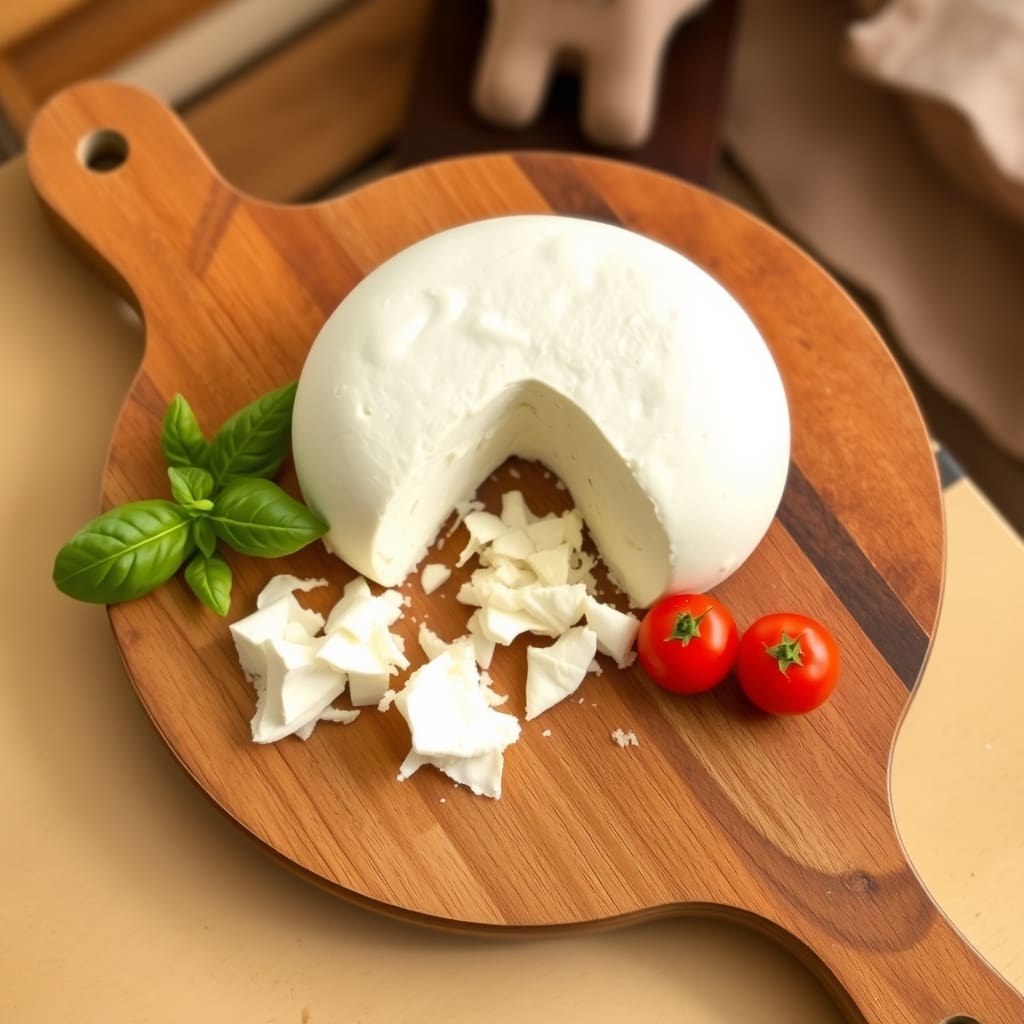
- Ready to Enjoy! Once firm, pop the cheese out of its container. You can slice or shred it right away. For a drier, firmer cheese that’s easier to shred, wrap it in paper towels and place it in a large ziplock bag or airtight container for a few more hours or overnight in the fridge. This step helps absorb excess moisture.
Tailoring Your Mozzarella: Nut-Free, Oil-Free, and Agar Agar Options
This recipe is designed with flexibility in mind, allowing you to customize it to fit various dietary needs or preferences without compromising on quality.
Nut-Free with Silken Tofu
If you have a nut allergy or simply prefer a lighter base, silken tofu is an excellent 1:1 substitute for raw cashews. Ensure you use silken tofu, as firmer varieties will not yield the same creamy consistency. The process remains the same, and the result is a beautifully smooth, shreddable, and meltable mozzarella that’s indistinguishable to many from the cashew version. This also makes the recipe more accessible if you don’t own a high-powered blender.
Oil-Free Adaptation
While refined coconut oil contributes to the richness and superior melt of this mozzarella, it can be omitted if you are following an oil-free diet. The cheese will still firm up and be shreddable, but it may have a slightly less rich mouthfeel and might not achieve the same level of stretch and melt when heated. To encourage better melting in oil-free versions, ensure your oven or cooking surface is at a higher temperature, and consider a light spray of water or a very thin layer of vegetable broth over the shredded cheese before baking.
Agar Agar Alternative for Carrageenan
For those who prefer to avoid kappa carrageenan, agar agar powder is a viable alternative, though it will result in a slightly different texture profile. Agar agar creates a firmer, more gel-like consistency that is excellent for slicing and shredding but will typically melt less dramatically and may not achieve the same stretch as carrageenan-based cheese.
To Use Agar Agar Powder:
- Use 3 tablespoons of agar agar powder (instead of 1 ½ tablespoons of kappa carrageenan).
- Place all ingredients except the agar agar and water into the blender and set aside.
- In a small saucepan, whisk together the 3 tablespoons of agar agar powder with 1 ½ cups of cold water.
- Bring this mixture to a boil over medium-high heat, whisking constantly for 1-2 minutes until it thickens and forms a gel. It will be quite thick.
- Immediately add this hot agar mixture to the blender with the other ingredients, secure the lid, and blend on high until completely smooth. Proceed with pouring into the container and chilling as directed.
To Use Agar Agar Flakes: Increase the amount to 9 tablespoons of agar agar flakes and follow the same stovetop method as for the powder, ensuring the flakes are fully dissolved and the mixture is thick.
Troubleshooting Your Vegan Mozzarella: Common Questions Answered
Even with the best instructions, sometimes things don’t go exactly as planned. Here are solutions to common issues you might encounter while making or using your homemade vegan mozzarella.
Why Isn’t My Cheese Melting Properly?
This is a frequent concern with vegan cheeses. Here are some solutions:
- Increase Heat: Vegan mozzarella often requires higher heat than dairy cheese to melt. For pizza, try baking at 425-450°F (220-232°C). For grilled cheese, use a medium-high flame.
- Mind Your Toppings: Too many wet toppings on a pizza can prevent the cheese from reaching sufficient heat. Try placing your shredded cheese directly on the sauce, then add other toppings on top, or add the cheese for the last few minutes of baking.
- Oil Content: If you opted for the oil-free version, expect a less dramatic melt. A very light spray of oil or a few drops of water over the shredded cheese before baking can sometimes encourage better softening.
- Agar Agar vs. Carrageenan: Cheese made with agar agar will always be firmer and less prone to a gooey melt compared to carrageenan-based cheese.
Why Isn’t My Cheese Firming Up?
- Insufficient Gelling Agent: Double-check your measurements for kappa carrageenan or agar agar. Even a slight variation can affect firmness.
- Not Hot Enough Water: The boiling hot water is crucial for activating the gelling agents. Ensure it’s at a rolling boil when added to the blender.
- Not Blended Quickly Enough: The mixture starts setting immediately. If it sat in the blender for too long before pouring, it might set unevenly or not firm up properly.
- Chilling Time: Ensure the cheese is chilled for the full 1-2 hours (or longer for a very firm block) and uncovered to allow proper cooling and setting.
My Blender Can’t Handle Boiling Liquids – What Can I Do?
Many blenders indeed caution against hot liquids. Here are two workarounds:
- Immersion Blender Method: Blend all ingredients (including cold water) in a heat-proof bowl. Then, transfer the mixture to a saucepan and heat it gently over medium heat, whisking constantly, until it thickens significantly and becomes glossy. Immediately pour into your container.
- Stovetop Cooking Method (as per agar agar): As detailed in the agar agar section, you can blend all ingredients with room temperature water, then transfer the blended liquid to a pot and cook while stirring until it firms up. This works for both carrageenan and agar agar.
Can I Adjust the Flavor?
Absolutely! This is a great base:
- More Umami: Add a bit more nutritional yeast or miso paste for a stronger “cheesy” flavor.
- Tang: A tiny pinch of lactic acid powder (if you can find it) or an extra squeeze of lemon juice can enhance the tangy notes.
- Smoky Notes: A drop or two of liquid smoke can add a delicious, savory depth.
Frequently Asked Questions (FAQ)
Here are some of the most common questions we receive about this vegan mozzarella recipe, designed to help you succeed! Q: Can I use a different type of oil instead of refined coconut oil?
A: While refined coconut oil is ideal for its firming properties and neutral flavor, other solid-at-room-temperature fats like refined cocoa butter could work, though they haven’t been extensively tested. Liquid oils like olive or avocado oil will likely result in a softer cheese that doesn’t firm up as well.
Q: How do I make this cheese orange like cheddar? A: You can certainly experiment with coloring!
A tiny pinch of turmeric powder added with the other ingredients in the blender can give it an orange hue. You can also increase the nutritional yeast for a deeper yellow color. Be mindful that too much turmeric can impart a distinct flavor. Q: What exactly is a “serving” for this recipe?
A: The recipe yields approximately 3 cups of finished cheese. A typical serving for shredding on pizza or slicing for a sandwich might be around 1/4 to 1/2 cup, but this can vary greatly depending on personal use. The nutrition information provided is an estimate per general serving size. Q: Can I make this ahead of time for a party?
A: Absolutely! This vegan mozzarella is excellent for meal prep and entertaining. It can be made up to a week in advance and stored in the refrigerator, ready to be sliced or shredded as needed. Q: Is it possible to use sunflower seeds as a nut-free option?
A: While sunflower seeds offer a creamy base, they have not been tested in this specific recipe and might alter the flavor and texture significantly compared to silken tofu. Silken tofu is the most reliable nut-free alternative for this recipe.
Storing Your Homemade Vegan Mozzarella
Proper storage is essential to maintain the freshness and texture of your homemade vegan mozzarella. With a few simple steps, you can enjoy your delicious creation for days, or even months!
Refrigeration
Once set, your vegan mozzarella will stay fresh in the refrigerator for about 1 week. For the best texture, especially if you plan to shred it, we recommend the “drying out” trick:
- After a few hours of chilling, carefully remove the firm cheese block from its container. Wrap it snugly in a layer of paper towels. This helps to absorb any excess moisture, leading to a firmer, drier cheese that shreds even better.
- Place the paper towel-wrapped cheese into a large ziplock bag or an airtight container.
- Store in the coldest part of your refrigerator.
Freezing
Yes, you can freeze this vegan mozzarella! This is a fantastic option if you’ve made a large batch or won’t use it all within a week. It will maintain its quality in the freezer for up to 3 months.
- For best results, wrap the entire block (or portions of it) tightly in plastic wrap, then place it in a freezer-safe bag or container.
- Alternatively, you can shred the cheese first, then freeze it in a single layer on a baking sheet before transferring to a freezer bag. This prevents clumping.
- To use, simply thaw the frozen cheese in the refrigerator overnight. The texture might be slightly softer after thawing, but it will still perform beautifully in cooked applications.
Get Creative: Inspiring Ways to Enjoy Your Vegan Mozzarella
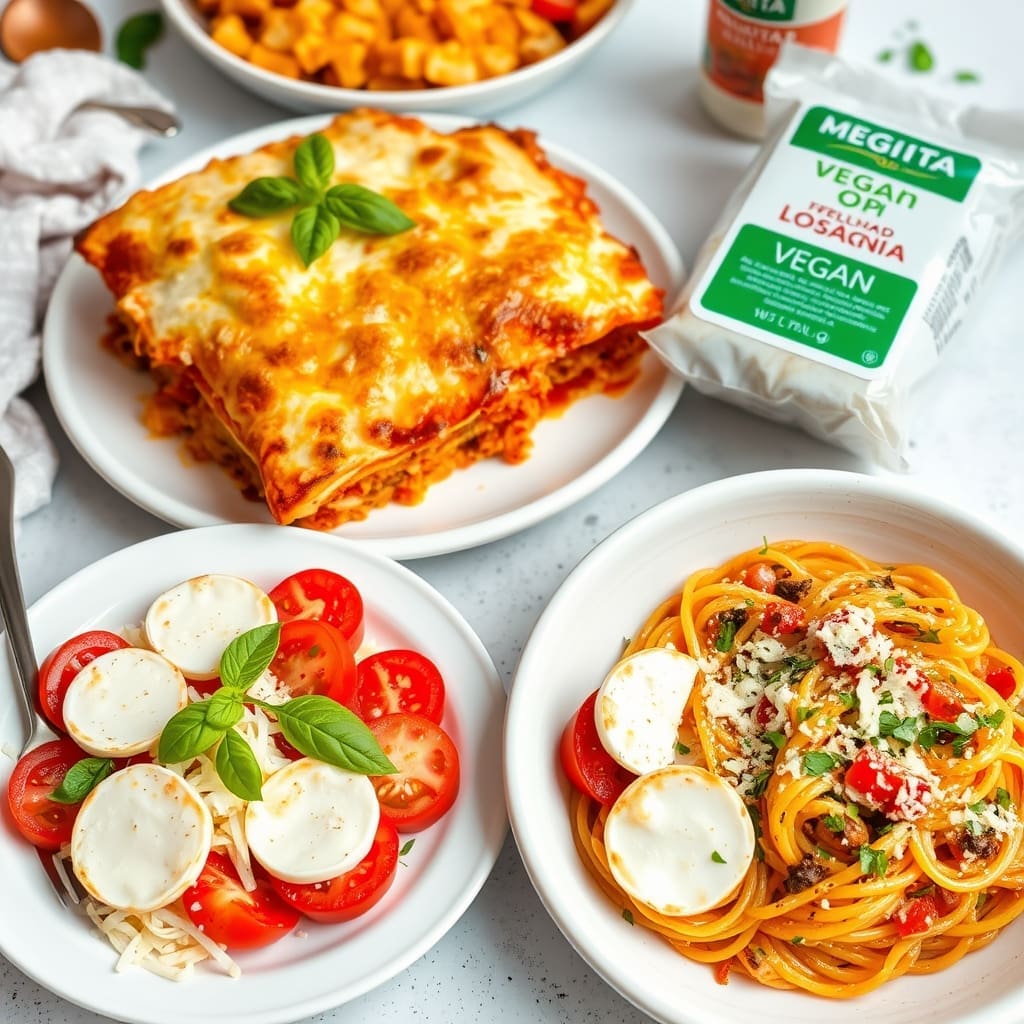
The beauty of this homemade vegan mozzarella lies in its incredible versatility. Once you’ve mastered the basic recipe, a world of delicious plant-based possibilities opens up. Here are some inspiring ways to incorporate your dairy-free delight into your meals:
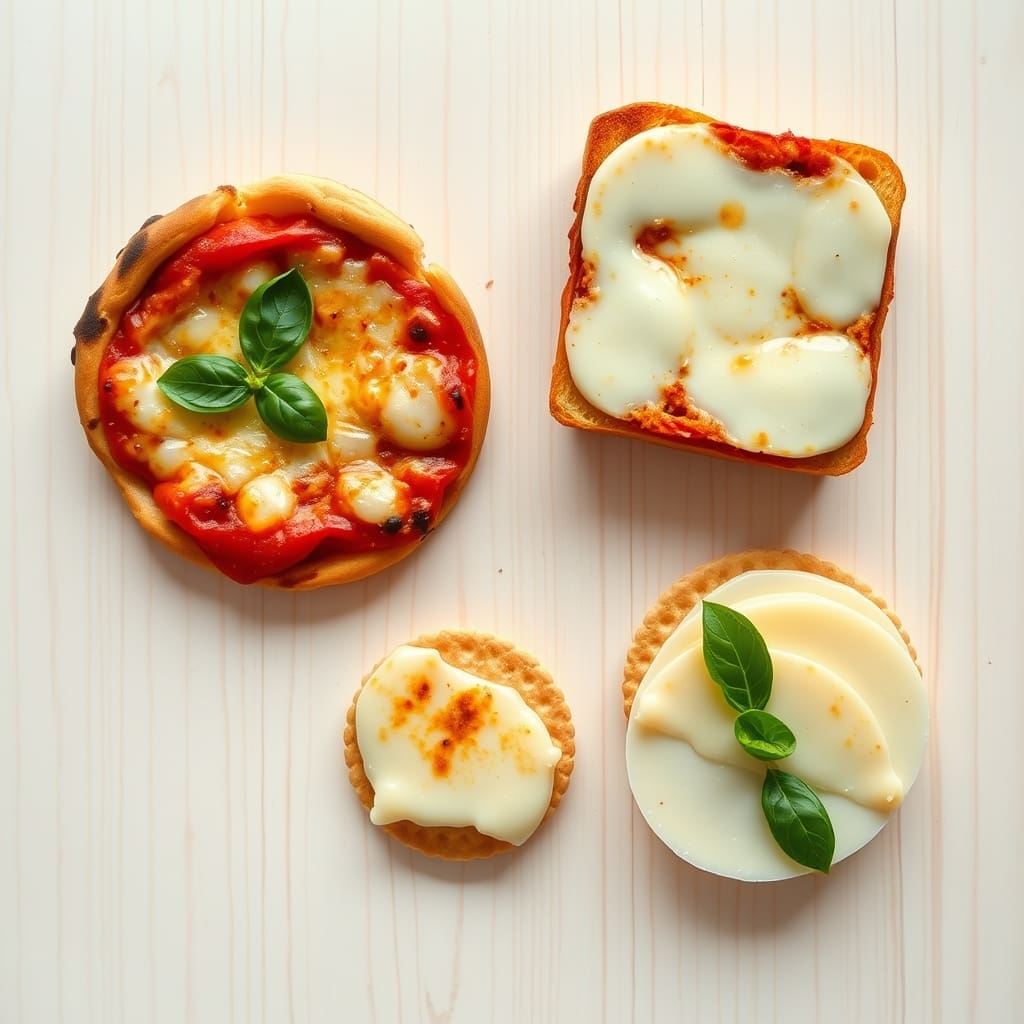
- Pizza Perfection: The most obvious, and for good reason! Shred it generously over your homemade or store-bought pizza crust for a bubbly, melty topping that will make you forget about dairy cheese.
- Gourmet Grilled Cheese: Slice it thinly and layer it between two slices of your favorite bread with a pat of vegan butter. Grill until golden and melty for a truly comforting sandwich.
- Cheesy Quesadillas & Enchiladas: Shred it into your quesadillas or sprinkle it over enchiladas before baking for a savory, gooey addition.
- Elevated Pasta Dishes: Stir shredded mozzarella into hot pasta dishes, vegan lasagna, or stuffed shells (like our delicious Vegan Pumpkin Stuffed Shells) for an extra layer of richness and flavor.
- Fresh Caprese Salad: For a classic, refreshing dish, slice the mozzarella and layer it with ripe tomatoes and fresh basil, drizzled with balsamic glaze. The firm texture of this mozzarella holds up beautifully.
- Homemade Mozzarella Sticks: While a dedicated recipe is coming soon, you can cut firm slices into stick shapes, bread them, and bake or air-fry for a nostalgic, crispy treat.
- Savory Topping: Melt it over baked potatoes, chili, or even a hearty bowl of tomato soup for a creamy, comforting finish.
- Simple Snacking: Enjoy cold slices with crackers, fruit, or olives for a quick and satisfying snack.
Don’t limit yourself! This versatile cheese is ready to shine in almost any recipe where you’d typically use dairy mozzarella. Let your culinary imagination run wild!
Conclusion
Crafting your own vegan mozzarella might seem daunting at first, but with this comprehensive guide, you now have all the tools and knowledge to create a truly exceptional dairy-free cheese at home. From its impressive melt and stretch to its shreddable and sliceable versatility, this recipe is designed to exceed your expectations.
Embrace the joy of making your own plant-based staples, confident in knowing exactly what goes into your food. This vegan mozzarella isn’t just a substitute; it’s a delicious, exciting culinary achievement that promises to transform your favorite dishes.
So, gather your ingredients, follow our steps, and get ready to indulge in the creamy, dreamy world of homemade vegan cheese!