
The Ultimate Vegan Chickpea Pot Pie with Flaky Cheddar Biscuits
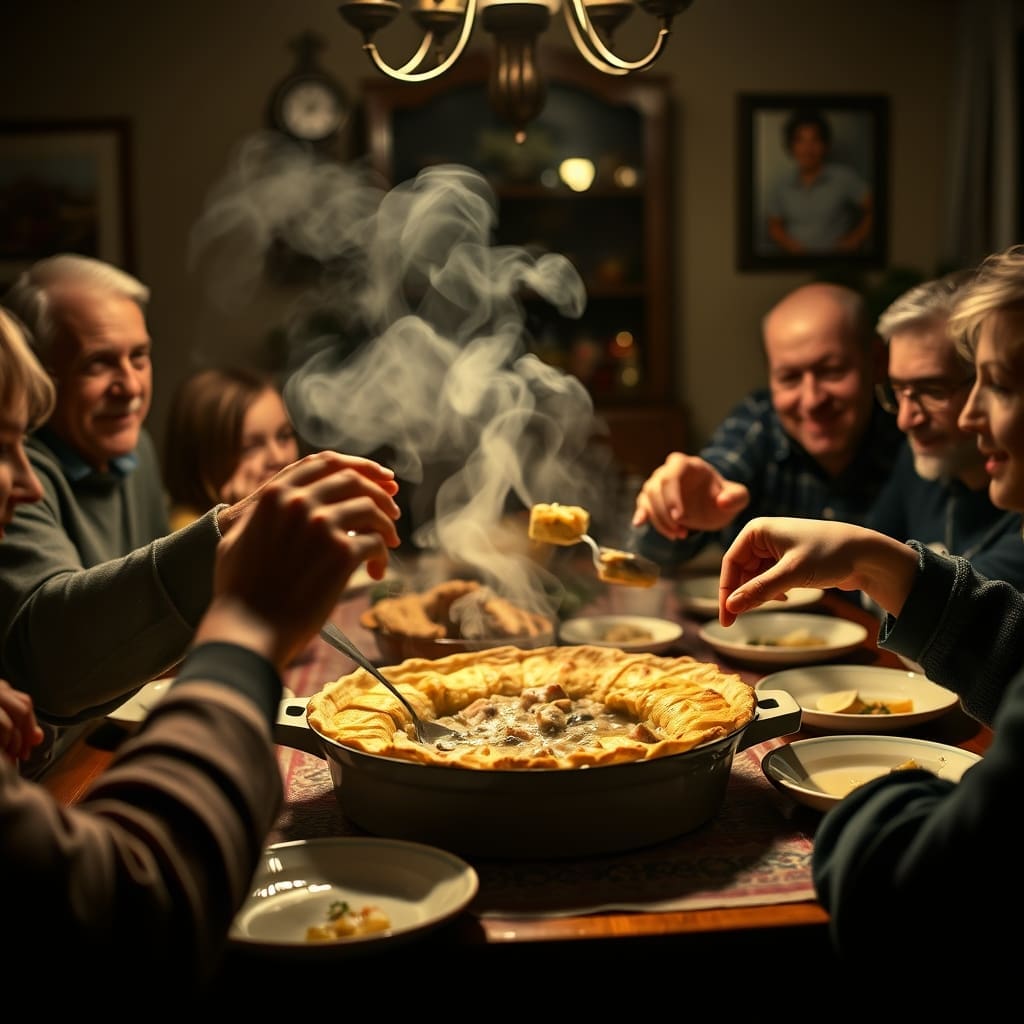
There is a unique kind of magic in a pot pie. It’s the ultimate culinary hug—a bubbling, creamy center tucked beneath a golden, protective layer.
But let’s be honest: traditional pie crust can be a finicky, time-consuming barrier to a weeknight dinner. That’s where the Biscuit Topped Chickpea Pot Pie changes the game.
By replacing a traditional pastry lid with drop-style vegan cheddar biscuits, we cut the labor in half while doubling down on texture. This dish isn’t just ‘good for being vegan’; it’s a high-protein, fiber-rich powerhouse that satisfies the deepest cravings for traditional comfort food and is essential for maintaining a balanced diet.
In this guide, we’ll dive into the culinary science of the perfect vegan roux, explore why chickpeas are a superior chicken substitute, and provide foolproof tips to ensure your filling is never watery and your biscuits are always sky-high.
The Anatomy of Comfort: Why This Recipe Works

What makes this recipe a staple in thousands of vegan kitchens? It comes down to the architecture of flavor and texture.
Unlike chicken, which can sometimes become dry or stringy in a pot pie, chickpeas maintain a ‘meaty’ bite that stands up to the rich, creamy sauce. According to research from the Harvard T.H. Chan School of Public Health, the fiber in chickpeas helps regulate blood sugar and promote satiety. The cheddar biscuit topping adds a savory, sharp profile that cuts through the earthiness of the vegetables.
While a traditional crust is mostly fat and flour, these biscuits use almond milk and vegan butter to create steam pockets, resulting in a light, airy crumb. This contrast between the velvet-smooth filling and the crisp, cheesy biscuit top is why this dish consistently wins over non-vegan diners.
Essential Ingredients for a Nutrient-Dense Filling

To achieve that classic ‘all-day-simmered’ flavor in just an hour, you need the right components.
- The Protein: 15 ounces of chickpeas (Garbanzo beans). These are rich in manganese and folate, supporting bone health and cell repair.
- The Aromatics: Yellow onion and fresh minced garlic. Do not skip the fresh garlic; it provides a depth of flavor that powder cannot replicate.
- The Thickeners: All-purpose flour combined with vegetable broth and almond milk. This creates a ‘Velouté’ style sauce—one of the mother sauces in French cooking, adapted here for a plant-based diet.
- The Vegetable Medley: A mix of carrots, corn, green beans, and peas provides a spectrum of vitamins. Using frozen vegetables is often a nutritional win, as studies published by Healthline show they are often flash-frozen at peak ripeness.
- The Potato: One large russet potato, chopped small. The high starch content of the russet helps naturally thicken the sauce as it simmers.
Step-by-Step: Mastering the Skillet-to-Oven Transition

The secret to a pot pie that isn’t watery is a two-stage cooking process.
- Sauté and Roux: Begin by sautéing onions and garlic in olive oil. Once translucent, whisk in the flour. This creates a ‘blonde roux.’ You must cook the flour for at least 1-2 minutes to remove the ‘raw’ taste.
- The Slow Pour: Slowly whisk in your broth and milk. Adding liquid gradually prevents lumps and ensures the starch molecules expand evenly.
- The Pre-Bake Simmer: Add your potatoes and chickpeas. Simmer for 5-10 minutes until the sauce looks like a thick gravy.
- The Biscuit Drop: After the filling has had a 15-minute head start in the oven, you ‘drop’ the biscuit dough. This ensures the bottom of the biscuit steams into the filling while the top crisps under the direct heat of the oven.
Culinary Science: Tips for the Perfect Thick Filling

The most common complaint with homemade pot pies is a sauce that turns ‘soupy.’ This is usually due to one of three things:
- Insufficient Starch Gelatinization: Starch needs to reach nearly boiling temperatures to ‘set.’ If you don’t bring your skillet mixture to a boil before transferring it to the baking dish, it won’t thicken properly.
- Vegetable Water Content: If using fresh vegetables with high water content (like zucchini or mushrooms), sauté them first to cook off the moisture before adding them to the sauce.
- The Potato Trick: If your sauce looks thin, smash a few of the cooked potato chunks against the side of the pan. The released starch acts as an instant natural thickener.
Based on professional advice from King Arthur Baking, the ideal ratio for a medium-thick sauce is roughly 1.5 to 2 tablespoons of flour per cup of liquid. Our recipe uses 1/3 cup (about 5.3 tbsp) for 3.5 cups of liquid, hitting that ‘perfect pour’ sweet spot.
Dietary Adaptations: Gluten-Free, Oil-Free, and Nut-Free Tips

We believe everyone should enjoy comfort food, regardless of dietary restrictions.
- Gluten-Free: Substitute the all-purpose flour with a high-quality 1:1 gluten-free baking blend (like King Arthur or Bob’s Red Mill). For the filling, you can also use cornstarch or arrowroot powder (use half the amount of flour called for).
- Oil-Free: Sauté your aromatics in 2-3 tablespoons of water or vegetable broth. For the biscuits, replace the melted vegan butter with an equal amount of unsweetened applesauce or mashed sweet potato—though note the texture will be denser.
- Nut-Free: Switch almond milk for oat milk or soy milk. For a cheesy boost, you could even add bits of stretchy homemade vegan mozzarella to the biscuit dough.
- Vegetable Swaps: Not a fan of chickpeas? Cannellini beans or ‘Great Northern’ beans offer a creamier, softer texture that melts into the sauce. For a more ‘chicken-like’ experience, use soy curls or torn pieces of extra-firm smoked tofu.
Meal Prep Strategy: Storage and Reheating for Best Texture

This pot pie is a meal-prepper’s dream.
- Fridge: Store covered for 3-4 days.
- Freezing: You can freeze the filling and the unbaked biscuit dough separately for up to 3 months. We do not recommend freezing the fully assembled, baked pie as the biscuits can become soggy upon thawing.
- Reheating: Avoid the microwave if possible! To keep the biscuits flaky, reheat in a 350°F (175°C) oven for 15-20 minutes. If the biscuits brown too quickly, tent them with a bit of foil.
Community Insights: Reader Reviews and Creative Twists

With a 4.9-star rating from nearly 100 reviewers, the community has spoken. Common modifications include:
- Herbal Infusions: Many readers suggest adding 1/2 teaspoon of dried thyme or poultry seasoning to the filling.
- The Dutch Oven Method: For a ‘one-pot’ experience, make the filling in a cast-iron Dutch oven and drop the biscuits directly in the same pot before moving it to the oven.
- The ‘Store-Bought’ Shortcut: In a pinch, several users successfully used refrigerated vegan-friendly canned biscuits. Just be sure to check the label for ‘L-Cysteine’ or milk derivatives.
“This is the first vegan meal my non-vegan husband asked for seconds of,” says one reviewer. This sentiment is echoed across the board—it’s a bridge-builder recipe that pairs excellently with indulgent vegan pecan bars for dessert.
Conclusion
The Biscuit Topped Chickpea Pot Pie isn’t just a meal; it’s a testament to how satisfying and accessible plant-based cooking can be. By mastering the simple roux and choosing the right vegetables, you create a dish that rivals any traditional version in both flavor and nutrition.
Whether you’re feeding a family of toddlers or hosting a dinner for non-vegan friends, this recipe provides the warmth and substance that only true comfort food can offer. Give it a try this week, and don’t be afraid to experiment with your own herb blends or seasonal vegetable swaps!