
The Ultimate Vegan Green Goddess Dressing (Oil-Free & Nut-Free Options)
Few salad dressings carry the historical weight and culinary prestige of the Green Goddess. Originally created at the Palace Hotel in 1923, this dressing was a tribute to the theatrical arts, according to historical archives from the Culinary Institute of America. While the traditional version relied heavily on mayonnaise, sour cream, and even anchovies, the modern culinary landscape demands something more nourishing.
Enter the Vegan Green Goddess Dressing: a vibrant, oil-free, and dairy-free masterpiece that retains the soul of the original while elevating the nutritional profile. By utilizing the natural emulsifying power of raw cashews and the antioxidant-rich profiles of fresh cilantro and parsley, we’ve created a dressing that is as healthy as it is indulgent.
This guide explores the science of the perfect soak, the health benefits of its botanical ingredients, and how to adapt this classic for any dietary need.
The Complex Flavor Profile of a Modern Classic
The hallmark of a true Green Goddess dressing is its complex, multi-layered flavor profile. It shouldn’t just be “green”; it should be a symphony of brightness, creaminess, and a subtle umami finish.
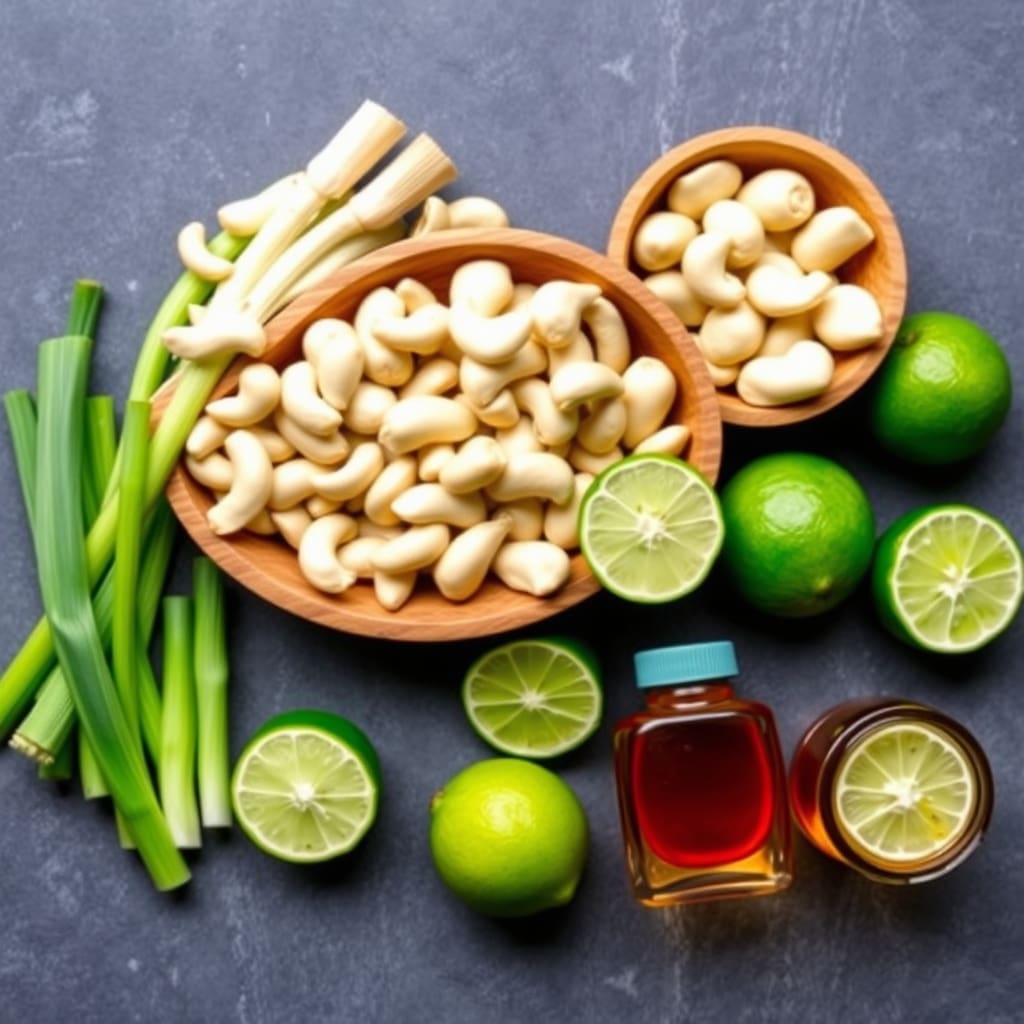
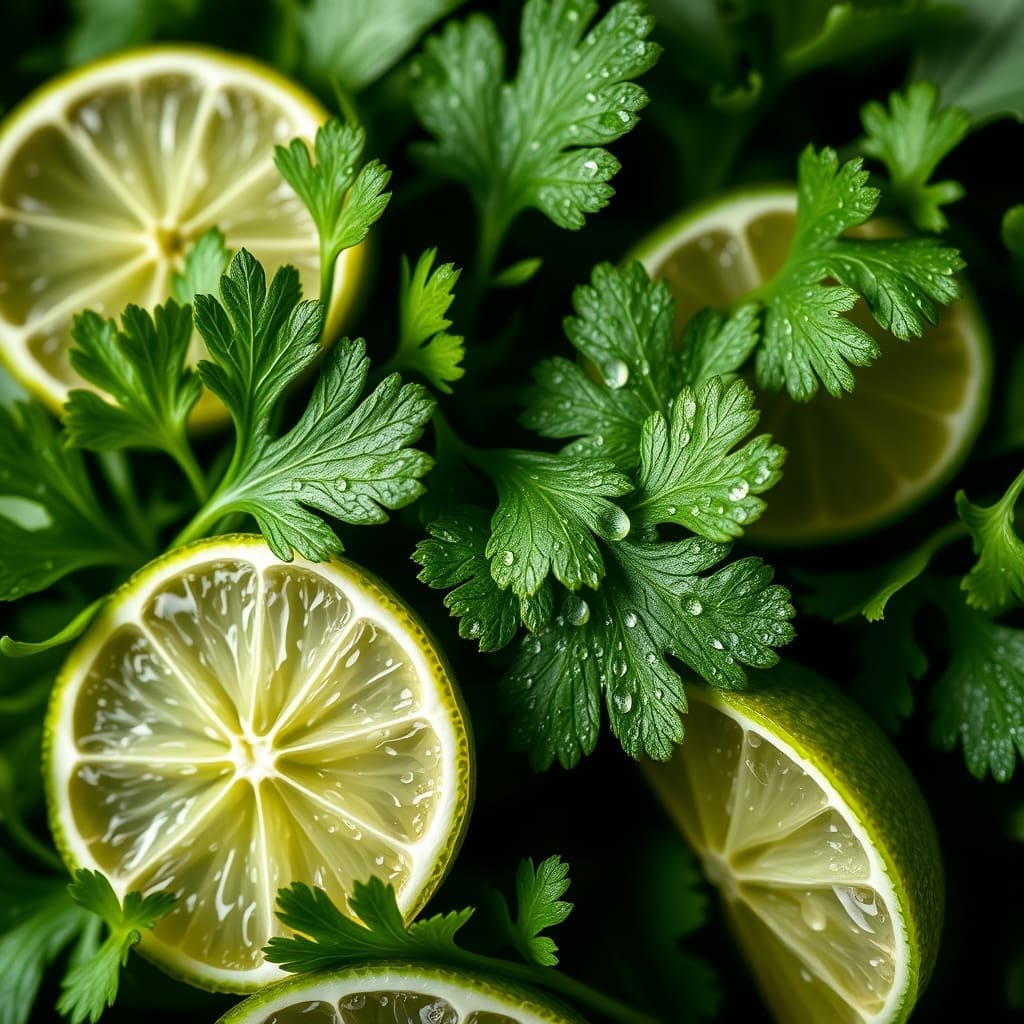
In our vegan version, the raw cashews provide a neutral, buttery base that mimics the richness of traditional mayonnaise—much like the base used in our oil-free vegan mayo—without the saturated fats or processed oils. The brightness comes from a generous splash of fresh lime juice—never the bottled variety—which provides the necessary acidity to cut through the fat of the nuts.
The maple syrup, though used sparingly, is the “secret ingredient” that balances the natural bitterness of the flat-leaf parsley. Finally, the scallions and cilantro provide a sharp, aromatic finish that lingers on the palate. Unlike store-bought versions that rely on artificial thickeners, the texture here is achieved through pure plant-based emulsification, resulting in a mouthfeel that is velvety and substantial.
Nutritional Powerhouse: Why This Recipe is Functional Medicine

While traditional dressings are often “empty calories” comprised of refined oils, this Vegan Green Goddess is a functional food.
- Flat-Leaf Parsley: Far more than a garnish, parsley is a powerhouse of Vitamin K, essential for bone health and blood clotting. According to the National Institutes of Health (NIH), just a half-cup of parsley provides over 500% of the daily recommended value of Vitamin K.
- Cilantro: Known in some cultures as coriander, cilantro contains dodecenal, a compound that research published in PubMed suggests may have antimicrobial properties. It is also rich in phytonutrients and antioxidants.
- Raw Cashews: These provide a source of monounsaturated and polyunsaturated fats. The Harvard T.H. Chan School of Public Health notes that replacing saturated fats with these healthier fats can improve heart health markers.
- Limes: High in Vitamin C, limes act as a natural preservative for the greens while boosting the bioavailability of the iron found in the parsley and cilantro.
By choosing this oil-free version, you are eliminating inflammatory seed oils and replacing them with whole-food fats that provide sustained energy and satiety.
The Art of the Soak: Preparing Your Cashew Base
The secret to a dressing that rivals any high-end restaurant lies in the preparation of the cashews. Raw cashews contain phytic acid, which can sometimes make them difficult to digest and prevent them from blending into a truly liquid state.
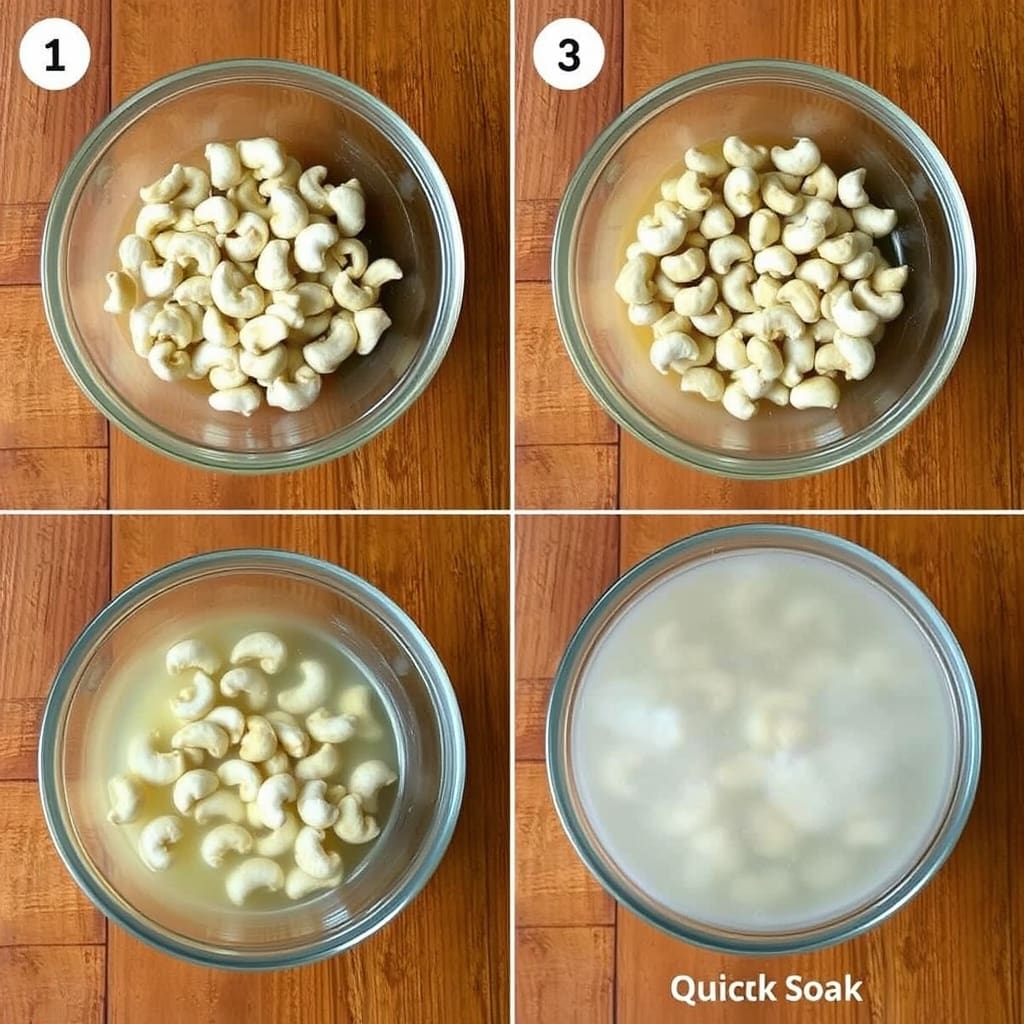
The Boiling Water Method: For those who don’t have time for an overnight soak, the “Quick Soak” is a lifesaver. By pouring boiling water over the nuts and letting them sit for 5 to 15 minutes, you soften the external fibers of the cashew.
This allows even a standard blender to achieve a smoother consistency. The Overnight Method: If you plan ahead, soaking cashews in filtered water for 8 hours (in the refrigerator) results in the most neutral flavor and the creamiest texture.
Mastering the Texture: Blender Techniques and Troubleshooting
Achieving the perfect consistency requires a bit of blender “finesse.”
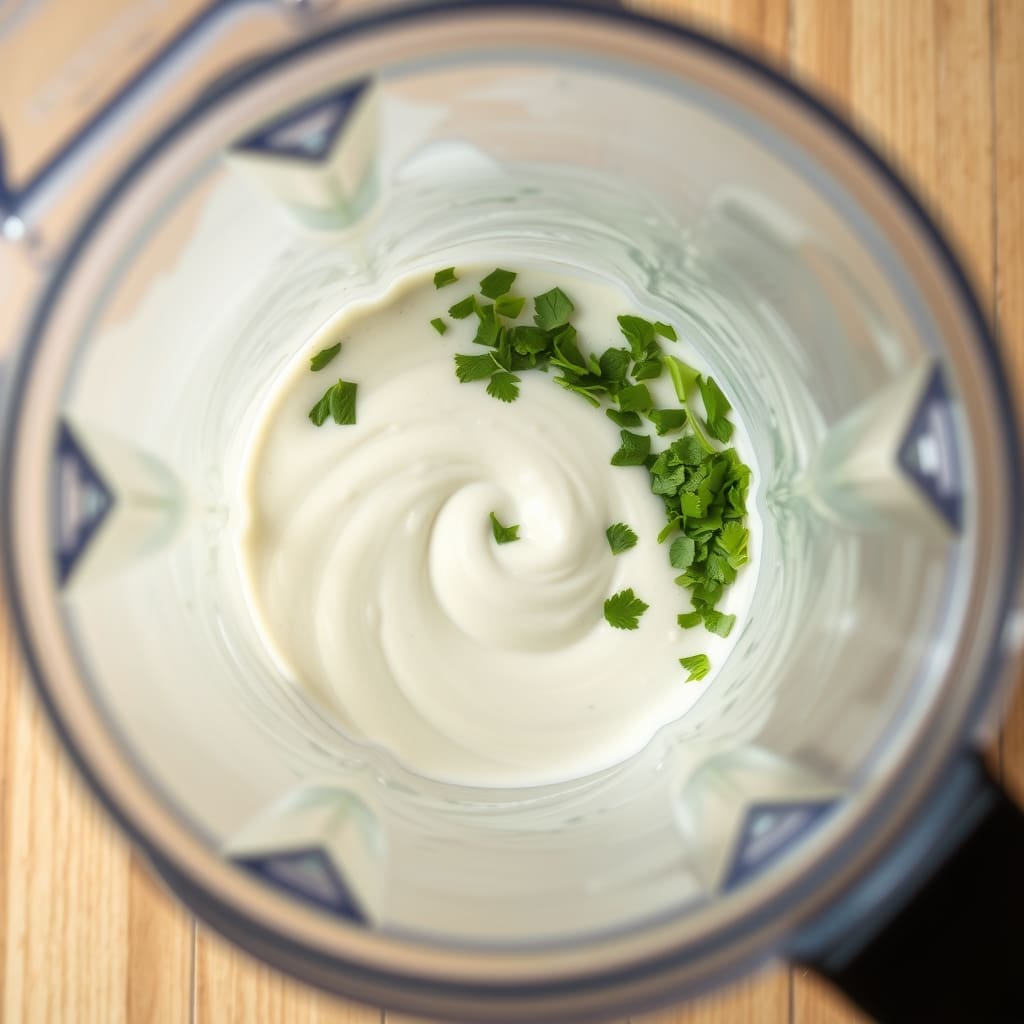
- The Creamy Base: Start by blending the soaked cashews, water, lime juice, maple syrup, and salt. If you are using a high-powered blender, start on the lowest speed and quickly ramp up to the highest. Blend for at least 45–60 seconds until the mixture looks like heavy cream. There should be absolutely no grit when you rub a drop between your fingers.
- The Herb Pulse: If you blend the herbs on high speed for too long, the friction can actually “cook” the delicate greens. To maintain beautiful green flecks, add your herbs last and use the “Pulse” setting 5–10 times.
- Troubleshooting for Regular Blenders: If you don’t have a high-speed blender, soak your cashews for a full 24 hours. You may also need to strain the final dressing through a fine-mesh sieve.
Inclusivity in the Kitchen: Nut-Free and Herb Substitutions
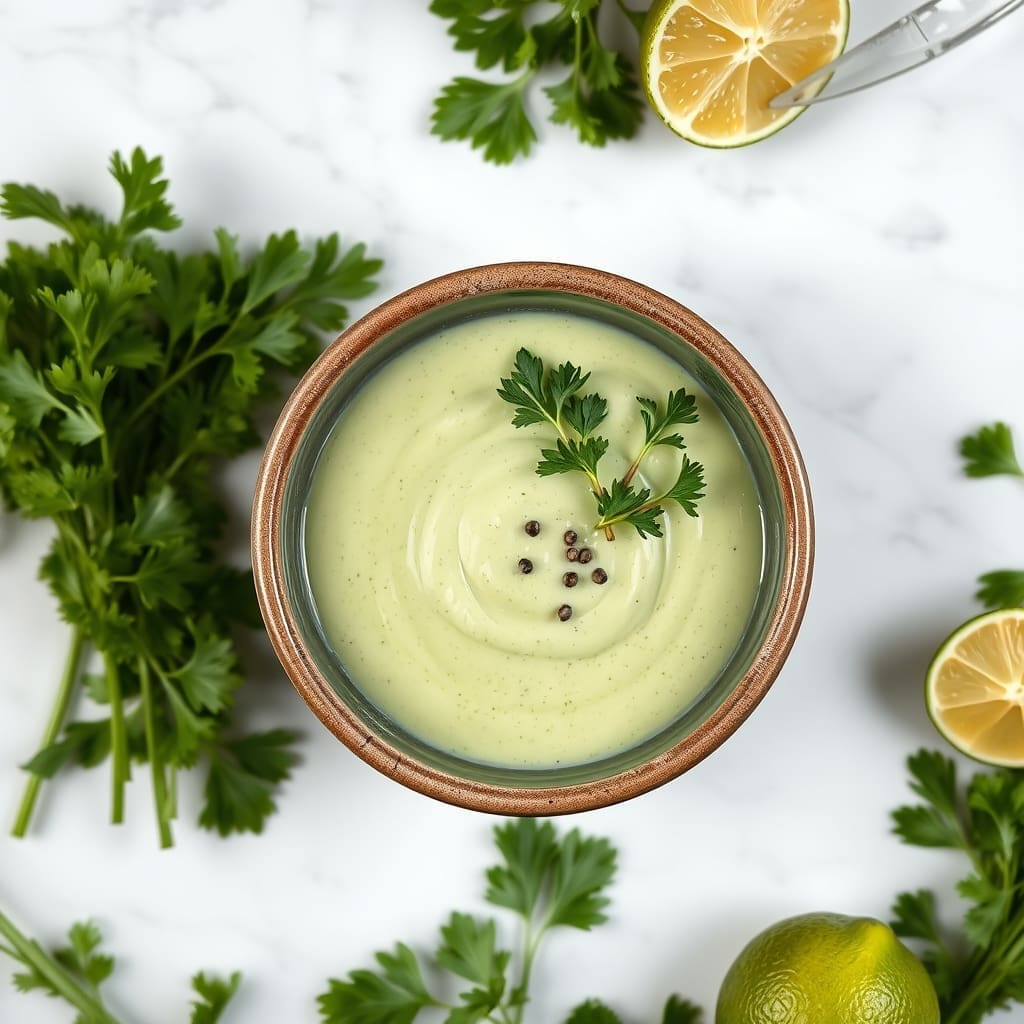
We understand that allergies and personal preferences vary. Here is how to adapt this recipe for every guest:
- The Nut-Free Alternative (Sunflower Seeds): Swap the cashews for raw sunflower seeds. Use the same soaking method. Note that sunflower seeds have a slightly earthier flavor, so you may want to add extra lime juice to brighten it up.
- The Protein-Boosted Version (Silken Tofu): For a lower-fat option, replace the cashews and water with 12 ounces of extra-firm silken tofu. Utilizing silken tofu for perfect texture is a professional culinary technique that creates an incredibly thick, dip-like consistency.
- The Herb Variations: If you aren’t a fan of cilantro, replace it with fresh dill or basil. A basil-heavy Green Goddess takes on a Mediterranean flair that pairs beautifully with pasta salads.
- The Allium Swap: If green onions are too sharp, try using fresh chives for a more delicate, onion-forward flavor.
Beyond the Salad: Creative Serving Suggestions
While this dressing is famous for its role in a Romaine-based salad, its versatility extends far beyond the salad bowl.
- The Ultimate Dip: Because this dressing thickens as it chills, it serves as an excellent dip for a crudité platter. It is a fantastic, nutrient-dense alternative to heavier options like vegan buffalo chicken dip.
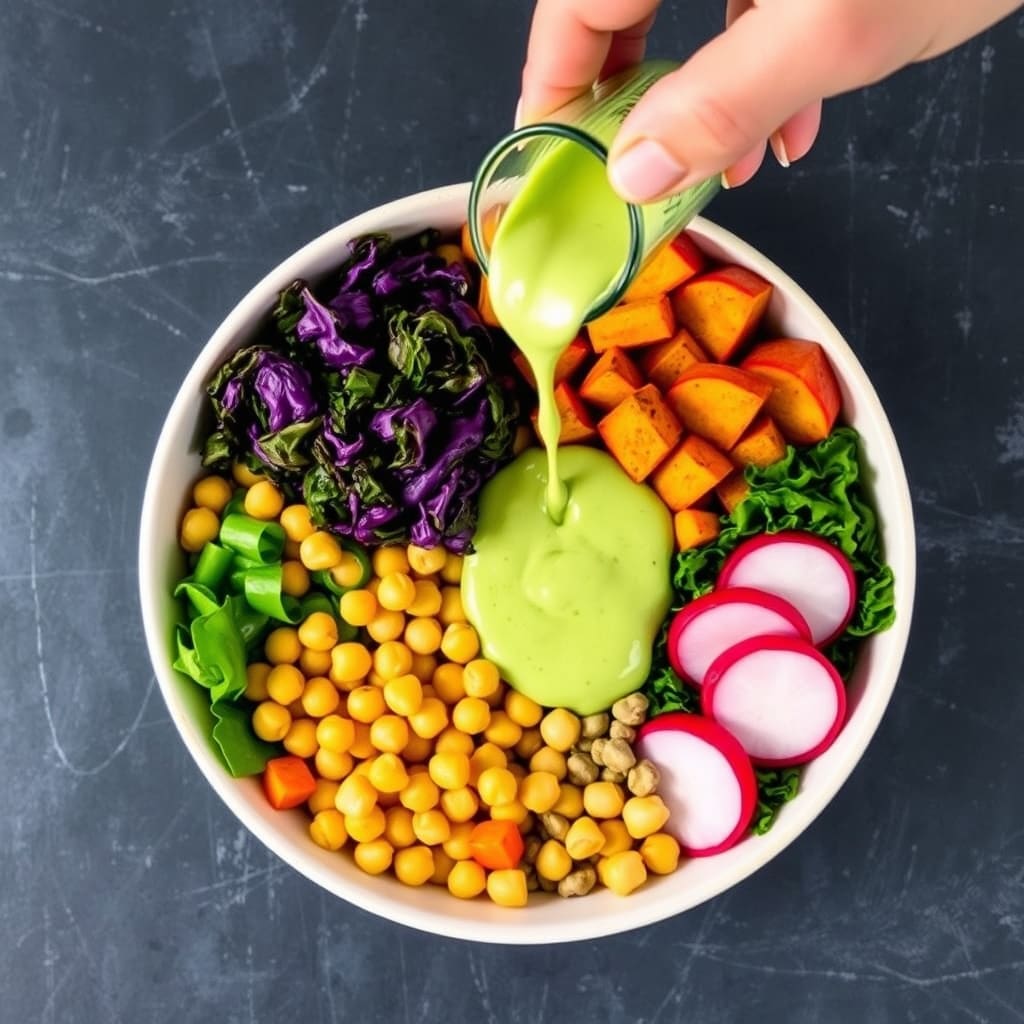
- The Grain Bowl Finisher: Drizzle it over a warm Buddha bowl featuring quinoa, roasted chickpeas, and steamed kale.
- The Roasted Veggie Glaze: Use it as a sauce for roasted cauliflower or charred Brussels sprouts.
- The Sandwich Spread: Use a thickened version as a spread for avocado toast or a loaded veggie wrap. It provides the moisture of mayo with significantly more flavor.
Meal Prep and Longevity: Storage and Freezing Guide
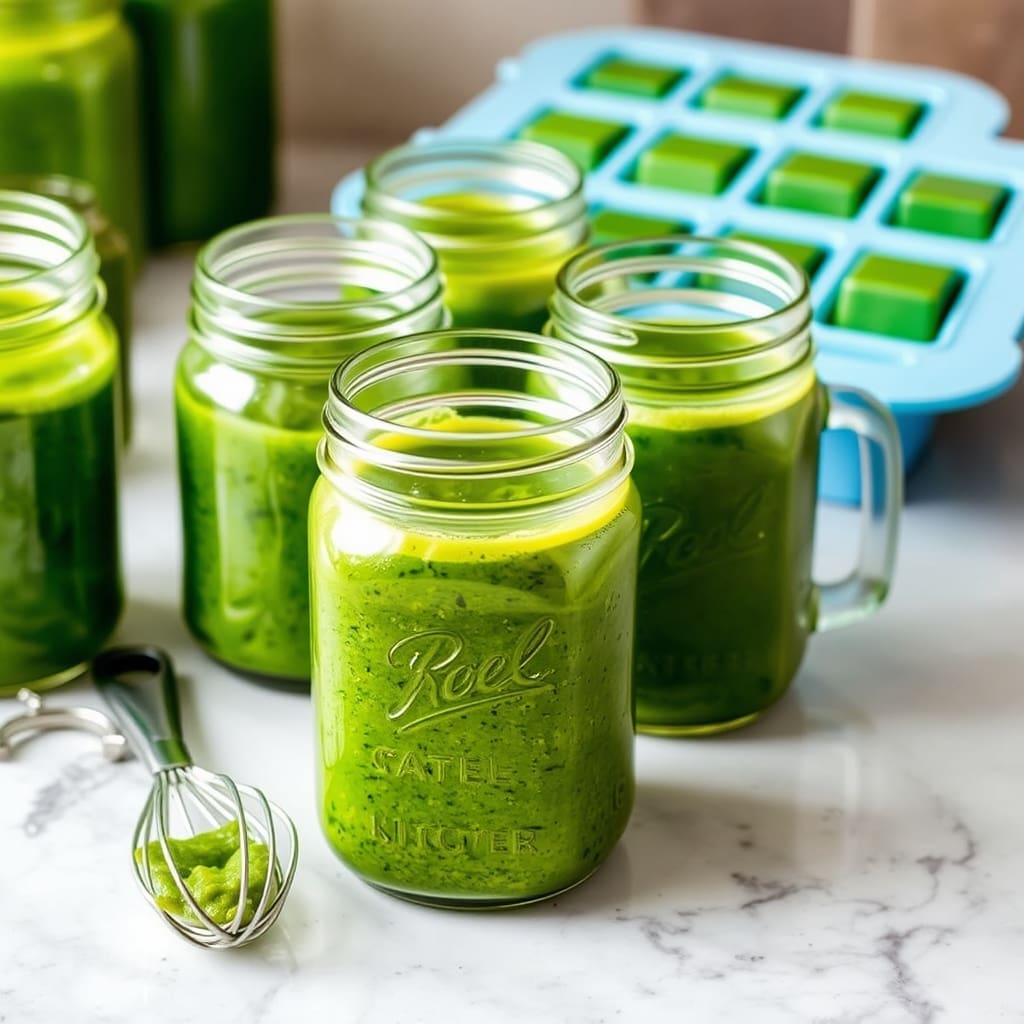
Because this recipe relies on whole-food ingredients without artificial preservatives, proper storage is key to maintaining freshness.
- Refrigeration: Store the dressing in an airtight glass jar for up to 5–7 days. You may notice some separation—this is natural! Simply give it a vigorous shake before using.
- Thickening: Cashew-based sauces tend to “set” in the fridge. If your dressing becomes too thick to pour, whisk in a tablespoon of room-temperature water.
- Freezing: You can freeze it! Pour the dressing into a silicone ice cube tray. Once frozen, transfer the cubes to a freezer-safe bag. This is perfect for single-serving meal preps.
Pro-Tip: To keep the green color vibrant for longer, ensure your lime juice is fresh. The citric acid acts as a natural antioxidant, slowing the oxidation of the chlorophyll.
Conclusion
The Vegan Green Goddess Dressing is more than just a topping; it is a nutritional powerhouse that proves you don’t need oil or dairy to achieve gourmet results. By swapping heavy mayonnaise for nutrient-dense cashews and honoring the herb-heavy tradition of the 1923 original, you create a dressing that is both timeless and modern. Whether you are a long-time vegan or simply looking to add more plant-based Whole Food Plant-Based (WFPB) staples to your kitchen, this recipe is a must-have. Experiment with the herb ratios, try the nut-free sunflower seed variation, and watch as this “liquid gold” transforms your everyday meals into something extraordinary.