
The Ultimate Guide to Creamy Vegan Scalloped Potatoes: Science, Technique, and Flavor
For many, scalloped potatoes are the ultimate nostalgic comfort food—a staple of holiday tables and Sunday dinners. However, achieving that signature velvety texture without heavy cream or butter has long been a challenge for the plant-based community.
This guide transforms the classic recipe into a dairy-free masterpiece that relies on the science of starch and the depth of plant-based umami. We aren’t just making a ‘vegan version’; we are crafting a dish that stands on its own as a culinary triumph.
By understanding how different potato varieties behave in the oven and how to build a complex, ‘cheesy’ profile using cashews or beans, you can create a centerpiece that satisfies vegans and omnivores alike. Let’s dive into the techniques that ensure your potatoes are never bland, never watery, and always the first dish to disappear.
The Science of the Perfect Potato Selection
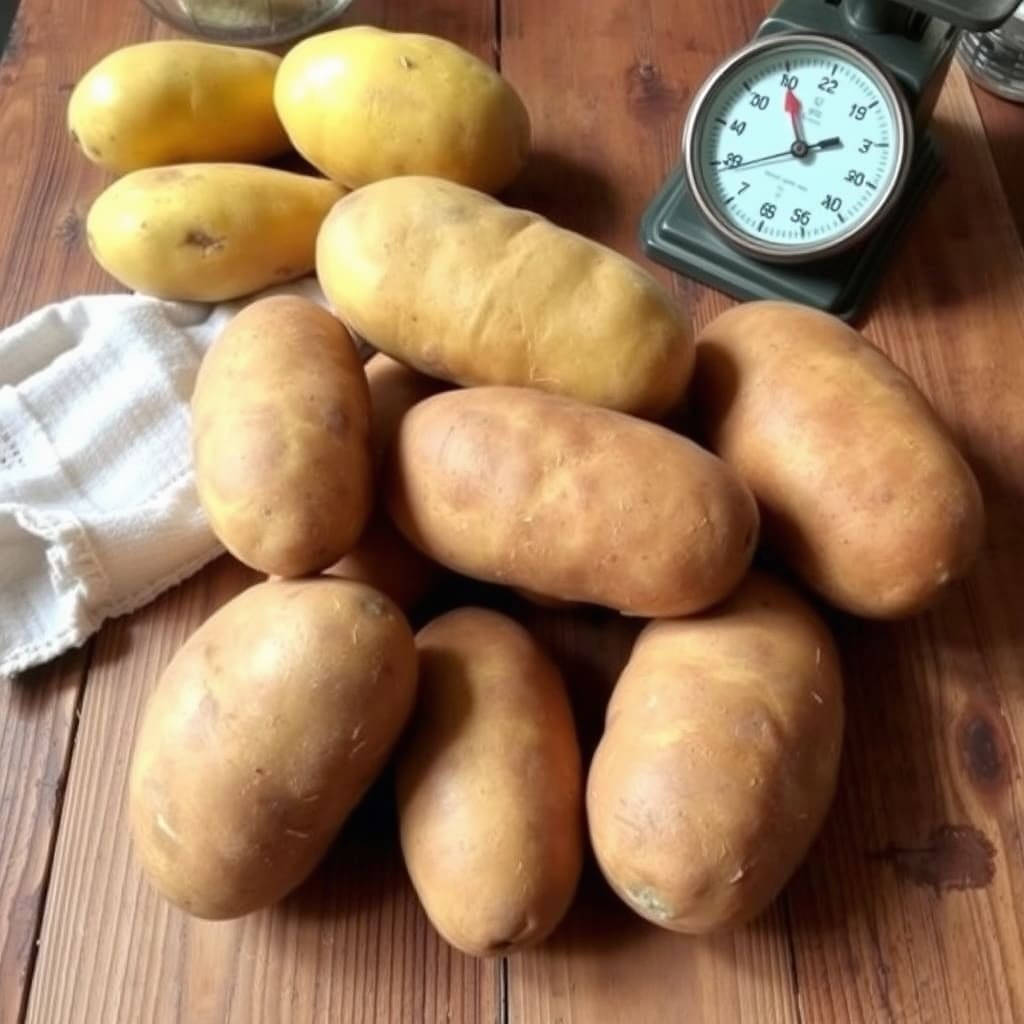
The foundation of a great gratin or scalloped dish lies in the potato’s starch profile. Potatoes are generally categorized into three main types:
- Starchy (Russet): These have high amylose, which causes them to break down and absorb liquid—perfect for mashed potatoes but prone to becoming mushy in a bake.
- Waxy (Red Bliss): High amylopectin levels help them hold their shape, but this prevents them from fully absorbing the creamy sauce.
- All-Purpose (Yukon Gold): The “Goldilocks” choice; they possess enough starch to thicken the sauce into a rich glaze while maintaining a distinct, tender bite.
According to research in the Journal of Food Science and Technology, the ratio of amylose to amylopectin determines how the potato reacts to heat. Research into potato starch gelatinization, supported by data from the Harvard T.H. Chan School of Public Health, shows that these tubers provide a creamy mouthfeel without the need for saturated animal fats, making them a heart-healthy choice for comfort food.
Building Deep Flavor Without the Dairy
The secret to the ‘cheesy’ flavor in this dairy-free dish isn’t just one ingredient—it’s a symphony of umami-rich components. While nutritional yeast provides the initial savory hit, much like the profile found in a classic vegan cheese ball, professional chefs often add layers of flavor to avoid the ‘blandness’ that home cooks sometimes report.
Integrating a tablespoon of white miso paste adds a fermented depth that mimics aged cheddar, while a teaspoon of Dijon mustard provides a necessary acidic ‘brightener’. For those seeking an oil-free option, sautéed onions and garlic can be softened using vegetable broth instead of olive oil. Nutritional yeast itself, according to nutritional profiles from the USDA, is a powerhouse of B-vitamins, particularly B12, which is essential in a plant-based diet.
Dietary Adaptations for Nut-Free and Health-Conscious Cooking
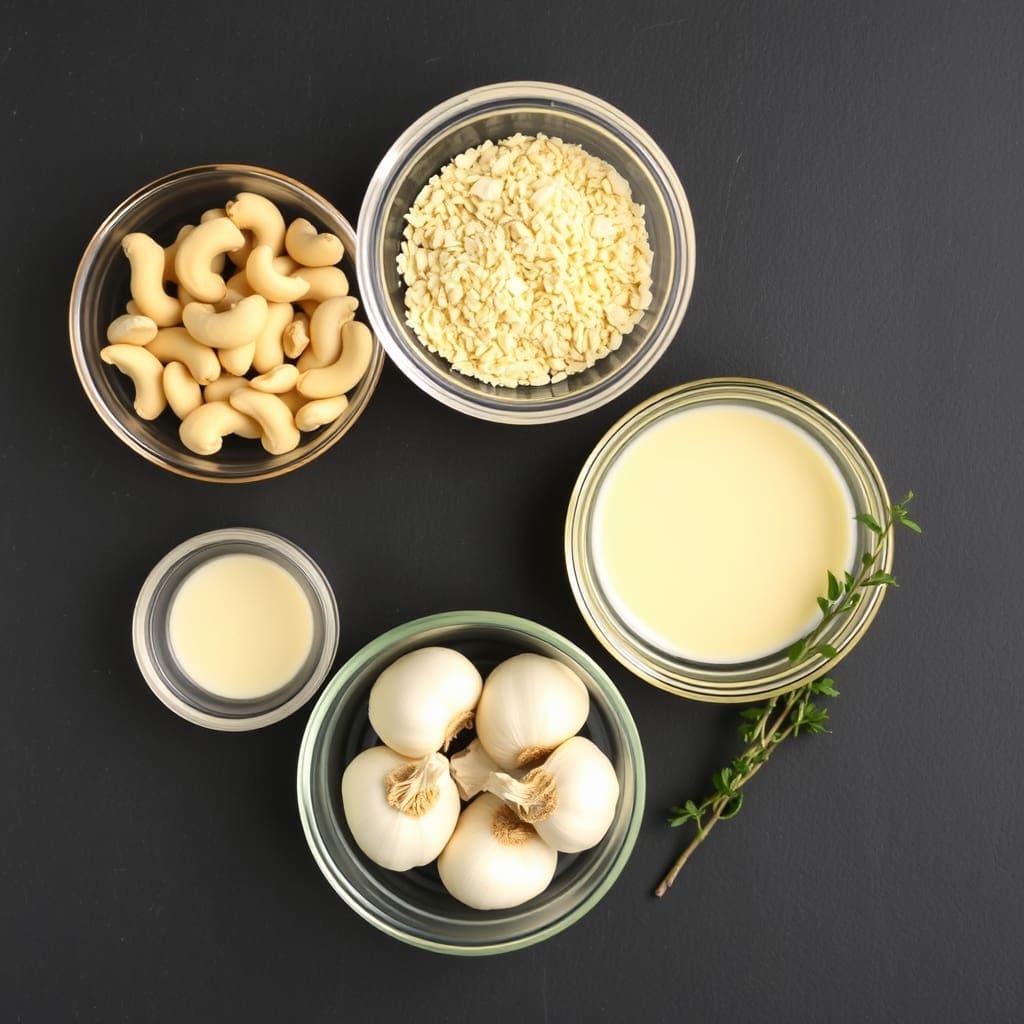
Inclusivity is key at the holiday table. While cashews provide an unparalleled creaminess, they are a barrier for those with nut allergies. Several highly effective substitutions can be used to achieve a texture similar to a creamy vegan spinach artichoke dip:
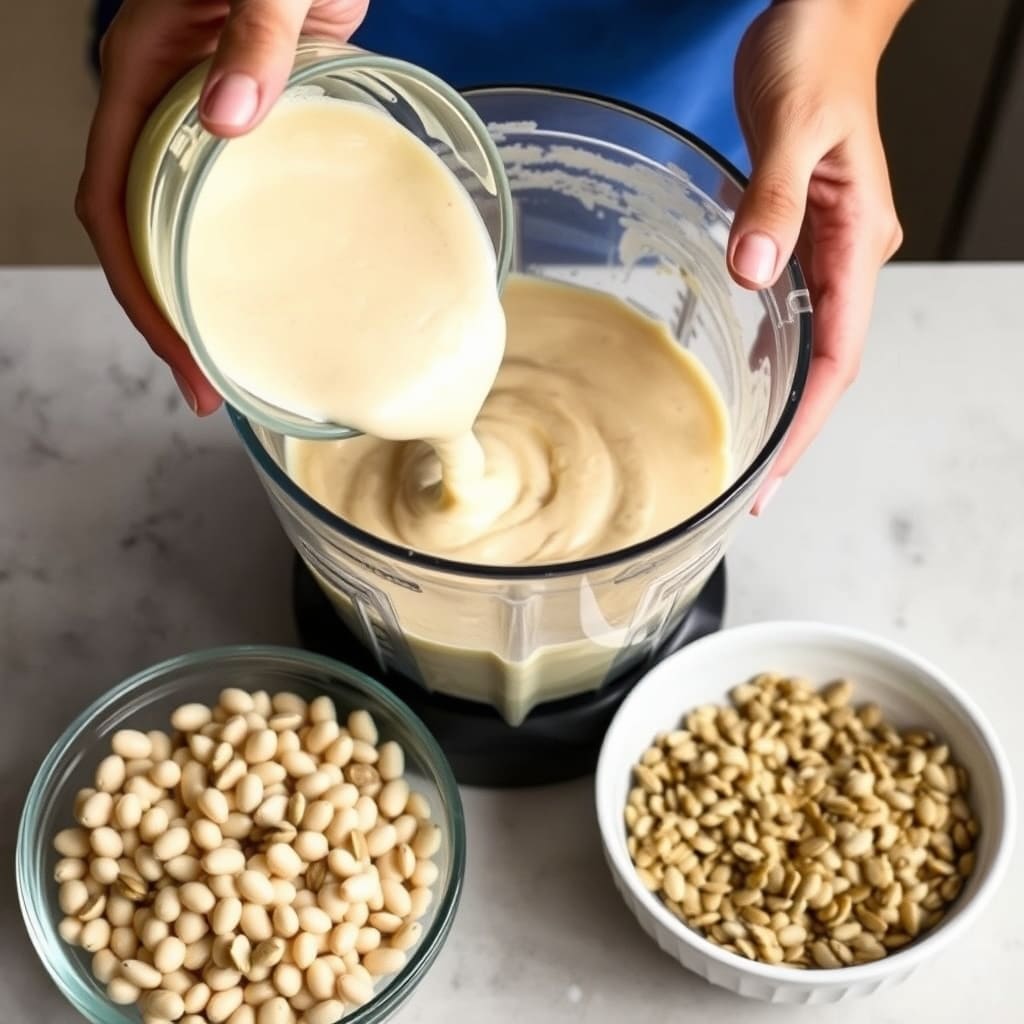
- White Beans: Cooked cannellini or navy beans offer a neutral flavor and a high-protein, low-fat base that blends into a silky sauce.
- Sunflower Seeds: A great nut-free alternative; ensure they are soaked for at least 4 hours to guarantee a smooth emulsion.
- Cauliflower: For a lighter version, blend steamed cauliflower with vegetable broth and nutritional yeast to create a “cauliflower cream.”
Studies on legume-based sauces, as highlighted by the Academy of Nutrition and Dietetics, indicate they provide significantly more fiber than traditional dairy-based creams, aiding in digestion during heavy holiday meals.
Mastering the Mandoline and Layering Technique
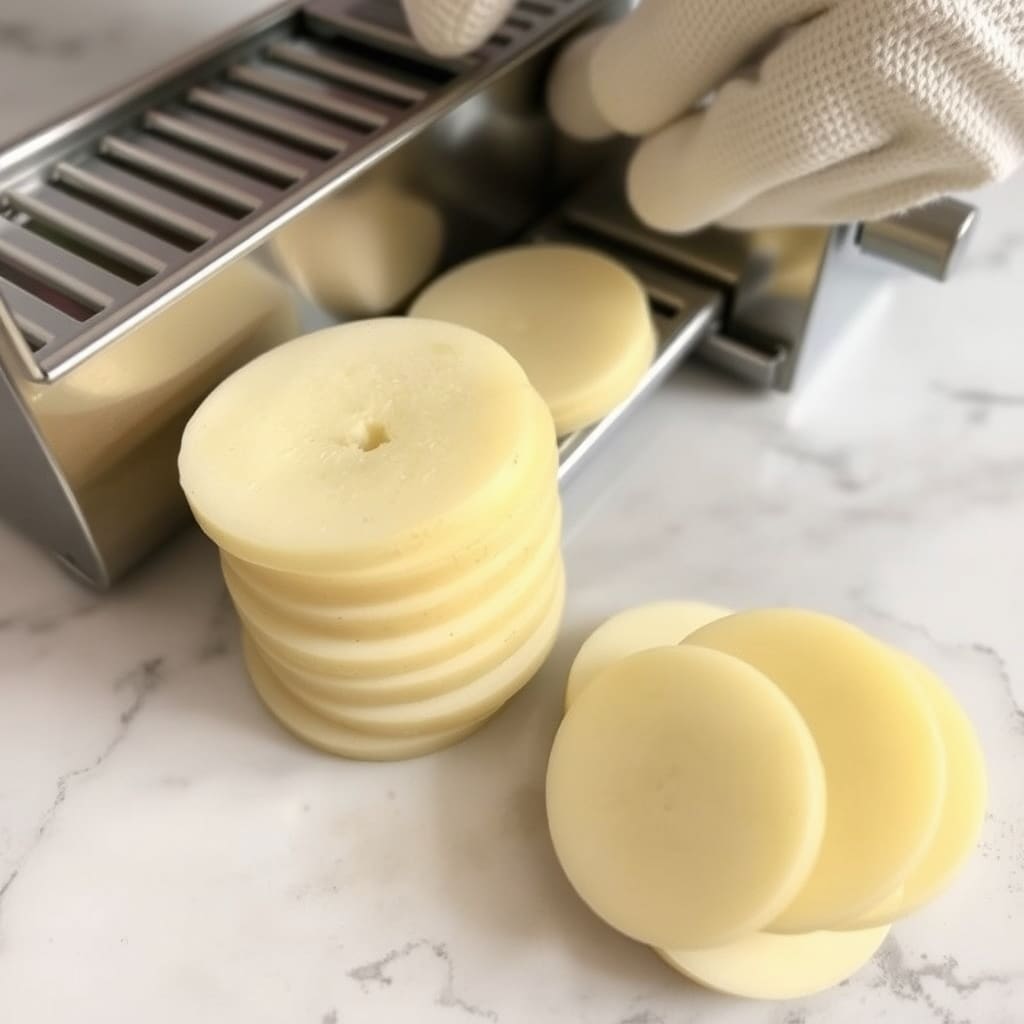
Textural consistency is what separates a homemade meal from a professional-grade dish. To ensure that every potato slice cooks at the same rate, a mandoline slicer is indispensable. Aim for a thickness of 1/8-inch (approximately 3mm). Safety is paramount when using a mandoline; always use the guard or a cut-resistant glove.
Layering is the next critical step. Instead of dumping everything in, arrange the potatoes in overlapping rows like shingles. This creates ‘pockets’ for the sauce to settle into, ensuring that the middle layers are just as flavorful as the top. Applying a thin layer of sauce between every two layers of potatoes prevents the common ‘dry middle’ syndrome found in many baked casseroles.
The Transformation: From Watery to Ultra-Creamy
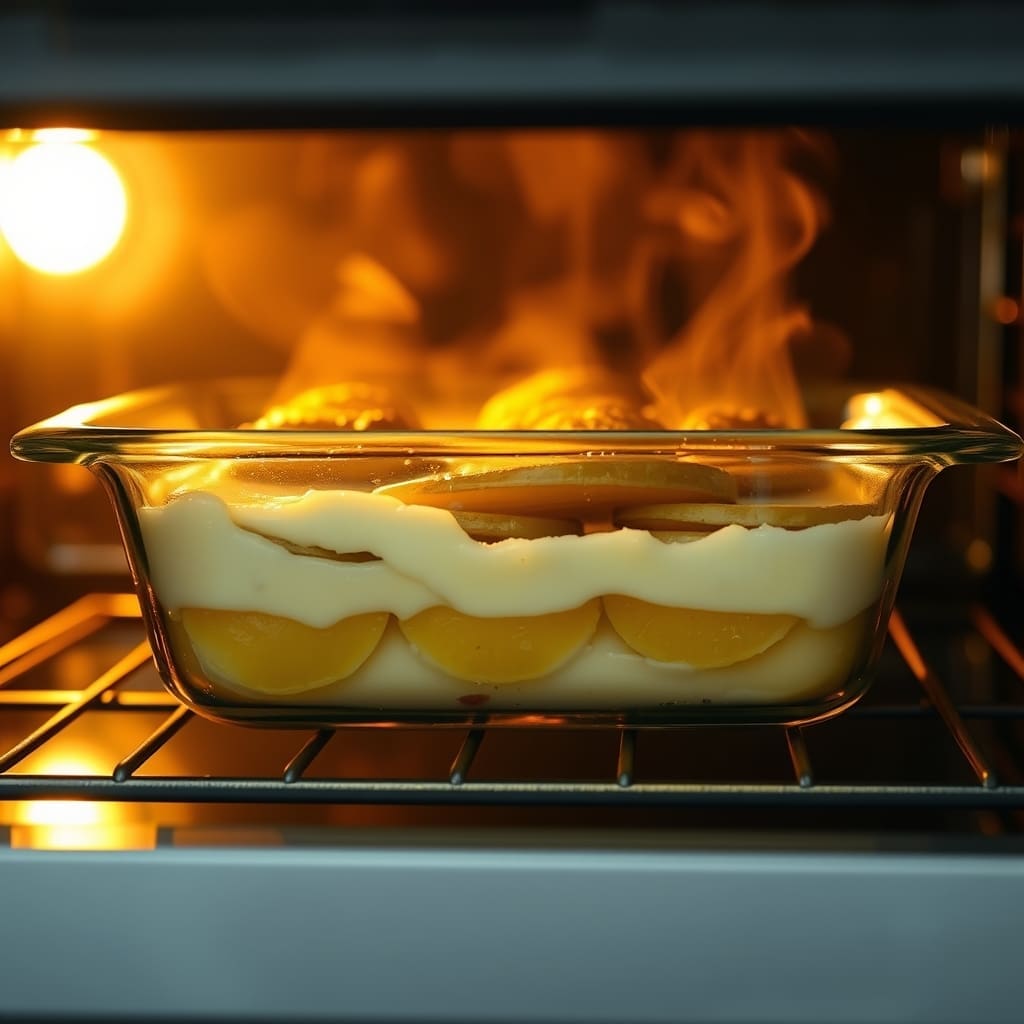
The cooking process for vegan scalloped potatoes is a lesson in patience. Because we are not using heavy cream, the sauce starts as a thin liquid. During the 60 to 70 minutes in the oven, the heat breaks down the potato cells, releasing starch, while water evaporates to concentrate the flavors.
If you pull the dish out too early, it will be watery. Look for ‘the bubble’—the sauce should be vigorously bubbling at the edges. This ‘low and slow’ approach, which aligns with professional techniques from the Culinary Institute of America, ensures the center of the dish reaches the necessary 210°F (99°C) for starch gelatinization and a thick, bubbling gravy.
Make-Ahead Strategies and Food Safety Guidelines
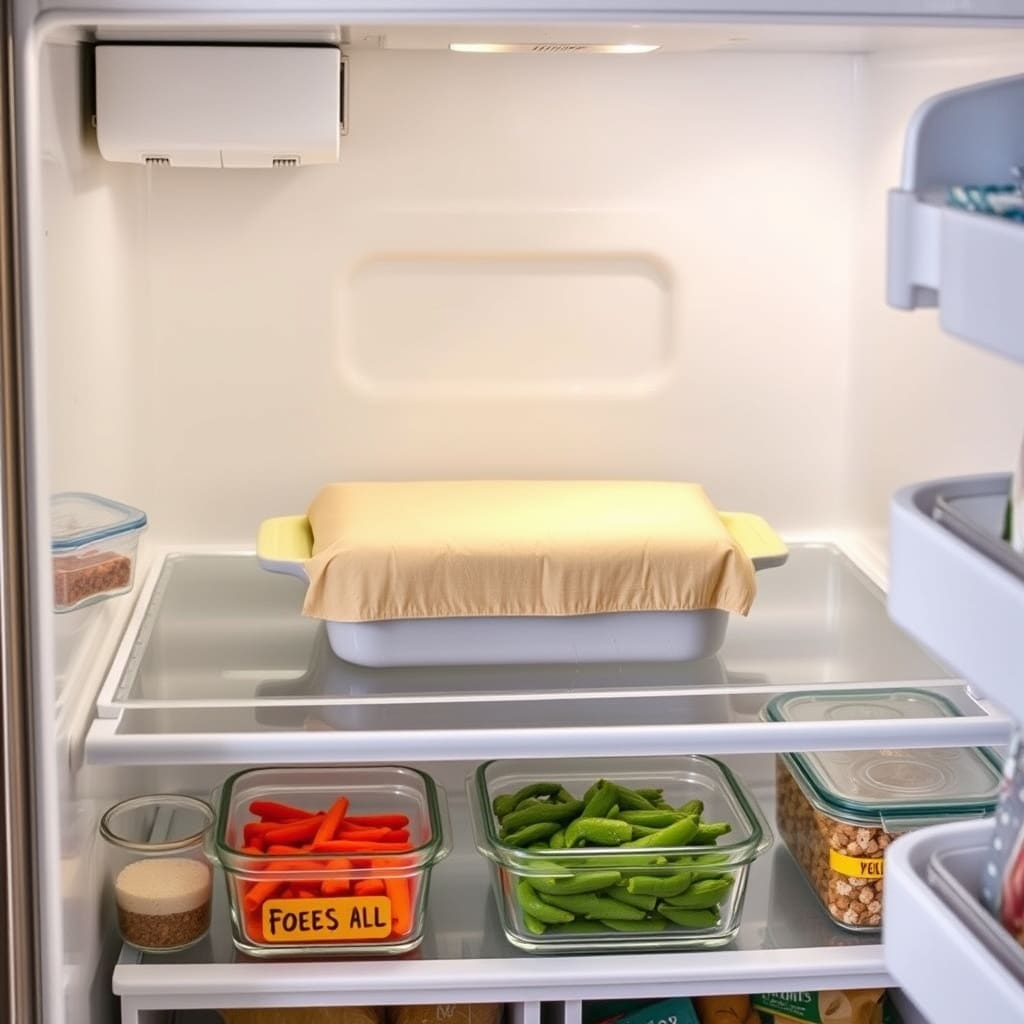
One of the biggest advantages of this dish is its ability to be prepared in advance. You can fully assemble and bake the dish 1-2 days before your event. Once cooled, cover it tightly and refrigerate. The flavors actually deepen as the dish sits, as the potatoes continue to absorb the aromatics from the garlic and onion.
To reheat, bake at 350°F (175°C) for 30 minutes. Avoid freezing if possible, as the cell structure of the potatoes can break down upon thawing, leading to a grainy texture. Food safety guidelines recommend keeping the dish at room temperature for no more than two hours during serving to prevent bacterial growth.
Flavor Variations and Serving Pairings
While the base recipe is a classic, you can easily pivot the flavor profile to match your main course:
- French-Style: Add a pinch of freshly grated nutmeg and omit the nutritional yeast for a Gratin Dauphinois profile.
- Smoky: Stir a teaspoon of smoked paprika and a drop of liquid smoke into the sauce.
- Crunchy: Mix gluten-free breadcrumbs with a little melted vegan butter for a golden topping.
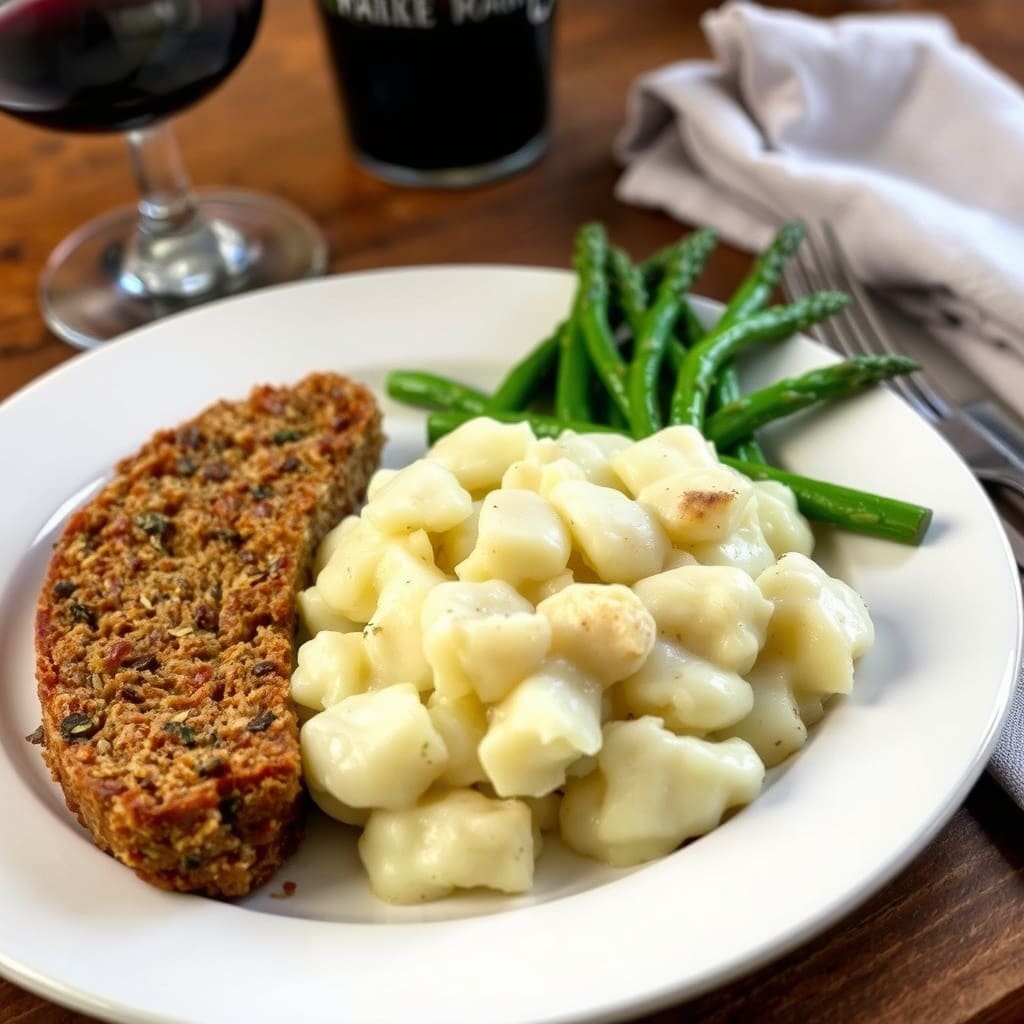
These potatoes pair exceptionally well with high-protein plant-based mains like lentil loaf or seitan roasts. To balance the richness of the dish, serve it alongside a bright, festive vegan kale salad or balsamic-glazed Brussels sprouts.
Conclusion
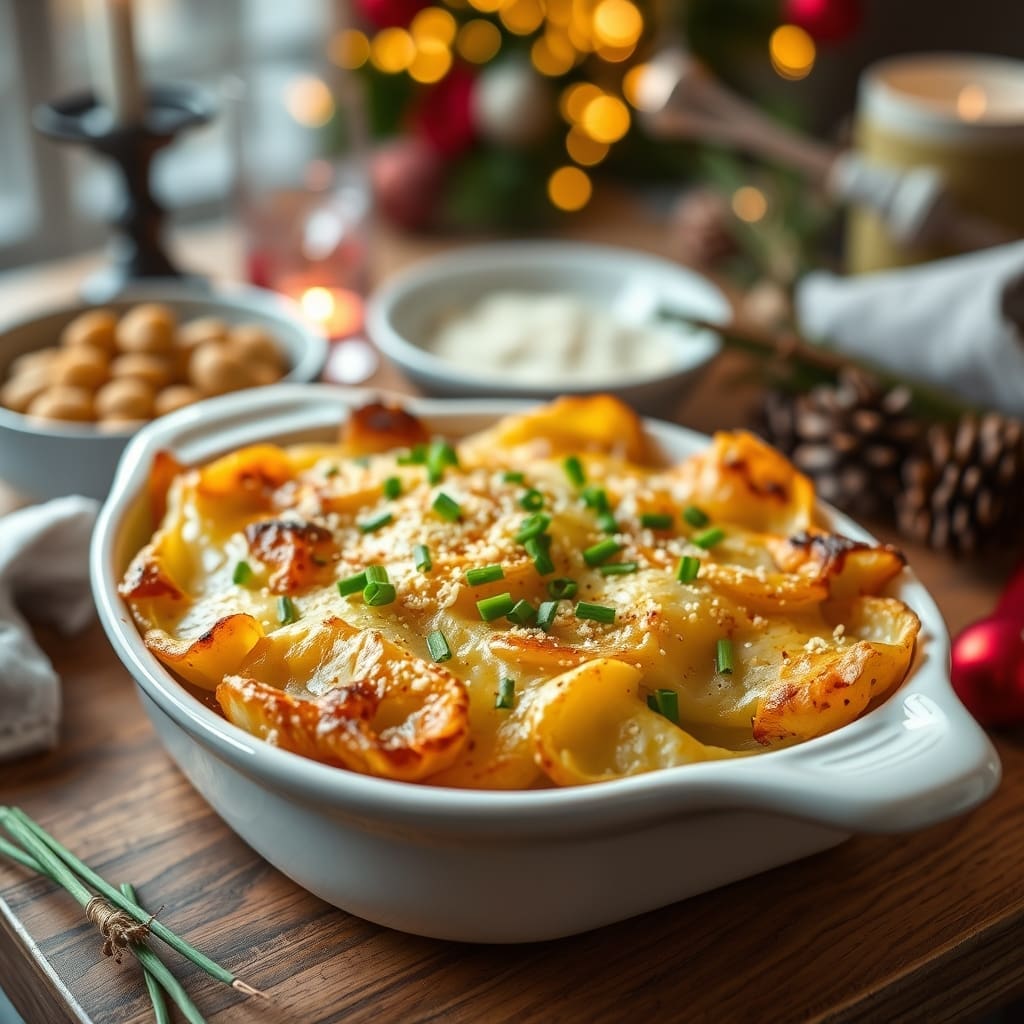
Perfecting vegan scalloped potatoes is a balance of choosing the right starch, achieving a silky sauce, and mastering the patience required for a slow bake. By using Yukon Gold potatoes and a cashew or bean-based cream, you create a dish that doesn’t just ‘replace’ dairy—it rivals it. Whether you are hosting a holiday dinner or a weeknight meal, this recipe provides the culinary satisfaction that defines modern plant-based cooking.