
The Definitive Guide to Tempeh Bacon: Master the Crunch, Flavor, and Science
For many transitioning to a plant-based lifestyle, the smoky, salty, and satisfying ‘crunch’ of bacon is often the hardest flavor profile to replicate. While many store-bought alternatives rely on highly processed vital wheat gluten or pea protein isolates, there is a traditional, whole-food powerhouse that has been doing the job better for centuries: tempeh.
This fermented soy marvel offers a unique, nutty density that, when prepared correctly, creates a ‘meat’ substitute that is arguably superior to the original. In this comprehensive guide, we are moving beyond the basic recipe.
We will dive into the science of fermentation, solve the common ‘bitterness’ complaint once and for all, and provide technical instructions for the pan, oven, and air fryer. Whether you are building the ultimate vegan BLT or looking for a high-protein breakfast side, this masterclass in tempeh bacon will transform your plant-based cooking.
The Science of Fermentation: What is Tempeh?
Tempeh is not just a ‘tofu alternative’; it is a sophisticated fermented product with roots in Indonesia dating back several centuries. Unlike tofu, which is made from coagulated soy milk, tempeh is created by fermenting whole soybeans with a fungus called Rhizopus oligosporus.
This fermentation process binds the beans into a firm, white cake. The presence of the whole bean provides a much higher fiber content and a distinctively nutty, earthy flavor profile.
Research published in ‘Journal of Applied Microbiology’ (2021) highlights that the fermentation process significantly reduces anti-nutrients like phytates, making the minerals in soy more bioavailable to the human body. When we use tempeh for bacon, we are utilizing its dense, porous structure to act as a sponge for smoky aromatics, while its firm texture holds up beautifully to the intense heat required for caramelization.
Nutritional Powerhouse: Why Tempeh Outshines Traditional Bacon

From a nutritional standpoint, tempeh bacon is a functional food powerhouse. A standard 100g serving contains approximately 190 calories, 18-20g of complete protein, and 9g of fiber.
Unlike traditional pork bacon, which is classified as a Group 1 carcinogen by the World Health Organization (WHO) due to its association with colorectal cancer, tempeh is heart-healthy. A 2020 study in the ‘European Journal of Nutrition’ suggests that fermented soy products are associated with a lower risk of cardiovascular disease. Furthermore, Harvard Health research emphasizes that soy is a high-quality protein source that can support heart health by lowering LDL cholesterol.
Furthermore, tempeh contains prebiotics—types of fiber that act as fuel for your beneficial gut bacteria. By choosing tempeh bacon, you are replacing saturated fats and nitrates with high-quality plant protein, manganese, and phosphorus, all while maintaining that essential savory flavor.
The Bitterness Debate: To Steam or Not to Steam?
The most common complaint among tempeh novices is a lingering ‘bitter’ or ‘medicinal’ aftertaste. This is a natural byproduct of the fermentation process, but it is easily corrected.
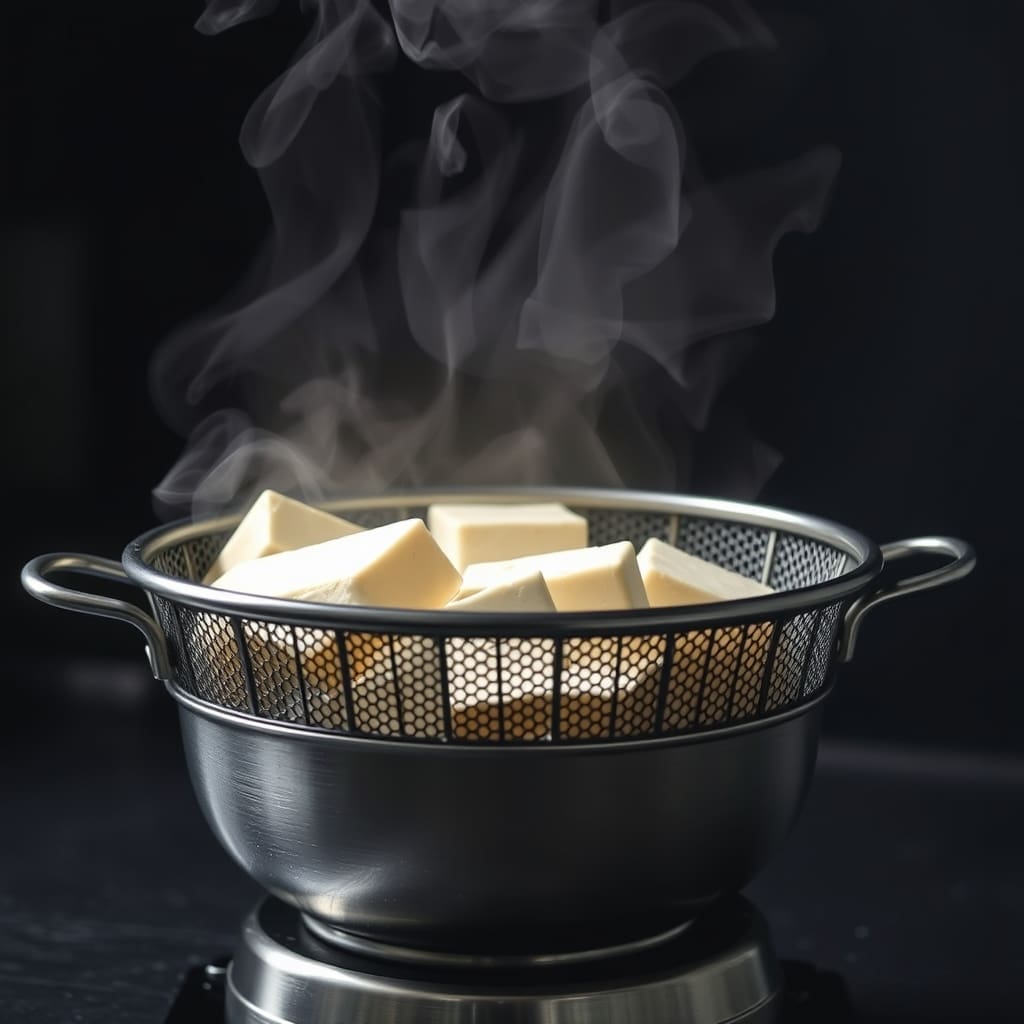
By steaming your tempeh slices for 8 to 10 minutes before marinating, you achieve two things: first, the heat coaxes out the bitter compounds found in the culturing process; second, it ‘relaxes’ the soy fibers and opens the pores of the tempeh. This allows your marinade to penetrate deep into the center of the slice rather than just coating the surface.
If you have ever found your tempeh bacon to be flavorful on the outside but bland on the inside, steaming is your solution. After steaming, pat the strips dry with a clean kitchen towel before introducing them to the marinade to ensure maximum absorption.
Mastering the Slice: Achieving the Perfect Texture

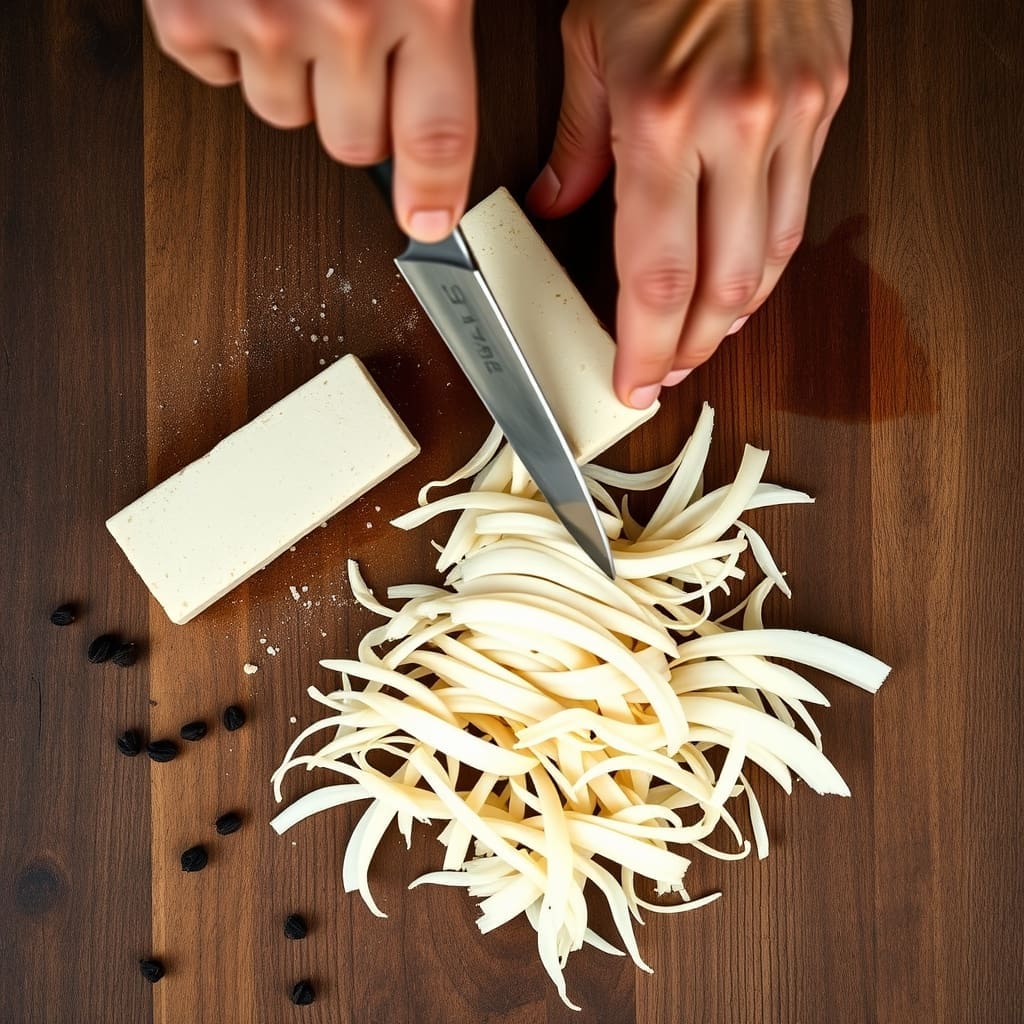
Achieving the right ‘mouthfeel’ depends entirely on your knife skills. For a traditional bacon experience, you want strips that are approximately 1/8 to 1/4 inch thick.
If they are too thick, they remain spongy in the center; too thin, and they will shatter like a cracker. I recommend slicing the block widthwise (into shorter strips) for better structural integrity.
If you prefer long, deli-style strips, slice the block lengthwise, but be aware that these are more prone to breaking during the flipping process. For a ‘bacon bit’ effect for salads or soups, crumble the tempeh by hand after steaming but before marinating.
This irregular surface area creates more ‘nooks and crannies’ for the marinade to caramelize, resulting in intense flavor bursts.
The Ultimate Umami Marinade: Ingredient Science
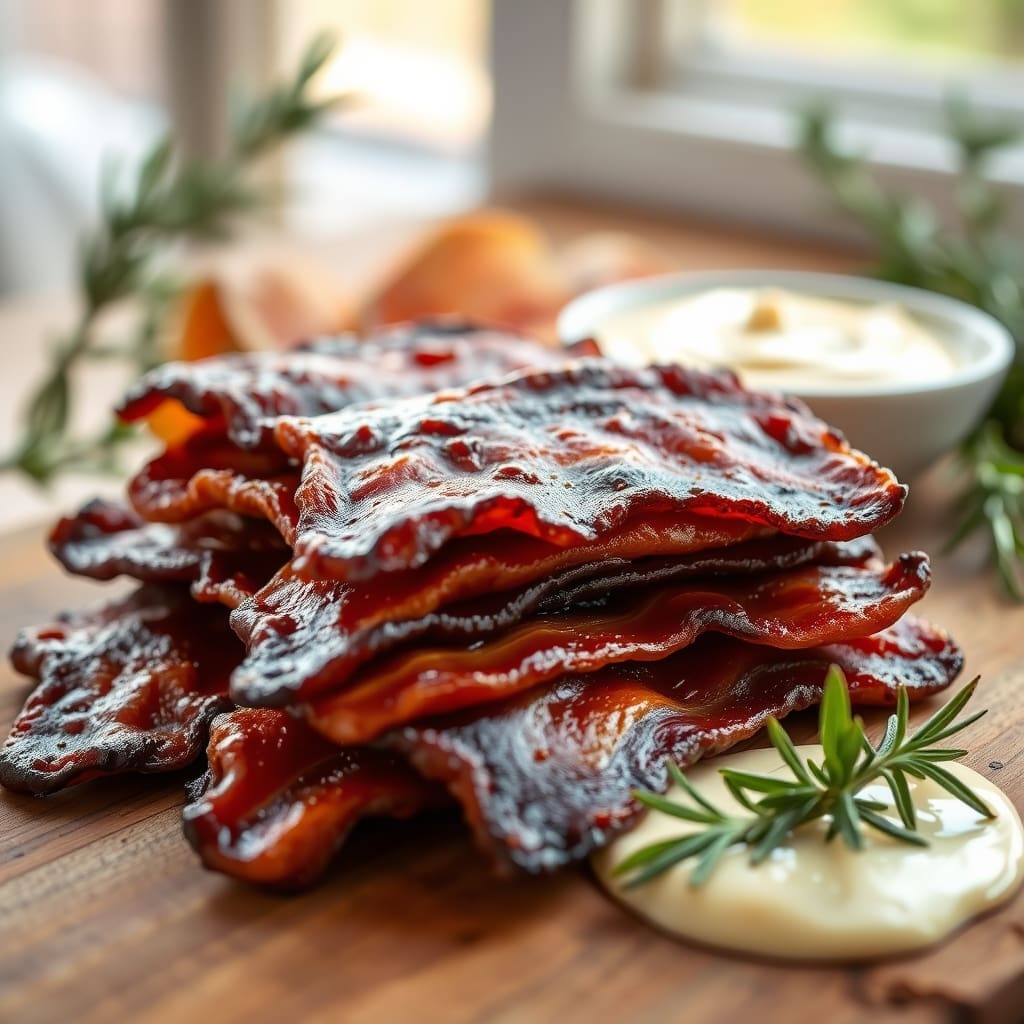
The alchemy of great vegan bacon lies in the balance of the five basic tastes. Our marinade formula is designed to hit every note: Soy Sauce/Tamari provides the ‘Umami’ and salt; Maple Syrup provides the ‘Sweet’ and facilitates the Maillard reaction (browning); Liquid Smoke and Smoked Paprika provide the ‘Aroma’; and Rice Vinegar provides the ‘Acid’ to cut through the richness.
A dash of toasted sesame oil adds a layer of ‘Fat’ that mimics the richness of animal lipids. For a truly professional result, allow your tempeh to marinate for at least 2 hours, though 12–24 hours is the ‘gold standard’ for deep flavor penetration.
Pro-Tip: Add a teaspoon of nutritional yeast to the marinade for an even deeper, savory depth that mimics the aged flavor of cured meats.
Method 1: The Classic Pan-Sizzle for Maximum Flavor
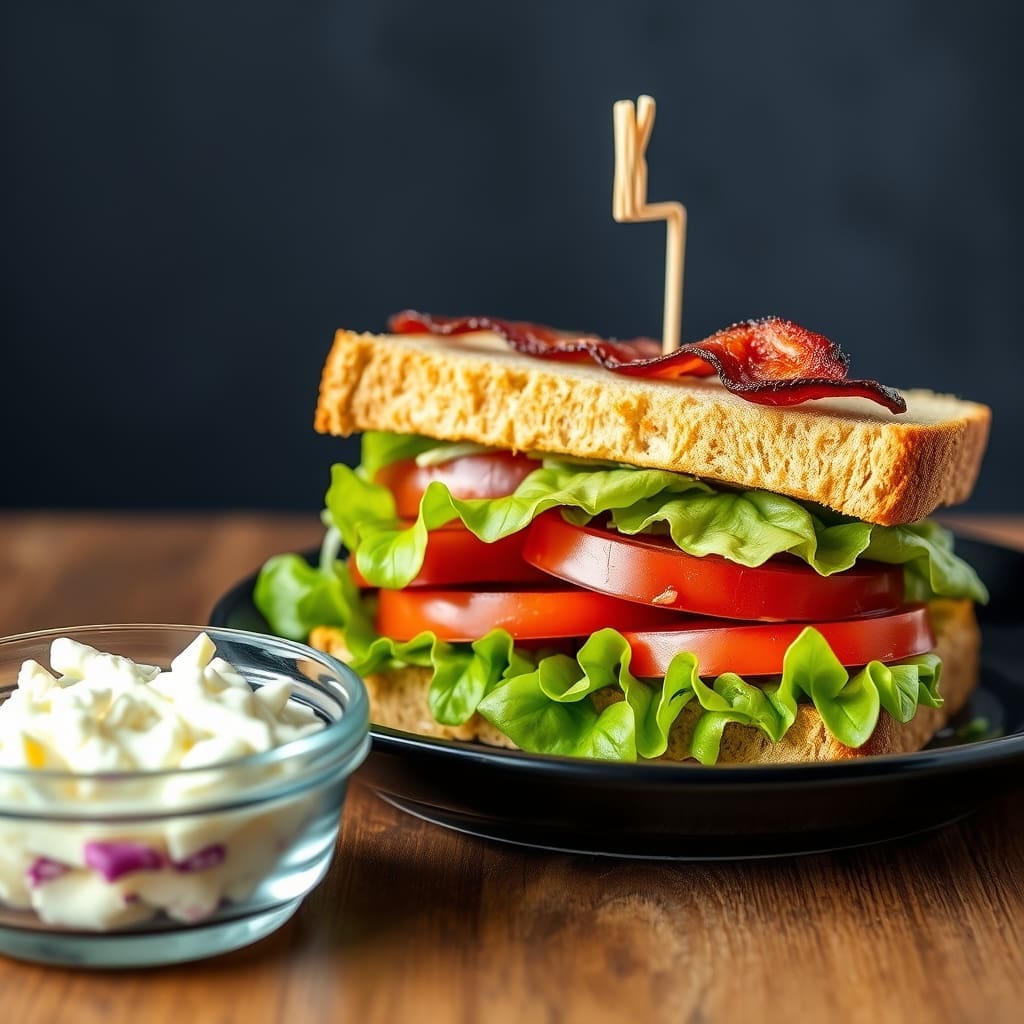
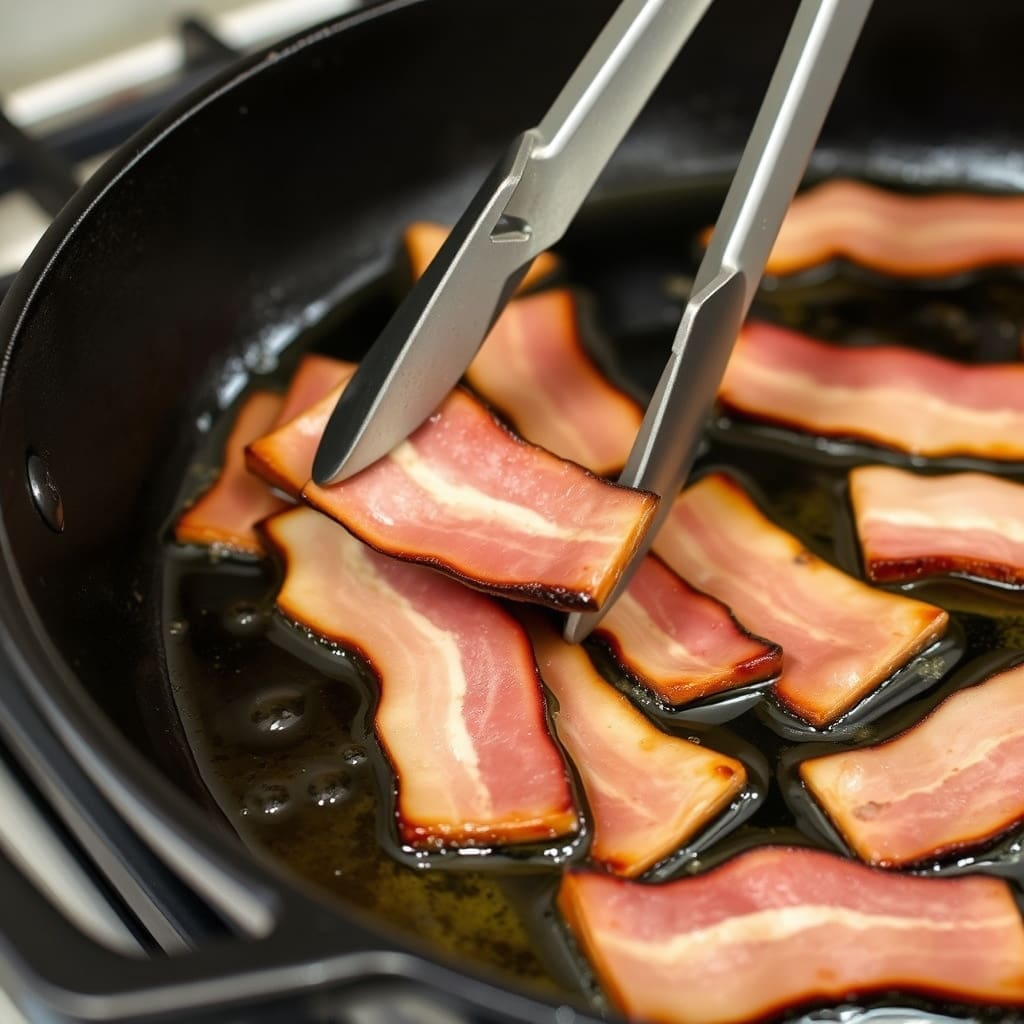
The pan-fry is the gold standard for those who want that ‘sizzling’ bacon experience. Use a well-seasoned cast-iron skillet or a heavy-bottomed non-stick pan.
Heat a tablespoon of high-smoke-point oil (like avocado or grapeseed oil) over medium heat. Arrange the strips in a single layer—do not crowd the pan!
Fry for 3–5 minutes per side until the edges are dark mahogany and the center is firm. In the final 60 seconds of cooking, pour a tablespoon of the reserved marinade over the strips.
The sugars in the maple syrup will instantly glaze the tempeh, creating a sticky, caramelized coating that is irresistible. Watch closely at this stage, as the high sugar content can go from ‘caramelized’ to ‘burned’ in seconds.
Method 2: The Oven-Baked Batch for Seamless Meal Prep
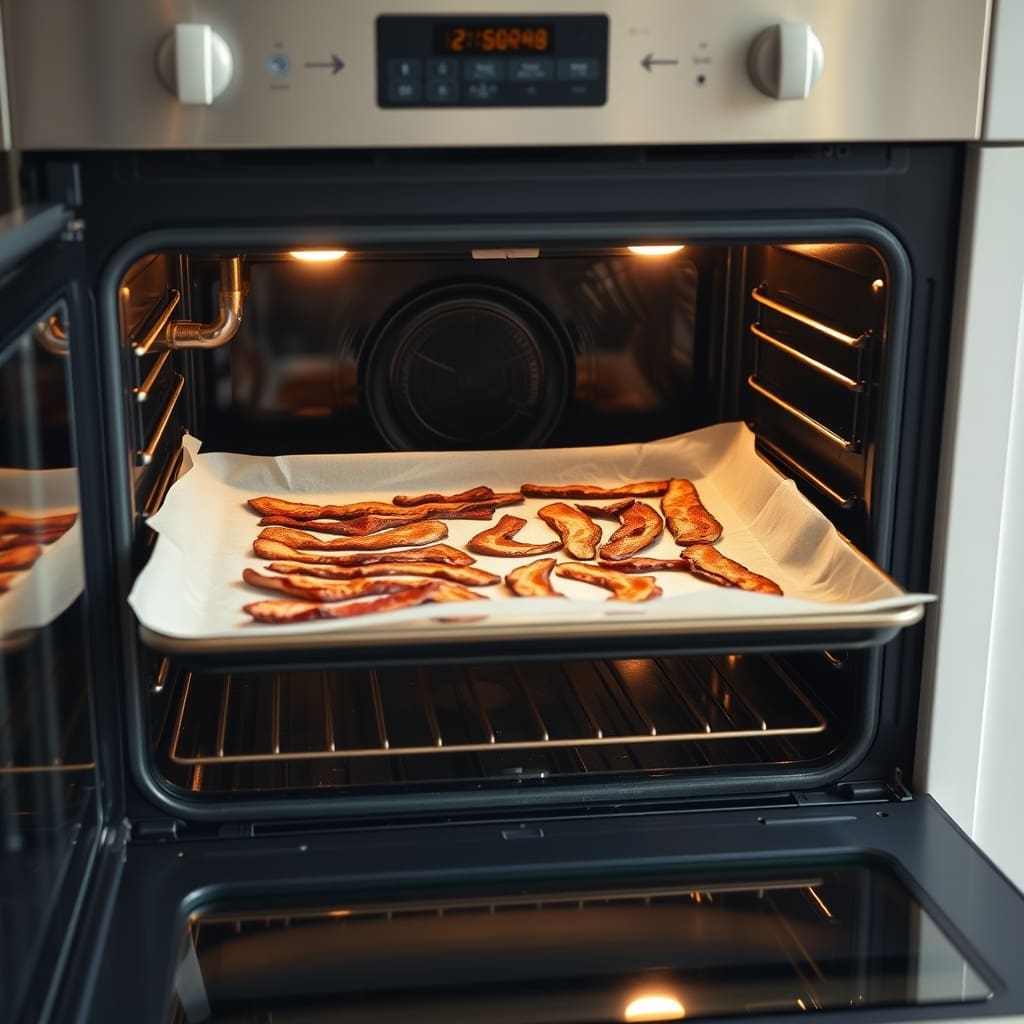
If you are meal prepping for the week or feeding a crowd, the oven is your best friend. Preheat your oven to 375°F (190°C) and line a large baking sheet with parchment paper or a silicone mat.
Lay the marinated strips out, ensuring they don’t touch. Bake for 15 minutes, flip, and bake for another 10–12 minutes.
The oven provides a more consistent, ‘baked-in’ crunch and is generally more forgiving than the pan. This method also uses significantly less oil, making it the preferred choice for those watching their lipid intake.
For an extra-crispy result, place a wire cooling rack on top of the baking sheet and lay the tempeh on the rack; this allows hot air to circulate under the strips, preventing a soggy bottom.
Method 3: The Air Fryer Hack for Ultimate Snap

The air fryer is a game-changer for tempeh bacon. It uses rapid air technology to mimic deep-frying with a fraction of the oil.
Set your air fryer to 360°F (182°C). Arrange the strips in the basket, being careful not to overlap (cook in batches if necessary).
Air fry for 8–10 minutes, shaking the basket halfway through. Because the air fryer removes moisture so efficiently, the result is a lighter, ‘snappier’ bacon that works perfectly as a garnish.
Be mindful that air fryers vary in power; check your bacon at the 7-minute mark to ensure it doesn’t over-crisp. This method is ideal for those who want a quick, mess-free breakfast on a weekday morning.
Beyond the Basics: Creative Flavor Variations
Once you have mastered the base recipe, you can begin to tailor the flavor to your specific meal.
- The Black Pepper Grind: Press cracked black peppercorns into the tempeh strips immediately after marinating for a ‘butcher-style’ kick.
- The Sriracha Maple: Add 1 tablespoon of Sriracha to the marinade for a ‘Sweet & Spicy’ bacon that pairs beautifully with avocado toast.
- The Bourbon Glaze: Replace the rice vinegar with a splash of high-quality bourbon and add a pinch of cinnamon for a sophisticated, ‘Southern-style’ brunch bacon.
- The Chipotle Smoke: Swap smoked paprika for chipotle powder to introduce a deeper, lingering heat that complements Mexican-inspired dishes like breakfast burritos.
Serving Suggestions: From Breakfast to Dinner

Tempeh bacon is incredibly versatile. While it is the star of any BLT (Bacon, Lettuce, Tomato), consider these ‘Pro-Level’ serving ideas or adding it to an ultimate vegan Buddha bowl:
- The Savory Porridge: Top savory oatmeal or congee with crumbled tempeh bacon, scallions, and a drizzle of toasted sesame oil.
- The Carbonara Cheat: Toss chopped tempeh bacon into a vegan carbonara made with silken tofu and nutritional yeast for an authentic ‘guanciale’ replacement.
- The Wedge Salad: Use large, crispy shards of tempeh bacon to top an iceberg wedge salad with vegan blue cheese dressing.
- The Loaded Potato: Nothing beats a baked potato loaded with vegan sour cream, chives, and plenty of tempeh bacon crumbles.
The high protein content makes it an excellent ‘anchor’ for light salads, turning a simple side into a satisfying main course.
Storage and Reheating: Keeping the Crunch Intact
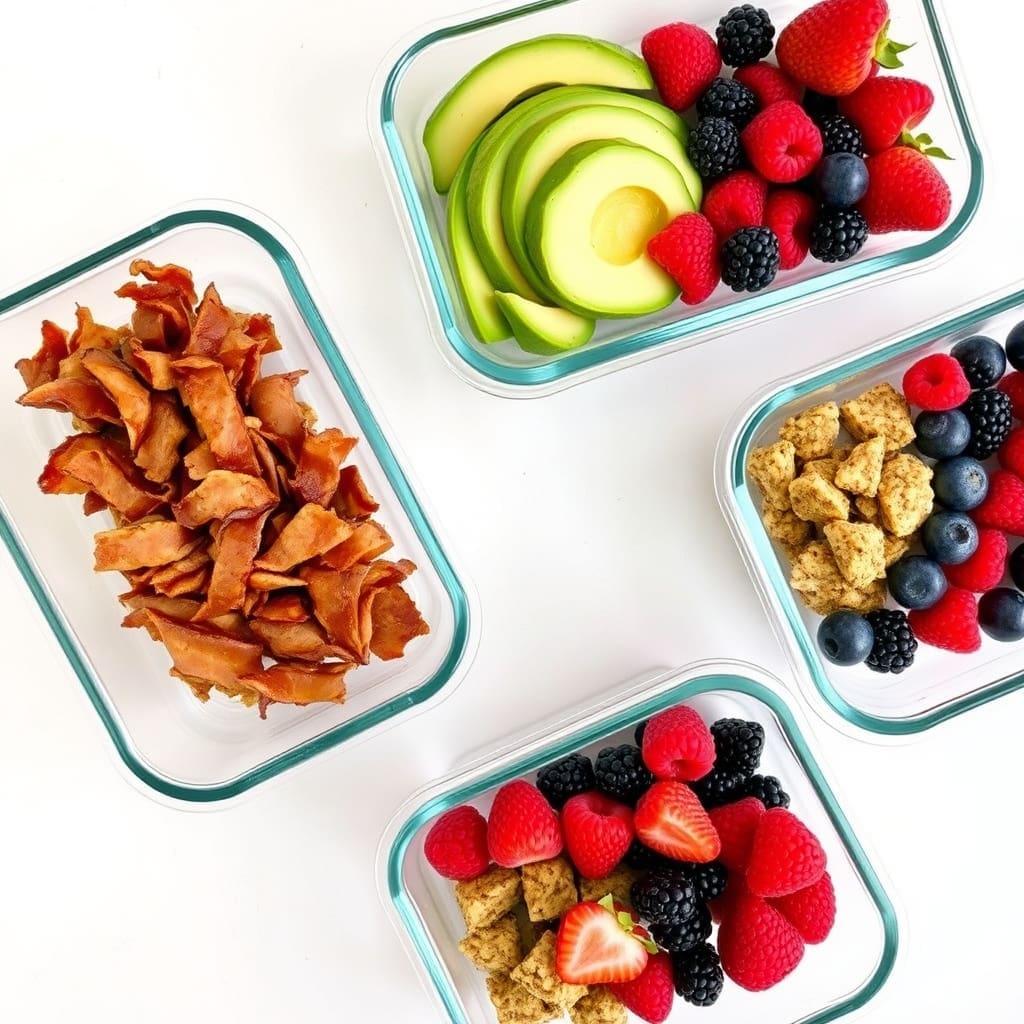
One of the best things about tempeh bacon is how well it stores. You can keep cooked strips in an airtight glass container in the refrigerator for up to 5 days.
To maintain the ‘snap’ and avoid sogginess, I recommend reheating them in a dry skillet over medium heat for 2 minutes or in the air fryer for 3 minutes at 350°F. Avoid the microwave if possible, as it tends to make the tempeh chewy rather than crispy.
You can also freeze marinated (but uncooked) tempeh slices for up to 3 months. Simply thaw in the fridge overnight before frying or baking.
This makes it incredibly easy to have a high-protein breakfast ready in minutes on even the busiest mornings.
Conclusion
Tempeh bacon is more than just a substitute; it is a culinary triumph that bridges the gap between health-conscious eating and deep, savory satisfaction. By mastering the art of the 10-minute steam to remove bitterness and choosing the right cooking method—whether the high-heat sizzle of a cast-iron pan or the convenient crunch of an air fryer—you can elevate this humble fermented soy block into a gourmet staple.
Rich in probiotics, high in protein, and infinitely customizable, it provides a sustainable, compassionate alternative that never asks you to sacrifice flavor. Start with the classic maple-smoke marinade, but don’t be afraid to experiment with black pepper, chipotle, or bourbon glazes to make the recipe uniquely yours.