
Unlock Your Brain’s Potential: How Intermittent Fasting Boosts Cognitive Function

In the relentless pursuit of peak mental performance, we often turn to nootropics, complex productivity hacks, or endless cups of coffee. But what if one of the most powerful tools for boosting your brainpower is not about what you eat, but when you eat?
Intermittent fasting (IF), a dietary approach that cycles between periods of eating and voluntary fasting, has gained immense popularity for its weight management benefits. However, as detailed in journals like Ageing Research Reviews, emerging research reveals a far more compelling advantage: its profound impact on cognitive function and long-term brain health.
This article delves into the science behind how intermittent fasting can sharpen your focus, enhance your memory, and protect your brain for years to come.
Understanding the Basics: What is Intermittent Fasting?
Intermittent fasting isn’t a diet in the conventional sense; it’s an eating pattern. It doesn’t specify which foods to eat, but rather when you should eat them. Still, opting for nutritious choices like a hearty vegan granola to break your fast is an excellent way to support your overall wellness.
Common methods include the 16/8 method (fasting for 16 hours and eating during an 8-hour window), the 5:2 diet (eating normally for five days and restricting calories for two), and Eat-Stop-Eat (a 24-hour fast once or twice a week). The core principle is to give your body a prolonged break from digestion, which triggers a series of metabolic and cellular changes.
During a fast, your body’s insulin levels drop, and cellular repair processes like autophagy are initiated, where cells remove waste products. These processes are not just beneficial for your waistline; they are crucial for your brain.
The Cellular Mechanisms: How Fasting Fuels Your Brain
The cognitive benefits of IF are rooted in several key biological mechanisms. First, fasting increases the production of Brain-Derived Neurotrophic Factor (BDNF), a protein that plays a vital role in the survival of existing neurons and the growth of new ones, a key finding supported by studies in the journal Nutrients.
Higher levels of BDNF are linked to improved learning, memory, and mood. Second, fasting promotes autophagy in brain cells, clearing out damaged proteins and mitochondria that can contribute to neurodegenerative diseases like Alzheimer’s and Parkinson’s.
Finally, by reducing inflammation and oxidative stress—two major drivers of aging and chronic disease—intermittent fasting creates a healthier, more resilient environment for your brain to thrive.
From Theory to Practice: Tangible Cognitive Benefits
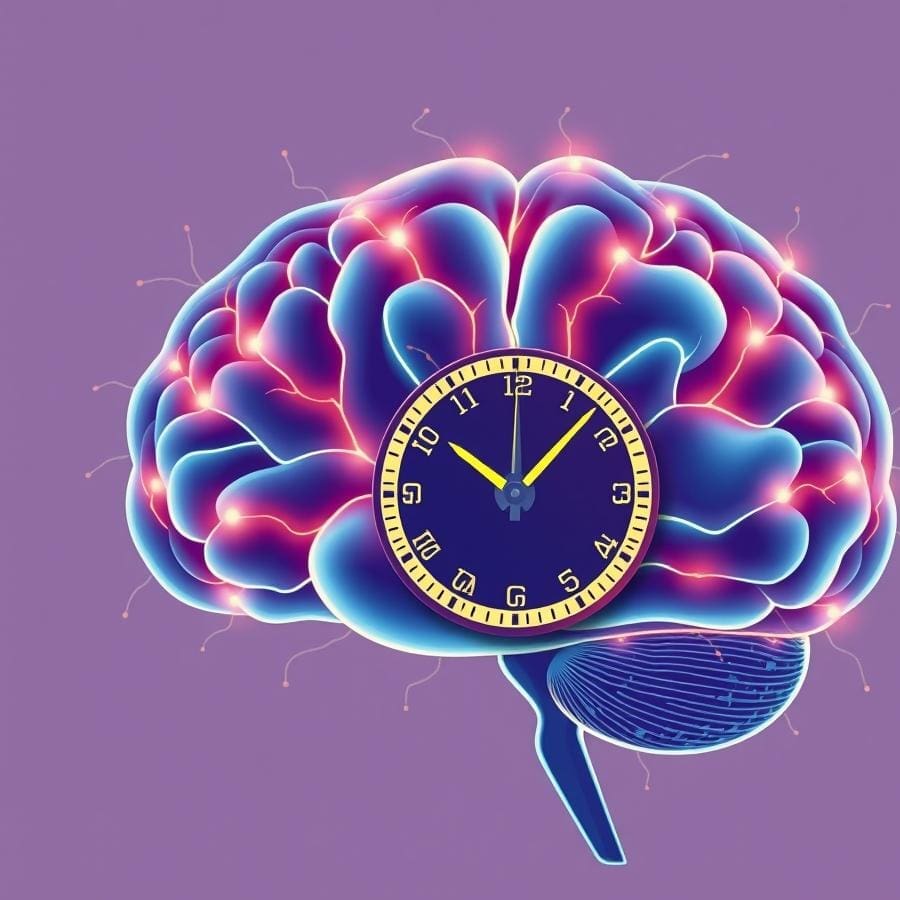
So what does this mean for your day-to-day mental performance? Studies in both animals and humans suggest a range of benefits.
Many practitioners report enhanced focus and mental clarity during fasting periods, a cognitive boost also associated with practices like mindfulness for stress reduction. This metabolic state, where the brain begins using ketones for fuel instead of glucose, is known for providing a more stable and efficient energy source.
While more human-centric research is needed, the existing evidence strongly suggests that IF can be a powerful strategy for sharpening cognitive skills and maintaining mental acuity.
Conclusion
Intermittent fasting offers a compelling, science-backed path to not only a healthier body but also a sharper, more resilient mind. By influencing key cellular processes, promoting the growth of new neurons, and reducing inflammation, IF stands out as a lifestyle intervention with profound neurological benefits.
While it’s not a magic bullet and may not be suitable for everyone, incorporating a strategic fasting pattern into your routine could be the key to unlocking a new level of cognitive performance and protecting your brain’s long-term health. As with any significant lifestyle change, it’s wise to consult with a healthcare professional before you begin.
Can you be more specific about the content of your article? After reading it, I still have some doubts. Hope you can help me.