
Unlock a Healthier You: The Science-Backed Benefits of the Mediterranean Diet
Imagine a diet where you can enjoy delicious foods like olive oil, nuts, fresh fish, and even a glass of red wine, all while boosting your health and longevity. It’s not a fad; it’s the Mediterranean diet, a time-tested eating pattern inspired by the traditional cuisines of countries like Greece, Italy, and Spain.
More than just a list of ‘good’ and ‘bad’ foods, it’s a holistic lifestyle that emphasizes whole foods, social meals, and physical activity. In this guide, we’ll dive into the science-backed benefits of the Mediterranean diet, from protecting your heart and brain to helping you manage your weight, and show you how to easily adopt this healthy and satisfying way of life.
What Exactly is the Mediterranean Diet?

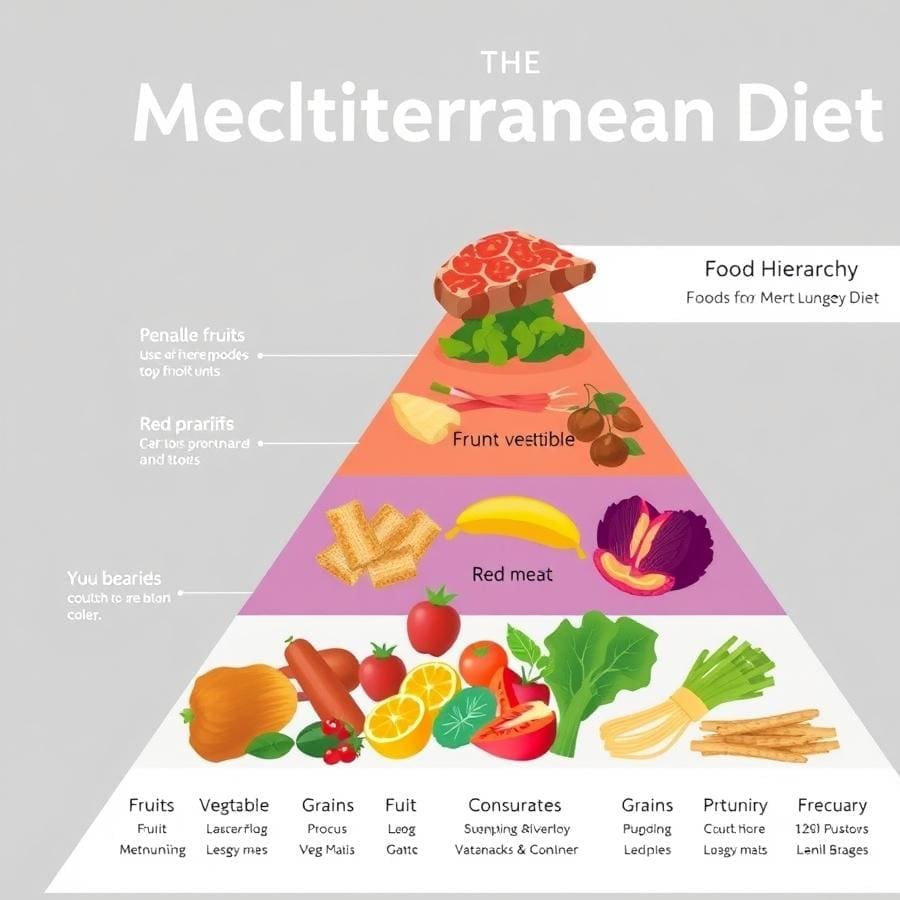
Unlike many modern diets, the Mediterranean diet isn’t a strict set of rules. Instead, it’s a flexible framework that prioritizes plant-based foods. The core of the diet is broken down into a simple pyramid:
- Eat often: Fruits, vegetables, whole grains, legumes, and nuts.
- Primary fat source: Olive oil is the principal source of fat, replacing butter and other less healthy fats.
- Eat in moderation: Fish and poultry a few times a week.
- Eat rarely: Red meat and sweets are reserved for occasional treats.
It also incorporates lifestyle elements like sharing meals with family and friends and staying physically active, making it a sustainable and enjoyable approach to health.
A Champion for Heart Health

Perhaps the most celebrated benefit of the Mediterranean diet is its profound impact on cardiovascular health. Numerous studies have shown that this eating pattern can lower the risk of heart disease, stroke, and high blood pressure.
The magic lies in its components: the monounsaturated fats from olive oil help reduce ‘bad’ LDL cholesterol, the omega-3 fatty acids from fish fight inflammation, and the abundance of antioxidants and fiber from plants protect blood vessels. A landmark study published in the New England Journal of Medicine found that a Mediterranean diet supplemented with extra-virgin olive oil or nuts resulted in a 30% lower incidence of major cardiovascular events.
Nourishing Your Brain for the Long Haul

What’s good for the heart is often good for the brain, and the Mediterranean diet is a prime example. The diet’s emphasis on antioxidants and anti-inflammatory foods helps protect the brain from oxidative stress, a key factor in cognitive decline.
Research suggests that adhering to a Mediterranean diet can slow cognitive decline, improve memory, and reduce the risk of developing Alzheimer’s disease. The healthy fats from olive oil and nuts, along with the rich nutrient profile of the fruits and vegetables, provide the essential building blocks for a sharp and resilient mind.
A Sustainable Approach to Weight Management

If you’re looking to manage your weight without feeling deprived, the Mediterranean diet is an excellent choice. Because it is rich in fiber from whole grains, legumes, and vegetables, it helps you feel full and satisfied, reducing the likelihood of overeating.
It’s a far cry from crash diets; it focuses on nutrient-dense, flavorful foods, making it a pattern you can stick with for life. This sustainable approach not only aids in weight loss but also helps in preventing type 2 diabetes by improving blood sugar control and insulin sensitivity.
Conclusion
The Mediterranean diet is more than just a passing trend; it’s a well-researched, delicious, and sustainable lifestyle that offers a wealth of health benefits. By focusing on whole, plant-based foods, healthy fats, and mindful eating, you can protect your heart, sharpen your mind, and maintain a healthy weight.
The best part? It’s not about restriction, but about abundance and enjoyment.
Start today by making small changes, like swapping butter for olive oil or adding an extra serving of vegetables to your dinner, and embark on your journey to a healthier, more vibrant you.