
How to Make the Best Vegan Coconut Cream Pie (Easy Recipe)
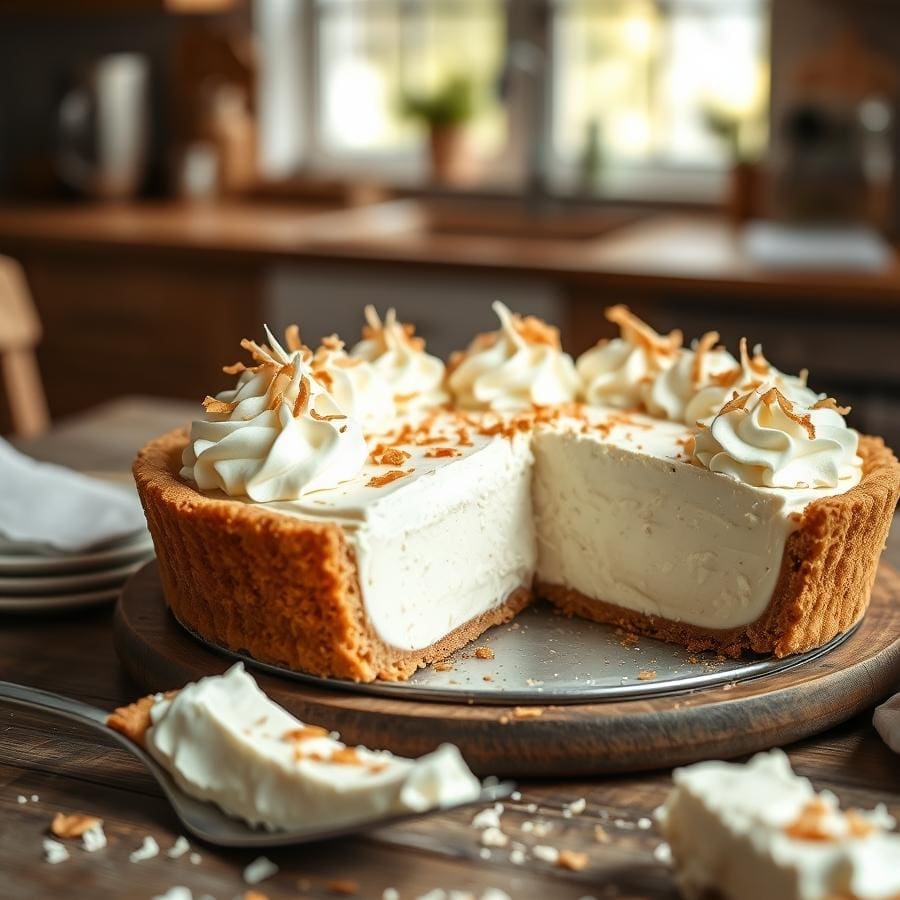
Get ready to fall in love with the creamiest, dreamiest dessert imaginable. This Vegan Coconut Cream Pie is a masterpiece of textures and tropical flavor, proving that you don’t need dairy to achieve pure decadence.
It starts with a perfectly crisp, flaky homemade pie crust, which cradles a rich, velvety coconut custard filling. The grand finale is a generous layer of light, airy vegan whipped cream, garnished with a sprinkle of toasted coconut.
It’s the kind of dessert that silences a room and earns rave reviews at any gathering, from summer barbecues to holiday feasts. Whether you’re a lifelong coconut lover or new to vegan baking, this recipe is designed to be straightforward, rewarding, and unbelievably delicious.
The Science Behind the Perfect Vegan Cream Pie
To create a truly spectacular coconut cream pie, it’s helpful to understand the role of our key ingredients. This isn’t just about mixing; it’s about food science!
The magic of this recipe lies in how a few simple, plant-based components work together to create a rich, stable, and creamy texture that rivals any traditional dairy-based pie.
- Full-Fat Coconut Milk: This is the star of the show and the primary source of fat. The high fat content is crucial for a rich mouthfeel and creamy consistency. As the pie chills, these fats solidify, helping the custard set into a firm, sliceable texture. According to data from the USDA, canned coconut milk contains significantly more fat than carton varieties, making it essential for this recipe.
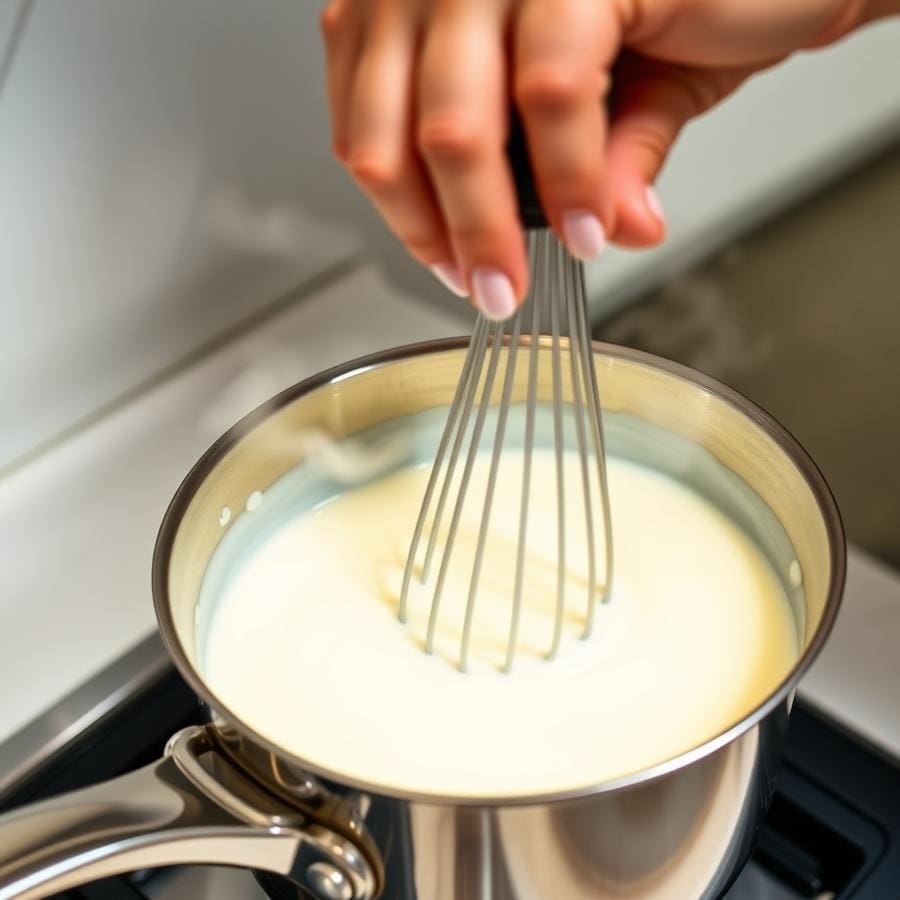
- Cornstarch: This is our thickening agent. When heated with liquid, the starch granules swell and burst, a process called gelatinization. This creates a network that traps water, thickening the milk mixture into a spoon-thick custard. Its neutral flavor ensures the coconut taste shines through.
- Vegan Butter: Added at the end, off the heat, vegan butter enriches the filling, adding a silky-smooth finish and a flavor depth that mimics classic custard. It emulsifies into the hot mixture, creating a more luxurious texture.
What Tools Will You Need?
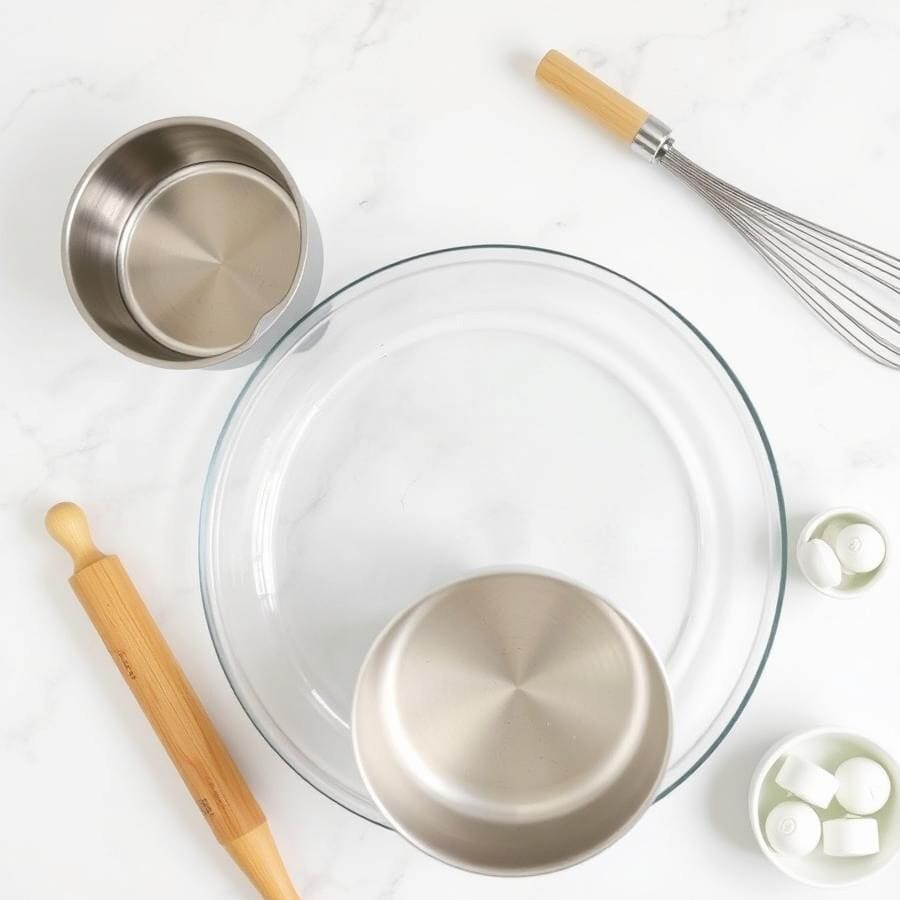
Having the right tools ready before you start makes the baking process smooth and enjoyable. You don’t need anything too fancy, but these items are key to success.
- 9-inch Pie Plate: A standard glass, ceramic, or metal pie dish is perfect. Glass is great because you can see if the bottom of the crust is golden brown.
- Medium Saucepan: For cooking the custard filling. A heavy-bottomed pan is ideal as it distributes heat more evenly and prevents scorching.
- Whisk: Essential for ensuring your custard is silky smooth and free of lumps.
- Rolling Pin: For rolling out your homemade pie dough.
- Pie Weights: To prevent the crust from puffing up or shrinking during blind baking. If you don’t have professional pie weights, you can use dried beans, uncooked rice, or even granulated sugar.
- Mixing Bowls: You’ll need a few in various sizes for mixing the cornstarch slurry and preparing other components.
- Spatula: A rubber or silicone spatula is necessary for scraping the saucepan and smoothing the filling.
- Piping Bag and Tip (Optional): If you want to create beautiful decorative swirls with the whipped cream. A large star tip works well.
Gather Your Ingredients
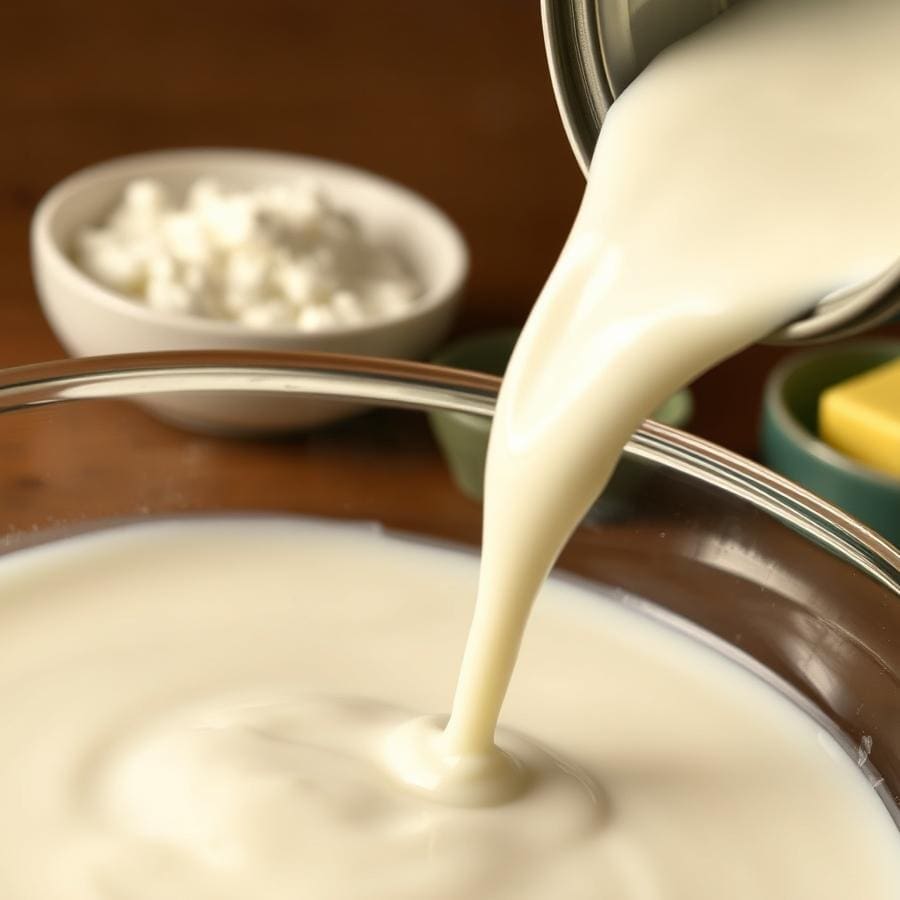
This recipe uses simple, accessible ingredients. For best results, use the specific types recommended, especially the full-fat coconut milk.
For the Vegan Pie Crust:
- 1 single-crust recipe of your favorite Vegan Pie Crust. You can use a homemade recipe for the flakiest result, a store-bought vegan crust to save time, or a gluten-free crust if needed.
How to Make Vegan Coconut Cream Pie Step-by-Step
Follow these steps closely for a perfect pie. The process is broken down into four main stages: preparing the crust, making the filling, chilling the pie, and finally, adding the topping.
Part 1: Blind Bake the Pie Crust
This step is crucial for a crisp crust that won’t get soggy.
- Prepare the Crust: Roll out your chilled pie dough and gently fit it into your 9-inch pie plate. Trim and crimp the edges as desired. Prick the bottom of the crust with a fork a few times.
- Add Weights: Line the crust with parchment paper or aluminum foil, ensuring it covers the bottom and sides. Fill it to the top with pie weights, dried beans, or uncooked rice. This prevents the crust from puffing up.
- Bake: Bake in a preheated oven at 400°F (200°C) for 15-20 minutes.
- Remove Weights & Bake Again: Carefully remove the foil/parchment and the weights. Return the crust to the oven and bake for another 10-15 minutes, or until it’s a deep golden brown.
- Cool Completely: Set the baked crust aside to cool completely before you add the filling.
Part 2: Cook the Coconut Custard
- Make the Slurry: In a small bowl, whisk the soy milk and cornstarch together until no lumps remain. This is called a slurry and it will prevent lumps in your custard.
- Heat the Base: In a medium saucepan, combine the full-fat coconut milk and sugar. Whisk to combine and heat over medium heat until it begins to simmer gently.
- Thicken the Custard: Once simmering, slowly pour in the cornstarch slurry while whisking constantly. Continue to whisk as the mixture comes to a boil. Once it boils, reduce the heat to low and simmer for 1-2 more minutes, still whisking, until it becomes very thick, like pudding.
- Add Final Ingredients: Immediately remove the saucepan from the heat. Stir in the optional shredded coconut, cubed vegan butter, vanilla extract, and coconut extract until the butter is fully melted and everything is smooth.
Part 3: Assemble and Chill
- Fill the Pie: Pour the hot custard filling into the cooled, pre-baked pie crust. Use a spatula to smooth the top.
- Prevent a Skin: Press a piece of plastic wrap directly onto the surface of the custard. This prevents a rubbery “skin” from forming as it cools.
- Chill Thoroughly: Place the pie in the refrigerator to chill for at least 4 hours, or preferably overnight. The pie must be completely cold and firm before serving.
Part 4: Garnish and Serve
- Top with Cream: Once the pie is fully chilled and set, top it with vegan whipped cream. You can spread it evenly with a spatula for a rustic look or use a piping bag to create elegant swirls.
- Garnish: Sprinkle toasted coconut flakes over the top.
- Serve: Slice and serve immediately. Keep any leftovers covered in the refrigerator.
Troubleshooting Common Problems
Even the most seasoned bakers run into trouble sometimes. Here’s a guide to fixing the most common issues with cream pies.
- Why is my filling runny?
This is the most frequent problem, and it’s almost always due to one of two things. First, the custard may not have been cooked long enough. You must bring the mixture to a full boil after adding the cornstarch slurry and continue whisking for at least a minute. This is essential to activate the cornstarch’s full thickening power. Second, the pie was not chilled for long enough. A minimum of 4 hours is required, but overnight is even better to ensure the coconut fats and cornstarch set up firmly. - Why did my pie crust shrink during baking?
Shrinkage usually happens when the dough wasn’t allowed to rest enough. After making your dough, let it chill in the fridge for at least 30 minutes before rolling. After lining the pie plate, it’s a great idea to chill it again for 15-20 minutes before baking. As explained in guides on the science of pie dough, this relaxes the gluten, preventing it from seizing up and shrinking in the oven’s heat. Also, ensure you fill the crust completely to the top with pie weights to support the sides as it bakes. - My whipped topping deflated and got watery.
This often happens when using a less stable vegan whipped cream or when the pie isn’t cold enough. Make sure your custard filling is thoroughly chilled before topping. If making homemade whipped cream (especially a coconut-based one), ensure your bowl and beaters are chilled and that you don’t over-whip it. For maximum stability, choose a recipe that includes a stabilizer like cream of tartar or use a reliable store-bought option like So Delicious CocoWhip right before serving.
Expert Tips for Success and Variations
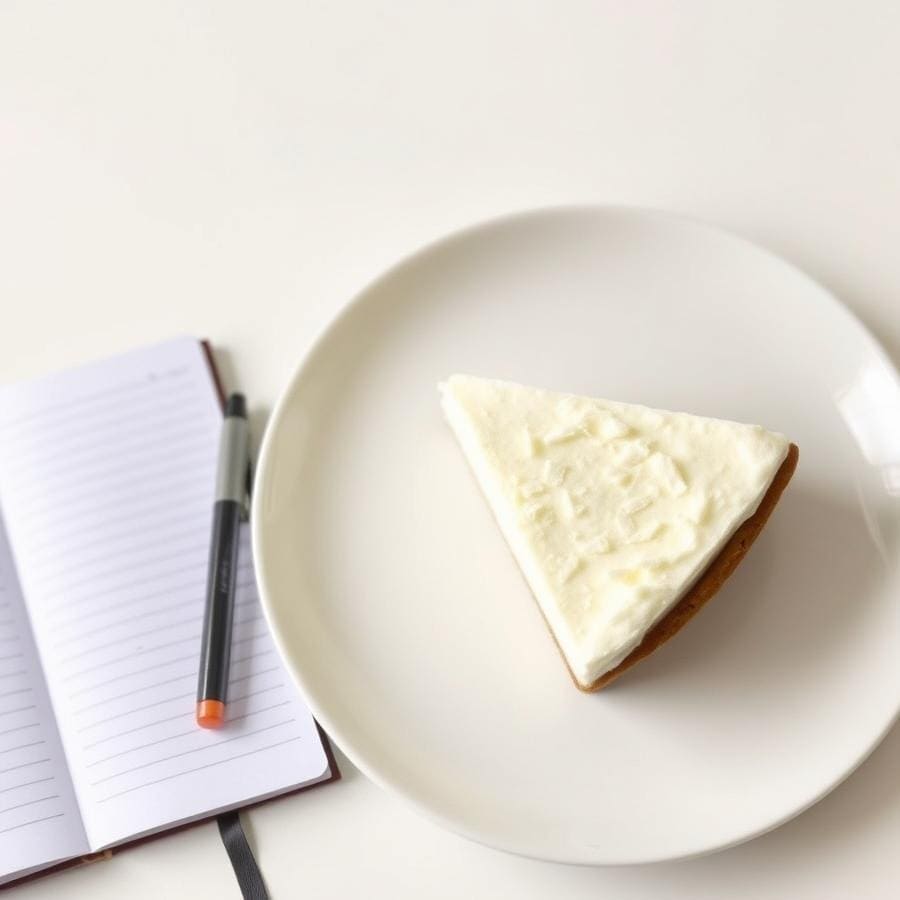
Here are a few extra tips and variations to help you customize your pie and guarantee a perfect result every time.
- Toast Your Coconut: For a deeper, nuttier flavor, toast the shredded coconut (for the filling) and the coconut flakes (for the garnish). Spread it on a baking sheet and bake at 350°F (175°C) for 3-5 minutes, watching it carefully as it burns quickly.
- For a No-Bake Version: Don’t want to turn on the oven? Use a store-bought vegan graham cracker crust or cookie crust. The filling is already no-bake, so this swap makes the entire dessert oven-free.
- Gluten-Free Option: Simply use your favorite gluten-free pie crust recipe or a pre-made gluten-free crust from the store. The filling and topping are naturally gluten-free.
- Achieve a Thicker Custard: If you live in a very humid climate or prefer an extra-firm custard, you can increase the cornstarch by 1 tablespoon.
- Make it Ahead: You can prepare this pie in stages. The pie crust can be baked up to 2 days in advance and stored in an airtight container at room temperature. The filling can be made and chilled in the crust up to 24 hours ahead of time. Just wait to add the whipped cream and garnish until right before you plan to serve it for the best texture.
Frequently Asked Questions
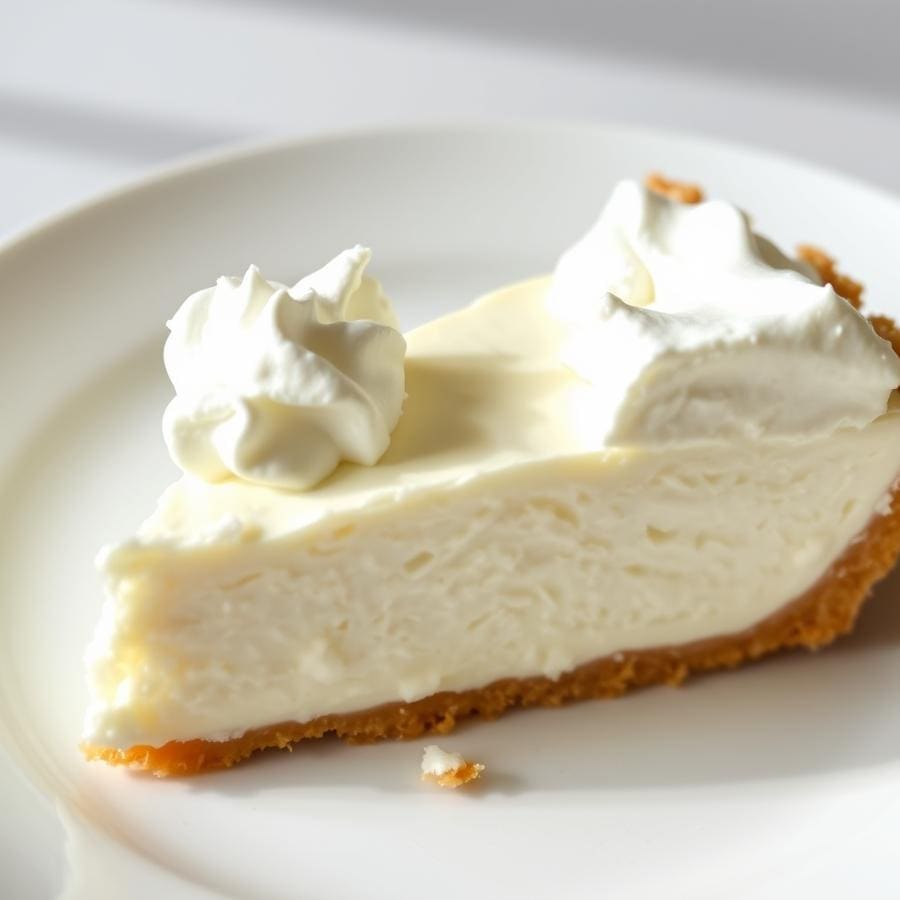
Here are answers to some common questions about making this pie.
- Can I use light coconut milk?
I strongly advise against it. Light coconut milk or coconut milk from a carton has a much lower fat and higher water content. Your filling will not set properly and will likely be thin and runny. Canned, full-fat coconut milk is essential for the rich, creamy texture. - How long does this pie last in the fridge?
Leftover vegan coconut cream pie will last for up to 3-4 days when stored properly covered in the refrigerator. The crust will soften slightly over time, so it’s best enjoyed within the first 2 days. - Can I freeze coconut cream pie?
Unfortunately, this pie does not freeze well. The cornstarch-based custard can become watery and separate upon thawing, and the whipped cream can weep. It is best enjoyed fresh. - What’s the best vegan whipped cream to use?
For the sturdiest, most pipe-able topping, a store-bought vegan heavy whipping cream alternative (like Silk or Country Crock) or a product like So Delicious CocoWhip works great. If you prefer homemade, an aquafaba-based whipped cream is light and airy, while a chilled coconut cream-based whip will enhance the coconut flavor.
Conclusion
There you have it – a luscious, crowd-pleasing Vegan Coconut Cream Pie that’s as fun to make as it is to eat. This pie isn’t just a dessert; it’s a celebration of texture and flavor, from the crisp, buttery crust to the velvety coconut custard and the cloud-like whipped topping.
It proves that you don’t need dairy to create a rich, decadent, and completely satisfying treat. So preheat your oven, grab your whisk, and get ready to create a new favorite dessert for your family and friends.
Happy baking!