
A Beginner’s Guide to the Ketogenic Diet: Unlocking a Healthier You

The ketogenic diet, or ‘keto’ for short, has surged in popularity as a powerful tool for weight loss and improved metabolic health, often paired with practices like intermittent fasting. It’s more than just a diet; it’s a metabolic shift that changes how your body sources energy.
By drastically reducing carbohydrate intake and replacing it with fat, the body enters a state called ketosis, where it burns fat for fuel instead of glucose. This guide will walk you through the science, the benefits, the foods, and the practical steps to help you decide if the ketogenic diet is the right path for you.
What is Ketosis? The Science Behind the Keto Diet
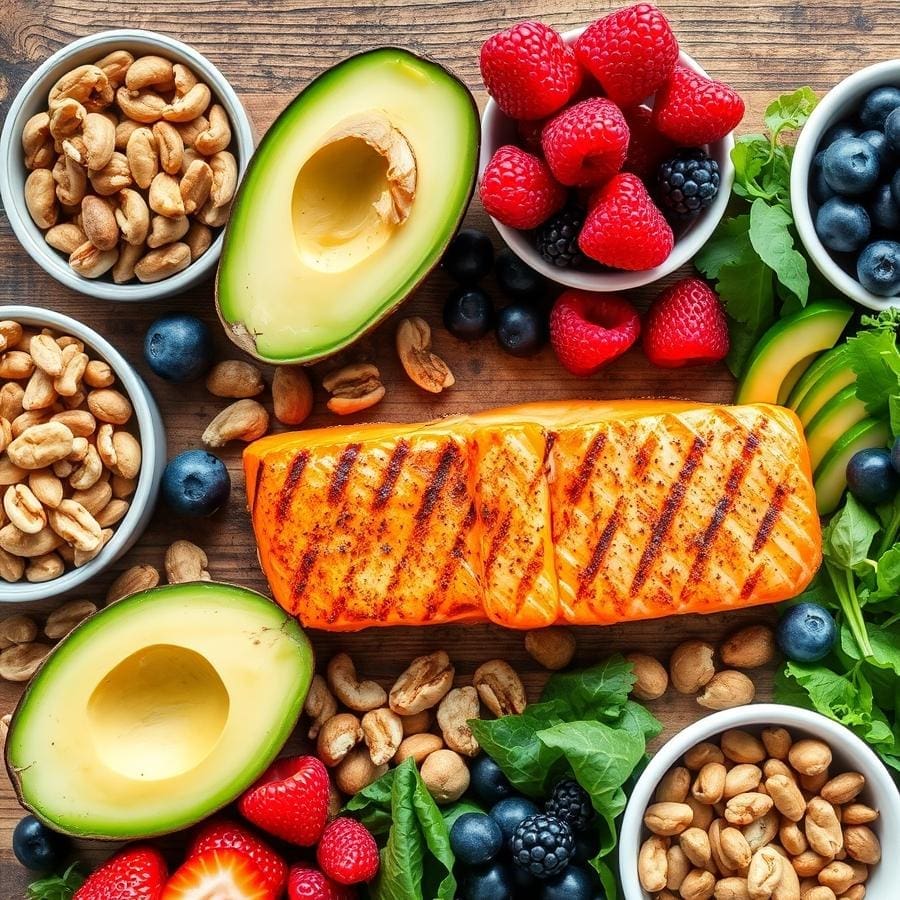
At its core, the ketogenic diet is about shifting your body’s primary fuel source. Normally, our bodies run on glucose, which is derived from carbohydrates in our diet.
When you significantly limit carbs (typically to under 50 grams per day), your body’s glucose reserves are depleted. In response, the liver begins to break down fats into molecules called ketones.
These ketones then become the main source of energy for the body and brain. This metabolic state is known as ketosis.
Achieving ketosis requires a specific macronutrient ratio: typically 70-75% of calories from fat, 20-25% from protein, and only 5-10% from carbohydrates.
The Science-Backed Health Benefits of Going Keto

The appeal of the keto diet extends far beyond weight loss. In fact, a review in the European Journal of Clinical Nutrition has highlighted its potential therapeutic benefits, which are supported by extensive research on low-carbohydrate metabolism.
The most well-known benefit is significant and often rapid weight loss, driven by reduced appetite and increased fat burning. Beyond the scale, many people report enhanced mental clarity and focus, a benefit that can be further supported by practices like mindfulness meditation.
The diet has also been shown to dramatically improve blood sugar control and insulin sensitivity, making it a promising strategy for managing type 2 diabetes. Other potential benefits include improved heart health markers, reduced inflammation, and even potential applications in neurological disorders like epilepsy, where its mechanisms have been extensively studied.
What to Eat and Avoid: Building Your Keto Plate
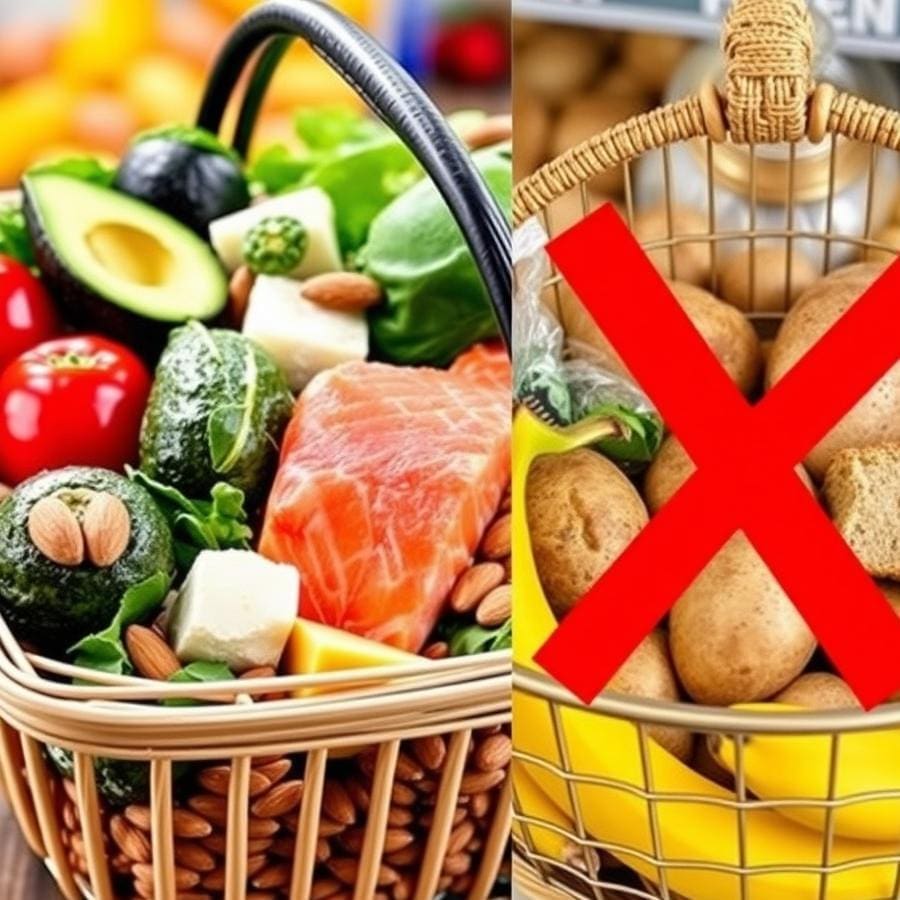
Starting keto means rethinking your grocery list. The focus is on whole, unprocessed foods. Focus on these keto-friendly food groups:
- Healthy Fats: Avocado, olive oil, coconut oil, and butter.
- High-Quality Proteins: Fatty fish (salmon, sardines), beef, poultry, and eggs.
- Low-Carb Vegetables: Leafy greens, broccoli, cauliflower, zucchini, and bell peppers.
- Full-Fat Dairy: Cheese, heavy cream, and cream cheese.
- Nuts and Seeds: Almonds, walnuts, chia seeds, and flaxseeds in moderation.
The list of foods to avoid is just as important:
- Sugary Foods & Drinks: Soda, fruit juice, smoothies, cake, ice cream, and candy.
- Grains and Starches: Wheat-based products, rice, pasta, cereal, and potatoes.
- Most Fruits: All fruit except for small portions of berries like strawberries and blueberries.
- Legumes: Beans, lentils, peas, and chickpeas.
Reading labels becomes crucial to avoid hidden sugars and carbs.
Navigating the ‘Keto Flu’ and Common Challenges

As your body adapts to using fat for fuel, you might experience a set of short-term symptoms known as the ‘keto flu’. These can include headaches, fatigue, irritability, and nausea.
This is not a true flu but a result of electrolyte imbalance and dehydration as your body sheds water weight. The best way to combat it is to increase your intake of water and electrolytes, particularly sodium, potassium, and magnesium.
A cup of bouillon or adding extra salt to your food can make a huge difference. These symptoms typically subside within a week as your body becomes fully ‘keto-adapted’.
Conclusion
The ketogenic diet is a powerful metabolic tool that offers significant benefits for weight loss, cognitive function, and blood sugar management. While it requires dedication and a major shift in eating habits, the potential health rewards can be transformative.
By focusing on nutrient-dense, whole foods and listening to your body, especially during the initial adaptation phase, you can successfully navigate the world of keto and unlock a new level of well-being. As with any major dietary change, it’s wise to consult with a healthcare professional before you begin.