
A Beginner’s Guide to the Mediterranean Diet: A Lifestyle for Longevity
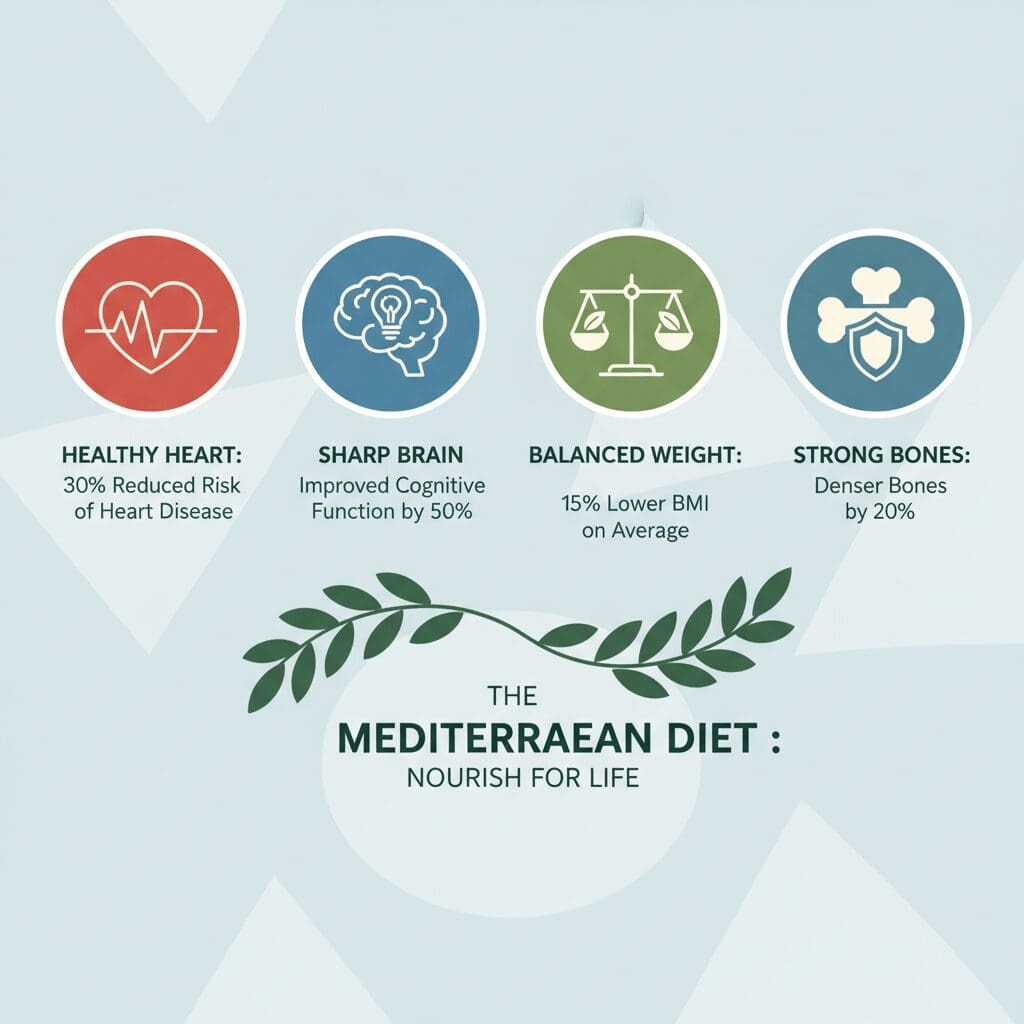
Imagine a diet that doesn’t involve calorie counting, restrictive rules, or bland food. Instead, it’s rich in flavorful fruits and vegetables, hearty whole grains, healthy fats, and fresh seafood.
This isn’t a fantasy—it’s the Mediterranean diet, a way of eating modeled on the traditional cuisines of countries bordering the Mediterranean Sea. For decades, researchers have celebrated this dietary pattern for its remarkable ability to reduce the risk of heart disease, boost brain function, and promote a longer, healthier life, a consensus supported by institutions like the Harvard T.H. Chan School of Public Health.
This comprehensive guide will walk you through the core principles, the science-backed benefits, and practical steps to seamlessly incorporate this life-changing way of eating into your daily routine.
What is the Mediterranean Diet?
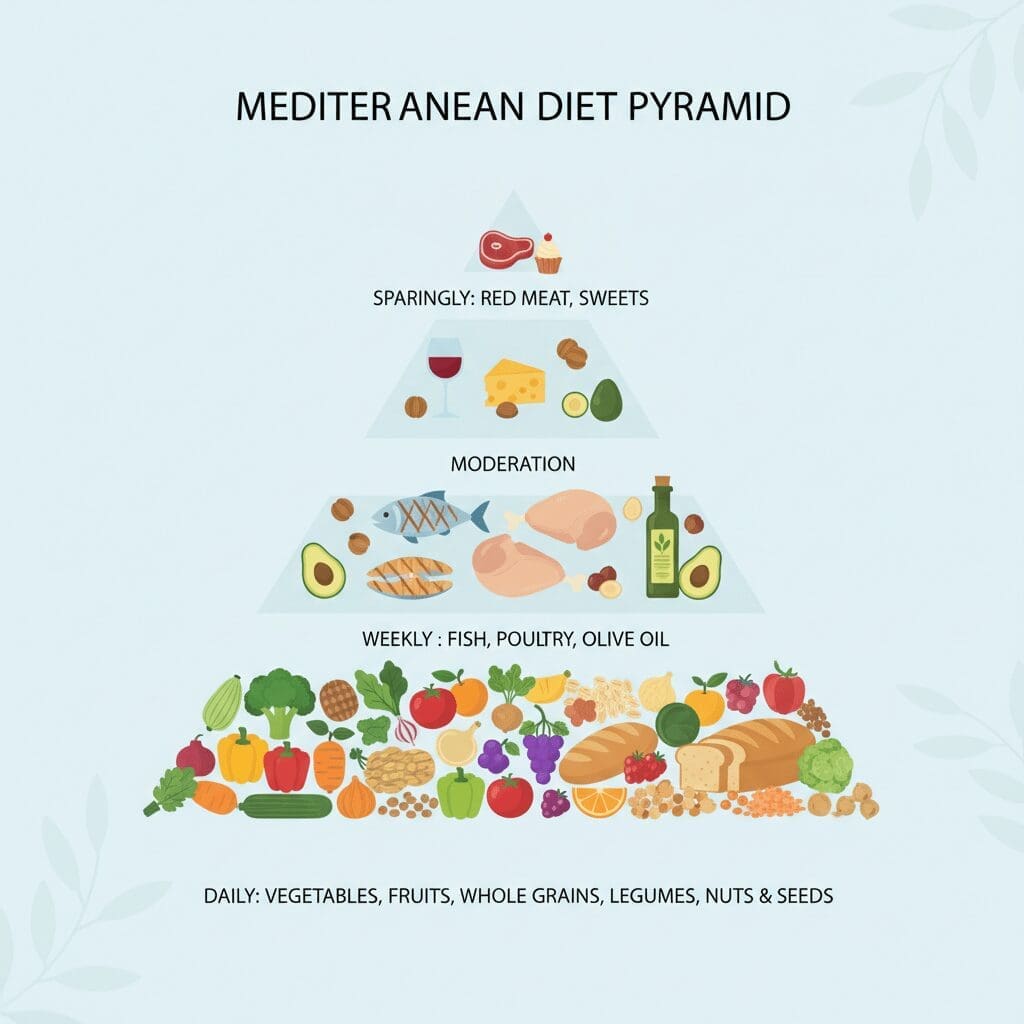
The Mediterranean diet is not a structured, commercial diet plan but rather an eating pattern. It emphasizes plant-based foods and healthy fats.
The foundation of the diet is built upon an abundance of fruits, vegetables, whole grains, legumes, nuts, and seeds. Olive oil is the principal source of fat, replacing other fats and oils like butter or margarine.
Fish and poultry are consumed in moderate amounts a few times a week, while red meat and sweets are enjoyed only on special occasions. It also incorporates a lifestyle element, encouraging regular physical activity and sharing meals with others, which contributes to overall well-being.
The Science-Backed Health Benefits
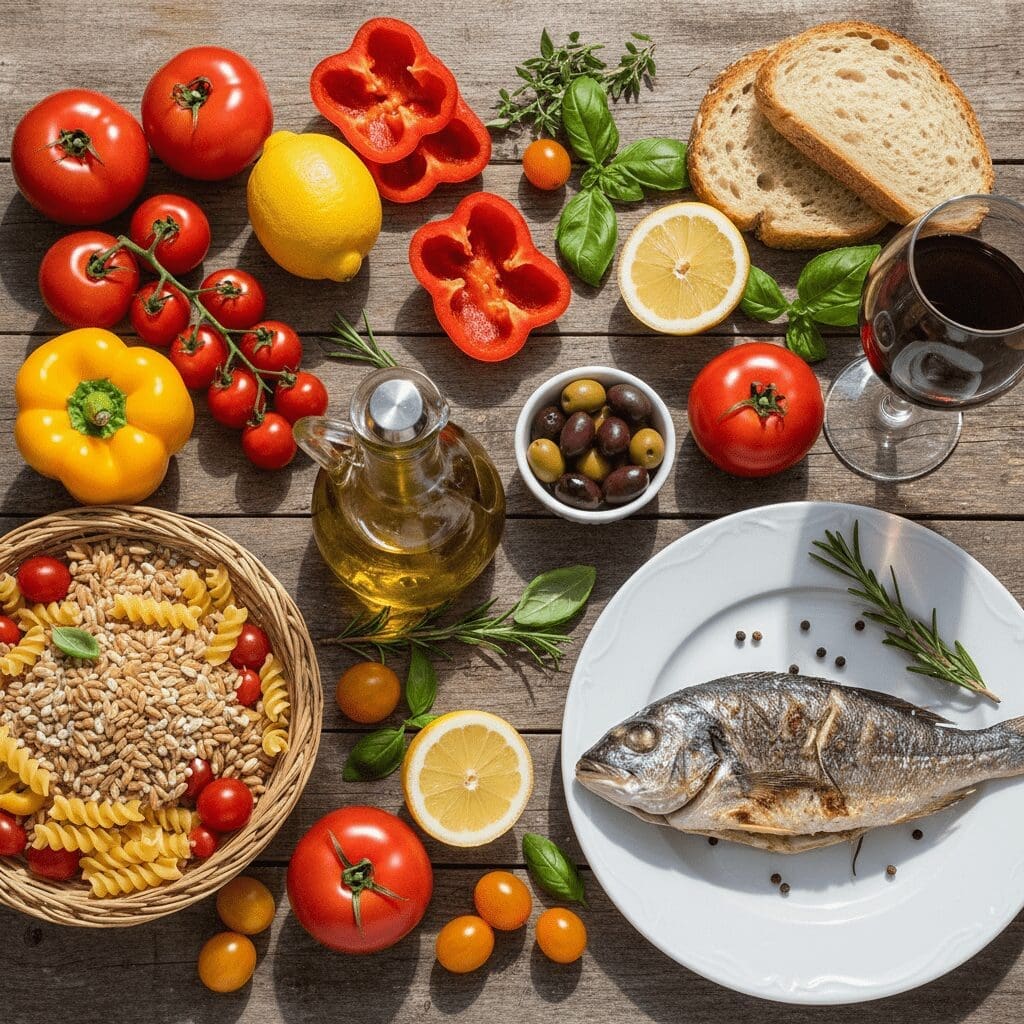
The global acclaim for the Mediterranean diet is rooted in extensive scientific research. One of its most well-documented benefits is promoting heart health, a conclusion echoed by the Mayo Clinic.
Studies published in The New England Journal of Medicine, such as the landmark PREDIMED trial, have shown that it can significantly lower the risk of heart attack, stroke, and death from heart disease. This is attributed to its high content of monounsaturated fats from olive oil, omega-3 fatty acids from fish, and antioxidants from plant-based foods, which help reduce inflammation, lower bad cholesterol (LDL), and improve blood vessel function.
Beyond the heart, this diet is linked to a lower risk of type 2 diabetes, improved brain health with a reduced risk of Alzheimer’s disease, and sustainable weight management.
Building Your Mediterranean Plate: Foods to Enjoy
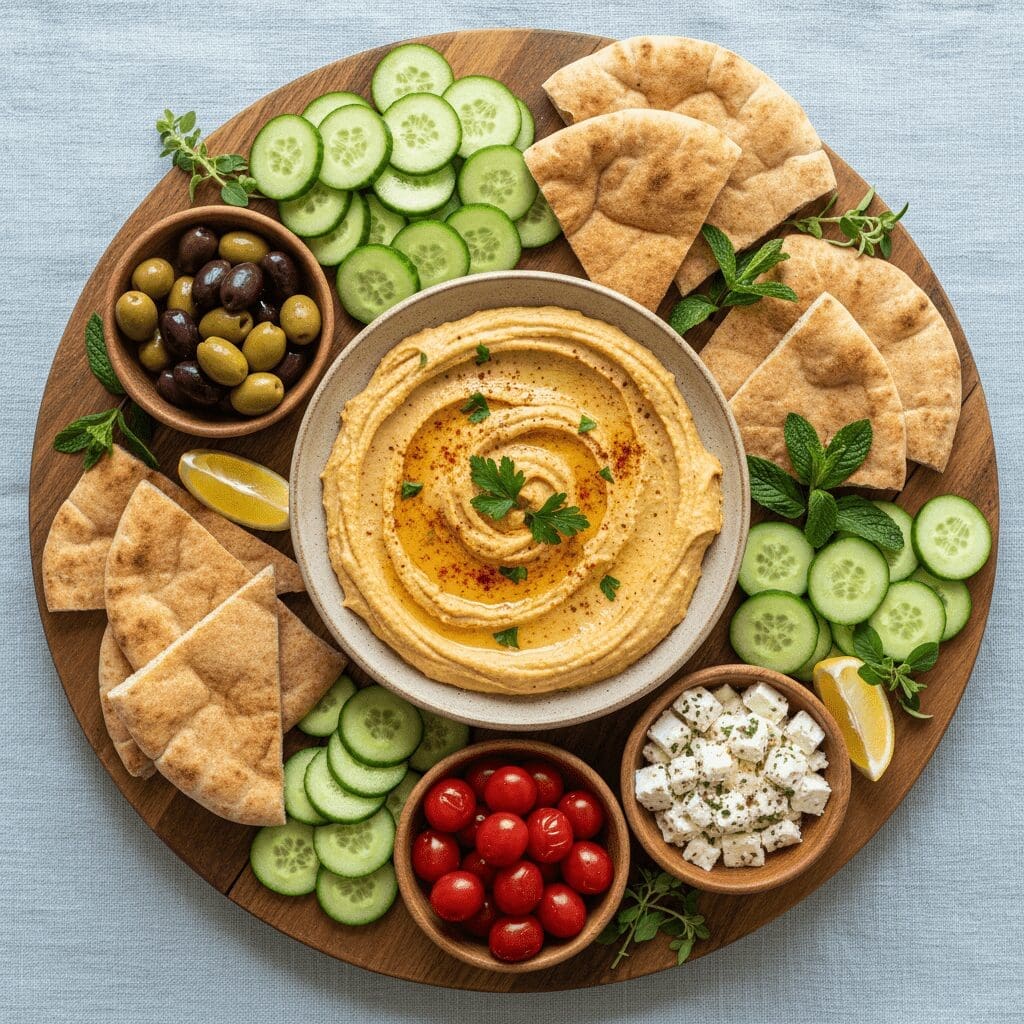
Adopting the Mediterranean diet is about adding more delicious, nutrient-dense foods to your meals. Focus on building your plate around these core components:
- Vegetables: A wide variety, including tomatoes, broccoli, kale, spinach, onions, and cucumbers.
- Fruits: Eat them as a daily dessert. Apples, bananas, oranges, figs, and grapes are great choices.
- Nuts, Seeds, and Legumes: Almonds, walnuts, lentils, chickpeas, and beans are packed with fiber and protein. Tofu, made from soybeans, is another excellent source of protein that can be prepared in delicious ways, such as crispy gochujang tofu.
- Whole Grains: Oats, brown rice, quinoa, and whole-wheat bread and pasta. You can use whole-grain noodles to create flavorful dishes like easy vegan drunken noodles.
- Fish and Seafood: Aim for at least two servings per week. Salmon, sardines, tuna, and mackerel are rich in omega-3s.
- Healthy Fats: Extra virgin olive oil is your primary cooking fat. Avocados and olives are also excellent.
- Poultry and Eggs: Chicken, turkey, and eggs are fine in moderation.
- Dairy: Yogurt and cheese, especially feta and Greek yogurt, can be part of the diet.
- Herbs and Spices: Use garlic, basil, mint, and cinnamon to flavor food instead of salt.
Foods to Limit or Avoid

The Mediterranean diet is inclusive, but certain foods should be minimized to reap the full benefits. These are typically high in unhealthy fats, sugar, and sodium.
Try to limit:
- Added Sugars: Found in sodas, candies, ice cream, and many processed snacks. If you’re craving a sweet treat, consider baking your own, like these chewy almond flour cookies, to control the ingredients.
- Refined Grains: White bread, pasta made with refined wheat, and pastries.
- Trans Fats: Found in margarine and various processed foods.
- Processed Meats: Sausages, hot dogs, and deli meats.
- Highly Processed Foods: Anything labeled ‘low-fat’ or ‘diet’ or foods that come in a box with a long list of artificial ingredients.
Conclusion
The Mediterranean diet offers a sustainable, delicious, and scientifically-proven path to better health. By focusing on whole, flavorful foods and embracing a balanced lifestyle, you can nourish your body and reduce your risk of chronic disease without feeling deprived.
It’s not about a short-term fix; it’s about adopting a long-term pattern of eating that you can enjoy for the rest of your life. Start by making small changes, like swapping butter for olive oil or adding a large salad to your daily routine, and you’ll be on your way to a healthier, more vibrant you.