
Festive Vegan Kale Salad with Pecan Parmesan and Oil-Free Lemon Dressing
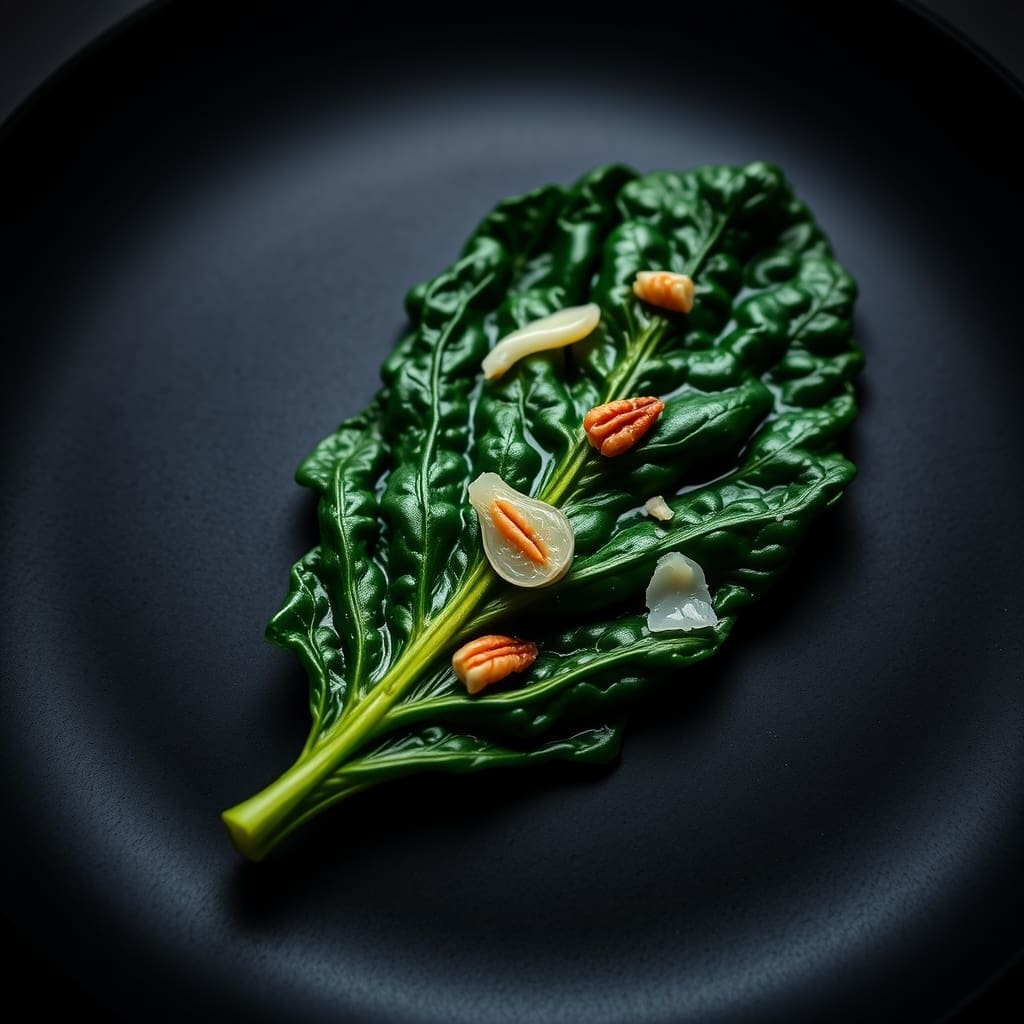
The holiday season often brings a parade of heavy, calorie-dense dishes that leave us feeling sluggish. This Festive Kale Salad is the antidote—a vibrant, nutrient-dense masterpiece that brings much-needed brightness to any holiday spread.
While many perceive kale as tough or bitter, this recipe transforms the hearty green into a tender, crave-worthy base using professional culinary techniques and a deep understanding of plant-based chemistry. As a nutritionist, I look for recipes that do more than just provide calories; they should offer a symphony of micronutrients while satisfying the ‘umami’ cravings our bodies naturally seek.
This salad achieves that balance by combining the earthy notes of Lacinato kale with a savory, protein-rich ‘parmesan’ made from pecans and nutritional yeast. The addition of a zesty, oil-free lemon dressing provides the necessary acidity to break down the kale’s fiber, making it both easier to digest and more palatable for those who usually avoid raw greens.
Whether you are a lifelong vegan or simply looking to add a healthy, gluten-free side to your Christmas or Thanksgiving dinner, this salad is designed to impress both the palate and the body. It’s a celebration of seasonal ingredients that proves you don’t need oil or dairy to create a dish that is the star of the show.
Why This Recipe Works for Your Health and Palate

This recipe isn’t just a collection of ingredients; it’s a study in flavor profiling. Most holiday dishes lean heavily on salt and fat. This salad introduces a critical ‘acid’ component through fresh lemon juice, which cuts through the richness of traditional holiday sides like mashed potatoes or stuffing.
The ‘Pecan Parmesan’ adds a layer of umami—the savory fifth taste—that is often missing in plant-based salads. You can find more inspiration in our versatile dairy-free staple guide. By processing pecans with nutritional yeast and salt, we create a texture that mimics traditional dairy parmesan while providing heart-healthy monounsaturated fats.
Research published in the Journal of Nutrition indicates that the fats found in nuts like pecans can improve the absorption of fat-soluble vitamins (like Vitamin K and A) found in the kale, making this salad as functional as it is flavorful. Moreover, the maple syrup in the dressing provides a subtle sweetness that balances the bitterness of the kale, creating a rounded flavor profile that appeals to even the pickiest eaters.
The Science of Massaging Kale for Better Digestion

The most common complaint about raw kale is its tough, ‘rubbery’ texture. This is due to a complex carbohydrate called cellulose that makes up the plant’s cell walls. Unlike humans, our digestive systems lack the enzyme cellulase to fully break this down, which can lead to bloating when consumed in large quantities raw.
The secret is ‘massaging’ the kale. When you work the leaves with your hands in the presence of an acid (lemon juice) and a touch of salt, you are performing a mechanical and chemical breakdown of those fibers. This process, often called ‘maceration’ in culinary circles, softens the leaves and reduces their volume by nearly half. Studies on the bioavailability of carotenoids in vegetables show that breaking down cell walls not only improves mouthfeel but also begins the process of predigestion, making nutrients more accessible to the body.
You’ll know you’re done when the leaves turn a vibrant, darker green and feel silky rather than stiff. This takes about 30 to 60 seconds of gentle kneading—think of it as a mini-spa treatment for your greens.
Mastering the Art of Oil-Free Emulsification

Standard salad dressings rely on oil to provide ‘cling’ and mouthfeel, but this oil-free version uses culinary chemistry to achieve the same result. The combination of Dijon mustard and maple syrup acts as a natural emulsifier, much like the technique used in our oil-free green goddess dressing. Mustard contains complex mucilage that helps bind the water-based lemon juice with the other ingredients, preventing separation.
From a nutritional standpoint, removing the oil significantly lowers the caloric density of the salad while allowing the true flavors of the kale and pecans to shine. According to clinical reports from the Cleveland Clinic, reducing added oils can help lower overall inflammation and improve heart health. By using garlic as a potent prebiotic and lemon as a source of Vitamin C, this dressing does more than just flavor the food—it boosts your immune system and enhances the absorption of iron from the kale leaves.
Choosing Your Greens: Lacinato vs Curly Kale

While you can use any variety of kale, I highly recommend Lacinato kale, also known as ‘Dino’ or ‘Tuscan’ kale. Lacinato kale has a flatter, more tender leaf compared to the tightly curled varieties. It’s less bitter and has a slightly nutty flavor that complements the pecan parmesan beautifully.
If you only have access to curly kale, the massaging step becomes even more critical. Curly kale has more surface area and more ‘structure’ (lignin), which requires a longer massage to soften. Regardless of the variety, always remove the center rib or stem. These stems are extremely fibrous and contain higher concentrations of bitter compounds. You can save them for juicing or finely chop them to sauté in a stir-fry later, but for a festive salad, they are a no-go.
Nutritional Spotlight: Why Kale is the King of Greens

Kale is one of the most nutrient-dense foods on the planet. It is an extraordinary source of Vitamin K, which is essential for blood clotting and bone health. One cup of kale provides over 100% of your daily requirement. It has also been shown in research from the Harvard T.H. Chan School of Public Health to have heart-protective and anti-inflammatory properties.
The pecans add healthy monounsaturated fats and fiber, while the nutritional yeast provides a rare plant-based source of Vitamin B12. Together, this salad provides a high nutritional density, consistent with guidelines from the Academy of Nutrition and Dietetics. This makes it a perfect ‘weight-management’ dish during a season typically defined by overindulgence.
Prep Secrets for a Stress-Free Holiday Dinner

Hosting during the holidays is stressful, so I’ve designed this salad to be ‘make-ahead’ friendly. Unlike delicate lettuces or arugula, kale is incredibly hardy. In fact, it often tastes better an hour or two after it has been dressed, as the acid continues to tenderize the leaves.
Pro-Tips for Success:
- The 24-Hour Rule: You can massage and dress the kale up to 24 hours in advance. Store it in an airtight glass container in the refrigerator.
- Keep it Crunchy: Store the pecan parmesan and dried cranberries in separate containers at room temperature. Only add them right before serving to prevent the pecans from getting soft.
- Reviving the Salad: If the salad looks a bit dry after being in the fridge, a quick toss with a squeeze of fresh lemon juice will brighten the flavors and restore the texture.
Seasonal Variations and Perfect Pairings

This recipe is highly adaptable. If you want to vary the flavors throughout the year, consider these swaps:
- Fruit: Substitute dried cherries or pomegranate arils for the cranberries. In the summer, fresh sliced peaches are divine.
- Nuts: Walnuts or pumpkin seeds (pepitas) work beautifully if you don’t have pecans.
- Pairing Ideas: Serve this alongside a hearty lentil loaf, roasted root vegetables, or a mushroom risotto.
For a festive dessert to follow, try our vegan Starbucks lemon loaf for a complete citrus-themed menu. For a complete beverage pairing, pair it with a crisp Sauvignon Blanc or a sparkling apple cider.
The Ultimate Festive Kale Salad Recipe

Yields: 4-6 side servings | Prep time: 30 mins | Total time: 30 mins
Ingredients
The Base
- 2 large bunches Lacinato (Tuscan) kale, de-stemmed and finely chopped (approx. 9-10 cups)
- 1/2 cup dried cranberries (look for fruit-juice sweetened to keep it refined sugar-free)
Lemon Dressing (Oil-Free)
- 1/3 cup fresh lemon juice (approx. 2 large lemons)
- 2 tsp Dijon mustard
- 2 tbsp pure maple syrup
- 2 cloves garlic, finely minced
- 1/4 tsp sea salt
Pecan Parmesan
- 1 cup raw pecans
- 2 tbsp nutritional yeast
- 1/2 tsp sea salt
Instructions
- Stem and Chop: Remove the tough center ribs from the kale. Finely chop the leaves into bite-sized ribbons. Wash thoroughly and use a salad spinner to ensure they are completely dry—water will dilute the dressing!
- Whisk the Dressing: In a small jar, combine lemon juice, mustard, maple syrup, garlic, and salt. Shake or whisk until the mixture is creamy and fully combined.
- The Massage: Place the kale in a large mixing bowl. Pour the dressing over the leaves. Using clean hands, massage the kale for 30-60 seconds until the leaves are tender and the volume has visibly decreased.
- The Pecan Parm: Place pecans, nutritional yeast, and salt in a food processor. Pulse 5-7 times until you achieve a coarse crumb. Do not over-process or it will turn into nut butter!
- Assemble: Toss in the dried cranberries and top the salad with a generous amount of pecan parmesan. Serve immediately or store as directed above.
Conclusion
This Festive Kale Salad is more than just a side dish; it’s a nutritional powerhouse that proves healthy eating can be indulgent and celebratory. By mastering the massaging technique and utilizing the science of flavor balance—pairing bright citrus with savory pecan ‘parmesan’ and sweet cranberries—you create a dish that satisfies every palate. Whether you’re serving it at a Thanksgiving feast or prepping it for a weekday lunch, this recipe stands as a testament to the versatility of whole, plant-based ingredients. Embrace the process, enjoy the vibrant colors, and nourish your body with every delicious bite.