
The Best High-Protein Vegan Omelette (No Chickpea Flour!)
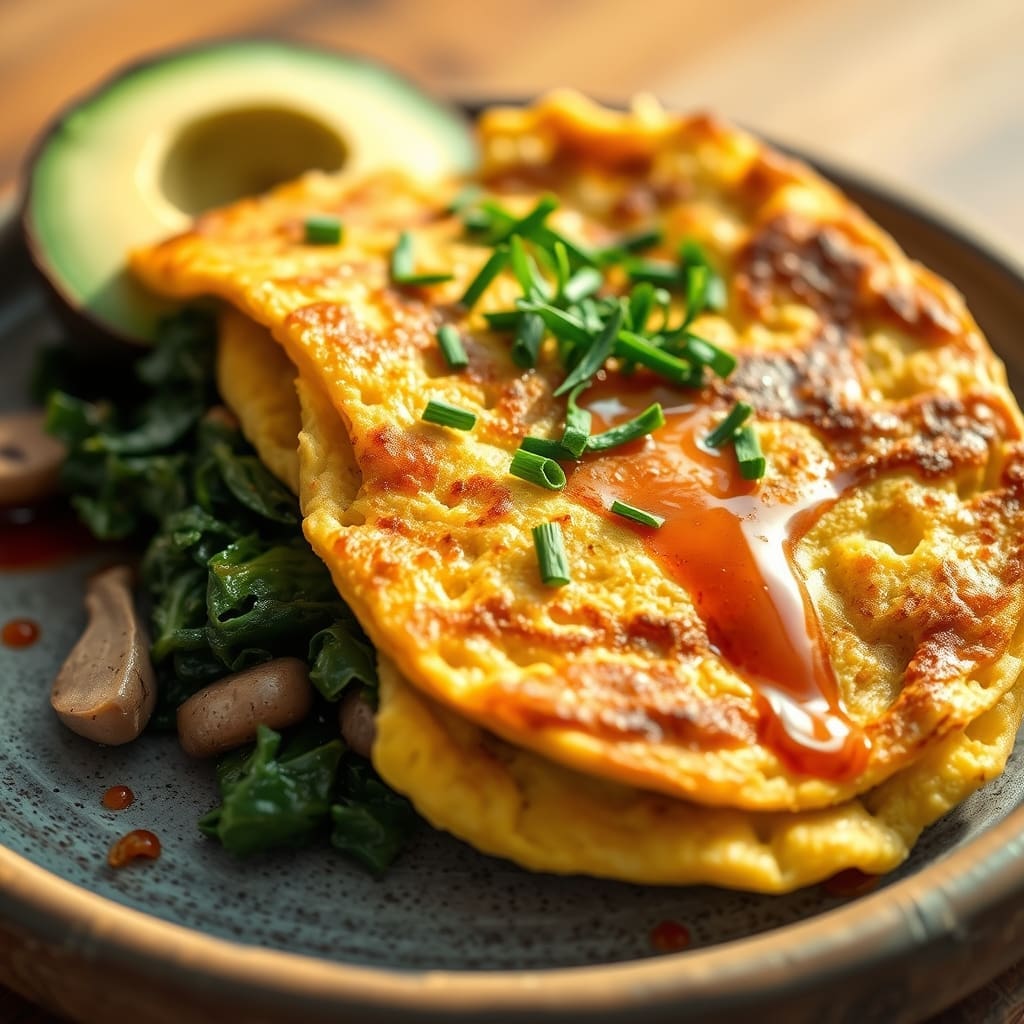
For years, the vegan community has settled for chickpea flour omelettes—dense, often dry, and carrying a distinct ‘beany’ aftertaste that requires heavy seasoning to mask. While chickpea flour has its place in the kitchen, it often fails to replicate the delicate, custardy, and light-as-air texture of a traditional French omelette.
Enter the silken tofu revolution. By leveraging the unique coagulation properties of soy protein and the structural stability of rice flour, we can create a vegan omelette that isn’t just ‘good for being vegan,’ but genuinely exceptional by any culinary standard, rivaling other viral sensations like Marry Me Tofu.
This high-protein breakfast powerhouse delivers 16 grams of plant-based protein per serving, zero cholesterol, and a mouthfeel that will have even the most skeptical egg-lovers questioning the ingredients. In this guide, we’ll explore the food science behind the perfect flip, the nutritional profile of our key ingredients, and the step-by-step techniques required to master the no-stick tofu omelette.
Why Silken Tofu is the Superior Egg Substitute
The primary challenge in vegan egg cookery is replicating the structure of denatured egg proteins. Chickpea flour (besan) is often the default because of its high protein content, but it has a high starch-to-protein ratio that makes it heavy.
Silken tofu, specifically the ‘firm silken’ variety like Mori-Nu, offers a high-moisture, high-protein base that mimics the colloidal suspension of a whisked egg. Research on soy protein bioavailability indicates that soy is a ‘complete’ protein, containing all nine essential amino acids necessary for human health.
According to the Journal of Agriculture and Food Chemistry, the globulin proteins in soy possess emulsifying properties similar to those found in egg yolks. When blended into a smooth batter, these proteins provide the ‘stretch’ and ‘lift’ needed for a fluffy omelette.
Unlike regular firm tofu, which is pressed and has a curd-like structure, silken tofu is coagulated without being pressed, preserving the delicate water-binding capacity that results in a creamy, melt-in-your-mouth interior.
The Culinary Chemistry of Rice Flour and Black Salt

The secret to the structural integrity of this omelette lies in the choice of flour. While many recipes call for all-purpose or oat flour, brown rice flour is the gold standard for two reasons: its neutral flavor and its amylose content.
Amylose is a starch that provides a crisp, ‘snap-like’ finish when heated. This creates a microscopic ‘crust’ on the bottom of the omelette, allowing it to slide across the pan without tearing.
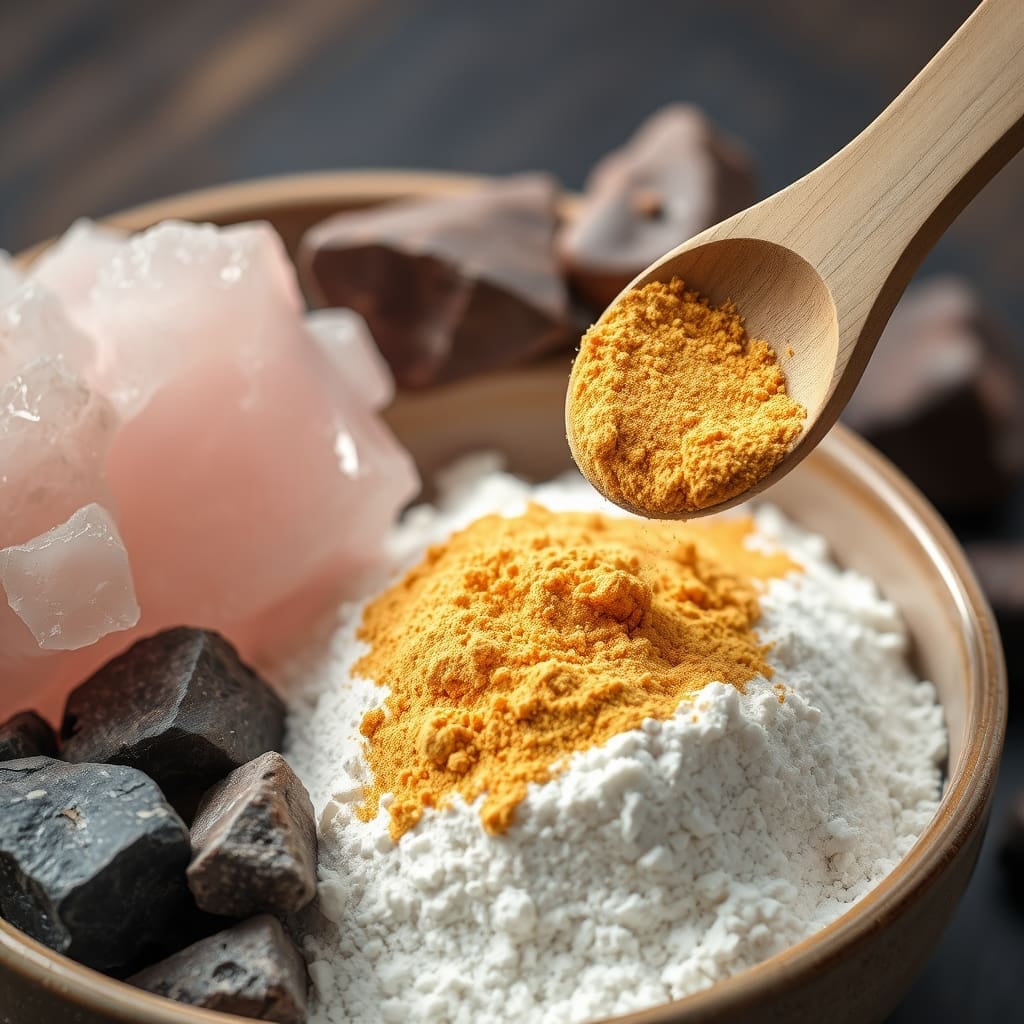
To achieve the ‘eggy’ flavor profile, we utilize Kala Namak, a Himalayan rock salt kiln-fired with charcoal and botanicals. According to chemical data published in ScienceDirect, it is rich in greigite (iron sulfide), which releases hydrogen sulfide gas when it hits the warm batter.
This gas is the exact same compound responsible for the distinct aroma of hard-boiled eggs. Combining this with nutritional yeast—which provides a hit of umami (glutamic acid) and a boost of Vitamin B12—creates a flavor profile that is deep, savory, and unmistakably authentic.
According to nutritional data from the USDA, just one tablespoon of fortified nutritional yeast can provide over 100% of the daily recommended value of B12, a critical nutrient for plant-based eaters.
The Secret to a Perfect, No-Stick Vegan Flip
The #1 complaint in vegan omelette making is sticking. Because tofu-based batters don’t contain the natural fats and emulsifiers found in egg yolks, they are prone to bonding with the pan surface. To prevent this, you must master the ‘Thermal Barrier’ technique:
- Temperature Control: Use medium-high heat initially to shimmer the oil, but drop it to medium-low immediately after pouring the batter. This allows the bottom to sear and release (the Maillard reaction) before the middle dries out.
- The Steam Factor: Always cover your pan with a tight-fitting lid. This traps the moisture evaporating from the tofu, effectively ‘steaming’ the top of the omelette while the bottom browns. This ensures the top is ‘set’ and dry to the touch.
- Pan Choice: A high-quality, PFOA-free non-stick skillet or a well-seasoned carbon steel pan is non-negotiable. Stainless steel will almost always result in sticking due to the high moisture content of the silken tofu.
Ingredient Breakdown: Building Flavor and Nutrition

To create the ultimate batter, precision is key. Mastering these ratios is essential for perfecting plant-based flavor and texture in any dish.
- 3oz Silken Firm Tofu: The ‘body’ and protein source. Ensure you drain the excess water, but do not press it.
- 4 tbsp Brown Rice Flour: The skeletal structure. It binds the moisture so the omelette doesn’t fall apart.
- 1 tbsp Cornstarch: Adds ‘tenderness’ by interfering with the rice flour’s structure, preventing a rubbery texture.
- 3 tbsp Nutritional Yeast: The flavor engine. Provides the ‘cheese-less’ cheese flavor.
- 1/2 tsp Turmeric: Primarily for the golden-yellow hue, but also provides anti-inflammatory curcumin.
- 2 tbsp Non-Dairy Milk: Adjusts the viscosity. It should mimic thick pancake batter.
Pro Tip: Let the batter rest in the blender for 5 minutes after mixing. This allows the rice flour to fully hydrate, resulting in a more uniform texture during cooking.
Step-by-Step Masterclass: The Process

Follow these steps for a restaurant-quality result:
- Blend: Combine all base ingredients in a high-speed blender. Process until the mixture is completely smooth—no lumps allowed.
- Prep the Fillings: Sauté your vegetables (mushrooms, onions, spinach) before you start the omelette.
- Pour: Add 1-2 tablespoons of high-smoke point oil to the pan. Pour half the batter and spread it into a circle about 1/4 inch thick.
- The Lid Method: Cover and cook for 4 minutes. Check the edges; they should be slightly browned.
- Fill and Fold: Once the top is no longer wet, add your sautéed veggies and vegan cheese to one half. Fold the other half over.
- Serve: Slide it onto a plate. It will continue to firm up for about 60 seconds after leaving the pan.
Troubleshooting Common Vegan Omelette Issues

Even experienced chefs encounter issues with plant-based batters. Here is how to fix them:
- Too soft/mushy inside: Your batter might be too thick, or you didn’t cook it long enough with the lid on. Ensure you are using ‘Firm’ Silken tofu.
- Too much soy flavor: Increase the Kala Namak and onion powder. The sulfur from the black salt masks the soy.
- Omelette broke when folding: This happens when the omelette is too thick or hasn’t ‘set’ enough. Ensure the top is matte and dry before folding.
- No rice flour: You can use all-purpose flour, but the texture will be slightly more ‘bread-like.’ If using chickpea flour, add a splash of lemon juice to neutralize bitter saponins.
Meal Prep, Storage, and Reheating Tips

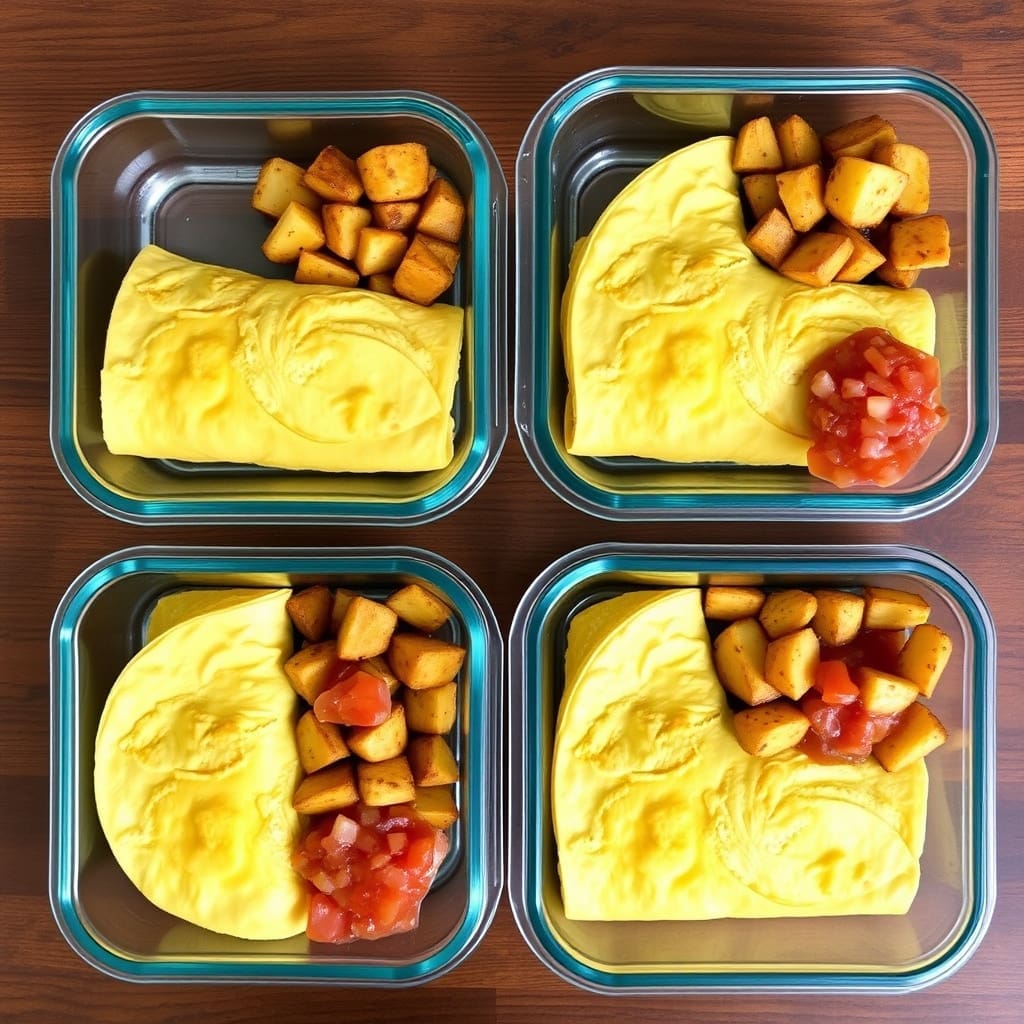
While this omelette is best enjoyed fresh, it is surprisingly meal-prep friendly.
- Storage: Store cooked omelettes in an airtight container for up to 3 days. Do not freeze, as the cellular structure of tofu changes when frozen.
- Reheating: Avoid the microwave. Reheat in a dry non-stick pan over medium heat for 2 minutes per side to restore the crisp exterior.
- Batter Prep: You can blend the batter up to 48 hours in advance. If it thickens in the fridge, whisk in a teaspoon of water or plant milk.
Nutritional Pairing: Serve with a side of avocado for healthy monounsaturated fats, which help with the absorption of fat-soluble vitamins found in vegetables and fortified nutritional yeast.
The Ultimate High-Protein Vegan Omelette Recipe Card

Yield: 2 Large Omelettes | Prep Time: 10 Min | Cook Time: 10 Min
Ingredients
- 1 package (12.3 oz) Mori-Nu Silken Firm Tofu
- 4 tbsp Brown Rice Flour
- 1 tbsp Cornstarch
- 3 tbsp Nutritional Yeast
- 2 tbsp Unsweetened Soy or Almond Milk
- 1/2 tsp Turmeric powder
- 1/2 tsp Onion powder
- 1/2 tsp Kala Namak (Black Salt)
- 1/4 tsp Paprika
- 2 tbsp Olive Oil (for the pan)
Instructions
- Blend: Place all ingredients except olive oil into a blender. Blend until creamy.
- Heat: Heat a non-stick pan with 1 tbsp oil over medium-high heat.
- Cook: Pour half the batter. Spread thinly. Cover with a lid and reduce heat to medium.
- Set: Cook for 4-5 minutes until the top is dry.
- Fill: Add your favorite vegan cheese and sautéed veggies.
- Fold: Gently fold and cook for 1 minute more to melt cheese.
- Repeat: Repeat with the second half of the batter.
Nutrition (Per Omelette)
- Calories: 245
- Protein: 16g
- Carbohydrates: 22g
- Fat: 9g
- Fiber: 4g
- B12: 120% DV
Conclusion
Perfecting the vegan omelette is a journey of understanding the synergy between soy proteins and starch binders. By moving away from the dense profile of chickpea flour and embracing the creamy versatility of silken tofu, you unlock a breakfast experience that is virtually indistinguishable from the traditional version.
This recipe isn’t just a substitute; it’s a high-protein, nutrient-dense culinary achievement that stands on its own merits. Whether you are meal prepping for a busy week or hosting a slow Sunday brunch, this tofu omelette provides the satiety, flavor, and texture that every plant-based breakfast deserves.
lasix medicine
lasix medicine
zithromax z pak
zithromax z pak
viagra sale
viagra sale
diflucan 150 mg
diflucan 150 mg