
The Best Vegan Blue Cheese Dressing: A Chunky, Oil-Free Culinary Guide
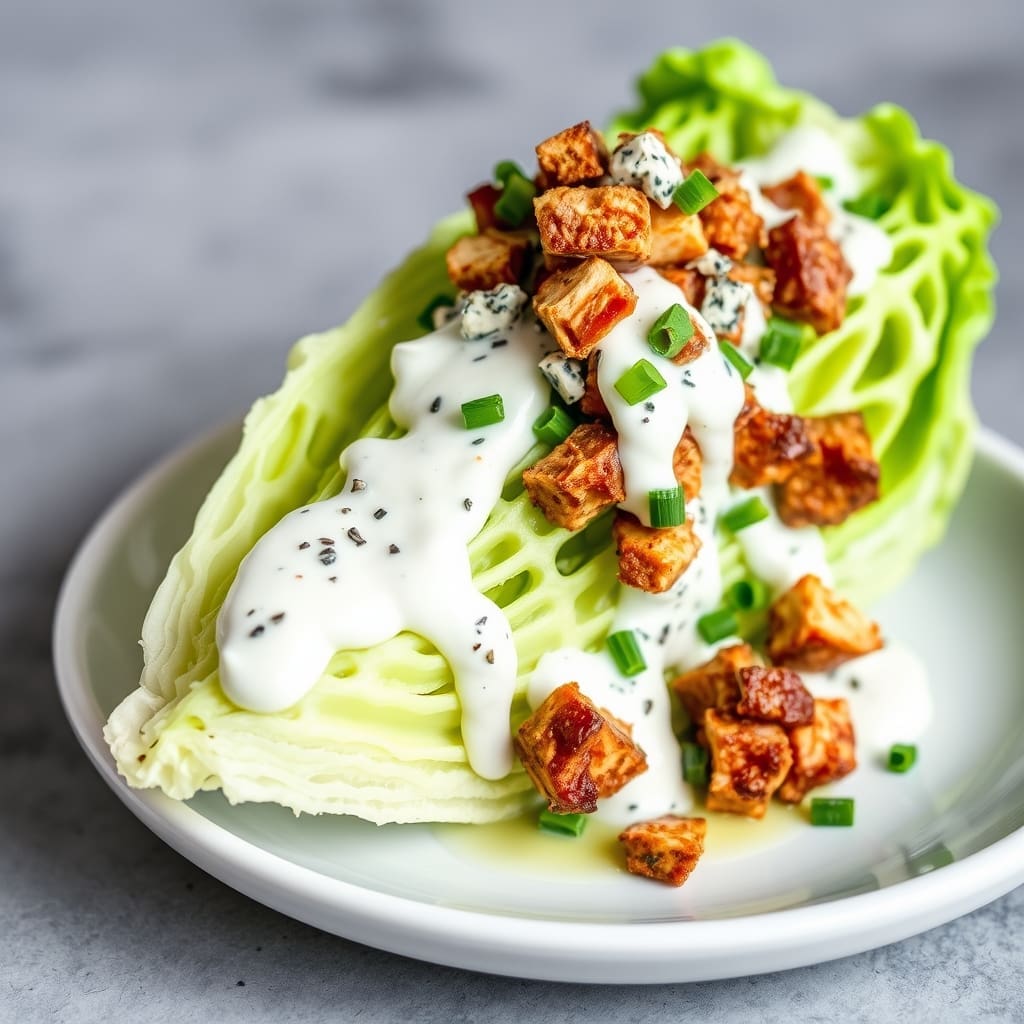
For many transitioning to a plant-based diet, the sharp, pungent, and creamy allure of blue cheese is often the hardest flavor to leave behind. However, through the lens of culinary science and whole-food innovation, we can replicate that sophisticated flavor profile and chunky texture without a single drop of dairy or processed oil.
This Vegan Blue Cheese Dressing is more than just a substitute; it is a nutrient-dense powerhouse that brings the tang, the creaminess, and those essential ‘blue cheese’ chunks to your table. In this guide, we’ll explore how to balance acidity and healthy fats to create a dressing that rivals any steakhouse classic while remaining entirely heart-healthy and oil-free.
The Flavor Science: How to Mimic Dairy Without the Cow

To recreate the profile of blue cheese, we must understand its chemical makeup: high fat content, lactic acid-driven tang, and a subtle saltiness. In this recipe, raw cashews act as our primary fat source.
Unlike the saturated fats found in dairy, cashews are rich in heart-healthy monounsaturated fats, which research published in PubMed suggests can improve lipid profiles when substituted for animal fats. The ‘funk’ of blue cheese is actually a result of lipolysis and proteolysis during fermentation.
We mimic this using a dual-acid approach: white vinegar for its sharp, acetic bite and fresh lemon juice for its bright, citric top notes. This is enhanced by onion powder and dried dill, which provide the earthy, savory undertones typically associated with high-end dressings.
Essential Ingredients: The Building Blocks of Texture

The magic of this recipe lies in the simplicity of its whole-food components.
- Raw Cashews: The foundation. They contain approximately 12 grams of fat per ounce, providing the oleophilic (fat-loving) mouthfeel that water-based dressings lack, according to Healthline’s nutritional analysis.
- Firm Tofu: This is the secret to the ‘chunky’ experience. When crumbled, the protein structure of firm tofu mimics the curds in blue cheese. Unlike soft or silken tofu, firm tofu retains its shape when folded into the dressing.
- Distilled White Vinegar: Chosen specifically for its high acidity (usually 5%) to cut through the richness of the nuts.
- Dried Dill: While subtle, dill adds a ‘green’ note that balances the heavy creaminess.
For those looking to expand their plant-based cheese repertoire, mastering a stretchy homemade vegan mozzarella is another fantastic way to enjoy classic dairy textures using whole-food ingredients.
According to a 2021 study on plant-based alternatives, the combination of nut-based fats and legume-based proteins (like tofu) provides a more complete amino acid profile while delivering a texture that satisfies the human ‘umami’ craving.
Step-by-Step Mastery: Achieving the Perfect Chunk

Achieving a professional-grade dressing requires more than just mixing ingredients; it requires proper technique.
- The Quick Soak: Use boiling water to soak your cashews for 10 minutes. This softens the cell walls of the nuts, allowing for a perfectly smooth emulsion.
- The High-Speed Emulsion: Using a high-powered blender is non-negotiable for a grit-free result. Blend the cashews, water, and aromatics until the mixture is ‘heavy-cream’ smooth.
- The Fold-In Technique: Do not blend the tofu. Instead, pat it dry with a paper towel to remove excess moisture—this ensures it absorbs the dressing rather than diluting it. Crumble it by hand into small, irregular ‘blue cheese’ sized pieces and gently fold them in.
- The Flavor Mingle: This is the most skipped but most important step. Refrigerate for at least 20 minutes. Cold temperatures help the fats in the cashews set, thickening the dressing and allowing the acids to penetrate the tofu crumbles.
Beyond the Bowl: Serving and Pairing Suggestions

This dressing is the star of the show for several classic dishes:
- The Ultimate Vegan Wedge: Slice a head of iceberg lettuce into quarters. Drizzle generously with the dressing, and top with Tempeh Bacon, diced organic tomatoes, and fresh chives.
- Buffalo Cauliflower Wings: The high acidity of the dressing acts as the perfect cooling agent for spicy buffalo sauce. It’s the essential sidekick for any vegan game-day platter.
- Savory Dip: Thicken the recipe by reducing the water by 1/4 cup to create a dip perfect for raw crudités like carrots, radishes, and bell peppers.
This tangy dressing also makes an excellent side for a full meal of comfort food, such as the ultimate vegan chickpea pot pie. Research from the American Journal of Clinical Nutrition highlights that consuming healthy fats (like those in cashews) alongside colorful vegetables can significantly increase the absorption of fat-soluble vitamins like A, D, E, and K.
The Health Advantage: WFPB vs. Traditional Dressing

When compared to traditional blue cheese dressing, the nutritional advantages are staggering. A standard blue cheese dressing contains roughly 150 calories and 15 grams of fat per 2-tablespoon serving, much of which is saturated fat from dairy and soybean oil.
In contrast, this cashew-based version provides:
- Zero Cholesterol: Plant-based fats are naturally cholesterol-free.
- Fiber: Cashews and tofu provide dietary fiber, which is entirely absent in dairy-based dressings.
- Lower Saturated Fat: Cashews contain primarily unsaturated fats, which are associated with a reduced risk of cardiovascular disease according to data from NutritionFacts.org.
By removing refined oils and following WHO guidelines for a healthy diet, you are consuming ‘whole food fats’ that come packaged with their original fiber and minerals, leading to better satiety and more stable blood sugar levels.
Storage, Freezing, and Meal Prep Mastery

Because this dressing is made without preservatives, proper storage is key to maintaining freshness.
- Refrigeration: Store in an airtight glass mason jar for up to 5-7 days. The dressing will naturally thicken as the cashew fats cool; simply whisk in a teaspoon of water before use to restore your preferred consistency.
- Freezing: Unlike oil-based dressings which can separate when frozen, this cashew-base is remarkably stable. Freeze for up to 2 months.
- Food Safety Tip: Always use clean utensils when dipping into your storage jar to prevent the introduction of bacteria, which can shorten the shelf life of home-made vegan sauces.
Frequently Asked Questions & Troubleshooting

Is it nut-free? You can substitute the cashews with 1 cup of vegan mayo (if you don’t mind the oil) or a base of sunflower seeds for a WFPB nut-free version.
Why is my dressing too thin? This usually happens if the cashews weren’t drained properly or too much water was added. Chill it for an hour; it will naturally thicken.
How can I make it ‘funkier’? For an extra punch, add a teaspoon of miso paste or a splash of sauerkraut brine. These fermented additions introduce the deep ‘umami’ that mimics aged cheese even further.
Is it gluten-free? Yes, as written, all ingredients are naturally gluten-free. Just ensure your spices are certified if you have a severe sensitivity.
Conclusion
Transitioning to a plant-based lifestyle doesn’t mean sacrificing the bold, nostalgic flavors of classic comfort foods. This Vegan Blue Cheese Dressing proves that with the right combination of whole-food fats, organic acids, and textural substitutes like tofu, you can achieve a gourmet culinary experience that supports your health goals.
Whether you are drizzling it over a crisp wedge salad or serving it as a cooling dip before enjoying fail-proof vegan red velvet cupcakes for dessert, this recipe stands as a testament to the versatility and deliciousness of modern vegan cuisine.