
The Best Vegan Lemon Pound Cake (Moist, Rich, and Easy!)
If you’re searching for a slice of pure sunshine, you’ve found it. This Vegan Lemon Pound Cake is everything a classic pound cake should be: dense, buttery, incredibly moist, and bursting with bright, tangy lemon flavor.
It’s the kind of simple, elegant dessert that fits every occasion, from a celebratory brunch to a quiet afternoon with a cup of tea. Forget any notions of complicated vegan baking.
This recipe is straightforward, forgiving, and yields a melt-in-your-mouth cake that will have everyone asking for the recipe. The real magic is in its rich, satisfying texture and the sweet-tart lemon glaze that coats every bite.
It’s a timeless classic, reimagined.
The Simple Science Behind This Perfect Pound Cake

This isn’t just another cake recipe; it’s a carefully crafted formula for success. Here’s a quick look at why it works so beautifully every time:
- Vegan Sour Cream is the Secret Weapon: It provides richness from its fat content and acidity. The acid reacts with the baking powder to create a softer, more tender crumb and also helps control browning. This is a key principle in baking chemistry, ensuring a moist cake.
- The Creaming Method Builds Texture: Beating the room-temperature vegan butter with sugar does more than just mix them. It creates thousands of tiny air pockets. These pockets expand in the oven, providing the lift and dense, tight crumb that pound cake is famous for, a core technique in baking science.
- Lemon Zest & Extract for Full Flavor: While lemon juice adds tartness, the oils in the lemon zest provide the deep, aromatic lemon flavor that infuses the entire cake. The extract acts as a backup, ensuring the lemon essence isn’t lost during baking.
- Proper Flour Measurement is Key: This recipe relies on a specific ratio of wet to dry ingredients. Scooping flour directly from the bag can compact it, leading to a dry cake. For best results, spoon the flour into your measuring cup and level it off.
What You’ll Need: Ingredients List
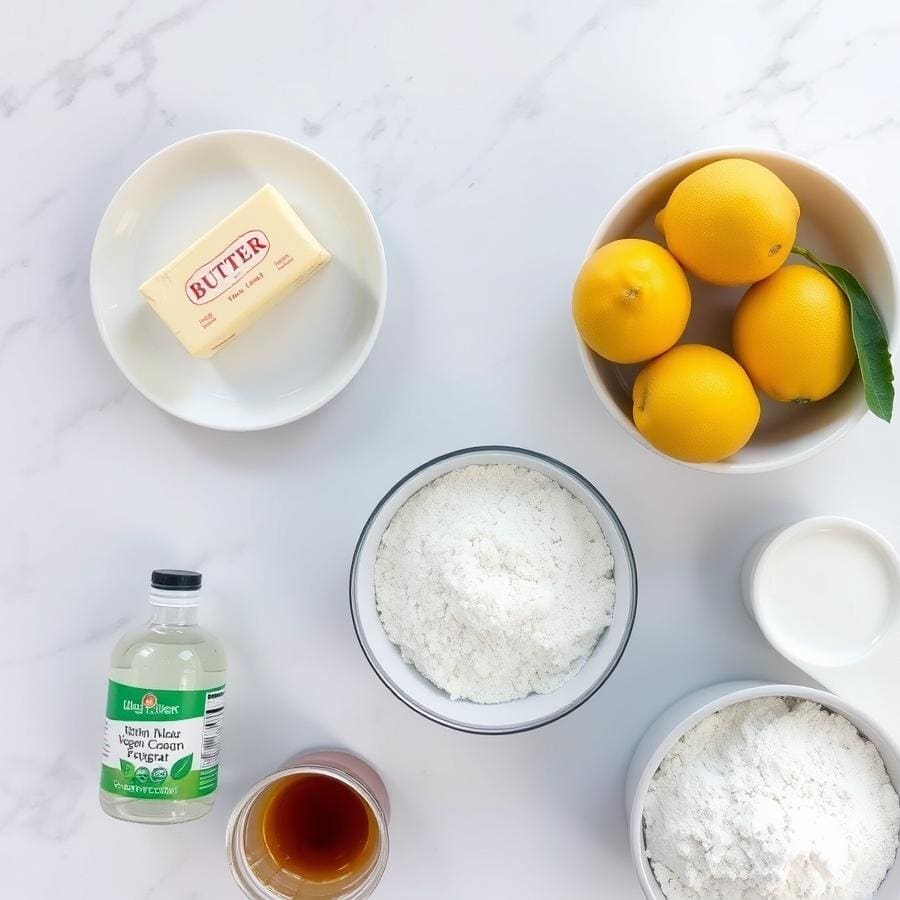
Gathering your ingredients beforehand makes the baking process smooth and enjoyable. Here’s what you’ll need for this vibrant loaf:
- Vegan Butter: Use a good quality, stick-style vegan butter that is softened to room temperature. This is critical for the creaming process.
- Granulated Sugar: Provides sweetness and is essential for creating the airy texture when creamed with the butter.
- Lemons: You’ll need both fresh lemon zest and juice. The zest provides the primary flavor, while the juice gives the glaze its signature tang.
- Lemon & Vanilla Extracts: A combination of lemon extract boosts the citrus notes, while vanilla adds a layer of aromatic warmth and depth.
- Vegan Sour Cream: The star ingredient for a moist, tender crumb. Plain, unsweetened vegan yogurt also works well. Ensure it’s at room temperature.
- All-Purpose Flour: The structural backbone of the cake.
- Baking Powder: The leavening agent that gives the cake its lift.
- Salt: A small amount of salt enhances all the other flavors.
- Powdered Sugar: For creating a smooth, sweet glaze that sets perfectly on the cooled cake.
Essential Baking Equipment

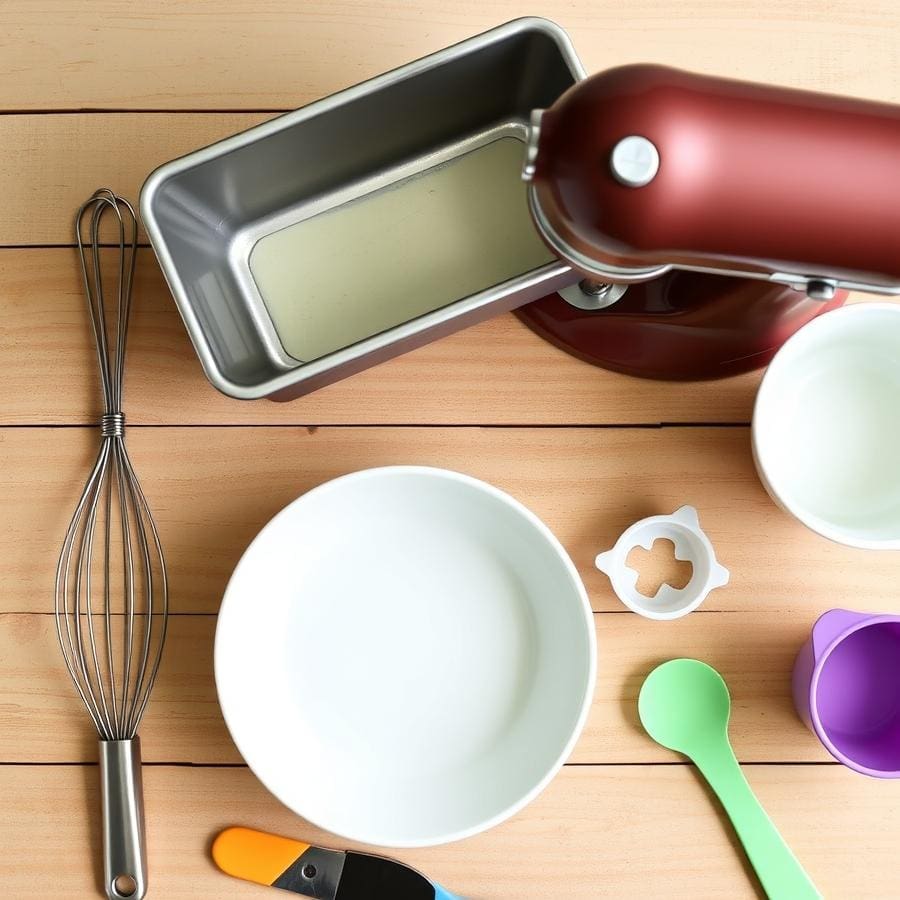
You don’t need any fancy gadgets for this recipe. A standard 9×5 inch loaf pan is ideal.
- Electric Mixer: A stand mixer with a paddle attachment or a hand mixer is highly recommended for properly creaming the butter and sugar.
- Mixing Bowls: You’ll need a large bowl for the main batter and a smaller one for the glaze.
- Whisk and Spatula: For whisking dry ingredients and folding the batter.
- Measuring Cups and Spoons: For accurate measurements.
- Microplane or Zester: For getting fine, fragrant zest from the lemons without the bitter white pith.
- Cooling Rack: Essential for allowing air to circulate around the cake as it cools, preventing a soggy bottom.
How to Make the Perfect Vegan Lemon Pound Cake
Follow these steps closely for a flawless vegan lemon pound cake. Remember, baking is a science, and the order of operations matters!
- Prep Your Oven and Pan: Preheat your oven to 350°F (175°C). Grease your loaf pan thoroughly and lightly flour it, or line it with parchment paper for easy removal.
- Cream Butter, Sugar, and Zest: In a large bowl, use an electric mixer to beat the softened vegan butter, granulated sugar, and lemon zest together on medium-high speed for about 3-4 minutes. The mixture should become light, pale, and fluffy.
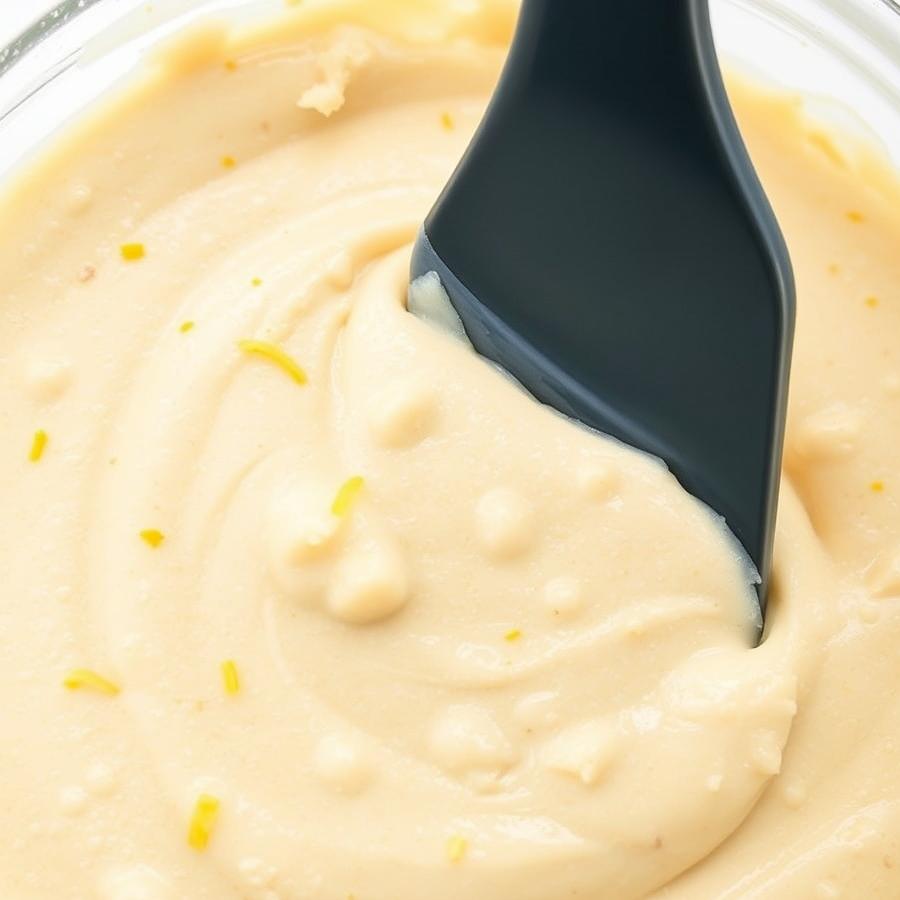
- Add Wet Ingredients: Add the lemon extract, vanilla extract, and room temperature vegan sour cream to the bowl. Mix on medium speed until just combined. The batter might look curdled at this stage—this is completely normal!
- Combine Dry Ingredients: In a separate bowl, whisk together the all-purpose flour, baking powder, and salt.
- Finish the Batter: Add the dry ingredients to the wet ingredients in two batches, mixing on low speed until just combined after each addition. Be careful not to overmix. Scrape down the sides of the bowl with a spatula to ensure everything is incorporated.
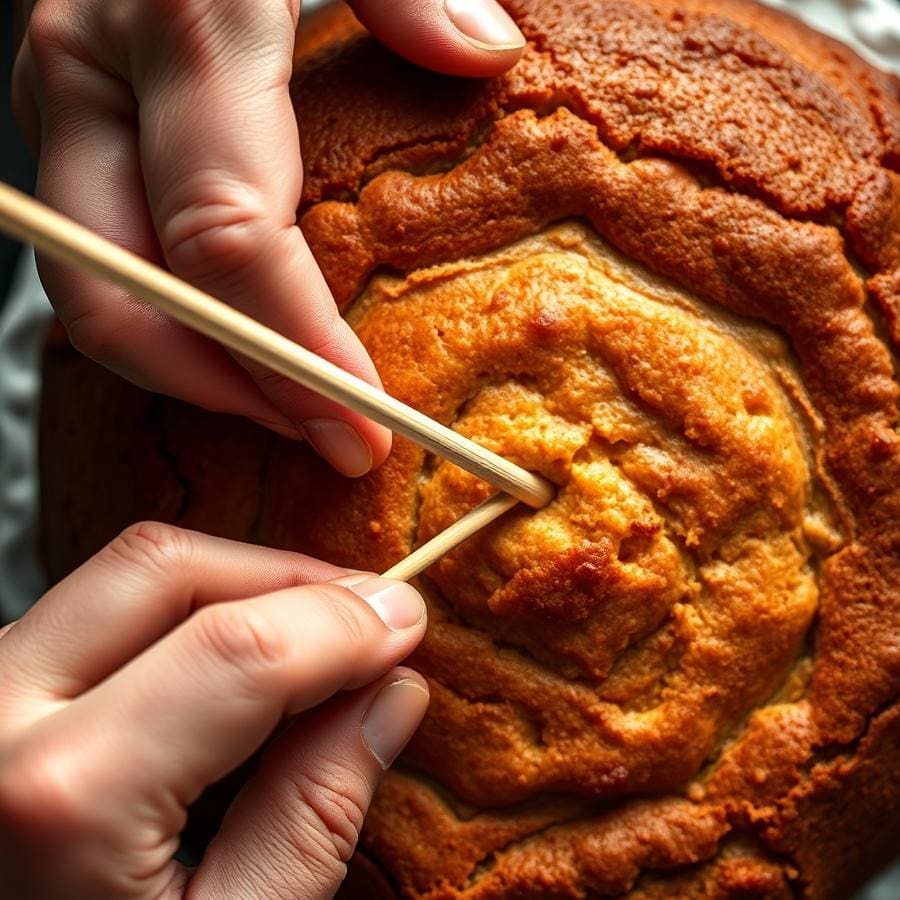
- Bake the Cake: Pour the thick batter into your prepared loaf pan and smooth the top with a spatula. Bake on the center rack for 45-55 minutes. The cake is done when a wooden skewer or toothpick inserted into the center comes out clean or with a few moist crumbs attached.
- Cool Completely: Let the cake cool in the pan for about 20-30 minutes before carefully inverting it onto a wire rack to cool completely. This step is crucial for the glaze.
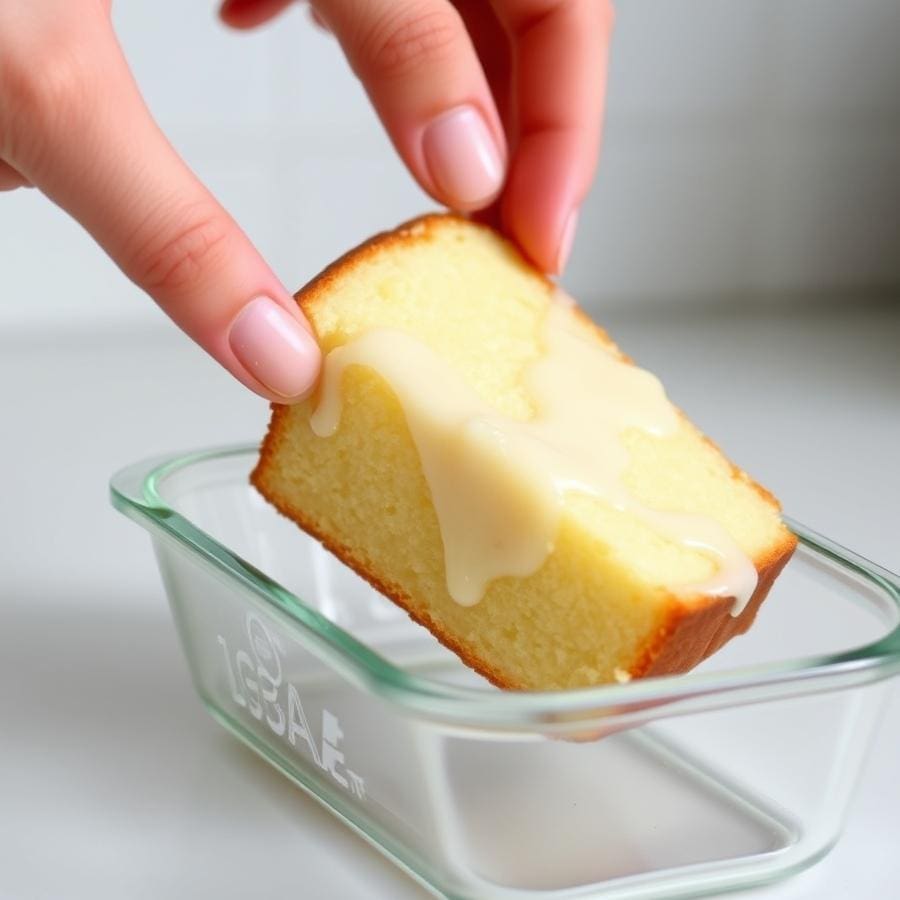
- Make and Apply the Glaze: Once the cake is fully cooled, whisk together the melted vegan butter, powdered sugar, and fresh lemon juice in a small bowl until smooth. Drizzle it generously over the top of the cake, letting it drip down the sides. Allow the glaze to set for at least 30 minutes before slicing.
Expert Tips for Flawless Results
Even the best recipes can benefit from a few insider tricks. These tips will help you move from a good pound cake to a great one.
- Don’t Skip the Room Temperature Ingredients: This is the most important rule in pound cake baking. Cold ingredients don’t emulsify properly, and as baking authorities explain, this can lead to a dense, greasy cake. Set your vegan butter and sour cream out on the counter at least an hour before you begin.
- Measure Your Flour Correctly: As mentioned earlier, how you measure flour matters. The “spoon and level” method is best: use a spoon to fill your measuring cup, then use the back of a knife to level off the top. This prevents a dense, dry cake, a detail emphasized by culinary experts, as volume measurements can vary significantly and impact texture.
- Avoid Overmixing at All Costs: The moment you add flour to the wet ingredients, gluten development begins. Overmixing will result in a tough, chewy, and gummy pound cake instead of a tender one. Mix only until you no longer see streaks of flour.
- The “Toothpick Test” is Your Best Friend: Ovens can vary. Start checking your cake around the 45-minute mark. A clean toothpick from the center is the most reliable sign of doneness.
- Patience is a Virtue (Especially for Cooling): Pouring glaze on a warm cake is a recipe for disaster. The heat will melt the glaze into a thin, sticky layer that soaks into the cake instead of forming a beautiful, opaque shell. Wait until it’s completely cool to the touch.
Delicious Flavor Variations to Try
While the lemon version is a classic, this pound cake recipe is a fantastic base for other flavors. Use these suggestions as a starting point for your own creations:
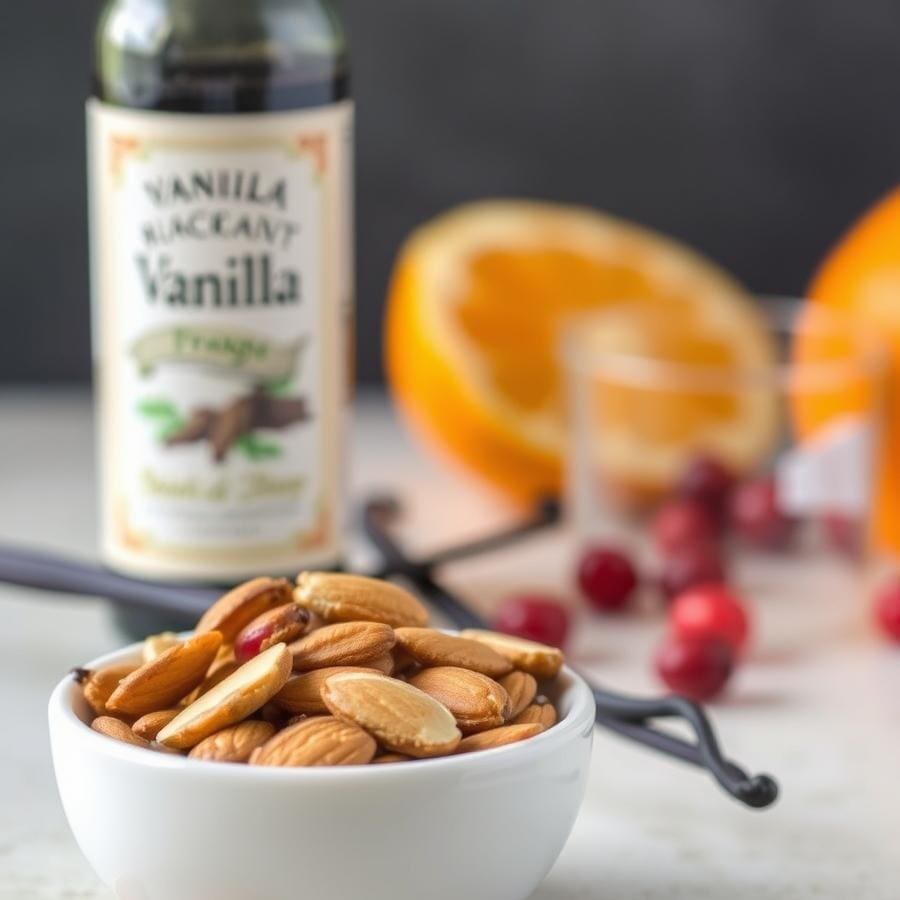
- Classic Vanilla Bean Pound Cake: A timeless choice. Omit the lemon zest and extract. Add 2 teaspoons of high-quality vanilla extract or the seeds from one vanilla bean. Serve with fresh berries and a dollop of vegan whipped cream.
- Almond Pound Cake: Perfect for nut lovers. Replace the lemon extract with 2 teaspoons of almond extract and omit the lemon zest. For the glaze, use 1 teaspoon of almond extract and a few tablespoons of water instead of lemon juice. Top with toasted sliced almonds for a beautiful crunch.
- Orange Cranberry Pound Cake: A festive variation. Swap the lemon zest and juice for orange zest and juice. Fold in 1 cup of dried cranberries (tossed in a tablespoon of flour to prevent sinking) into the batter at the very end. Its vibrant color makes it a celebration-worthy dish, much like our stunningly vibrant creamy beetroot risotto.
How to Store Your Pound Cake
Proper storage is key to keeping your pound cake fresh and delicious for as long as possible.
- At Room Temperature: The cake will stay moist and fresh for up to 4 days. Store it in an airtight container or wrap it tightly in plastic wrap.
- In the Refrigerator: If your kitchen is very warm, you can refrigerate the cake. It will last for up to a week, but the cold temperature can make it a bit dry. For the best experience, let it come to room temperature before serving.
- Freezing for Later: This cake freezes beautifully! You can freeze the entire unglazed loaf or individual slices. Wrap them securely in plastic wrap, then a layer of aluminum foil. It will keep for up to 3 months. To thaw, simply leave it on the counter for a few hours.
Frequently Asked Questions & Troubleshooting

Here are answers to some of the most common questions about making vegan pound cake.
Why did my pound cake sink in the middle?
A sunken center is almost always caused by one of two things: overmixing the batter (which develops too much gluten and then collapses) or underbaking. Ensure you are mixing only until the flour is just combined, and always double-check for doneness with a skewer in the very center of the cake.
How is pound cake different from a regular lemon cake?
The main difference is density and texture. Pound cake, true to its name, is traditionally made with a pound of each main ingredient, resulting in a rich, dense, and buttery crumb. A regular lemon cake is typically lighter, spongier, and fluffier, with a more open crumb.
Can I make this gluten-free?
While I have not tested this specific recipe with gluten-free flour, you can often have success by using a high-quality, 1-to-1 gluten-free baking blend that contains xanthan gum. The texture may be slightly different but should still be delicious.
Why does my batter look curdled?
Don’t worry, this is normal! Once you add the dry ingredients, the flour will absorb the excess liquid and bring the batter back together into a smooth consistency.
Conclusion
There you have it—a vegan lemon pound cake that’s not just a recipe, but a bright slice of sunshine you can bake anytime. It’s dense, moist, and bursting with a tangy lemon flavor that proves you don’t need dairy or eggs for a truly classic dessert, from rich pound cakes to a creamy vegan coconut cream pie.
Whether you’re sharing it with friends over tea or enjoying a quiet moment to yourself, this cake is a simple joy. Happy baking!