
The Master Guide to the Ultimate Vegan Buddha Bowl with Crispy Tofu
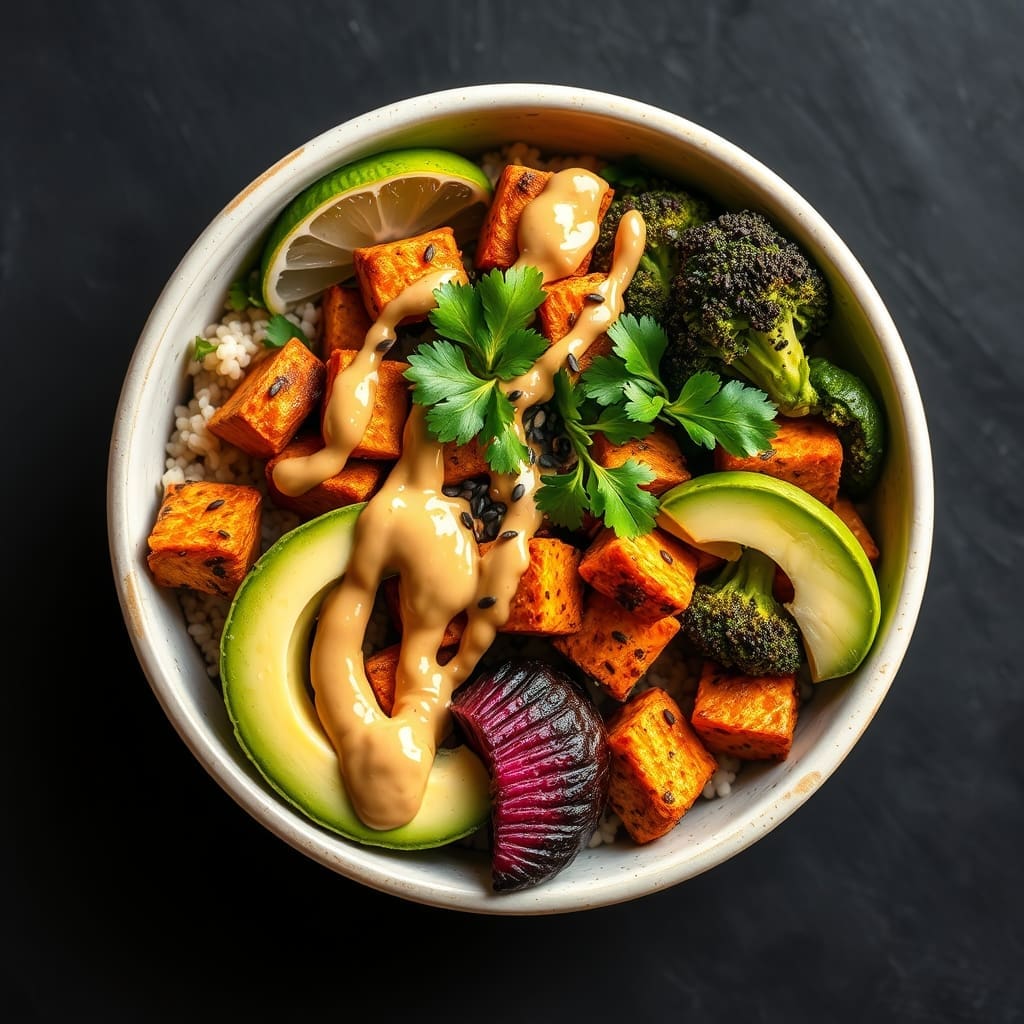
In the world of plant-based nutrition, few dishes have achieved the cult status of the Buddha Bowl. Often called grain bowls, macro bowls, or nourish bowls—much like the complex textures found in the ultimate vegan beet poke bowl—these vibrant creations are more than just an aesthetic Instagram trend—they represent a masterclass in balanced eating.
As a dietitian, I view the Buddha Bowl as a ‘functional meal’ designed to optimize nutrient absorption while providing a satisfying sensory experience. This guide will walk you through my signature Vegan Buddha Bowl featuring crispy marinated tofu and a velvet-smooth peanut sauce.
Beyond the recipe, we will explore the nutritional science of why this combination works, the culinary secrets to achieving ‘restaurant-quality’ roasted textures, and the food safety protocols essential for successful meal prepping.
The Anatomy and Origin of a Balanced Bowl
The term ‘Buddha Bowl’ is believed to have originated from the concept of a bowl so full it has a rounded ‘belly’ shape, similar to the protruding belly of Budai, a 10th-century Chinese monk. In culinary circles, it also draws inspiration from ‘Oryoki,’ a meditative form of eating in Zen Buddhism that emphasizes mindfulness and just enough food to sustain the body.
In modern nutritional science, the Buddha Bowl aligns perfectly with the ‘Plate Method’ recommended by major health organizations. A well-constructed bowl provides a balance of:
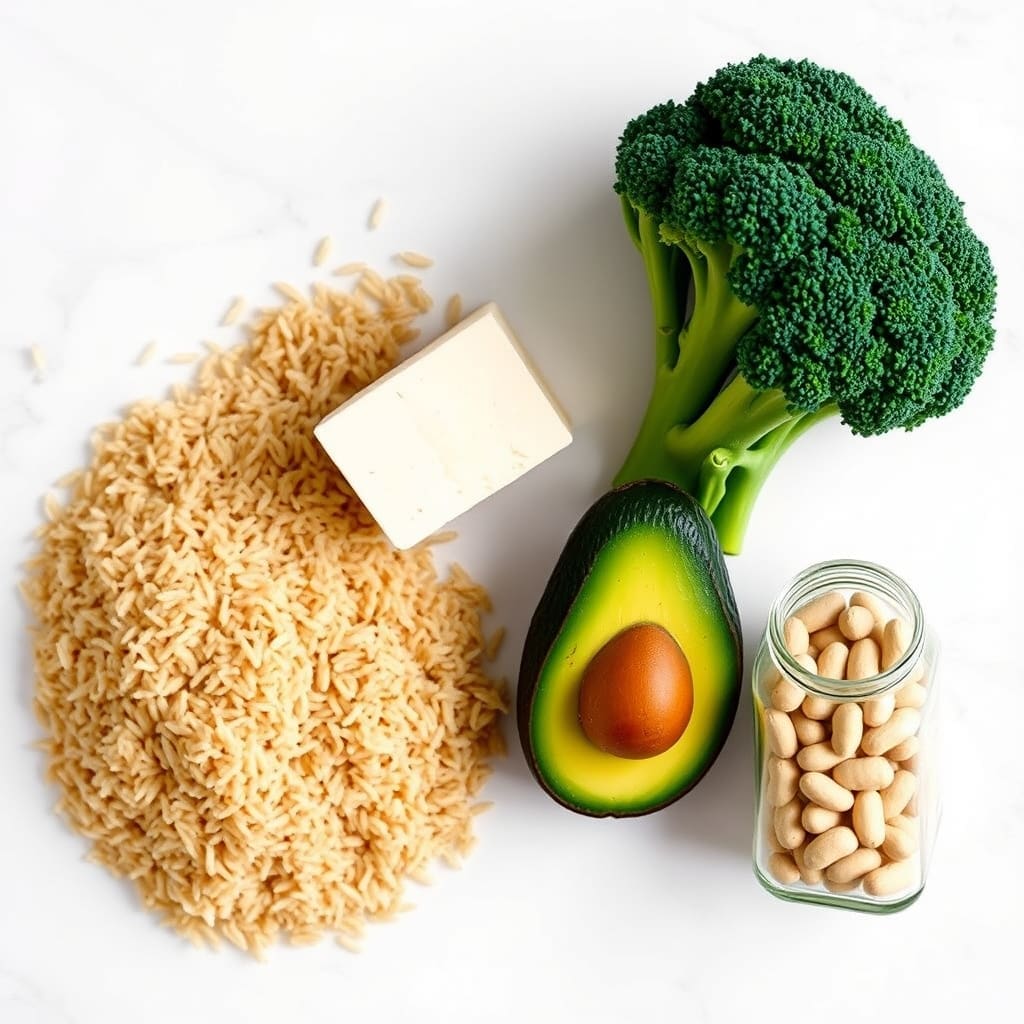
- Complex Carbohydrates: High-fiber grains like brown rice or quinoa provide a steady glucose release, preventing the energy crashes associated with refined grains.
- Plant-Based Protein: Tofu or legumes are essential for muscle repair and hormone production.
- Micro-Nutrient Dense Vegetables: A mix of raw and cooked vegetables ensures a spectrum of vitamins and antioxidants.
- Healthy Fats: These are crucial for the absorption of fat-soluble vitamins (A, D, E, and K).
- Texture and Flavor Garnishes: Crunchy seeds and fresh herbs increase the ‘satiety factor,’ making the meal more psychologically satisfying.
The Nutritional Science Behind the Ingredients
This bowl isn’t just about calories; it’s about the synergistic effect of the ingredients. The inclusion of high-fiber carbohydrates like brown rice is something research from the Harvard T.H. Chan School of Public Health indicates is vital for maintaining gut microbiome diversity and reducing the risk of type 2 diabetes.
According to the Mayo Clinic, tofu is one of the few ‘complete’ plant proteins, containing all nine essential amino acids. For a gourmet variation on this protein source, you may want to try my guide to the viral Marry Me Tofu masterpiece.
When paired with the healthy fats in the peanut sauce, the meal’s glycemic index is lowered, leading to prolonged satiety. Studies published in the Journal of the International Society of Sports Nutrition suggest that plant-based proteins can be just as effective as animal proteins for muscle protein synthesis when consumed in adequate amounts throughout the day.
The Avocado Advantage: Avocados are rich in monounsaturated fats. Research shows that adding avocado or oils to a salad or bowl can increase the absorption of carotenoids (like the beta-carotene in sweet potatoes) by up to 15 times.
Essential Equipment for Kitchen Success
To make a professional-grade bowl, you need the right tools. Skip the flimsy pans and focus on these essentials:
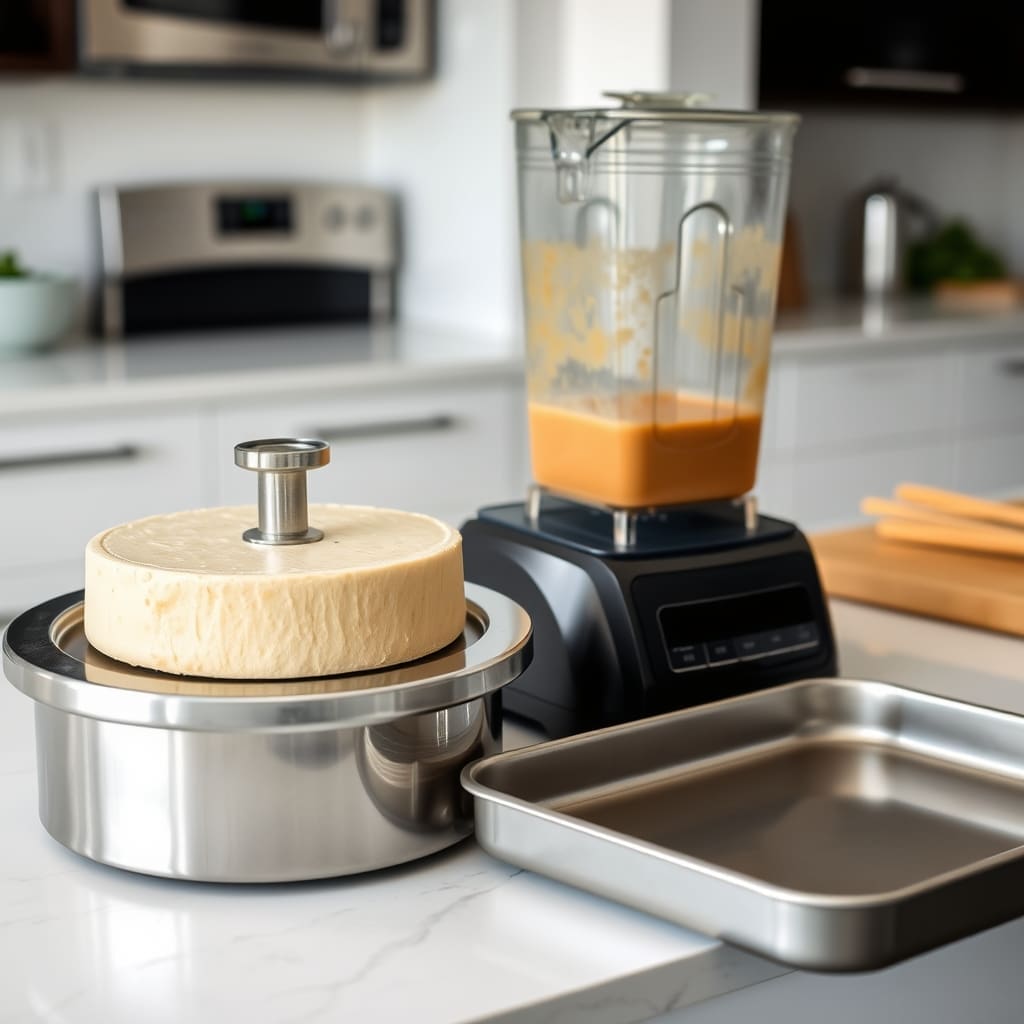
- Heavy-Duty Rimmed Baking Sheet: Look for 18-gauge aluminum. These distribute heat evenly, which is the secret to getting those crispy edges on your broccoli without burning them.
- Tofu Press: While you can use a stack of books, a dedicated tofu press extracts more moisture in half the time, ensuring your tofu actually ‘crisps’ in the pan rather than steaming.
- High-Speed Blender or Whisk: For a truly emulsified, velvet-textured peanut sauce, a small blender is superior to hand-whisking, especially if you use natural peanut butter which can be grainy.
- Fine-Mesh Sieve: Essential for rinsing your brown rice. Removing excess surface starch prevents the rice from becoming gummy, leaving you with distinct, fluffy grains.
Mastering the Technique: Step by Step
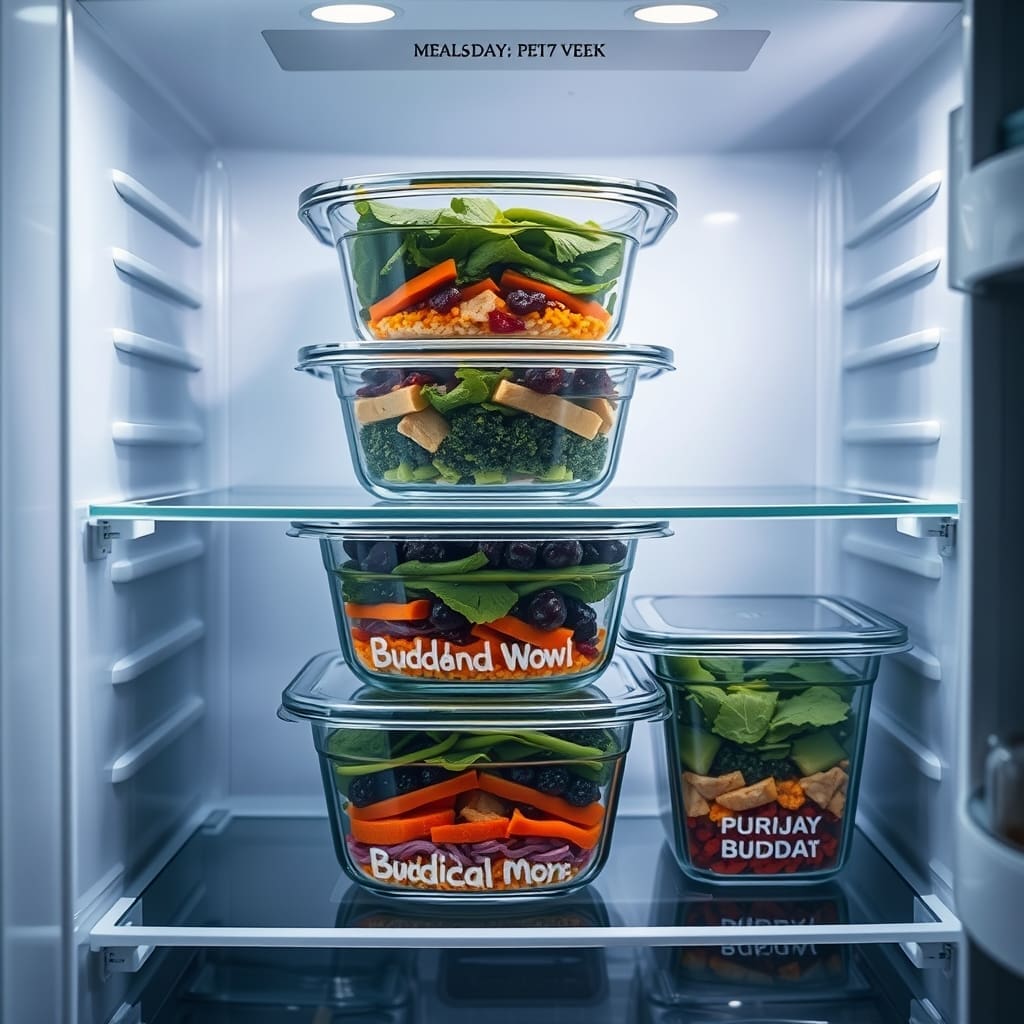
The biggest mistake home cooks make with Buddha bowls is under-seasoning and poor timing. Follow this strategic workflow:
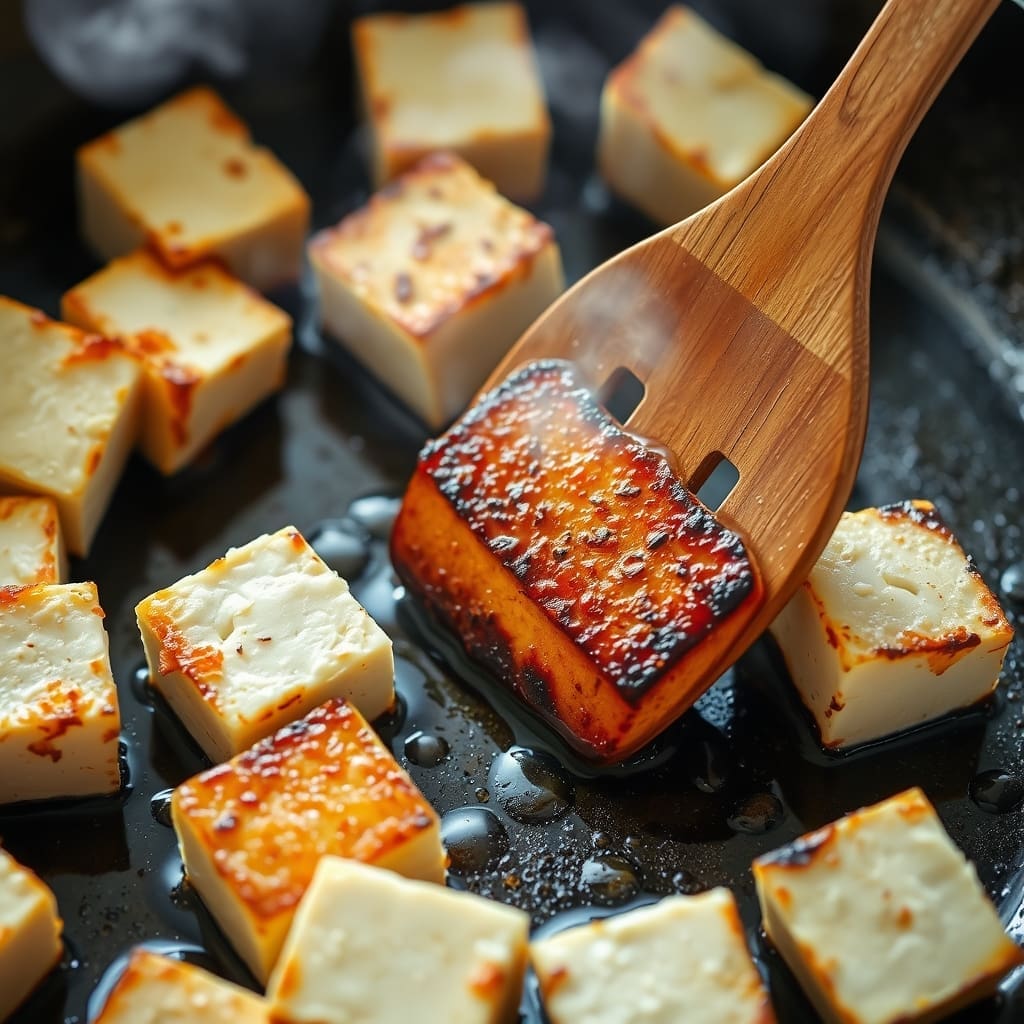
- The Tofu Transformation: Press your tofu for 20 minutes. Marinate it in a mixture of tamari, sesame oil, and ginger. For an extra crunch, toss the marinated cubes in a tablespoon of cornstarch before pan-frying.
- The Roasting Secret: Preheat your oven to 425°F (218°C). High heat is necessary for the Maillard reaction—the chemical reaction between amino acids and reducing sugars that gives roasted vegetables their savory, ‘umami’ flavor.
- Grain Perfection: Use a 2:1 water-to-rice ratio. Bring to a boil, then reduce to the lowest simmer. The ‘don’t peek’ rule is real—keep the lid on for the full 40 minutes to allow the steam to finish the cooking process.
- The Cabbage Crunch: Don’t cook the red cabbage! Shred it thinly and toss with a squeeze of lime. The raw acidity provides a necessary ‘high note’ to cut through the richness of the peanut sauce.
The Secret Sauce: Liquid Gold Peanut Dressing

A sauce can make or break a Buddha bowl. This peanut sauce is a balance of salty, sweet, sour, and spicy.
- The Base: Use ‘natural’ creamy peanut butter (just peanuts and salt).
- The Salt: Tamari (for gluten-free) or high-quality soy sauce.
- The Acid: Lime juice or rice vinegar provides the brightness.
- The Heat: Sriracha or red pepper flakes.
- The Secret: A dash of maple syrup to balance the bitterness of the tahini-like peanut base and a splash of warm water to achieve the perfect ‘drizzle’ consistency.
Alternative Sauces for Different Vibes:
- Mediterranean: Lemon-Tahini with garlic and cumin.
- Zesty Mexican: Cilantro-Lime Cashew Cream.
- Bright Herb: Green Goddess with parsley, basil, and lemon.
Meal Prep Mastery and Food Safety
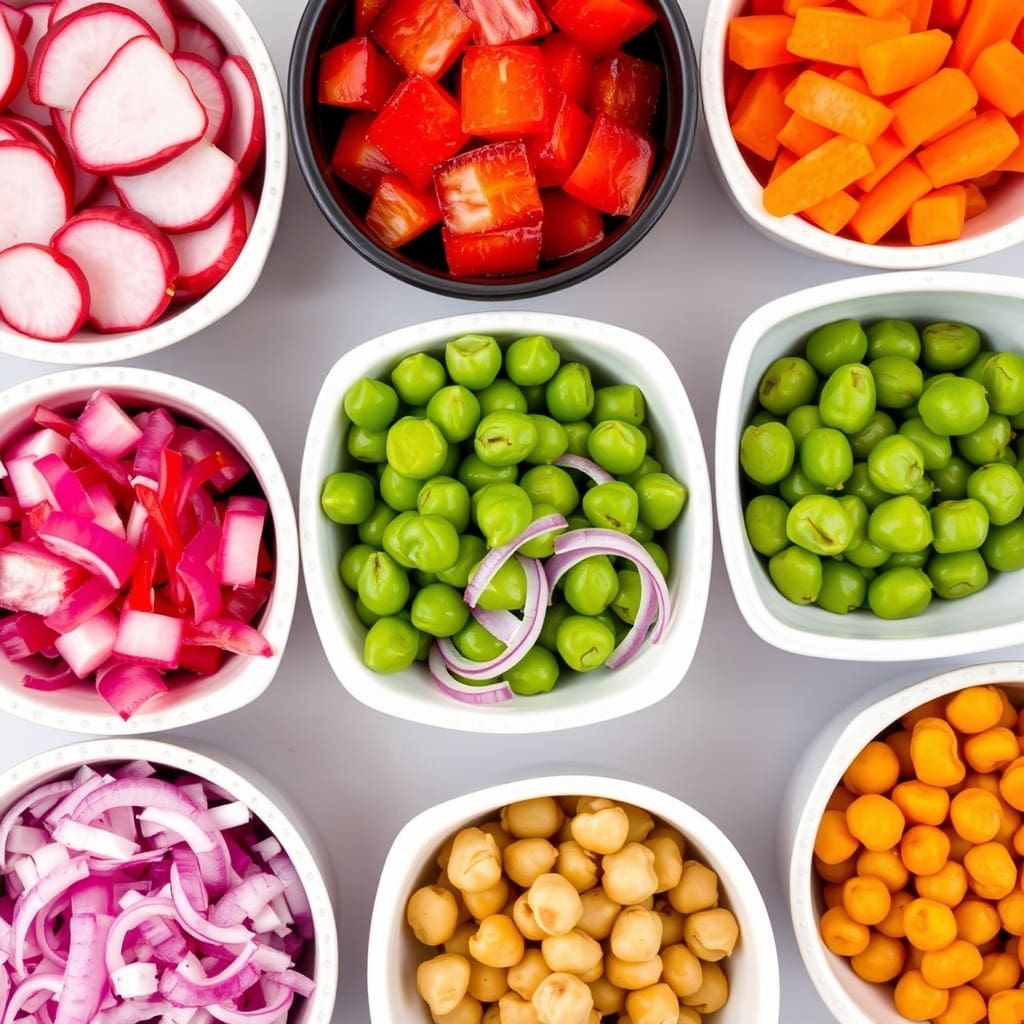
Buddha bowls are the ‘Holy Grail’ of meal prep, but food safety is paramount. Storage Timelines:
- Cooked Rice: Must be cooled quickly. According to data from the USDA, cooked rice can be refrigerated for 4–6 days. However, to prevent Bacillus cereus growth, it is best to consume it within 4 days or freeze it.
- Roasted Veggies: These stay optimal for 4–5 days. Reheat in an air fryer or oven to restore crispness; microwaves tend to make them soggy.
- Tofu: Cooked tofu lasts 3–5 days in an airtight container.
- Peanut Sauce: This is the most stable component and can last up to 10 days in the fridge. If it thickens, simply whisk in a teaspoon of warm water before serving.
Pro-Tip: Pack your ‘cold’ items (cabbage, avocado, lime) in a separate container or on one side of the bowl so you can easily remove them before reheating the ‘warm’ components.
Global Variations and Dietary Adaptations
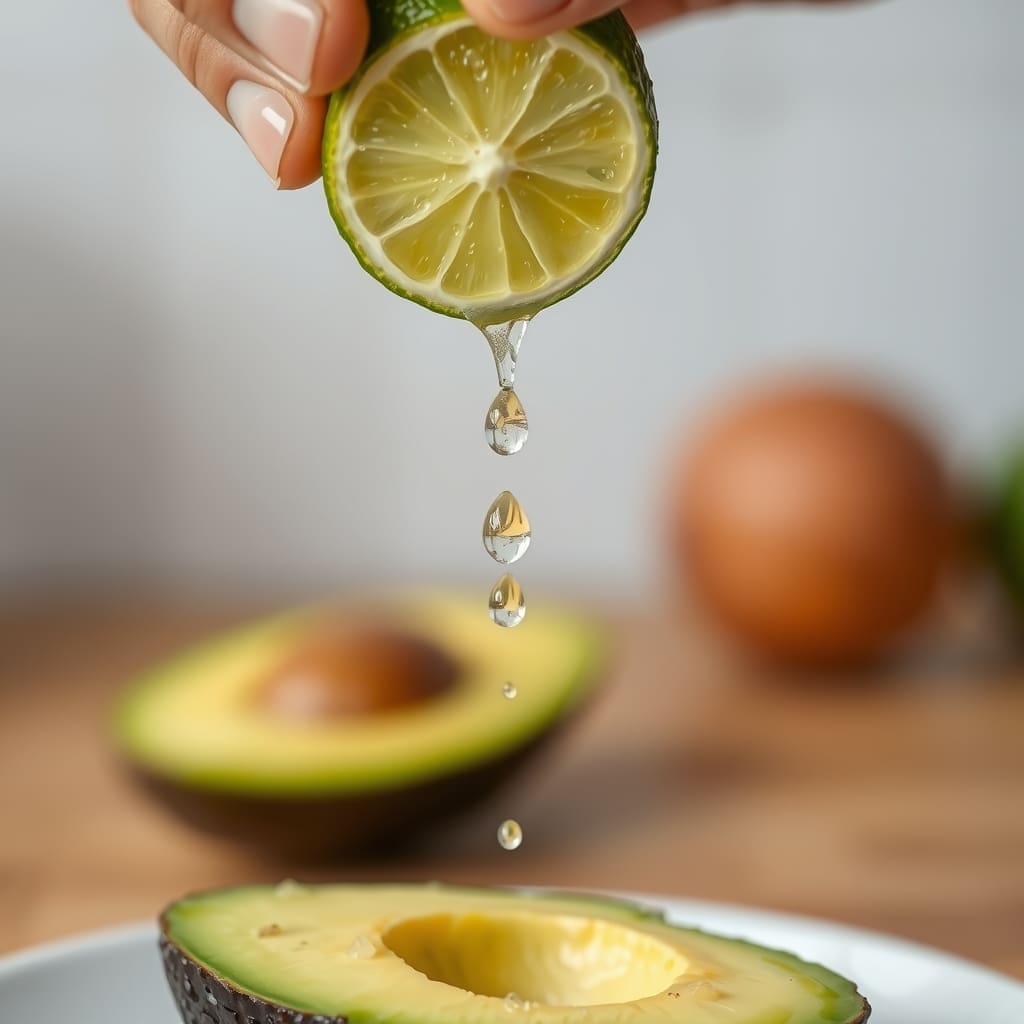
Don’t get stuck in a flavor rut. Use this framework to pivot your bowl:
- The Low-Carb Swap: Replace brown rice with cauliflower rice or extra leafy greens like massaged kale.
- The Soy-Free Alternative: Swap tofu for roasted chickpeas (garbanzos). If you need a high-protein breakfast alternative, consider trying a high-protein vegan omelette to start your day.
- The Seasonal Shift: In winter, use roasted Brussels sprouts and butternut squash. In summer, use raw cucumbers, radishes, and grilled zucchini.
- The Mediterranean Twist: Use farro as the grain, chickpeas as the protein, and top with olives, cucumbers, and a lemon-tahini sauce.
Troubleshooting and Frequently Asked Questions
Q: Why is my tofu soggy instead of crispy?
A: You likely didn’t press it long enough, or you overcrowded the pan. Tofu needs space; if the cubes are touching, they will steam each other instead of searing.
Q: Can I use white rice instead of brown?
A: Yes, but you’ll lose the fiber and nutty flavor. If using white rice, increase your vegetable portion to maintain the fiber content of the meal.
Q: Is this bowl ‘Clean Eating’ approved?
A: While ‘clean eating’ isn’t a clinical term, this bowl consists entirely of whole, minimally processed foods, making it an excellent choice for anti-inflammatory diets.
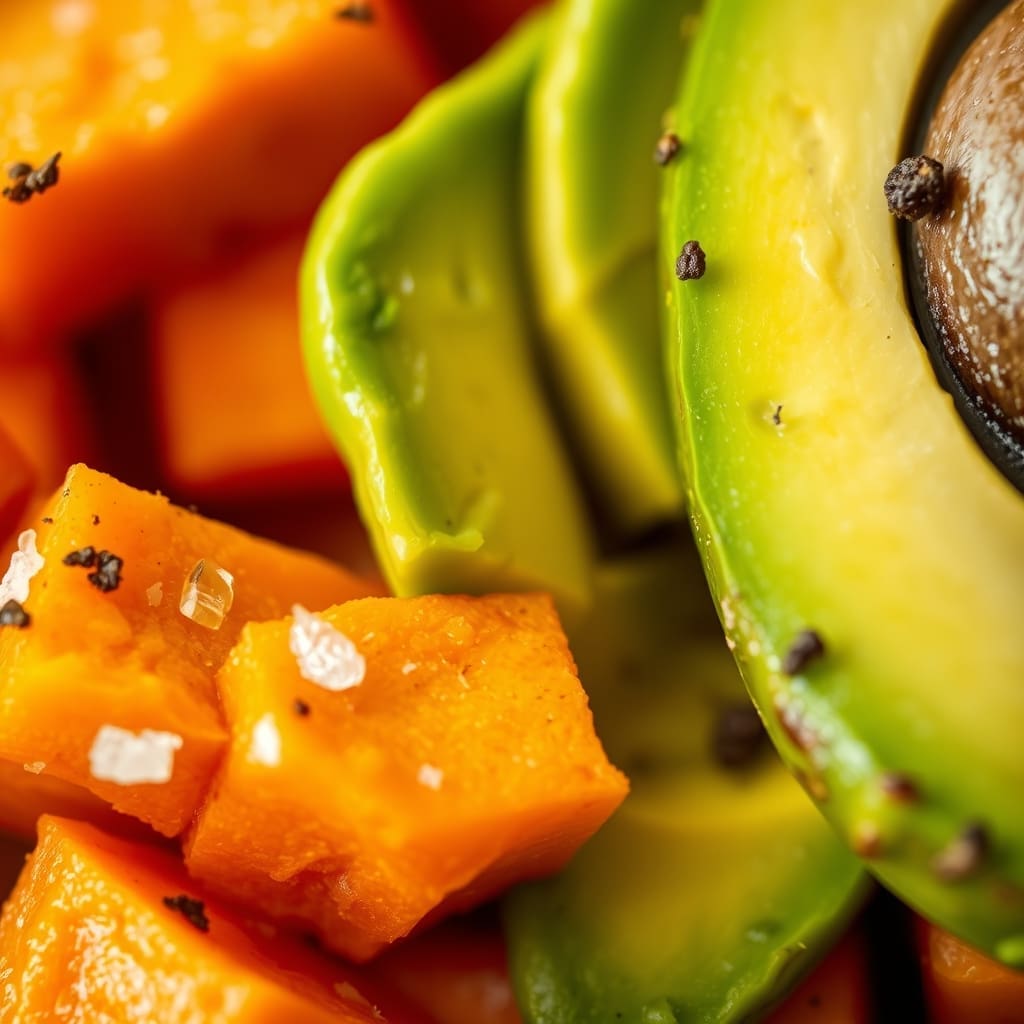
Q: How do I prevent my avocado from browning in meal prep?
A: Don’t slice it until you are ready to eat! If you must pre-slice, toss it in lime juice and press plastic wrap directly onto the surface of the fruit to block oxidation.
Conclusion
The ultimate Buddha Bowl is more than just a trend; it is a scientifically-backed approach to meal assembly that prioritizes satiety, nutrient density, and digestive health. Whether you are meal prepping for a busy work week or looking for a restorative weekend dinner, this bowl provides the fiber, protein, and complex carbohydrates your body needs to thrive.
Start with this peanut-tofu classic, then use the variations guide to make the concept your own.
metoprolol tart
metoprolol tart
levitra generico
levitra generico
fluconazole 150 mg tablet
fluconazole 150 mg tablet
prevacid 30 mg over the counter
prevacid 30 mg over the counter