
The Ultimate Best Vegan Chocolate Cake: The Definitive One-Bowl Guide
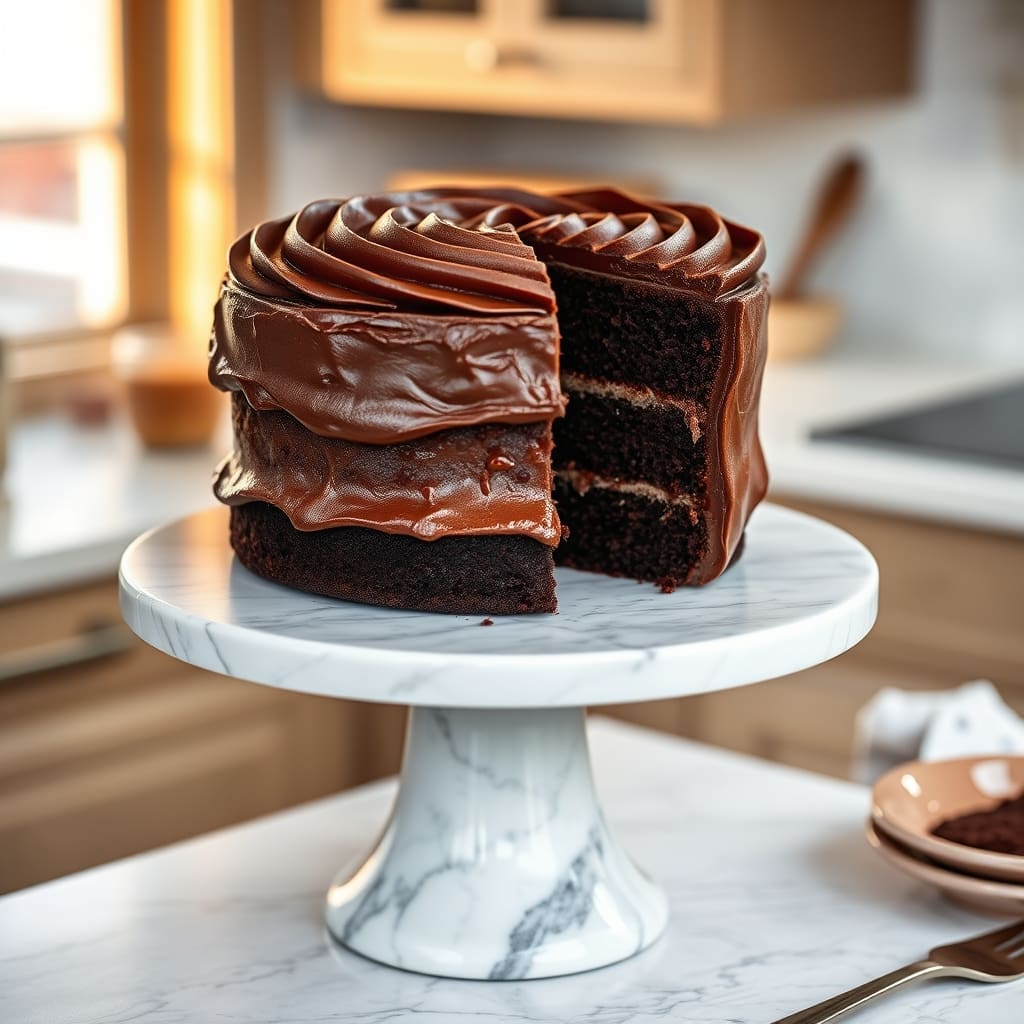
For many, the search for a truly decadent vegan chocolate cake ends in disappointment—often yielding a crumb that is either too dry, strangely dense, or lacking that deep ‘chocolatey’ punch. After years of experimentation and thousands of community reviews, we have refined a recipe that doesn’t just pass as ‘good for vegan’—it stands as the best chocolate cake, period.
This isn’t just a recipe; it’s a culinary masterclass in plant-based moisture. By leveraging the science of ‘cocoa blooming’ and specific plant-based fats, we’ve created a one-bowl wonder that is exceptionally moist, rich, and foolproof.
Whether you’re a seasoned baker or a newcomer to the vegan kitchen, this guide will walk you through the ‘why’ behind the ‘how,’ ensuring your next celebration is anchored by a dessert that everyone will love, regardless of their dietary preferences.
The Science of Moisture: Why Boiling Water is the Secret
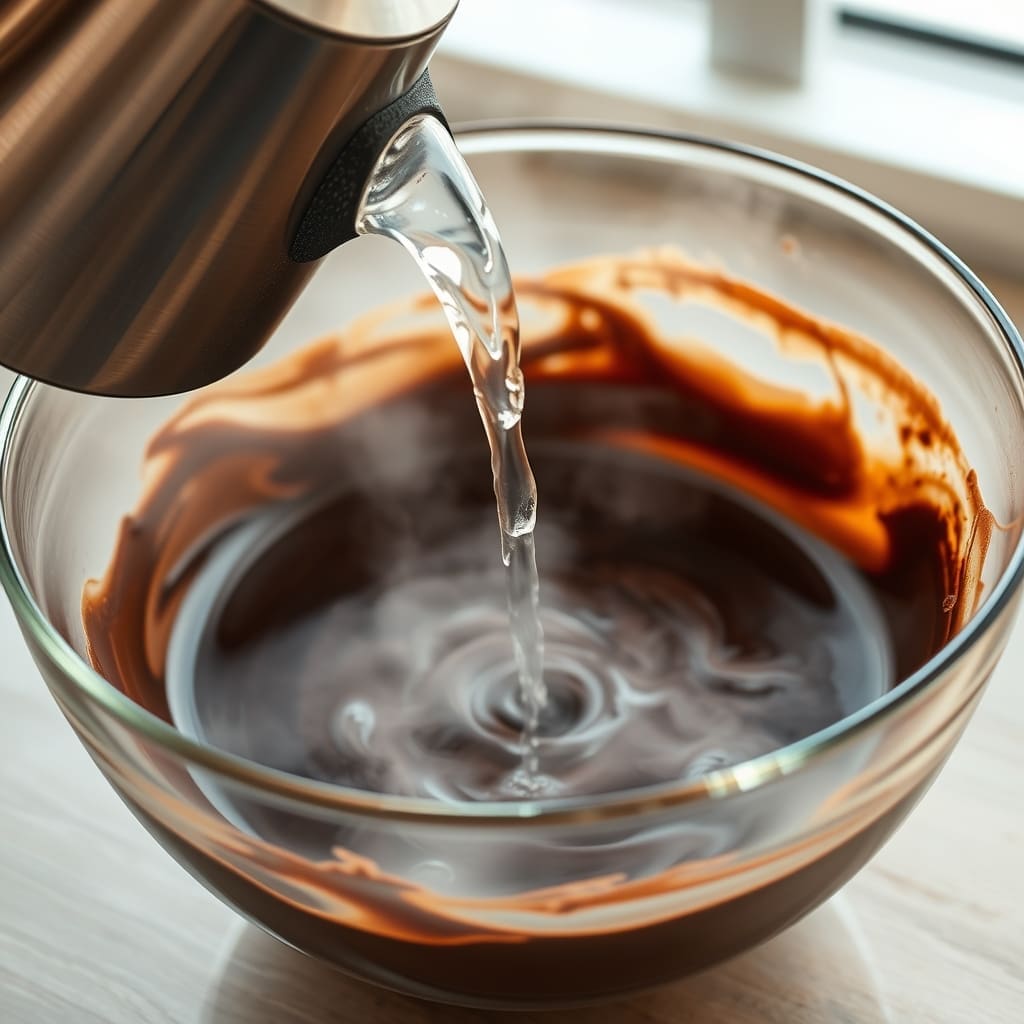
When you add boiling water to cocoa powder, it dissolves the solids and releases flavor compounds that are otherwise trapped. This process, according to the 2023 King Arthur Baking guide on the science of blooming cocoa, intensifies the chocolate notes and ensures a smooth, lump-free batter.
Furthermore, the boiling water reacts with the sugars and fats to create a thin, highly hydrated batter. While it may look alarmingly ‘runny’ compared to traditional cakes, this high hydration is exactly what leads to the ‘super moist’ result.
As the cake bakes, the water evaporates slowly, leaving behind a tender, airy crumb rather than a dense, dry one. This technique is particularly effective in vegan baking, where the absence of egg proteins means we must rely on hydration and leavening precision for structure.
Ingredient Masterclass: Choosing the Right Components
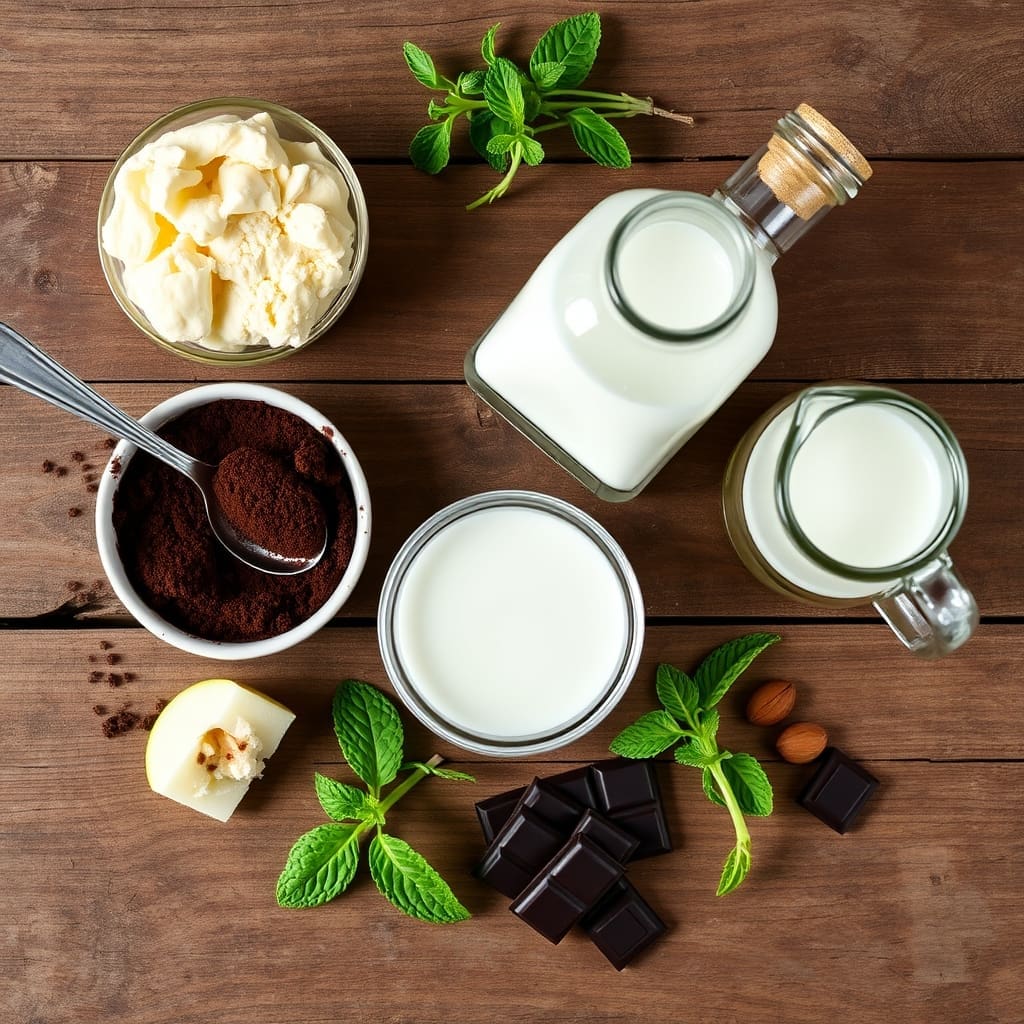
To achieve bakery-quality results, the quality of your ingredients matters. The acidity in the vinegar reacts with the baking soda to provide a significant lift, which is vital in a cake without eggs.
For the fat source, we recommend a neutral-flavored oil like canola or melted coconut oil. Coconut oil will yield a slightly firmer crumb when cooled, while canola oil maintains maximum softness at room temperature. This balance of fat and moisture is similar to the approach used in the science of the perfect fudgy vegan brownies.
The inclusion of unsweetened applesauce is another critical component; it provides pectin for binding and natural sugars for moisture retention. When choosing cocoa powder, a high-quality natural unsweetened cocoa (like Hershey’s or Ghirardelli) works best with the leavening agents provided. Avoid Dutch-processed cocoa unless you are prepared to adjust the acidity levels, as it has a different pH that can affect the rise.
The Substitution Matrix: GF, Oil-Free, and More
Based on years of reader feedback, we have validated several key substitutions to make this cake accessible for all dietary needs:
- Gluten-Free: Use a high-quality 1:1 gluten-free flour blend (such as King Arthur Measure for Measure or Bob’s Red Mill). Avoid using single-grain flours like almond or coconut flour alone, as they lack the necessary structure.
- Oil-Free: You can replace the oil with an equal amount of extra applesauce or mashed banana. Note that the cake will be denser and have a shorter shelf life.
- Egg Replacers: If you don’t have applesauce, 2/3 cup of whipped aquafaba (the liquid from a chickpea can) or two ‘flax eggs’ (2 tbsp ground flax + 5 tbsp water) work excellently.
- Milk Varieties: While soy and almond milk are our favorites for their protein and fat content, oat milk or carton-based coconut milk are perfect alternatives. Avoid using water as a milk replacement, as it lacks the necessary fats for a rich mouthfeel.
The One-Bowl Method: Step-by-Step Success
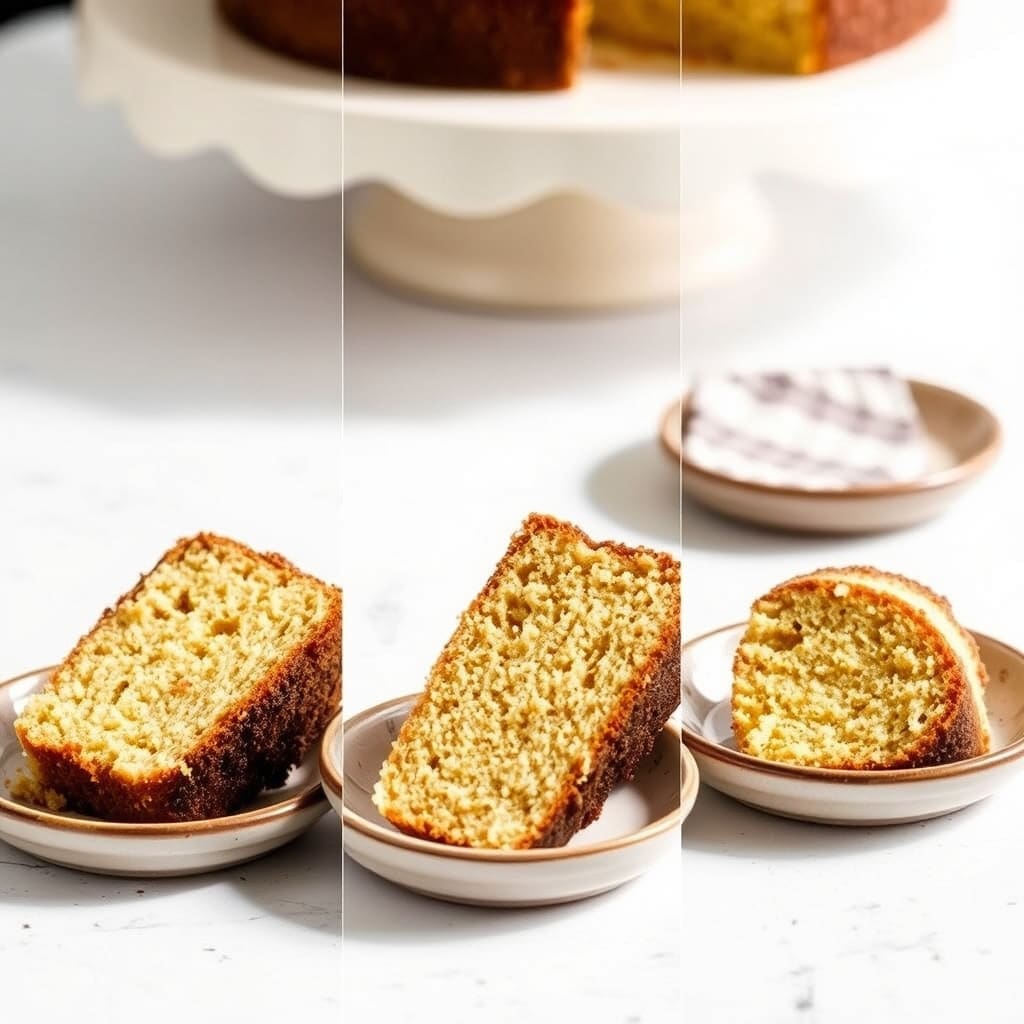
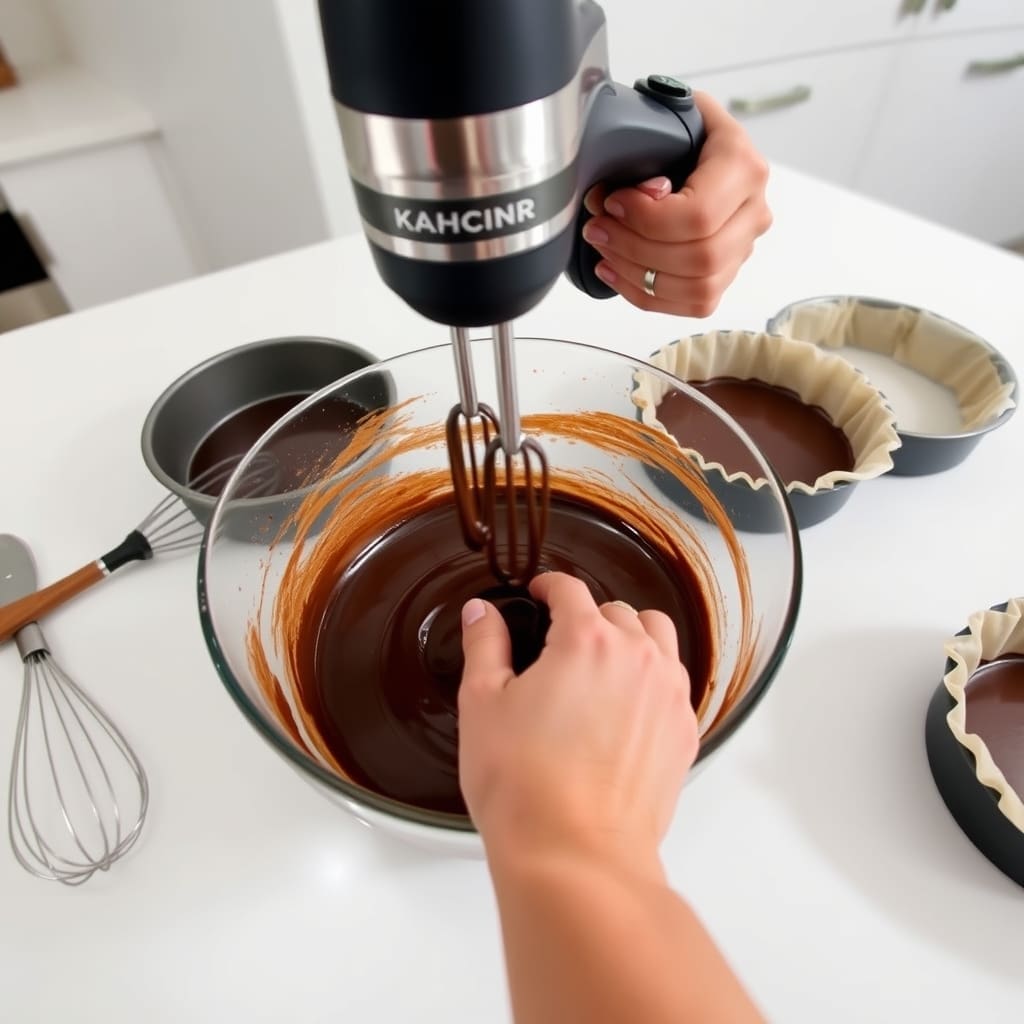
Efficiency is at the heart of this recipe. By using a single bowl, you minimize cleanup and reduce the risk of over-mixing.
- The Curdle: Start by mixing your plant milk and vinegar. Let it sit for 5-10 minutes. This creates ‘buttermilk,’ which tenderizes the gluten.
- The Dry Mix: Whisk your flour, sugar, cocoa, baking powder, baking soda, and salt together. Ensure there are no large cocoa clumps.
- The Emulsion: Add your wet ingredients (oil, applesauce, vanilla, and buttermilk) to the dry. Mix until just combined.
- The Bloom: Carefully pour in the boiling water. The batter will be very thin—this is normal.
- The Bake: Divide into two 8-inch pans. Bake at 350°F (175°C) for 30-35 minutes. A toothpick should come out with a few moist crumbs, not wet batter.
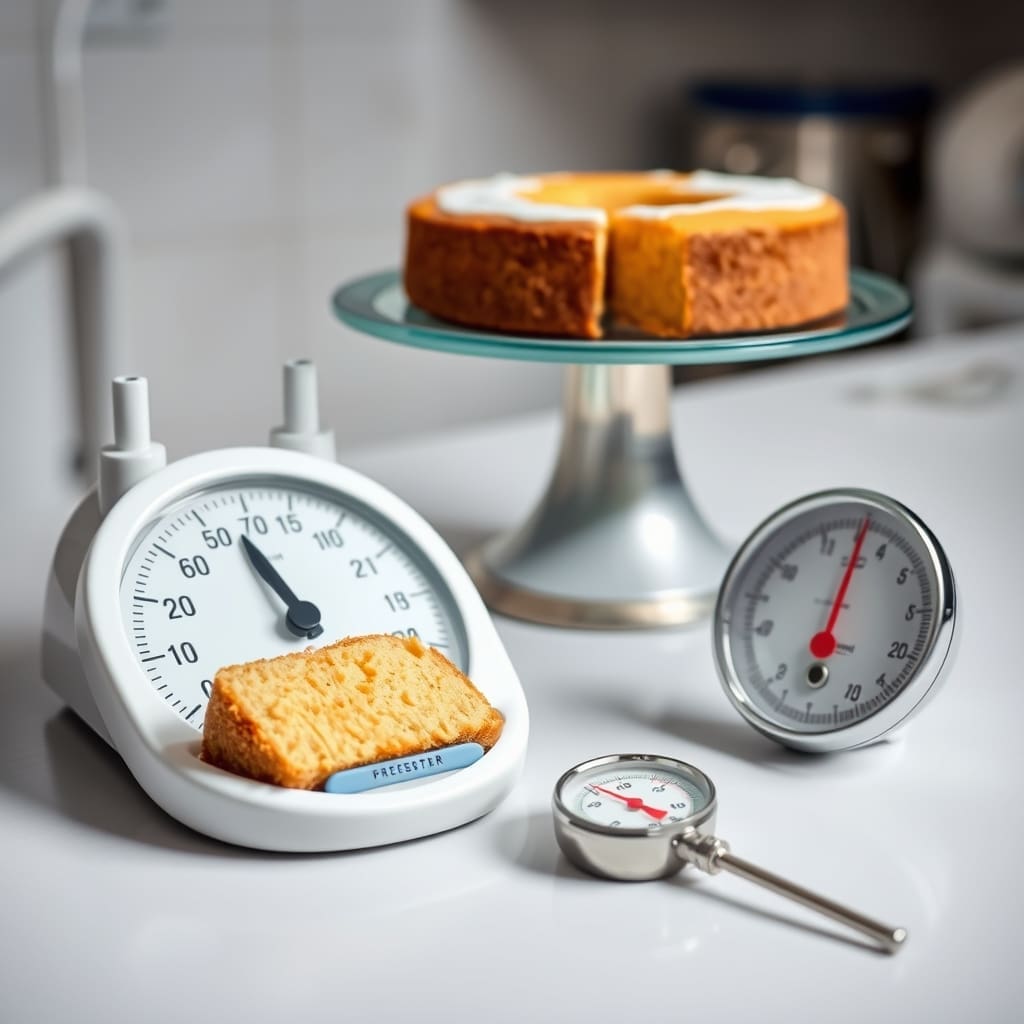
Precision tip: Use a kitchen scale for the flour (2 cups is approximately 250g). Over-measuring flour is the most common reason for a ‘dry’ cake.
Buttercream Perfection: Tips for a Stable Finish
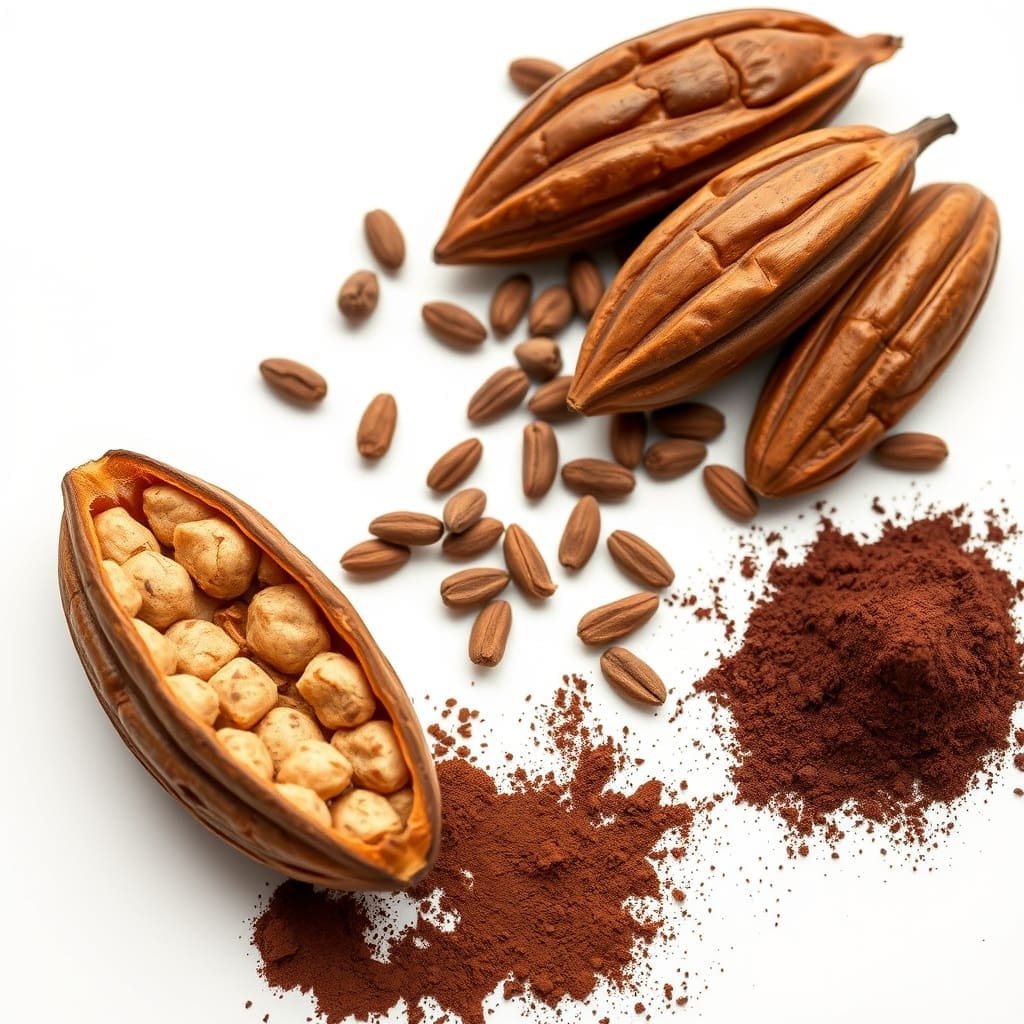
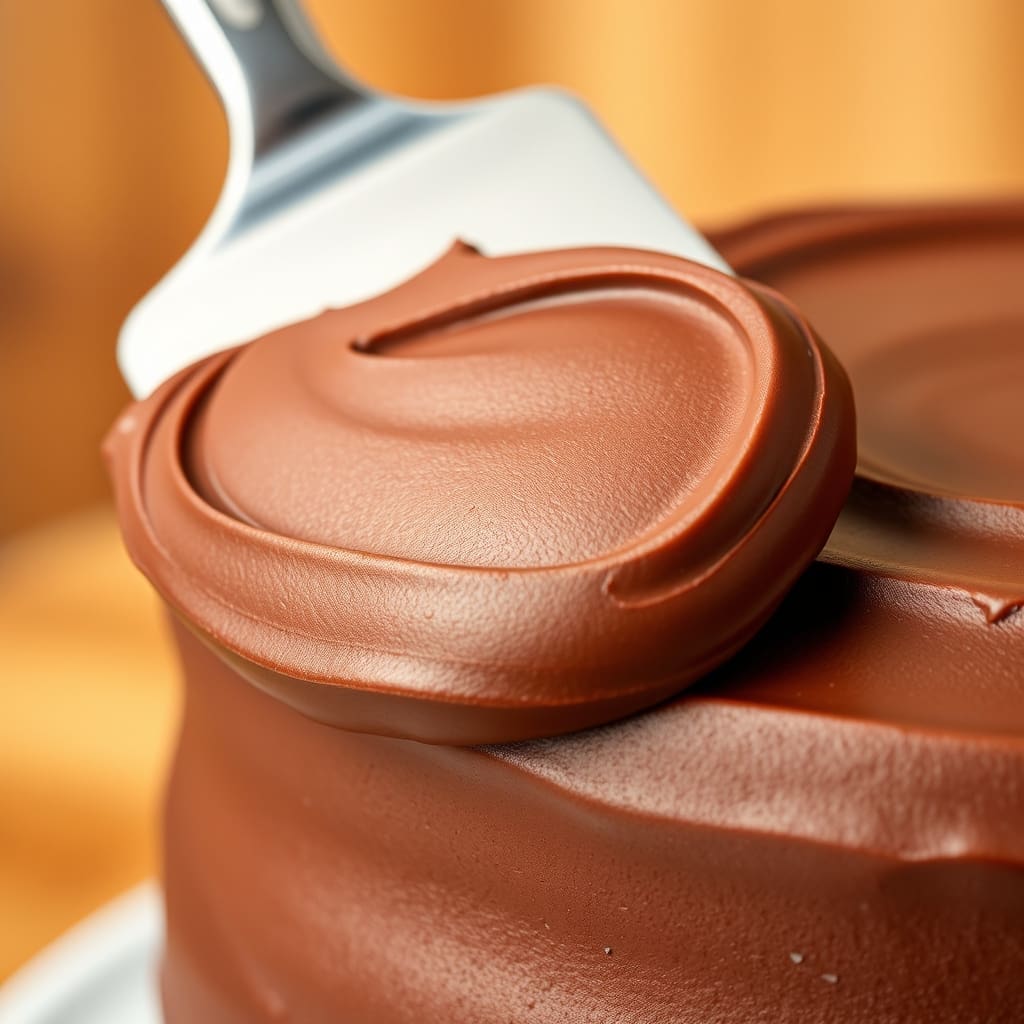
A world-class cake deserves a world-class frosting. The key to a stable vegan buttercream is the temperature and type of fat used.
We strongly recommend using vegan buttery sticks (like Earth Balance or Country Crock Plant Butter) rather than tub margarine. Tub varieties have a higher water content and will cause your frosting to ‘weep’ or separate, according to the America’s Test Kitchen guide to plant-based fats in baking.
For the richest flavor, whisk your cocoa powder first to remove lumps before adding the softened butter. If your frosting feels too soft, refrigerate it for 15 minutes before whipping again.
For a ‘bakery’ finish, add a pinch of salt to balance the sugar and a tablespoon of espresso powder to deepen the chocolate profile. According to research published in the Journal of Food Science on sodium’s role in sweetness perception, small amounts of salt can actually enhance the perception of sweetness and cocoa intensity.
Troubleshooting: Why Your Cake Might Fail (and How to Fix It)
Even the best recipes can go wrong if environmental factors aren’t considered. Here are the top solutions for common baking hurdles:
- Cake Didn’t Rise: Check the expiration date of your baking powder and soda. These lose potency after 6 months. Also, ensure you didn’t over-mix after adding the boiling water.
- Brownie-Like Texture: This usually happens from over-measuring flour or under-baking. Ensure your oven is truly at 350°F using an oven thermometer.
- Cake Sunk in Middle: This is often caused by opening the oven door too early, causing a sudden temperature drop before the structure has set.
- Sticky Surface: If the cake is sticky, it may have been covered while still slightly warm. Always allow a full 2-hour cooling period on a wire rack.
Storage and Freezing: Keep it Fresh for Days
To maintain that ‘just-baked’ moisture, storage is key. This same logic ensures the longevity of our fudgy vegan chocolate crinkle cookies.
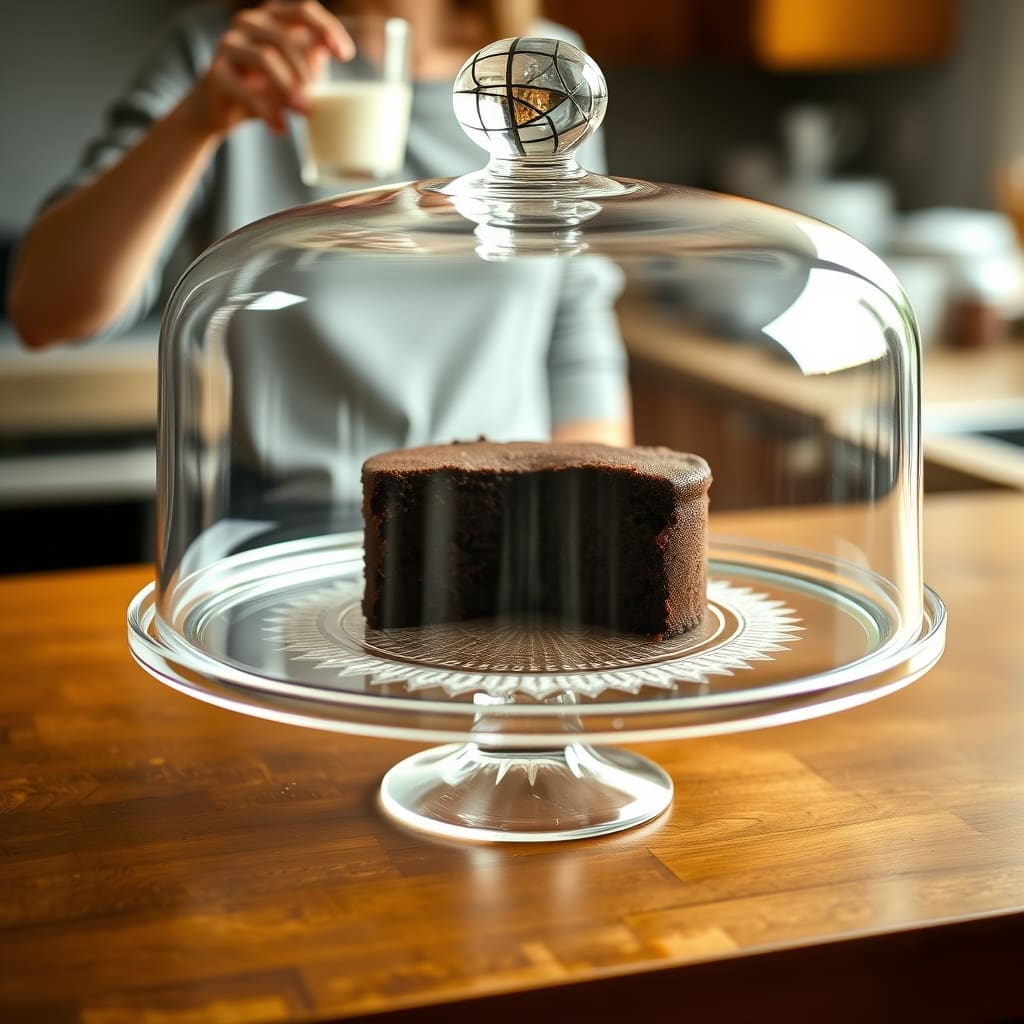
- Room Temperature: The frosted cake can stay on the counter in a cake dome for 3-4 days.
- Refrigeration: If your kitchen is warm, store the cake in the fridge for up to 6 days. Note that the fats in the frosting will firm up, so let it sit at room temp for 30 minutes before serving.
- Freezing: This cake freezes beautifully! Wrap unfrosted layers tightly in plastic wrap and foil; they will stay fresh for up to 3 months.
To freeze a frosted cake, flash-freeze it for an hour until the frosting is hard, then wrap it. This prevents the ‘squashed frosting’ look when thawing. Research from the American Society of Baking suggests that freezing actually helps ‘lock in’ moisture in high-sugar cakes, making them taste even better after a slow thaw.
The Nutritional Profile: A Healthier Indulgence
While this is an indulgent dessert, the primary ingredient—cocoa powder—offers surprising health benefits. Dark cocoa is rich in polyphenols, specifically flavonoids, which have been linked in a 2022 PubMed study on cocoa flavonoids and cardiovascular health to improved heart health and reduced inflammation.
By using plant-based fats, this recipe also contains zero cholesterol, unlike traditional cakes made with butter and eggs. Using unsweetened applesauce, as analyzed by USDA FoodData Central, reduces the need for excessive processed oils, providing a slight boost in fiber and vitamin C.
While still a ‘treat,’ these mindful ingredient choices make it a superior option for heart-conscious celebrations.
Conclusion
Creating the best vegan chocolate cake isn’t just about following a list of ingredients; it’s about understanding the interplay between moisture, acidity, and heat. By using the blooming technique with boiling water and selecting high-quality fats like Earth Balance, you can achieve a result that defies the stereotypes of vegan baking.
Whether you are baking for a birthday, a holiday, or simply a Tuesday night craving, this recipe provides the reliability and richness that every baker deserves. For a complete festive spread, consider pairing this with a savory favorite like creamy vegan scalloped potatoes. Remember to trust the ‘runny’ batter, measure your flour by weight if possible, and allow the cake to cool completely to lock in that incredible texture.
Happy baking!