
The Ultimate Guide to Plant-Based Baby-Led Weaning: 10 Nutritious First Foods
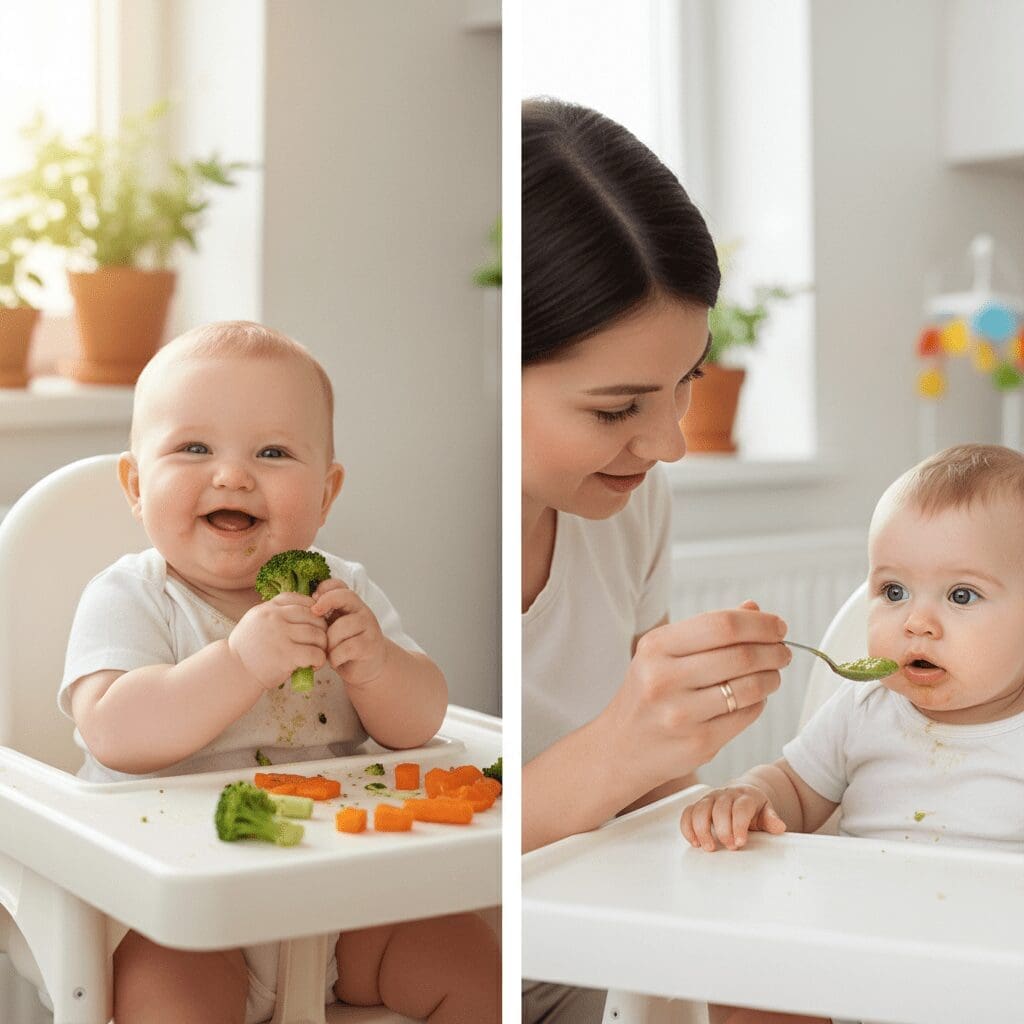
Watching your baby try their first foods is one of the most memorable milestones of their first year. If you’re exploring a plant-based lifestyle for your family, you might be wondering how to apply those principles to your baby’s introduction to solids.
Welcome to the world of Baby-Led Weaning (BLW), a method that empowers infants to take the lead in their food journey. It’s a transition from milk to meals that encourages self-feeding, exploration, and listening to their own hunger cues from the very start.
This guide is designed to be your trusted resource, moving beyond personal stories to provide evidence-based, practical advice. We’ll walk you through the top 10 plant-based foods perfect for little hands, explain how to prepare them safely, and cover the essential nutritional bases to ensure your baby thrives.
We’re here to help you navigate this messy, joyful, and incredibly rewarding stage with confidence.
Medical Disclaimer: This article is for informational purposes only and does not constitute medical advice. Always consult with your child’s pediatrician or a pediatric registered dietitian before starting solid foods and to discuss your baby’s individual nutritional needs.
What Exactly Is Baby-Led Weaning?
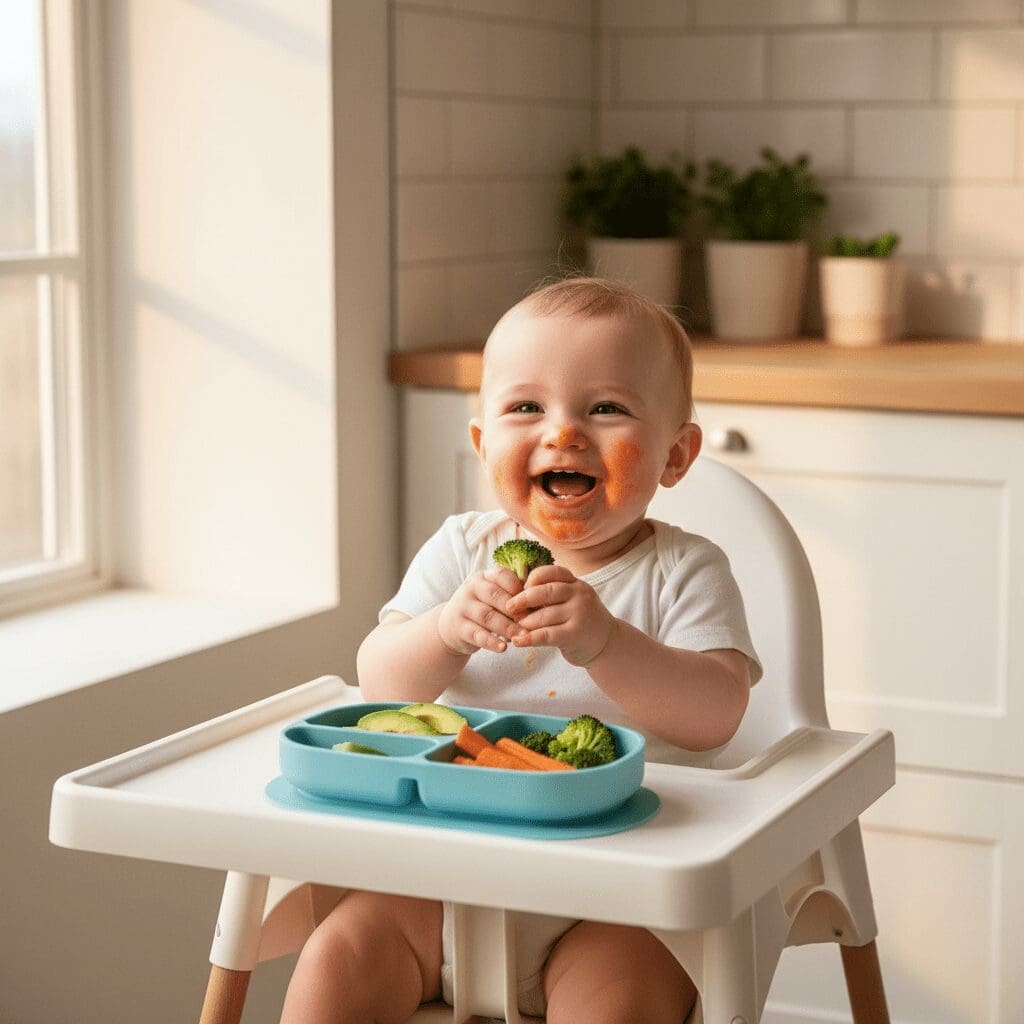
Baby-Led Weaning (BLW) is an approach to introducing solid foods that allows babies to feed themselves from the start. Instead of being spoon-fed purées, a baby participating in BLW is given soft, graspable pieces of whole foods to explore and eat at their own pace.
The term “weaning” can be misleading; it’s not about stopping breast milk or formula, but rather complementing it with solids. Here’s how it differs from traditional spoon-feeding:
- Control: With BLW, the baby controls what, how much, and how quickly they eat. In traditional feeding, the parent controls the pace and intake.
- Motor Skills: BLW encourages the development of fine motor skills, hand-eye coordination, and chewing skills earlier on.
- Appetite Regulation: Proponents suggest that BLW may help children develop better appetite self-regulation, as they are in complete charge of their consumption. Research published in Pediatric Obesity suggests that infants weaned with a baby-led approach may be better at recognizing their own satiety cues.
- Food Exposure: Babies are often introduced to a wider variety of textures and family foods from the beginning, which may help reduce pickiness later on. This early exposure can make it easier to incorporate a variety of plant-based meals, from simple steamed veggies to more complex dishes like BBQ cauliflower wings, as they grow.
How to Know If Your Baby Is Ready for BLW
Timing is crucial for a safe and positive start to solid foods. The American Academy of Pediatrics (AAP) and the Centers for Disease Control and Prevention (CDC) recommend starting solids around 6 months of age, once the baby shows clear signs of developmental readiness.
Age alone is not a sufficient indicator. Before you offer that first slice of avocado, ensure your baby meets all the following criteria:
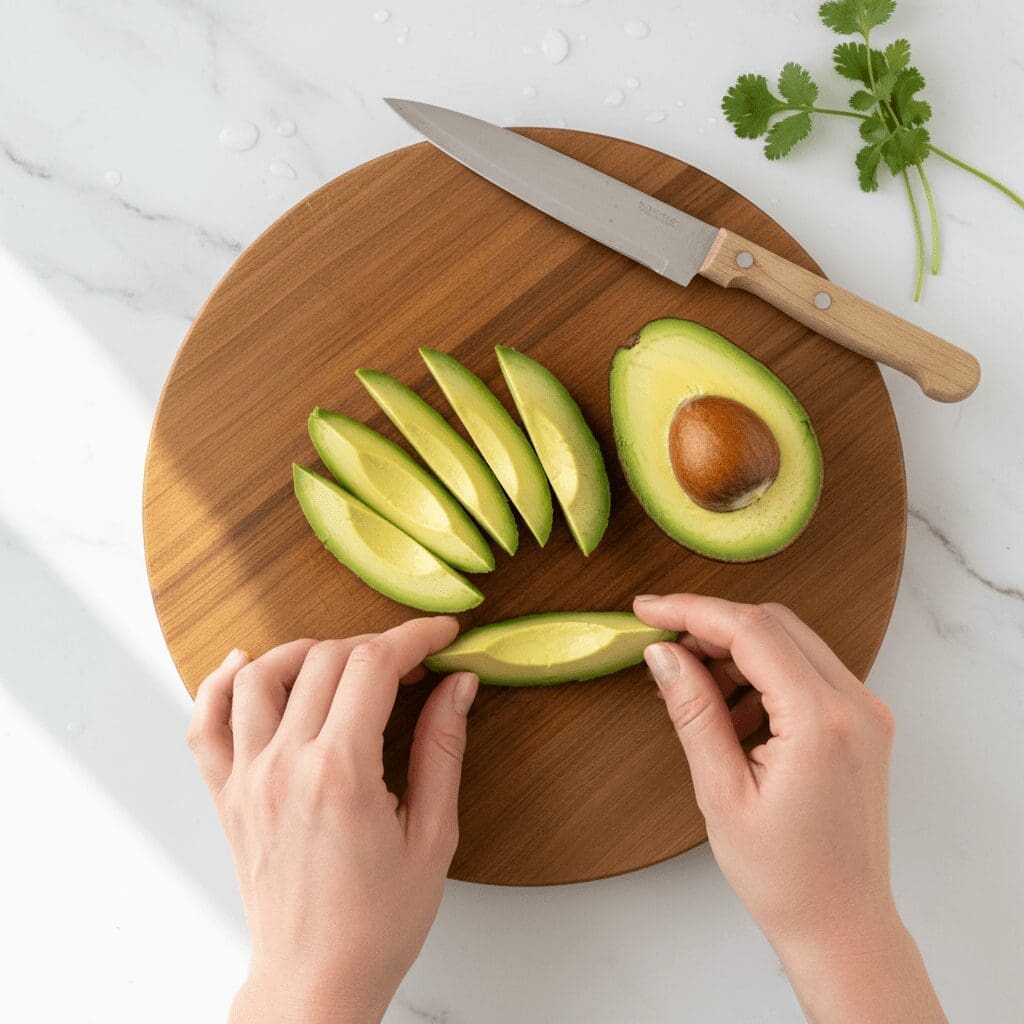
- Sits Independently: The baby should be able to sit upright in a highchair with minimal support. This is a critical safety measure to reduce the risk of choking.
- Has Good Head and Neck Control: They must be able to hold their head steady and upright to effectively chew and swallow.
- Has Lost the Tongue-Thrust Reflex: This is the natural reflex that causes babies to push food out of their mouths with their tongue. To eat solids, they need to be able to move food to the back of their mouth to swallow. You can test this by offering a small amount of thin puree on a spoon; if most of it comes right back out, the reflex is likely still strong.
- Shows Interest in Food: The baby reaches for your food, watches you eat with fascination, and may open their mouth when food is offered. This curiosity is a key sign they are ready to participate in meals.
Top 10 Nutritious Plant-Based Foods for BLW
Here are ten nutritious, easy-to-prepare plant-based foods that are perfect for getting started with baby-led weaning. For each food, we provide preparation tips for two key developmental stages: the initial palmar grasp stage and the later pincer grasp stage.
1. Avocado
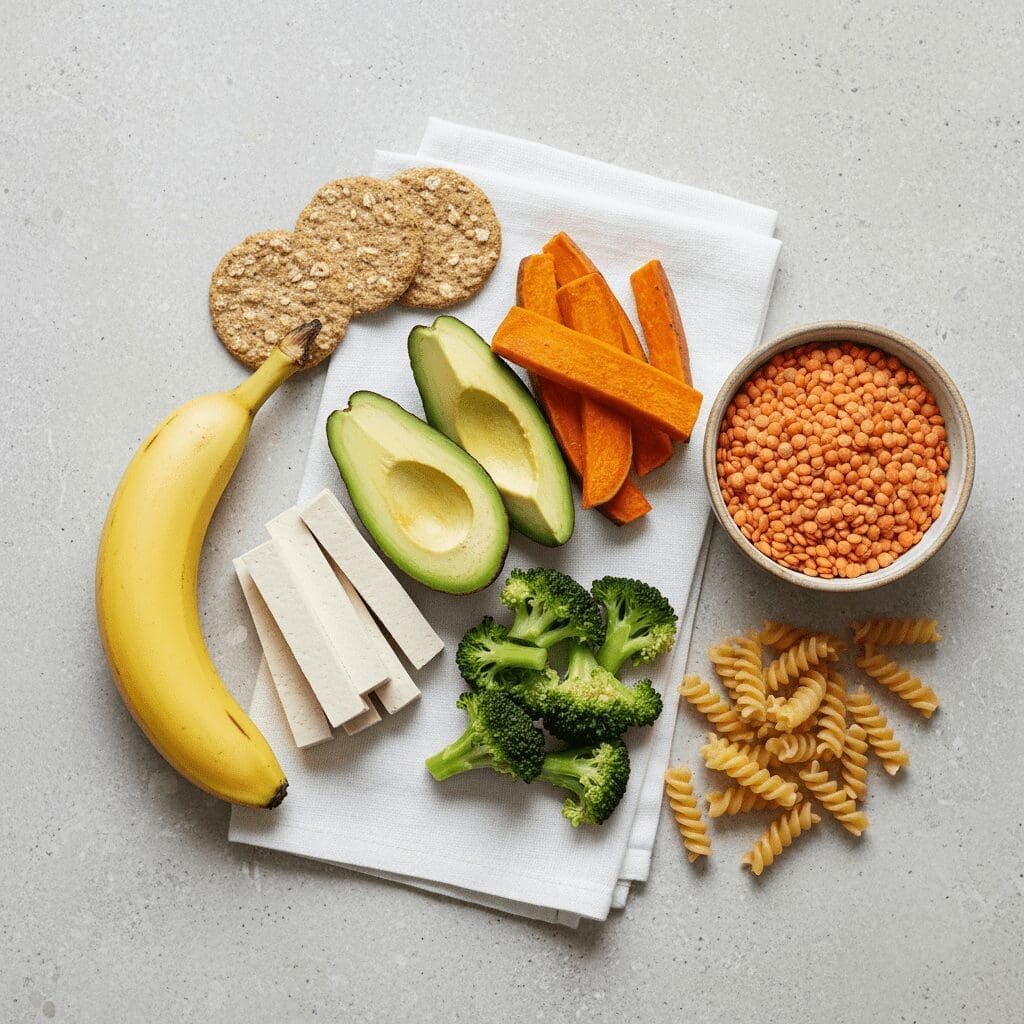
Why it’s great: Avocado is a powerhouse of healthy monounsaturated fats, which are crucial for brain development. Its soft, creamy texture is gentle on a baby’s gums, making it an ideal first food. It’s also rich in fiber, potassium, and vitamin K.
How to Prepare (6-8 months): At this stage, babies use their whole palm to pick things up (palmar grasp). Cut a ripe avocado into thick, long spears, about the size of an adult pinky finger. You can leave a small amount of the skin on at the very bottom to provide extra grip, but supervise closely to ensure your baby doesn’t eat it. Alternatively, roll the slippery spears in a nutrient-booster like hemp hearts or finely crushed, unsweetened oat cereal to make them easier to hold.
How to Adapt (9-12 months): As your baby develops the pincer grasp (using their thumb and forefinger), you can dice the avocado into small, soft cubes that they can practice picking up. You can also mash it and spread it thinly on a strip of soft, toasted bread.
2. Banana
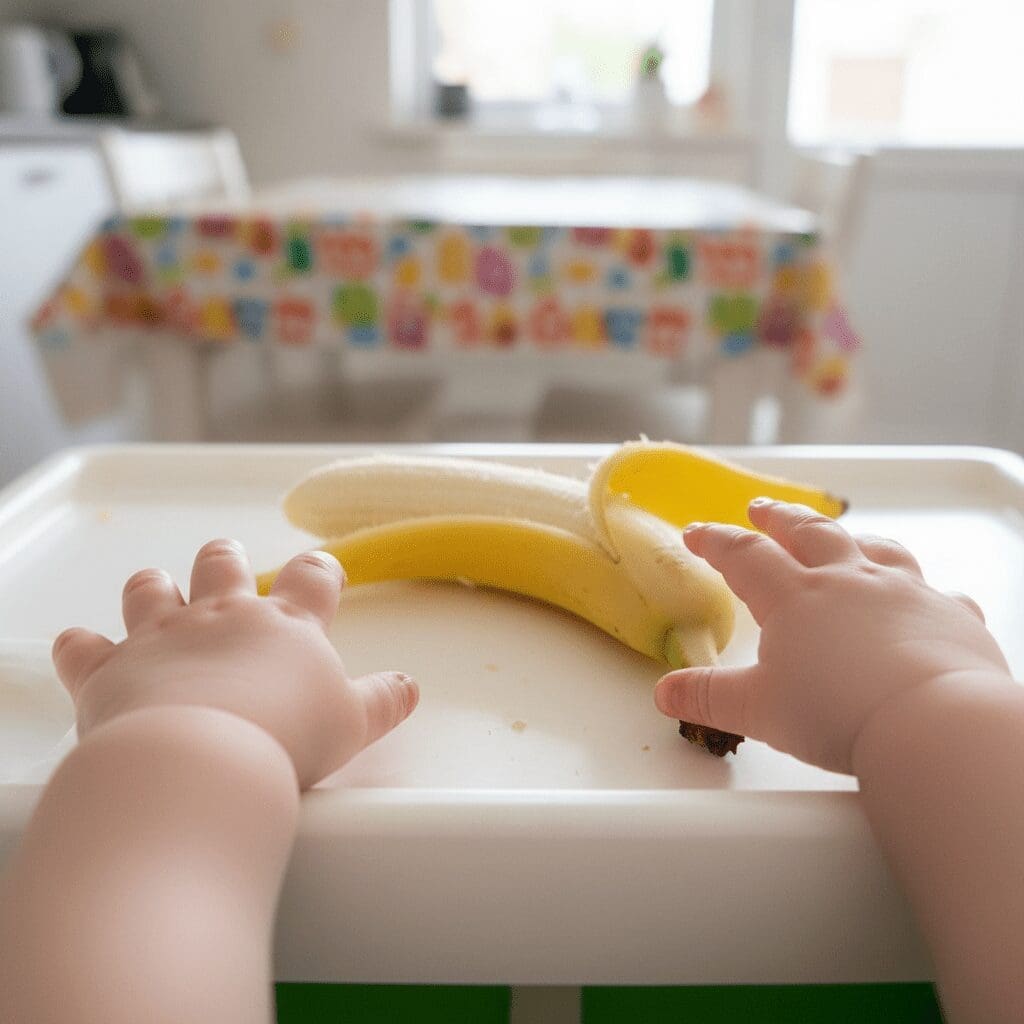
Why it’s great: Bananas are an excellent source of potassium and vitamin B6. They are naturally sweet and soft, requiring no cooking when perfectly ripe. They provide quick energy for active, growing babies.
How to Prepare (6-8 months): The “handle” method works wonders. Cut a third of a banana, and then carefully slice the peel off the top inch or two, leaving the rest of the peel on for the baby to grip. This prevents the banana from turning into mush in their fist.
How to Adapt (9-12 months): Once the pincer grasp is emerging, you can break the banana into small, pea-sized chunks for them to practice picking up. You can also mash it and mix it into oatmeal or a plant-based yogurt.
3. Sweet Potato
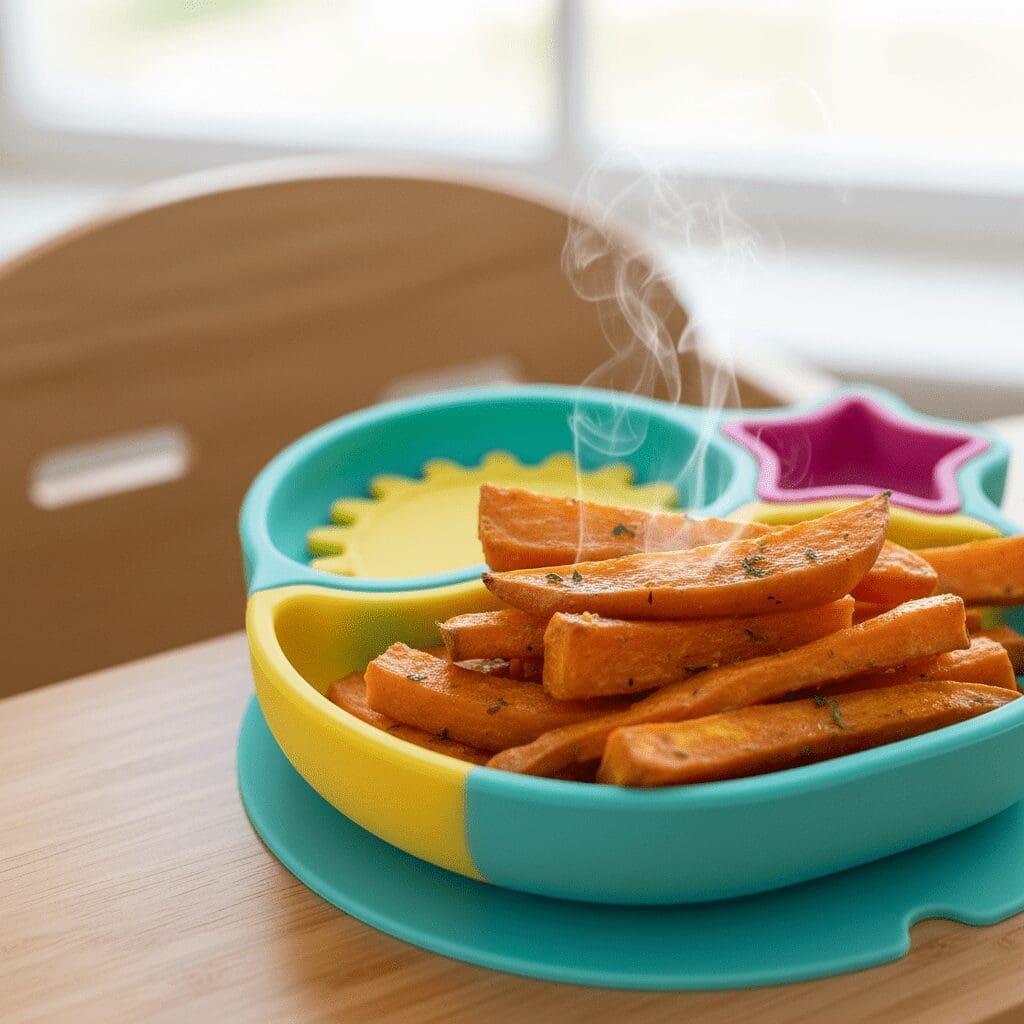
Why it’s great: Sweet potatoes are packed with beta-carotene (which the body converts to vitamin A), essential for vision, immune function, and skin health. They have a naturally sweet flavor and cook to a perfectly soft, mashable texture.
How to Prepare (6-8 months): Peel the sweet potato, cut it into thick, fry-shaped spears, and roast or steam until very soft (a fork should slide in with no resistance). Ensure they are cool enough before serving. Roasting brings out their natural sweetness.
How to Adapt (9-12 months): You can continue offering spears or cut the cooked sweet potato into small, soft cubes. You can also mash it and offer it pre-loaded on a soft spoon for them to practice with.
4. Broccoli

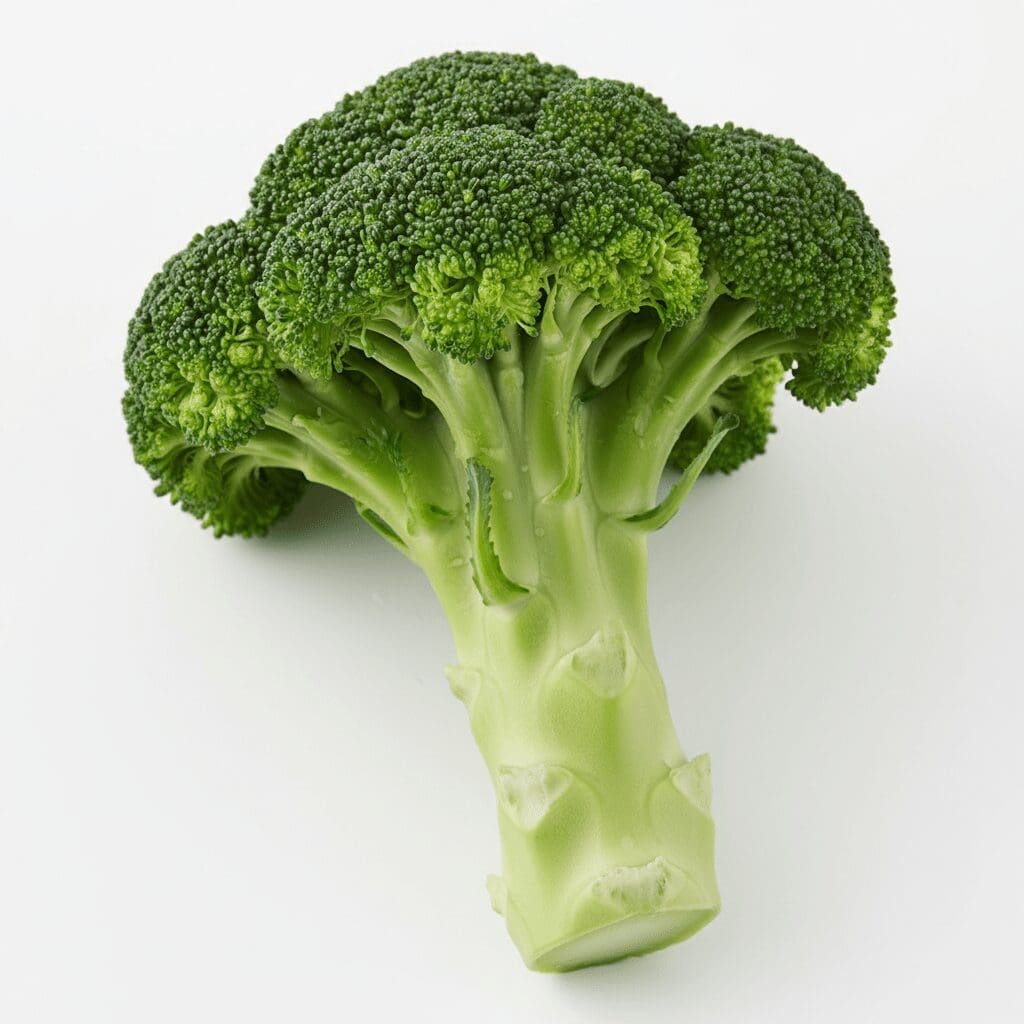
Why it’s great: Broccoli is a fantastic source of vitamin C, vitamin K, and fiber. The floret top provides a unique texture for babies to explore, while the stalk serves as a convenient handle.
How to Prepare (6-8 months): Cut broccoli into large florets with plenty of the stalk attached. Steam or lightly boil until the stalk is tender enough to be easily pierced with a fork. The floret part will be very soft and mashable in their mouth.
How to Adapt (9-12 months): You can start cutting the cooked florets into smaller, bite-sized pieces. Sautéing small, soft-cooked pieces with a little garlic powder can introduce new flavors.
5. Tofu
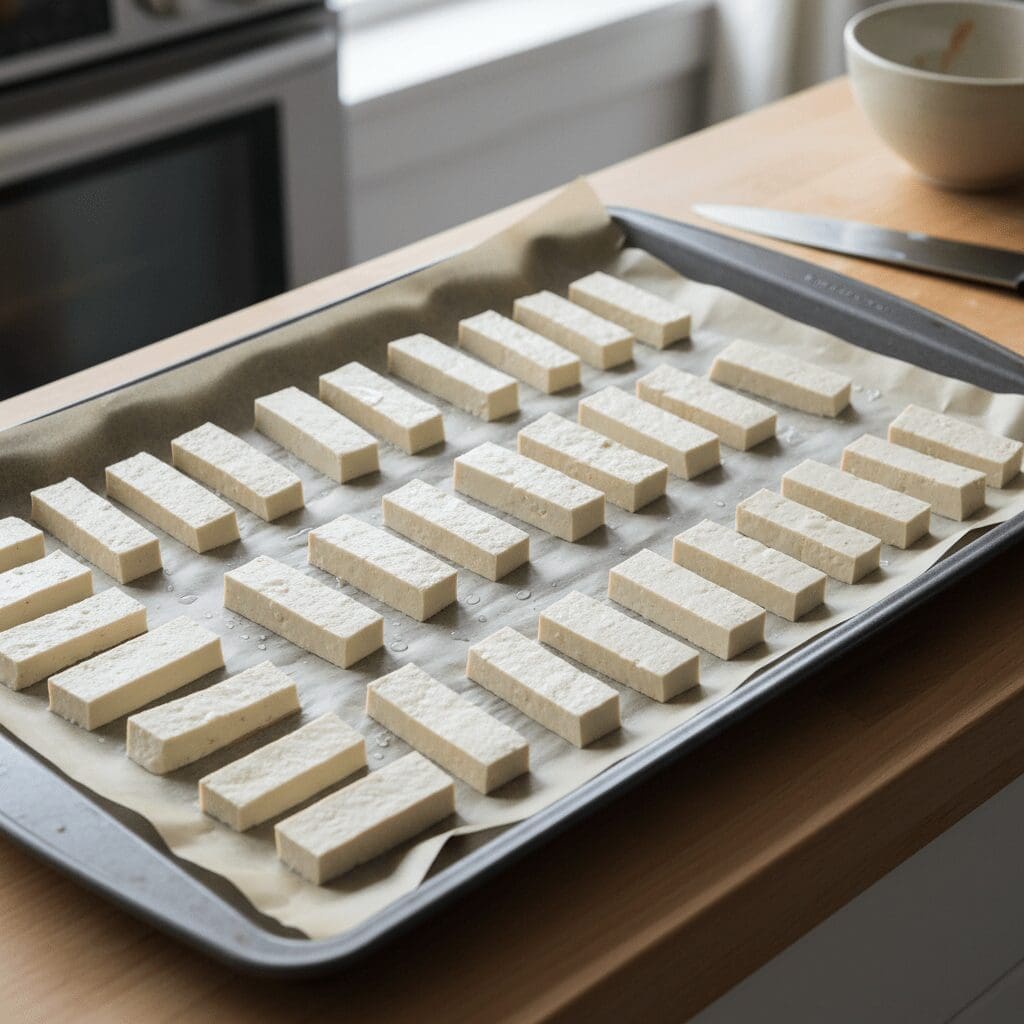
Why it’s great: Tofu, especially when fortified, is an excellent plant-based source of protein, iron, and calcium. It’s important to choose firm or extra-firm tofu for BLW so it holds its shape.
How to Prepare (6-8 months): Press a block of firm or extra-firm tofu to remove excess water. Cut it into long, thick sticks. You can serve it raw (it’s pre-cooked) or lightly pan-fry or bake it until it has a slightly golden exterior, which can make it easier to grip. Avoid using any salt.
How to Adapt (9-12 months): You can cut the tofu into small cubes. Crumbled tofu can also be mixed into other dishes like pasta sauce or scrambled with a pinch of turmeric for a baby-friendly “scrambled egg” alternative.
6. Oatmeal Fingers
Why it’s great: Oatmeal is a wonderful source of complex carbohydrates, fiber, and iron. While serving a bowl of traditional oatmeal to a self-feeding baby can be extremely messy, oatmeal fingers are a game-changer.
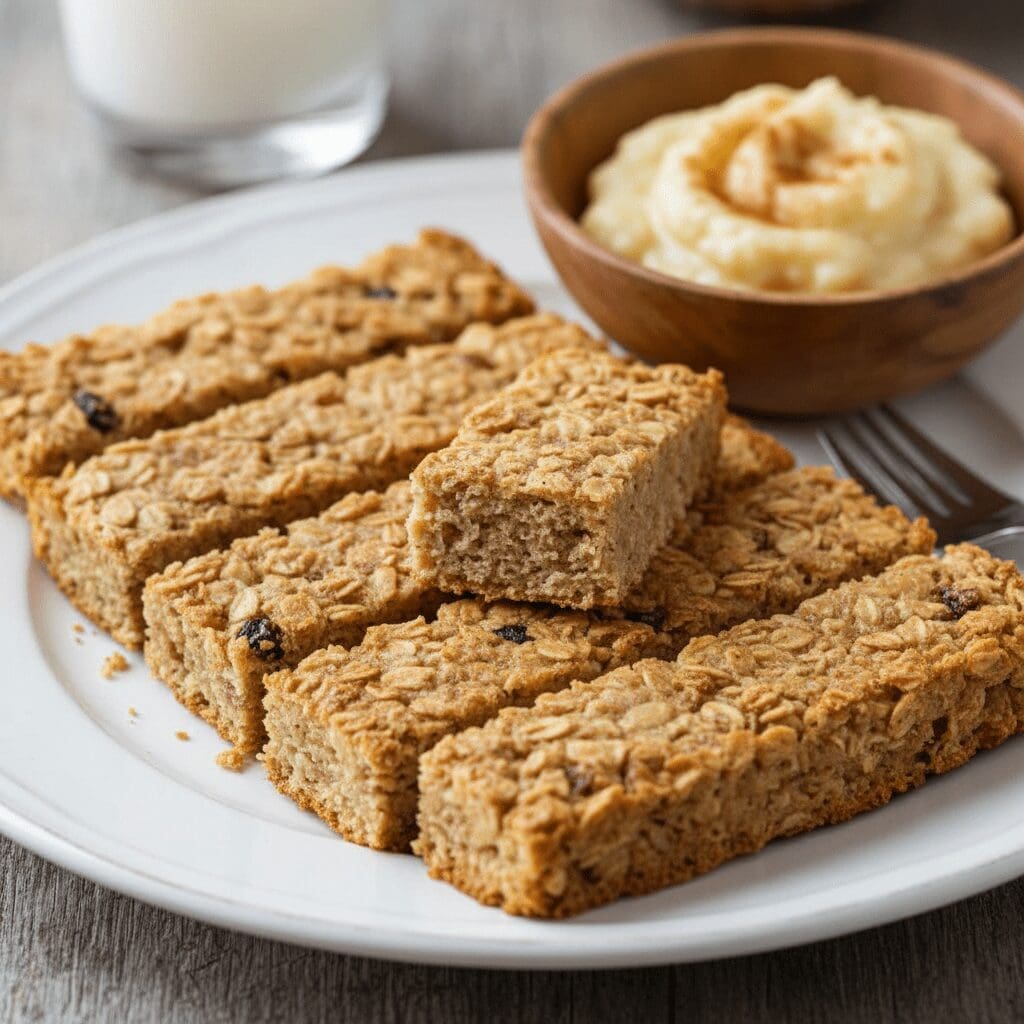
How to Prepare (6-8 months): Mix 1/4 cup of quick-cooking oats with 1/2 cup of water or unsweetened plant-based milk and a sprinkle of cinnamon. Microwave for 2-3 minutes until thick. Spread the mixture thinly on a plate, let it cool completely, and then cut it into strips. These strips hold their shape well and are perfect for little hands.
How to Adapt (9-12 months): You can continue serving strips or break them into smaller pieces. You can also start adding more ingredients to the mix before cooking, like mashed banana, unsweetened applesauce, or finely ground flax seeds for an omega-3 boost.
7. Red Lentils
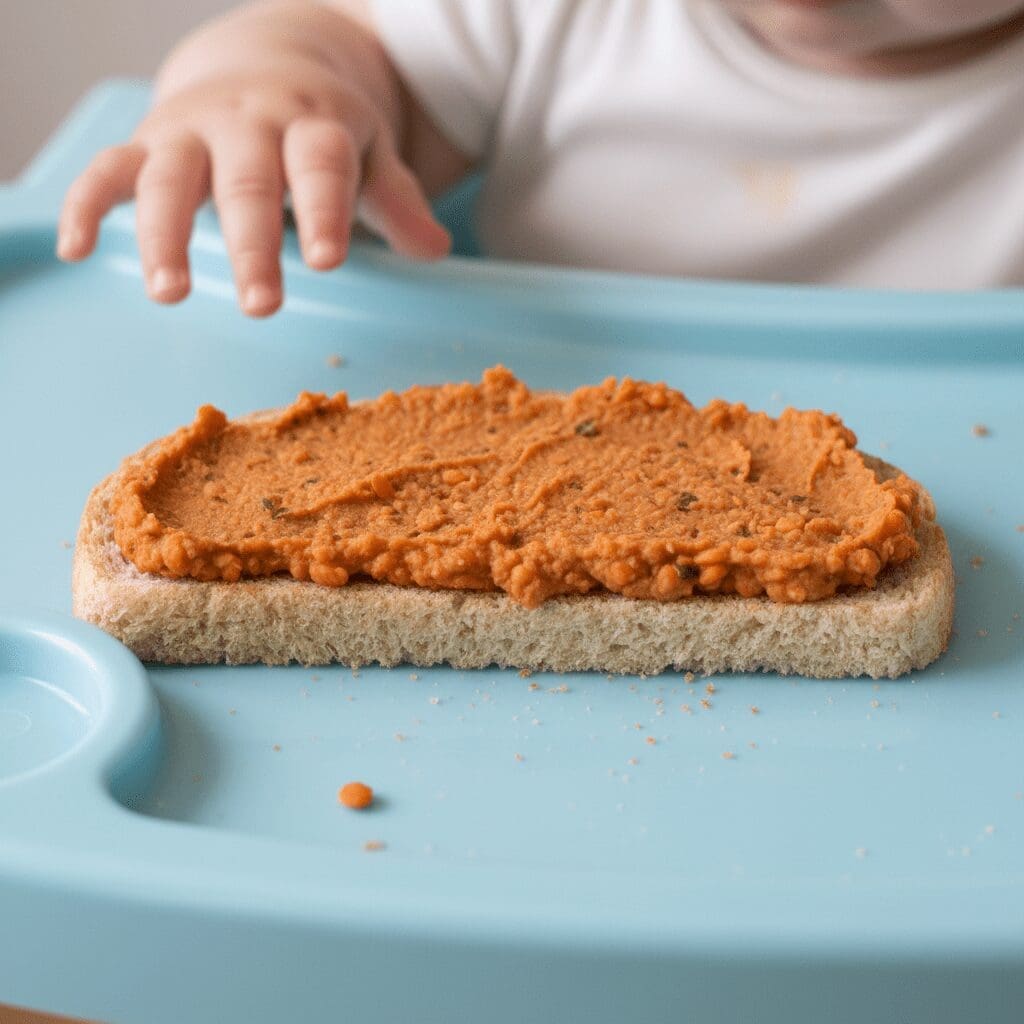
Why it’s great: Lentils are an iron and protein powerhouse in the plant kingdom. Red lentils are particularly good for babies as they cook down to a very soft, mushy texture.
How to Prepare (6-8 months): Since lentils can’t be picked up individually at this age, cook them into a very thick stew or pâté. You can then spread this thick lentil mixture onto a soft piece of toast or a rice-based teething cracker for the baby to manage.
How to Adapt (9-12 months): As they get better with utensils, you can offer a thicker lentil stew with a pre-loaded spoon. You can also form the thick, cooked lentil mixture into soft, small balls that they can pick up.
8. Ripe or Cooked Pears
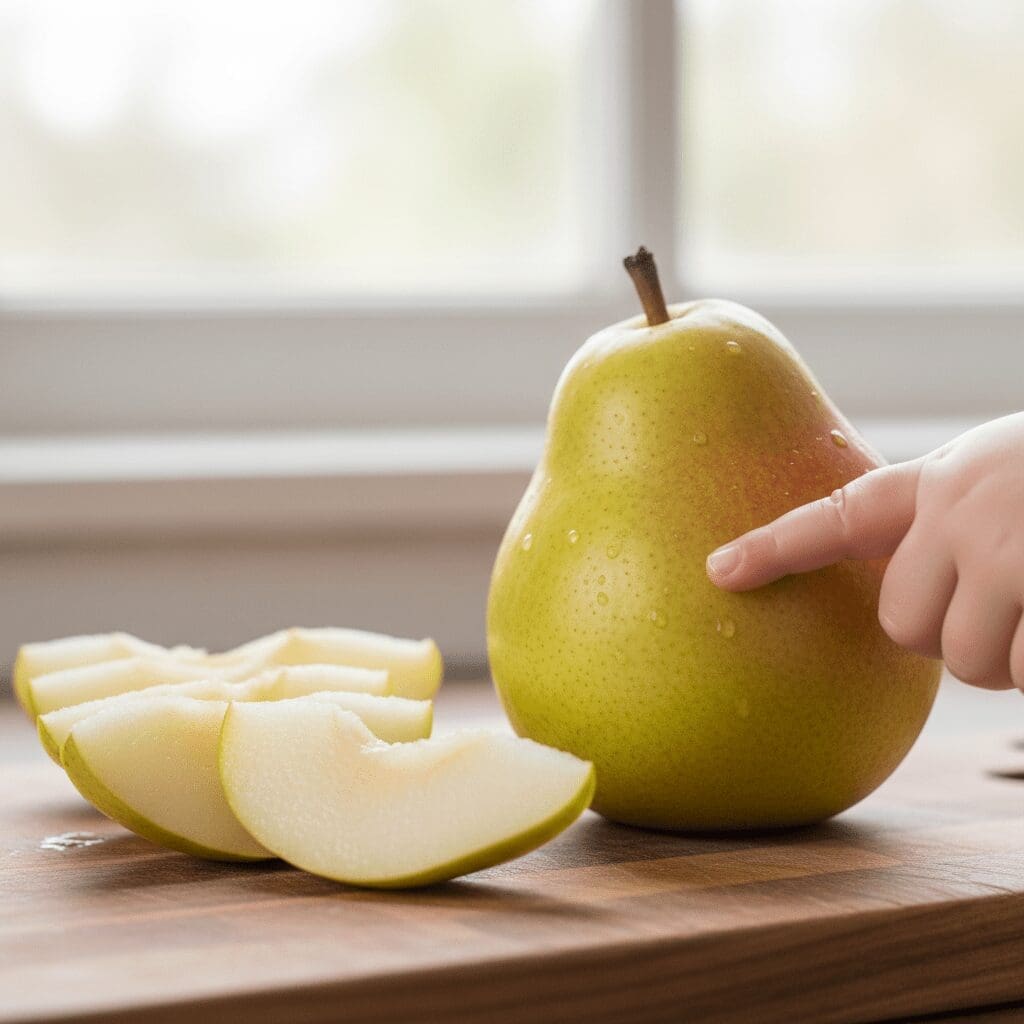
Why it’s great: Pears are a good source of fiber and vitamin C. When ripe, they are juicy and soft. For early eaters, cooking them ensures they are safe and easy to manage.
How to Prepare (6-8 months): Use a very ripe pear. Peel it completely and cut it into long slices. If it’s not exceptionally soft, you can steam or bake the slices for a few minutes until tender.
How to Adapt (9-12 months): Dice the soft pear into small, manageable cubes. A crinkle cutter can add texture to the pieces, making them easier for little fingers to grip.
9. Butternut Squash
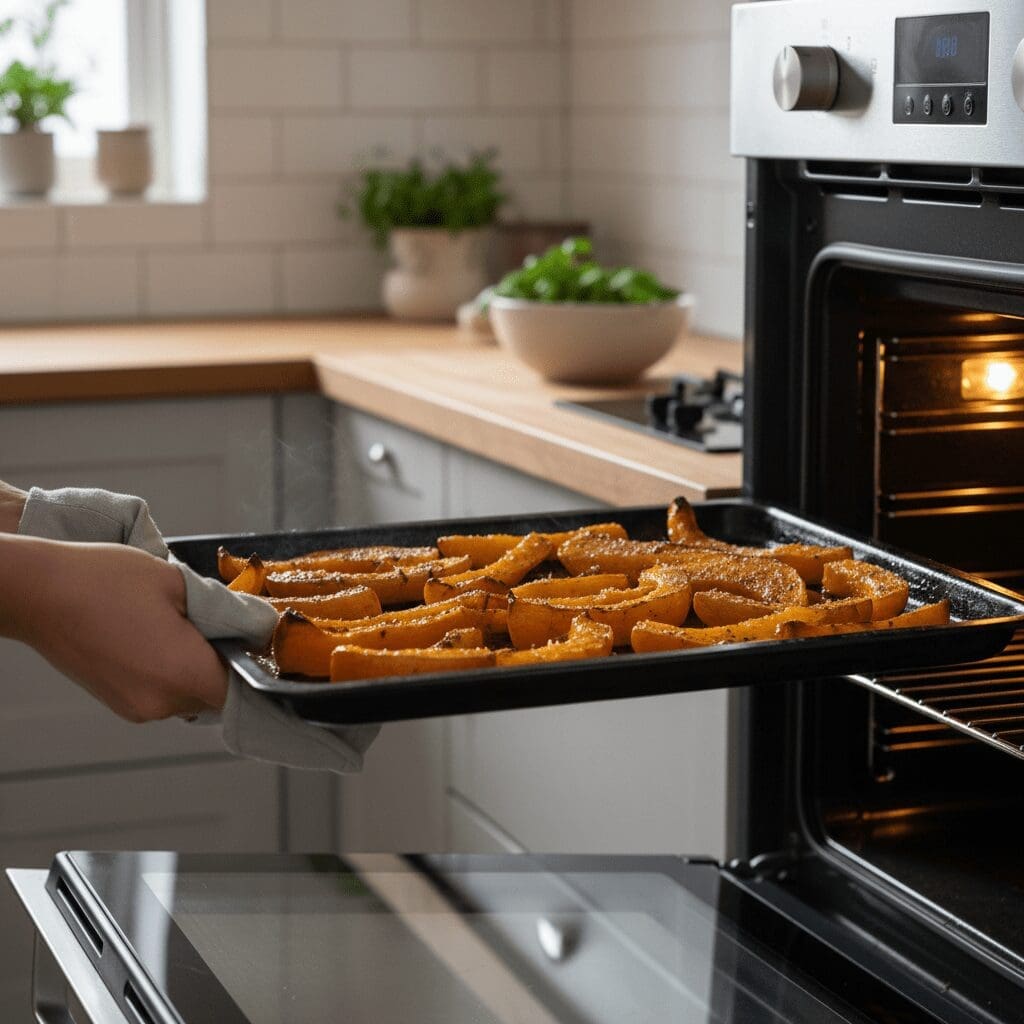
Why it’s great: Butternut squash has a mild, sweet taste and a smooth texture when cooked. Like sweet potatoes, it’s an excellent source of vitamin A and C.
How to Prepare (6-8 months): Peel the squash, remove the seeds, and cut the flesh into thick, finger-like spears. Roast or steam until completely soft. Its vibrant orange color is also visually appealing to babies.
How to Adapt (9-12 months): Offer small, soft-roasted cubes of butternut squash. You can also mash it and mix it with a bit of cinnamon or nutmeg for a new flavor experience, serving it pre-loaded on a spoon.
10. Soft-Cooked Beans

Why it’s great: Full of fiber, healthy fats, and protein, beans are a fantastic food for plant-based babies. Kidney beans, black beans, and chickpeas are all great choices when cooked until very soft.
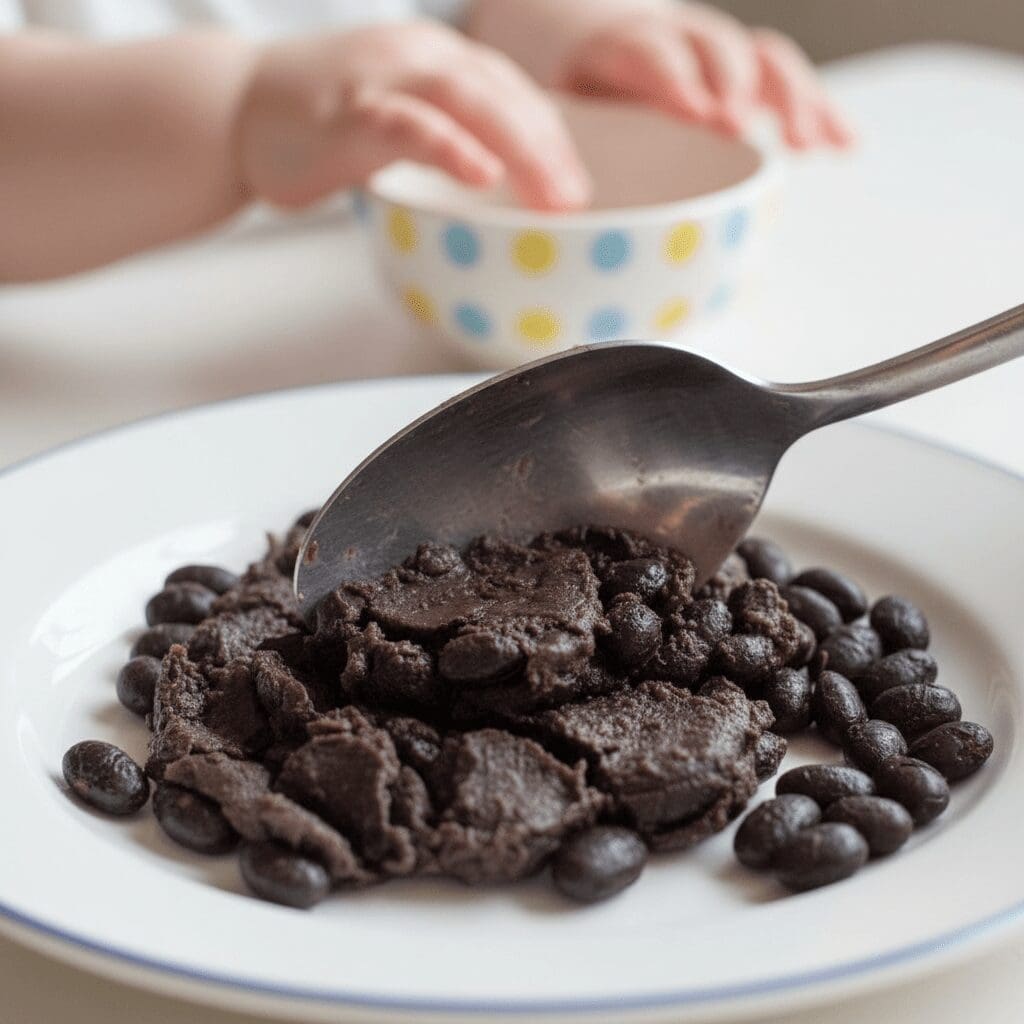
How to Prepare (6-8 months): At this stage, whole beans are too difficult to pick up. Mash cooked beans (canned, no-salt-added, and rinsed are fine) onto a strip of soft toast or a teething cracker.
How to Adapt (9-12 months): Once your baby has their pincer grasp, you can serve whole, soft-cooked beans. Gently press each bean between your fingers to flatten it slightly; this breaks the skin and changes the round shape, reducing any potential choking risk and making it easier to chew.
Meeting Key Nutritional Needs for Plant-Based Babies

Ensuring a well-planned, plant-based diet meets all of your baby’s needs is straightforward with a little knowledge. While breast milk or formula will remain their primary source of nutrition for the first year, the complementary foods you introduce play a critical role. Here are the key nutrients to be mindful of, as recommended by dietetic associations worldwide.
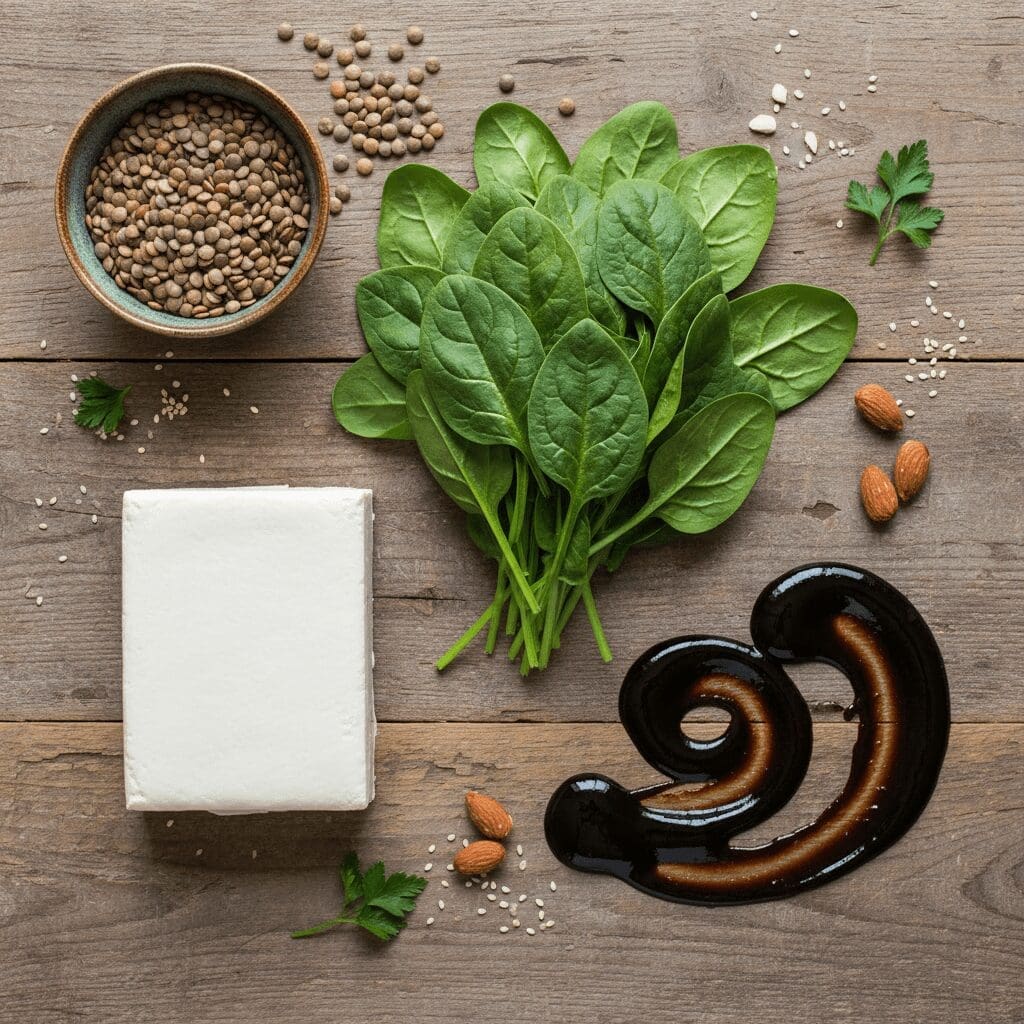
Iron: This is the most important nutrient to focus on when starting solids. Babies are born with iron stores, but they begin to deplete around 6 months of age—precisely when solids are introduced. Iron is vital for brain development and preventing anemia.
- Plant-Based Sources: Lentils, beans, tofu, iron-fortified baby cereals, prune puree, and blackstrap molasses.
- Pro Tip: The type of iron in plants (non-heme iron) is absorbed better when eaten with a source of Vitamin C. Pair iron-rich foods with things like bell pepper strips, steamed broccoli, or a few berries.
Vitamin B12: This vitamin is not naturally present in plant foods. It is essential for nerve function and blood cell formation. While breastfeeding mothers on a vegan diet should be supplementing, a B12 supplement or fortified foods are generally recommended for the baby once they are weaning. Always discuss B12 supplementation with your pediatrician.
- Sources: Fortified foods like some plant-based milks (for cooking), nutritional yeast, and infant cereals.
Calcium: Critical for building strong bones and teeth.
- Plant-Based Sources: Fortified tofu (check the label), fortified plant-based yogurts and milks (for cooking, not as a primary drink before age one), white beans, and leafy greens like kale and bok choy (which can be steamed and finely chopped or pureed into sauces).
Healthy Fats: Fats are essential for brain growth, which is incredibly rapid in the first two years of life.
- Plant-Based Sources: Avocado, nut and seed butters (spread very thinly on toast or stirred into oatmeal to prevent choking), ground flax seeds, and hemp hearts.
Safety First: Understanding Gagging vs. Choking
One of the biggest fears for parents starting solids is choking. It’s vital to understand the difference between gagging and choking. A landmark 2016 study in the journal Pediatrics found that, with proper education on safety, baby-led weaning did not pose a greater choking risk than traditional spoon-feeding.
Gagging is a Protective Reflex:
Gagging is a normal and important part of learning to eat. The gag reflex in a 6-month-old is much more forward on the tongue than in an adult. This means they will gag on a piece of food long before it gets close to their airway.
- Signs of Gagging: The baby might cough, sputter, and make noise. Their face may turn red. They will look like they are trying to push the food forward and out of their mouth.
- What to do: Stay calm and give them a moment. Let them work it out. This is their body’s way of learning to manage different food sizes and textures.
Choking is a Blocked Airway:
Choking is a medical emergency. It happens when food completely blocks the airway, preventing oxygen from getting to the lungs.
- Signs of Choking: The baby will be silent or unable to cry or cough effectively. They may make high-pitched noises or no sound at all. Their skin may turn blue.
- What to do: Intervene immediately with back blows and chest thrusts. It is highly recommended that all parents and caregivers take an infant CPR and first-aid course.
Golden Rules for Safe Feeding:
- Always Supervise: Never leave your baby alone with food.
- Ensure Proper Seating: Your baby must be sitting upright, never leaning back or slumping.
- Check Food Softness: Foods should be soft enough for you to smash between your thumb and forefinger.
- Avoid High-Risk Foods: Do not give babies under one (and often older) whole nuts, whole grapes, cherry tomatoes, popcorn, hard raw vegetables (like carrots), or sticky foods like large globs of nut butter. Grapes and cherry tomatoes should be quartered lengthwise.
Frequently Asked Questions
How much is my baby supposed to eat?
In the beginning, very little food may actually be consumed. Much of it will be explored, smashed, and dropped. Breast milk or formula remains their primary source of nutrition. Let your baby decide how much to eat and trust them to know when they are full.
What about food allergies?
Current guidance suggests introducing common allergens, like peanuts and soy (tofu), early and often, as this may reduce the risk of developing an allergy. Introduce one new potential allergen at a time and wait 2-3 days to watch for any reaction (like hives, vomiting, or breathing difficulty) before introducing another. For peanuts, this can be done by mixing a small amount of smooth, thin peanut butter into oatmeal or spreading a paper-thin layer on a toast strip. Always consult your pediatrician, especially if there is a family history of food allergies.
This is so messy! How do I handle it?
Embrace it! The mess is a sign of your baby learning and having a rich sensory experience with their food. To manage it: use a highchair that’s easy to wipe down, put a splat mat or old shower curtain on the floor, and use long-sleeved bibs. Remember, this intensely messy phase doesn’t last forever.
Can I do a combination of BLW and purées?
Absolutely. There is no single “right” way to feed your baby. Many families find a mixed approach works best. You can offer soft finger foods at some meals and spoon-feed at others. The most important thing is to follow your baby’s cues and create a positive, low-pressure feeding environment.
Conclusion
Starting your baby on solid foods is an exciting milestone, and choosing a plant-based, baby-led weaning approach can be a joyful and empowering experience for the whole family. By focusing on developmental readiness, offering a variety of nutrient-dense foods, and prioritizing a safe eating environment, you can foster a positive relationship with food from the very first bite.
Remember to trust your baby’s cues, embrace the messy moments as part of the learning process, and always consult with your pediatrician to ensure your child’s unique nutritional needs are being met. You’re equipped with the knowledge to begin this journey with confidence, raising a happy, healthy, and adventurous eater.