
The Ultimate Guide to Silky Vegan White Chocolate: 5 Ingredients, Zero Grit
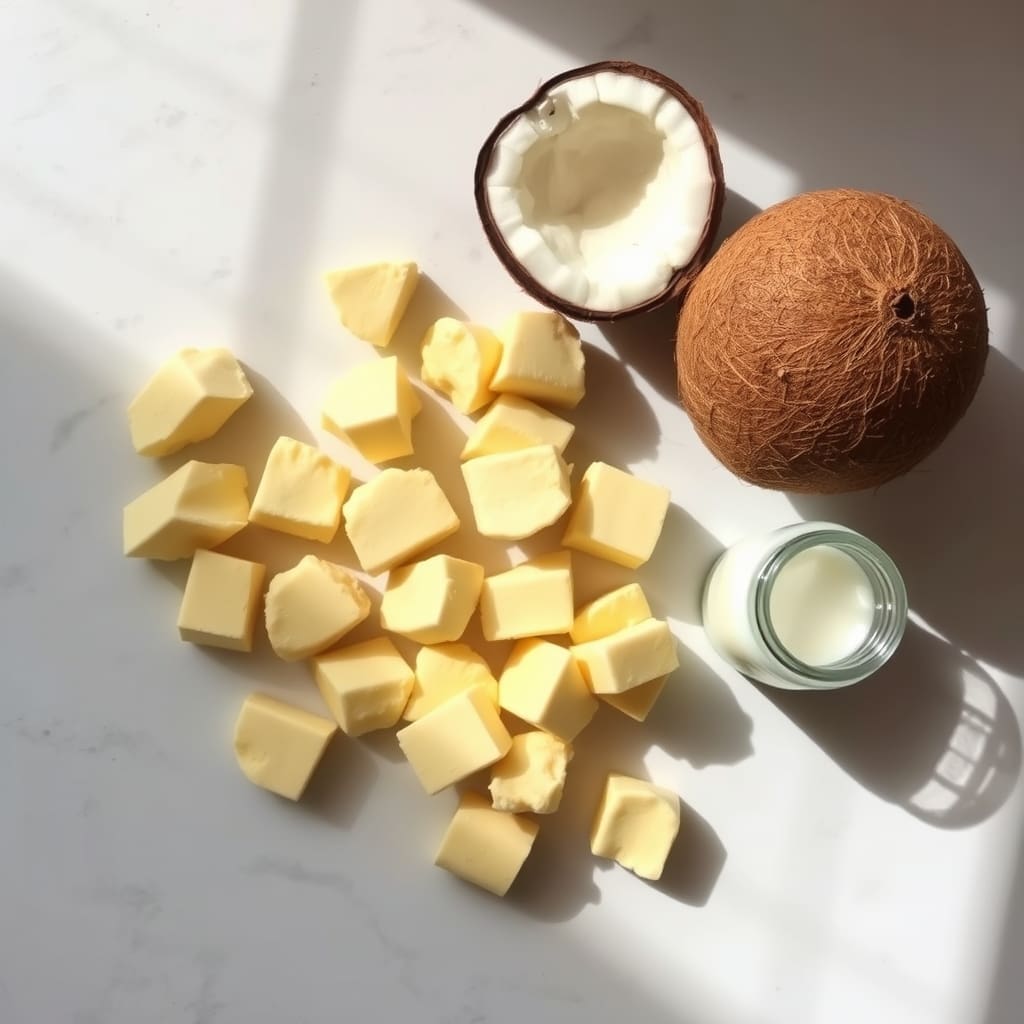
For over a decade, the ‘white chocolate crown’ was something many of us had to relinquish when we transitioned to a vegan lifestyle. Traditional white chocolate relies heavily on milk solids for its characteristic creaminess and sweetness, making the dairy-free alternatives often expensive, hard to find, or—frankly—waxy and disappointing.
But the secret to professional-grade vegan white chocolate isn’t found in a specialty store; it’s found in your pantry. By understanding the unique properties of cacao butter and the physics of emulsification, you can create a bar that is buttery, rich, and possesses that satisfying ‘snap’ of a high-end confection. This guide transforms five simple ingredients into a versatile chocolate that rivals any dairy-based competitor, much like the rich texture found in the ultimate vegan chocolate cake, specifically addressing the number one complaint of DIY chocolate: grittiness.
The Science of Smoothness: Why Most Recipes Fail
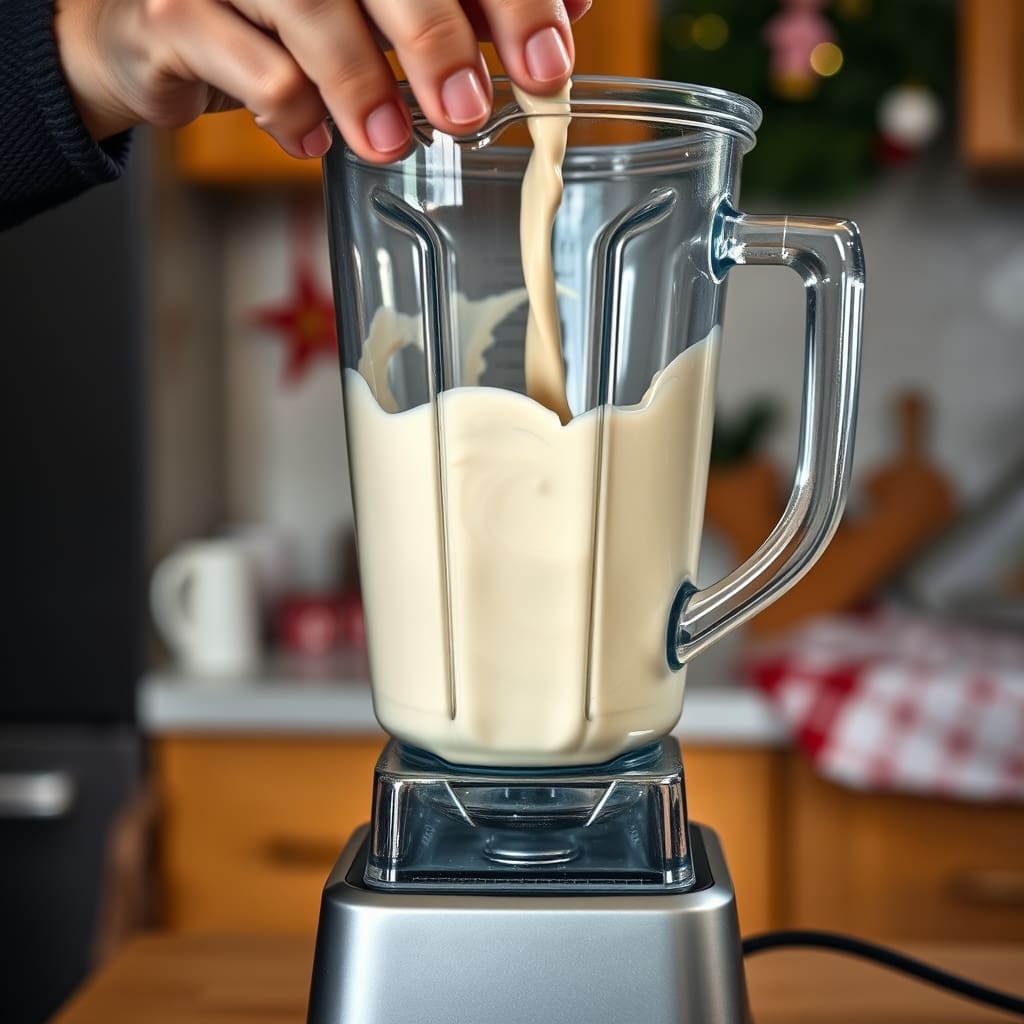
The primary hurdle in making vegan white chocolate at home is texture. Unlike commercial chocolate, which uses industrial ‘conching’ machines to grind ingredients for 24-72 hours until they are microscopic, home recipes often result in a ‘sandy’ mouthfeel.
This is usually due to the coconut milk powder or the powdered sugar. Research into food rheology indicates that the human tongue can detect particles larger than 25-30 microns. To solve this without a professional concher, we utilize a high-speed blender. This creates mechanical shearing that breaks down the plant-based milk solids and sugar crystals into a sub-threshold size, resulting in a silky-smooth finish that mimics high-end dairy chocolate.
The Essential Ingredients: Cacao Butter and Vegan Fats
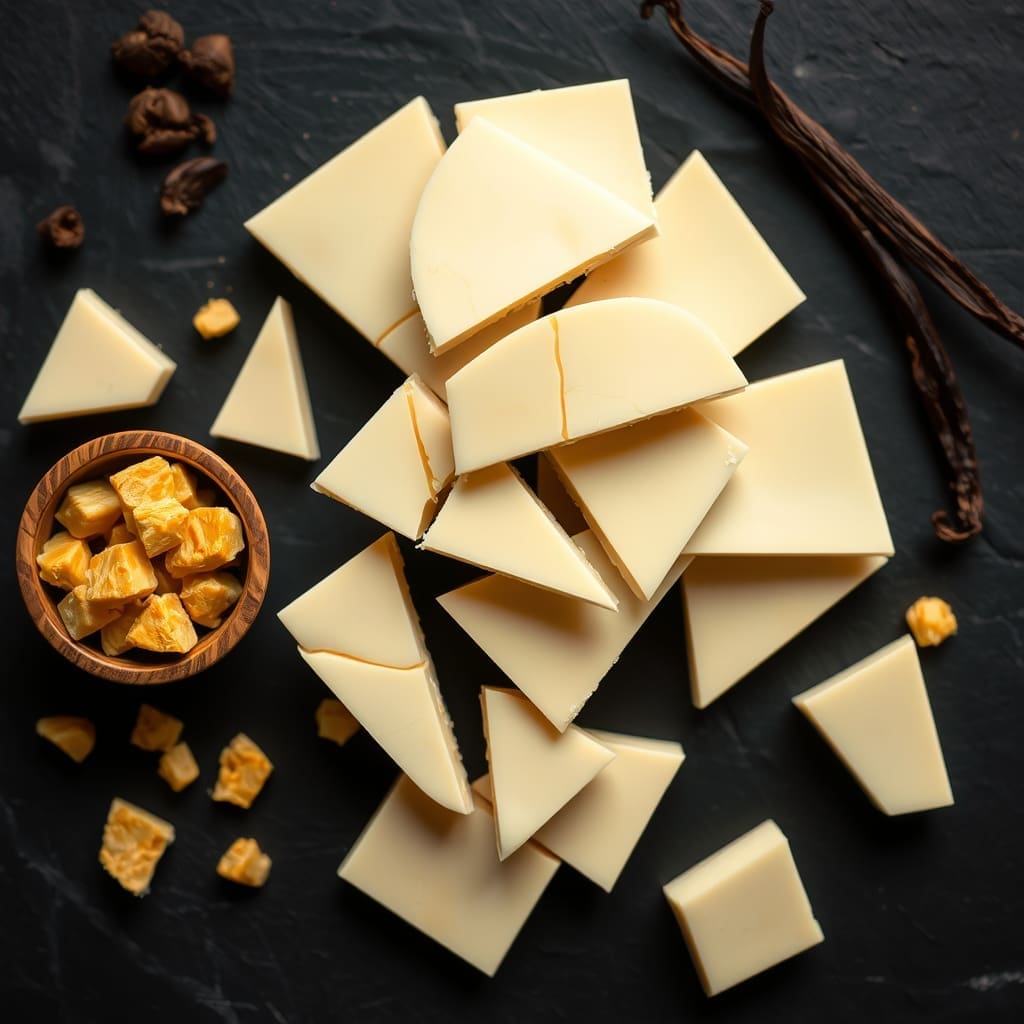
The backbone of any white chocolate is cacao butter. This is the pure fat extracted from the cacao bean. It is unique among vegetable fats because it melts at exactly body temperature, a characteristic detailed in food science research on cocoa butter’s melting point and polymorphic structures, which is why chocolate ‘melts in your mouth.’
Studies on the lipid composition of cacao butter, such as peer-reviewed research published via PubMed, show it is rich in stearic and oleic acids, which provide heart-healthy fats according to USDA nutritional guidelines compared to synthetic trans-fats. For this recipe, raw, food-grade cacao butter is essential. Avoid ‘refined’ versions if you want that signature chocolate aroma. Pairing this with vegetable shortening adjusts the ‘melt point’ to ensure the chocolate is stable enough to be handled without melting instantly in your hands.
Master Step-by-Step Technique: The Professional Method
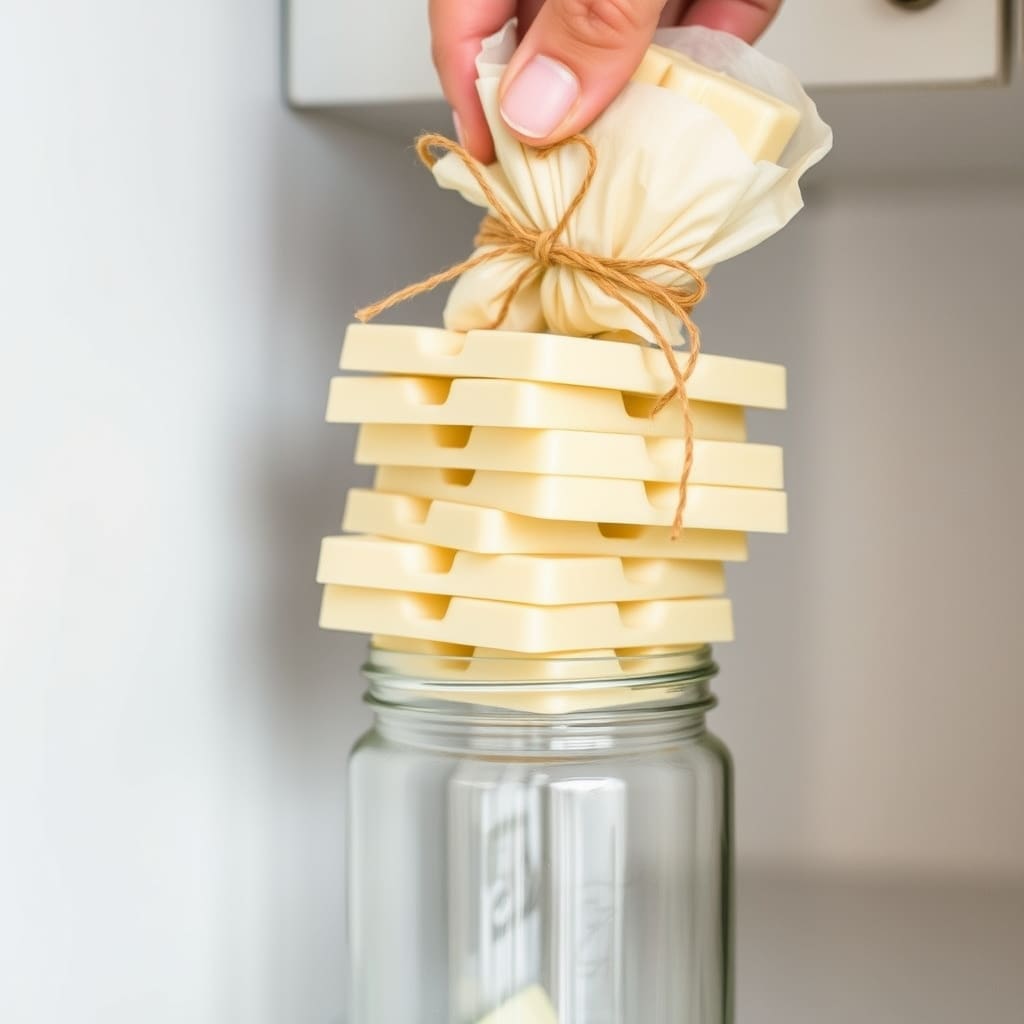
- Heat Control: Use a double boiler (a bowl over simmering water). Never let the bottom of the bowl touch the water, as overheating cacao butter (above 120°F) can destroy its delicate flavor and fatty acid structure.
- The Emulsification Hack: Once your fats are melted, whisk in the powders. Transfer the warm liquid to a high-speed blender and blend on high for 2 full minutes. This isn’t just mixing; it’s a ‘micro-grind’ that ensures the milk powder and sugar are fully suspended in the fat.
- The Mold: Pour immediately into silicone molds. Silicone is preferred over metal as it allows for easier removal without shattering the delicate tempered structure.
Tempering 101: Achieving the Perfect Snap
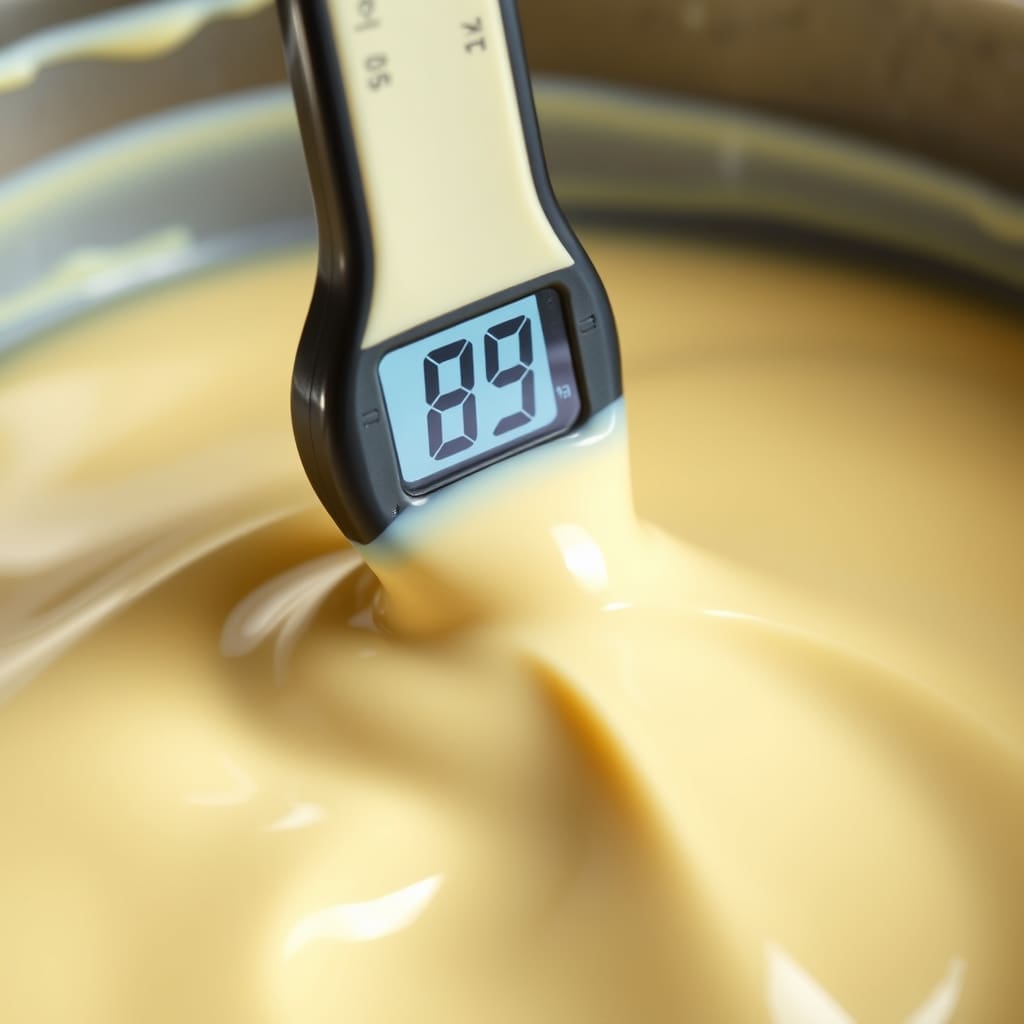
If you want your chocolate to sit in a candy dish at room temperature without turning into a puddle, you must ‘temper’ it. Tempering is the process of manipulating the fat crystals (specifically Type V crystals) to form a stable structure.
- Melt the mixture to 115°F (46°C).
- Cool it rapidly to 81°F (27°C) by adding ‘seed’ chocolate (small pieces of pre-hardened cacao butter).
- Reheat very slightly to a working temperature of 88-90°F (31-32°C).
This precision ensures a glossy finish and a ‘snap’ when broken. Without tempering, the fats may separate, leading to ‘fat bloom’—those harmless but unappealing white streaks often seen on old chocolate.
Troubleshooting: Avoiding the Dreaded ‘Seize’
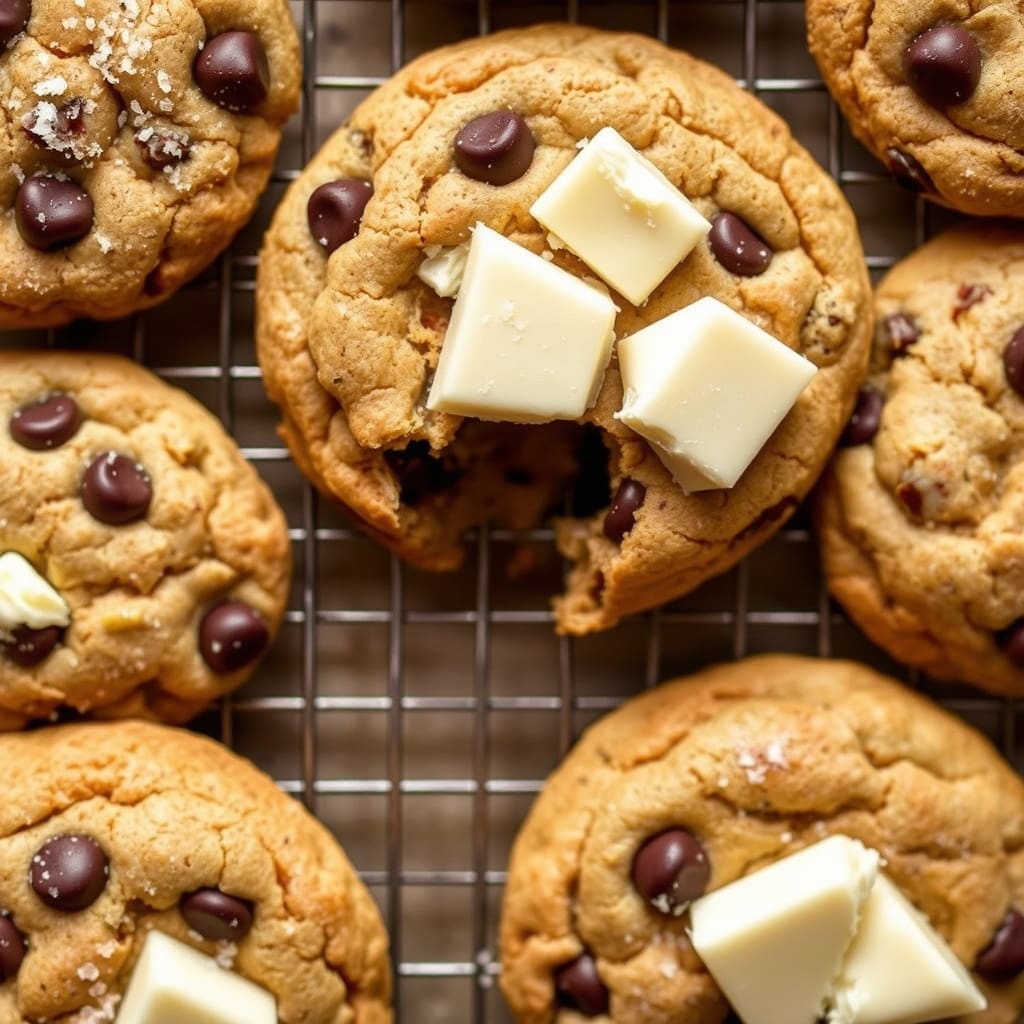
If even a single drop of water enters the bowl, the sugar and solids will bond to the water and separate from the fat, turning your smooth liquid into a grainy paste. The Fix: If your chocolate seizes, you can sometimes save it by adding a teaspoon of boiling water and whisking vigorously, though this will turn it into a ganache rather than a hard bar.
To prevent this, always wipe the bottom of your melting bowl after removing it from the heat to ensure no condensation drips into your molds.
Creative Variations: From Matcha to Mocha
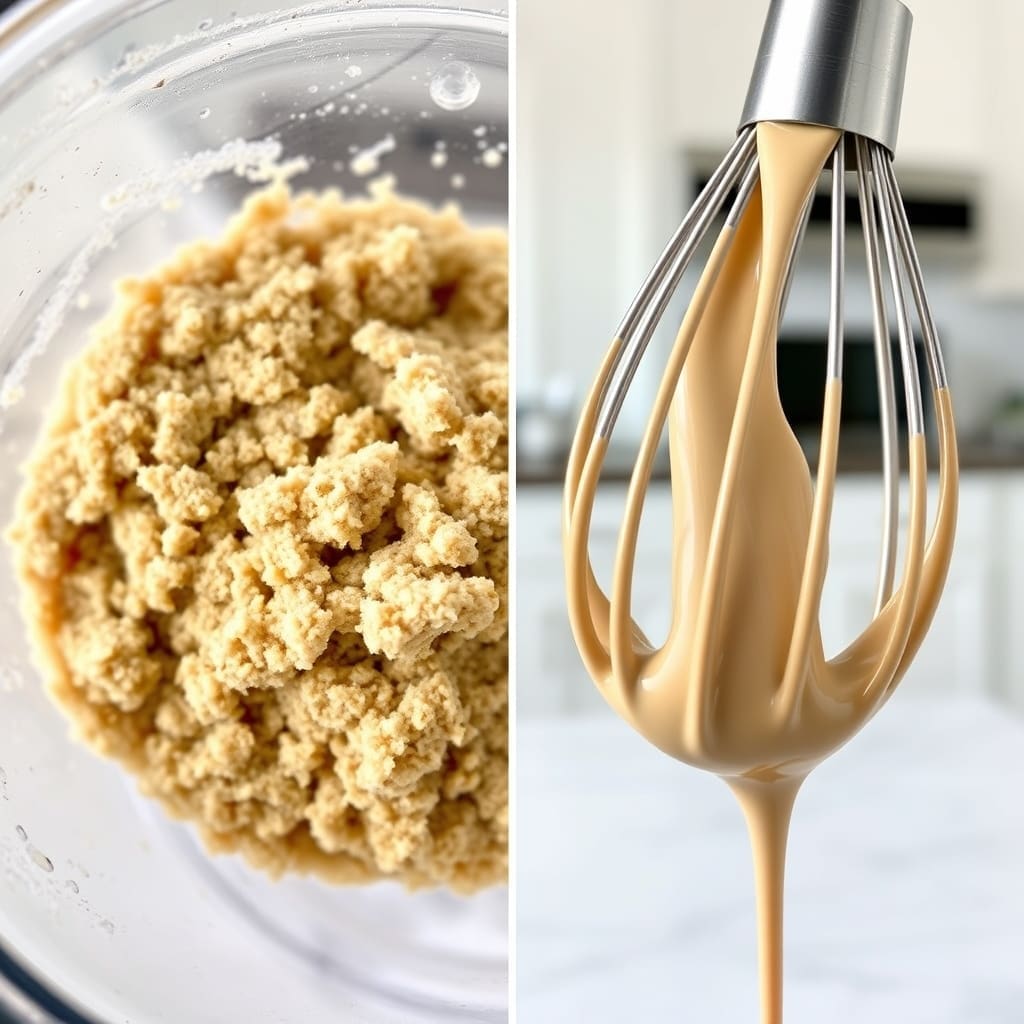
Once you have the base recipe down, the possibilities are endless.
- Matcha Green Tea: Sift in 1 tsp of ceremonial grade matcha during the blending phase for a vibrant green, antioxidant-rich treat.
- Salted Pistachio & Cranberry: After pouring into molds, press in toasted pistachios and dried cranberries for a festive, ‘jeweled’ appearance.
- Vanilla Bean Paste: Substitute extract with vanilla bean paste to see those beautiful black speckles throughout the bar, indicating high-quality ingredients.
- Espresso White Chocolate: Add finely ground espresso beans for a ‘white mocha’ flavored bar.
Baking and Usage Tips for Homemade Chunks
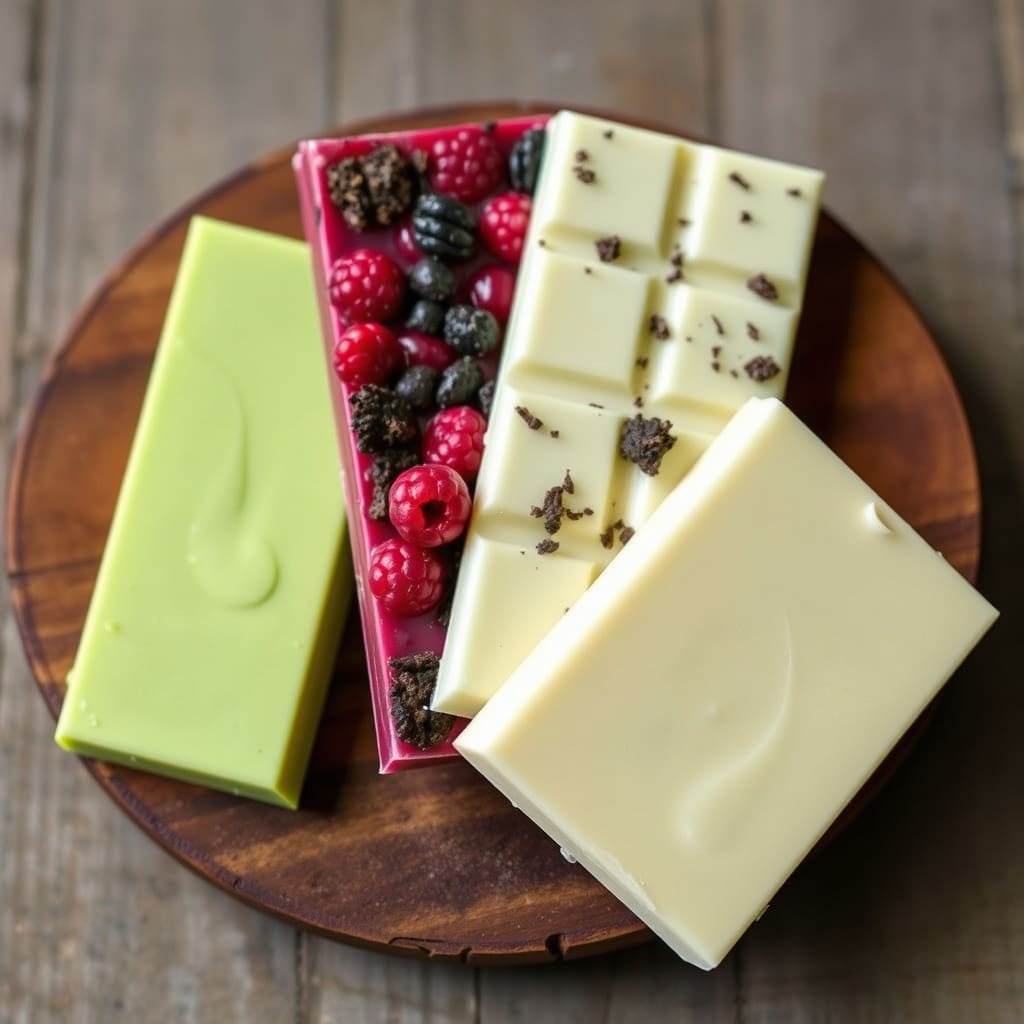
Using homemade vegan white chocolate in baking requires a different approach than store-bought chips, which contain stabilizers like soy lecithin.
- In Cookies: Chop the hardened bars into chunks. Freeze the chunks for 20 minutes before folding them into your dough. This prevents them from melting completely—a technique that also ensures the success of the ultimate fudgy vegan brownies.
- In Ganache: This recipe works beautifully for a 2:1 chocolate-to-cream ratio using full-fat coconut milk for a white chocolate truffle filling.
- As a Coating: For strawberries or pretzels, ensure the chocolate is tempered to ensure the coating doesn’t stay ‘tacky’ or melt at room temperature.
Storage and Shelf Life Guidelines
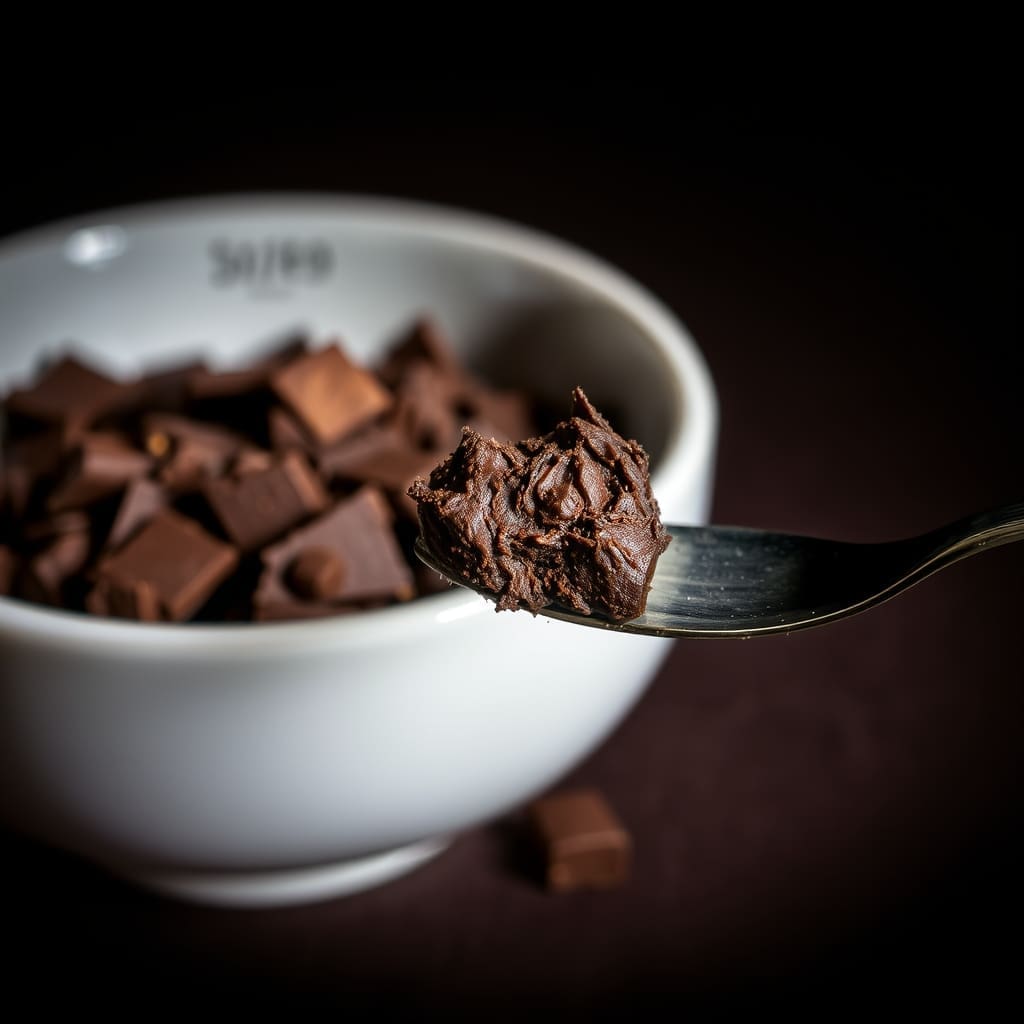
Because this chocolate contains no dairy, it is surprisingly shelf-stable. However, the fats can absorb odors from the environment.
- Room Temperature: If tempered, store in a cool, dark place for up to 3 weeks.
- Refrigerator: Store in an airtight glass container for up to 3 months.
- Freezer: Will last up to 1 year.
Note on Fat Bloom: If your chocolate develops white spots over time, it is still safe to eat. This is just the fat migrating to the surface due to temperature fluctuations. Simply melt it down and use it in a recipe!
Conclusion
Making your own vegan white chocolate isn’t just a way to save money—it’s a way to reclaim a flavor profile that many plant-based eaters think is lost forever. By mastering the balance of cacao butter, stable fats, and the mechanical secret of high-speed blending, you can create professional-grade sweets in your own kitchen.
Whether you’re baking them into cookies, melting them into a mocha, or enjoying a snappy bar on its own, this recipe provides the perfect foundation for all your dairy-free dessert dreams.