
The Ultimate Vegan Cheese Ball: A Masterclass in Plant-Based Entertaining
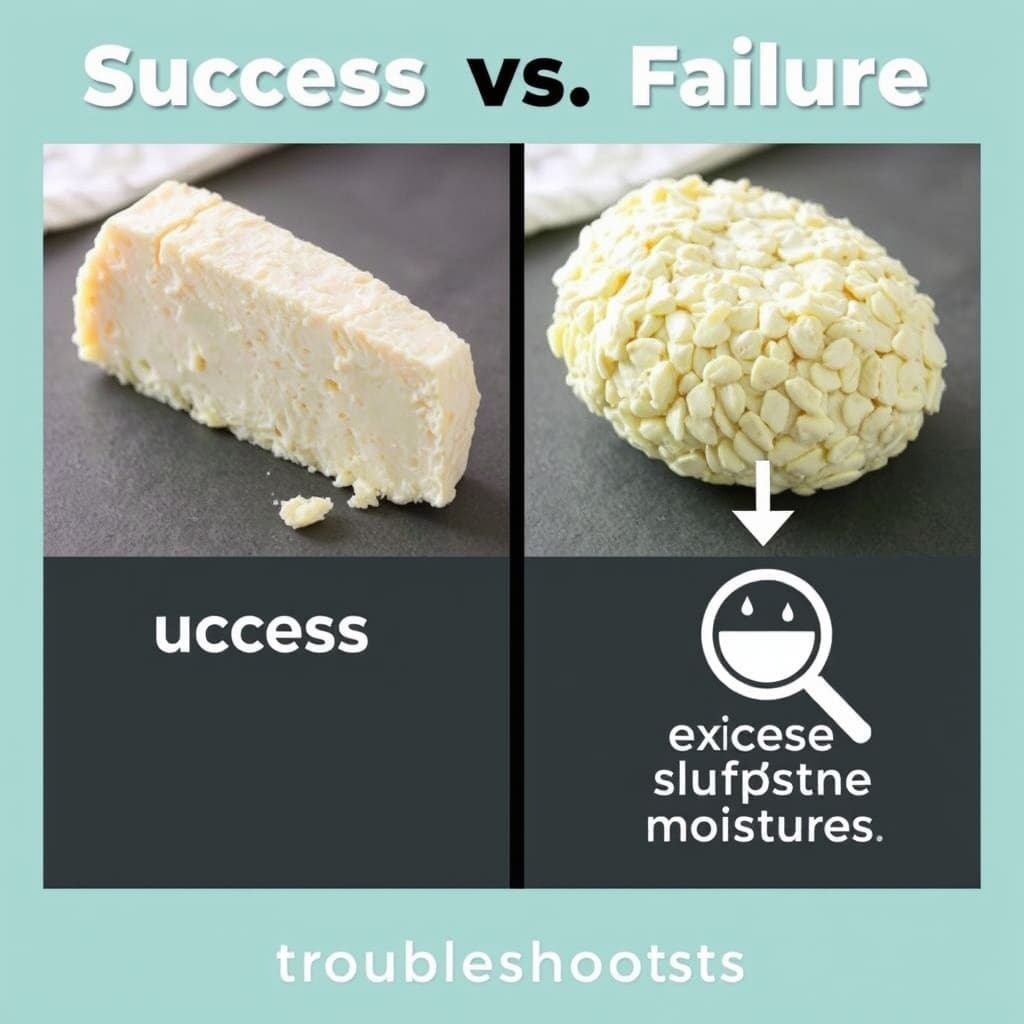
When it comes to holiday entertaining, the cheese ball has long reigned supreme as the quintessential party appetizer. However, for those embracing a plant-based lifestyle or hosting guests with dairy sensitivities, finding a suitable alternative that captures that nostalgic, creamy tang can be a challenge.
Enter the Ultimate Cashew-Based Vegan Cheese Ball—a culinary triumph that proves you don’t need dairy to achieve sophisticated flavor and luxurious texture. This isn’t just a ‘vegan version’ of a classic; it is a meticulously crafted blend of whole-food fats, fermented umami, and bright citrus that frequently outperforms its traditional counterparts, much like our popular creamy vegan spinach artichoke dip.
In this guide, we will explore the food science that makes this recipe work, provide professional troubleshooting for the perfect consistency, and show you how to build a world-class vegan charcuterie board that will be the talk of your next gathering.
The Science of Flavor: Why This Recipe Works
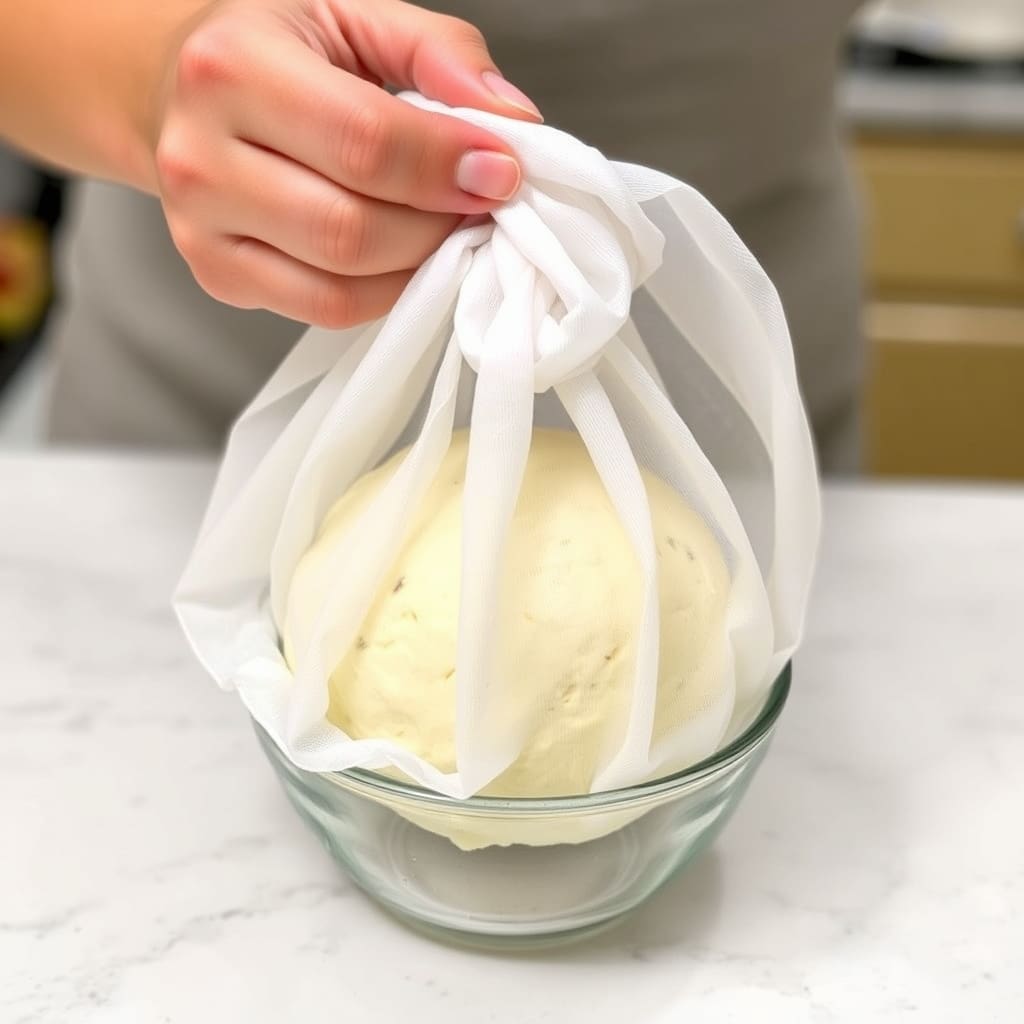
The foundation of a great vegan cheese ball lies in the ‘Umami Trifecta’: cashews, white miso, and nutritional yeast. Unlike dairy cheese, which develops flavor through aging and bacterial fermentation, plant-based cheese requires strategic ingredient layering.
- Cashews as the Fat Base: Cashews are unique among nuts because of their high starch content and healthy monounsaturated fats. According to research from the Harvard T.H. Chan School of Public Health, nuts like cashews are associated with improved heart health markers. When soaked and blended, they create a stable emulsion that mimics the mouthfeel of cream cheese.
- Miso for Fermentation: Mellow white miso (shiromiso) provides the essential ‘funk’ and depth. It introduces fermented notes that nutritional yeast alone cannot replicate.
- Nutritional Yeast for Saltiness: This ‘vegan gold’ adds the familiar sharp, nutty, and salty notes associated with cheddar or parmesan.
By combining these three, we create a complex flavor profile that hits every part of the palate. This isn’t just salt and fat; it’s a sophisticated balance of acidity from lemon juice and depth from fermentation.
Mastering the Texture: Equipment and Preparation
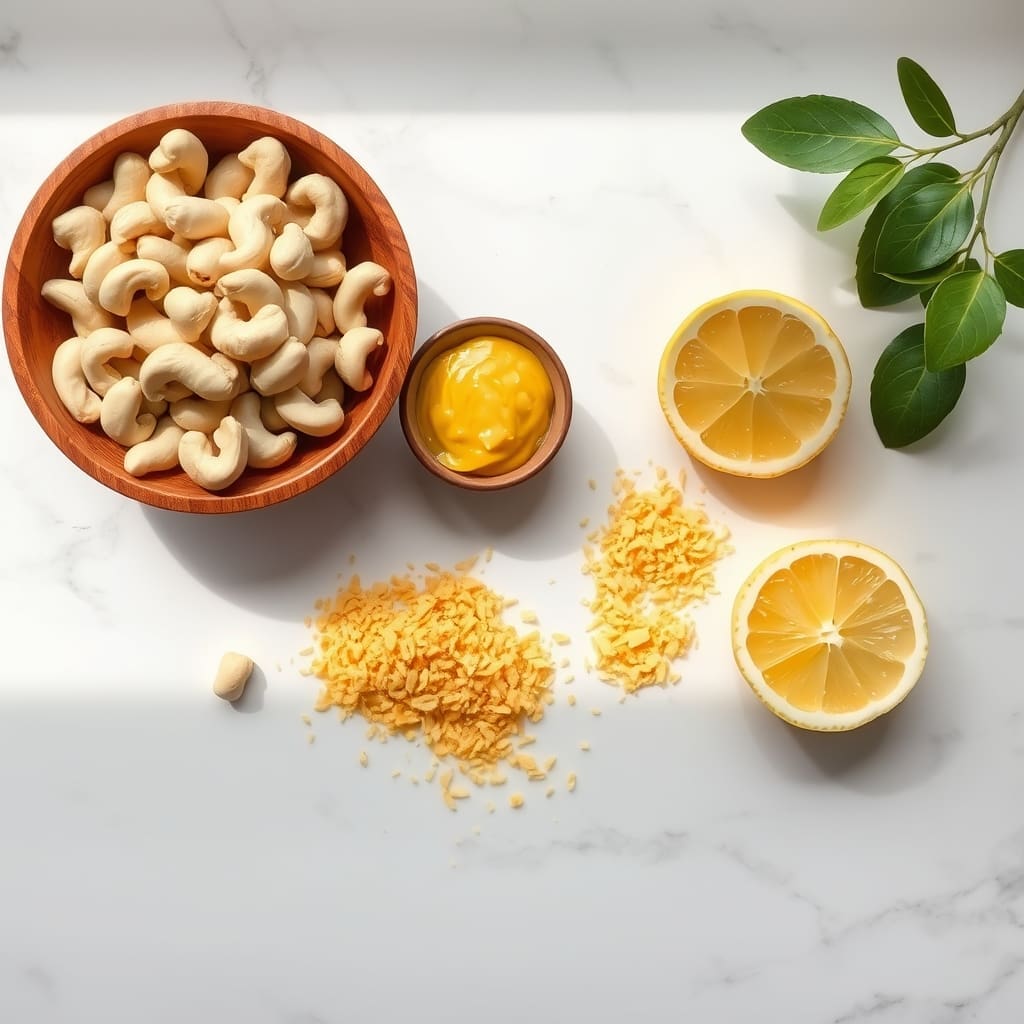
To achieve a professional-grade texture, you must understand the limitations of your equipment. This is the most common area where home cooks struggle.
The Food Processor Advantage: For a cheese ball, a food processor is superior to a high-speed blender. Why? Blenders require a certain amount of liquid to create a vortex. If you add enough liquid to make a blender work, the cheese ball will be too soft to hold its shape. A food processor uses a wider blade and a larger surface area to break down the cashews into a thick, paste-like consistency without requiring excess moisture.
Pro-Tip: The Soak is Non-Negotiable. Even if you have a powerful machine, soaking your cashews in boiling water for at least 30 minutes (or overnight in cold water) softens the phytic acid and the nut fibers. Research published in the Journal of Food Science indicates that hydration significantly affects the particle size of nut-based creams, which directly correlates to perceived creaminess on the tongue.
The Twist and Chill: Professional Shaping Techniques
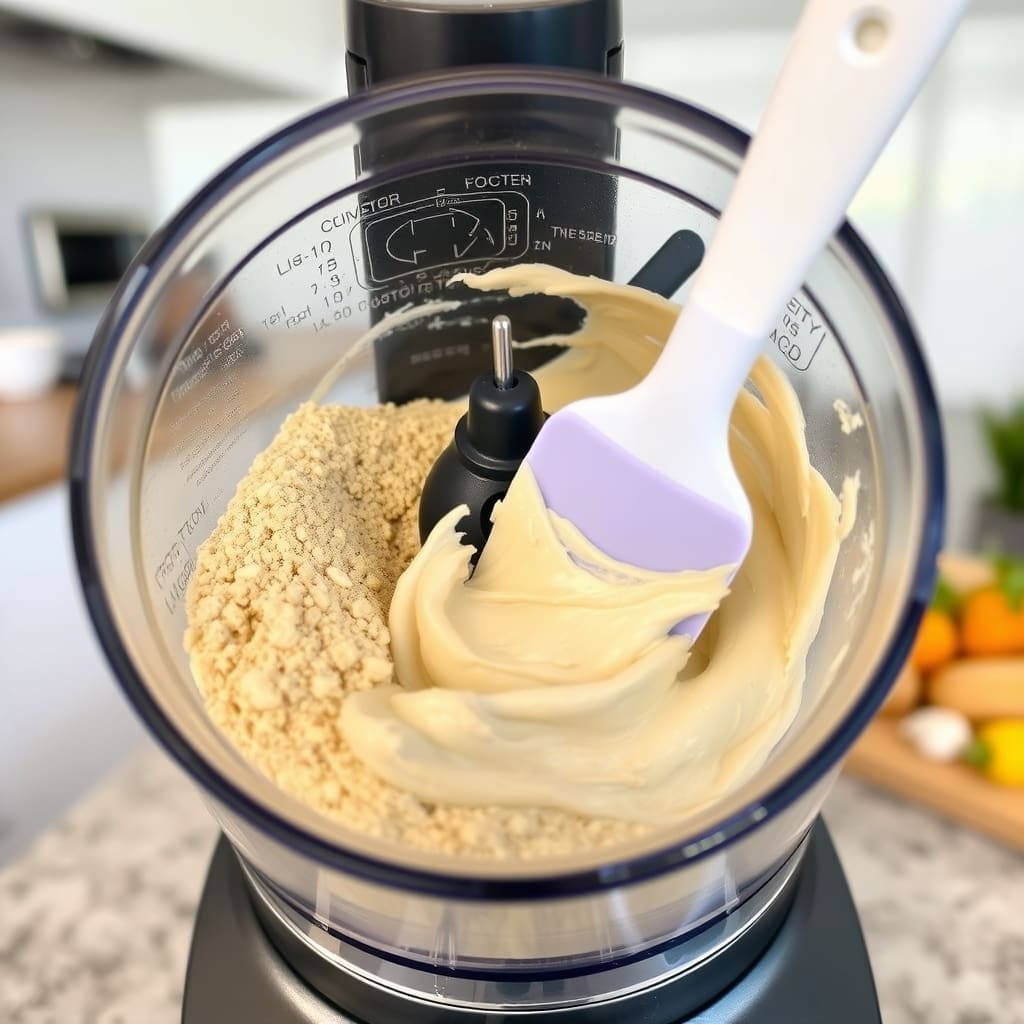
Once your base is blended, the shaping process is what transforms a ‘dip’ into a ‘cheese ball.’ This requires the ‘Twist and Chill’ method.
- The Bowl Liner: Line a small bowl with several layers of cheesecloth or a thin linen kitchen towel. This provides the structure.
- The Transfer: Scoop the thick mixture into the center of the cloth.
- The Tension: Gather the corners and twist them tightly, creating a firm sphere. This tension forces the mixture together, ensuring it holds its shape when unwrapped.
- The Critical Chill: The cheese ball must chill for a minimum of 6 hours, ideally 24. During this time, the fats in the cashews and the vegan cream cheese solidify.
Food Safety Note: Always ensure your cheesecloth is clean and food-grade. According to food safety guidelines from the USDA, perishable items like nut-based spreads should not be left at room temperature for more than two hours to prevent bacterial growth.
Elevating the Aesthetic: Seasonal Variations and Coatings
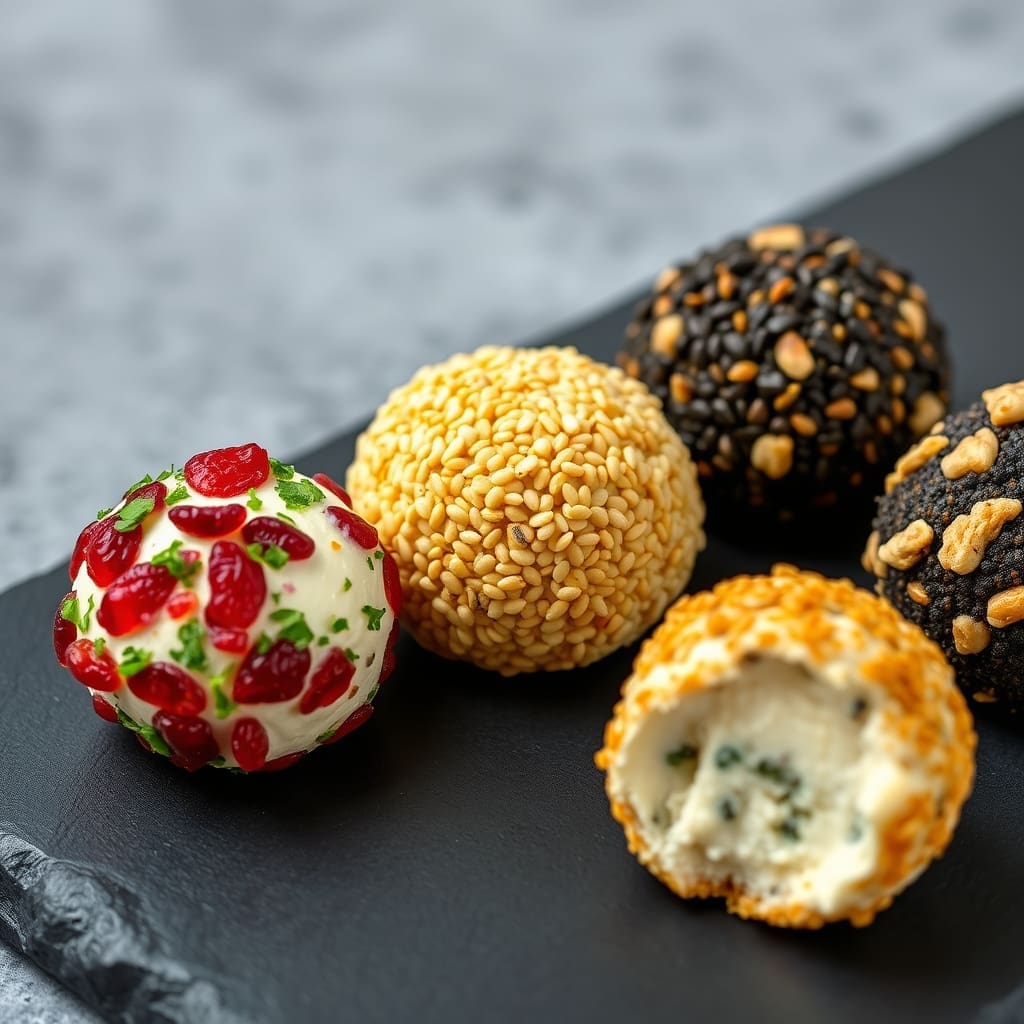
While the classic pecan coating is a crowd-pleaser, the versatility of this base allows for endless seasonal variations.
- The Holiday Festive Ball: Roll the ball in a mixture of dried cranberries, chopped pistachios, and fresh thyme. This provides a beautiful red-and-green aesthetic and a sweet-tart contrast.
- The Everything Bagel Ball: Coat the exterior in ‘everything’ seasoning (sesame seeds, poppy seeds, dried garlic, and onion) for a savory, brunch-friendly option.
- The Smoky Chipotle Ball: Add a teaspoon of chipotle in adobo to the base and roll in toasted pumpkin seeds (pepitas) for a southwestern flair.
- The Herb Garden Ball: Use a blend of finely minced chives, parsley, and dill for a bright finish that pairs perfectly with vegetable crudités or a festive vegan kale salad.
Each coating should be applied just before serving to maintain the crunch of the nuts or the vibrancy of the herbs.
The Art of the Board: Pairings and Presentation
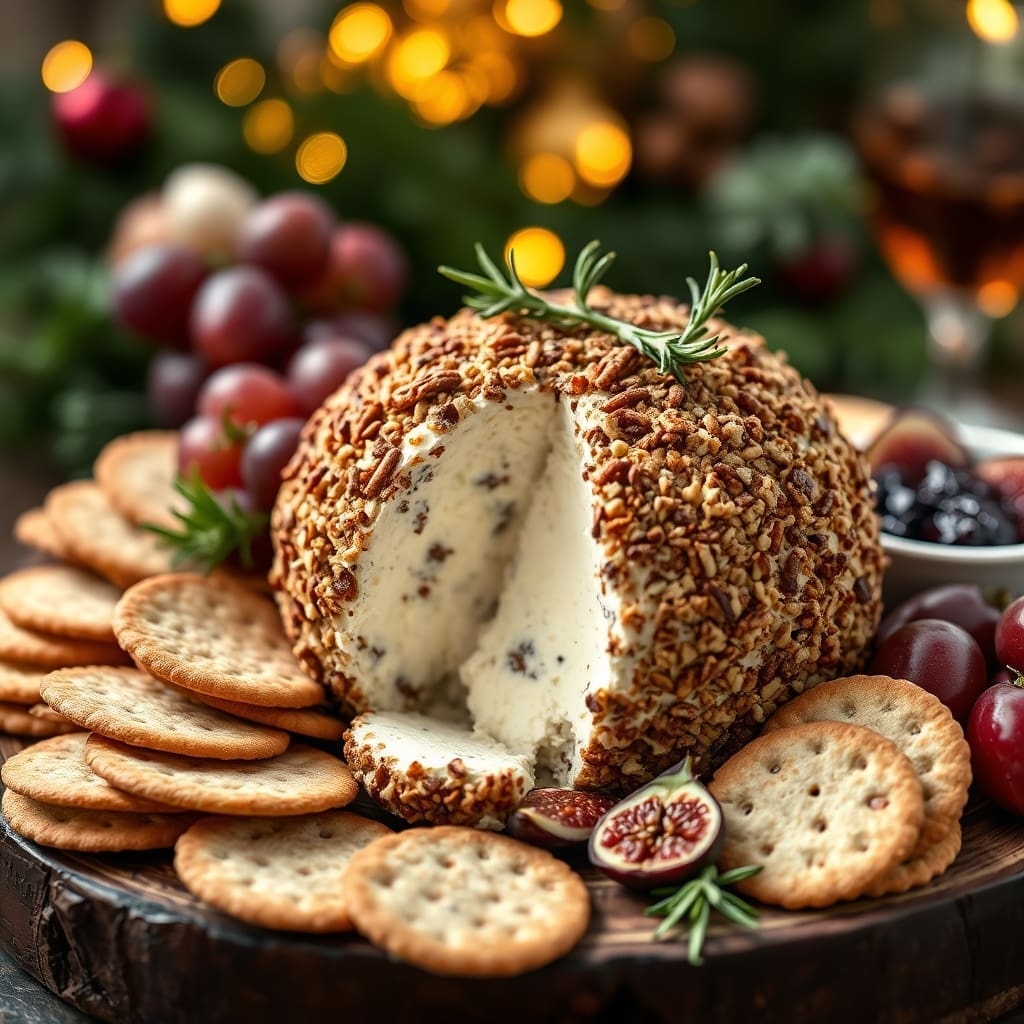
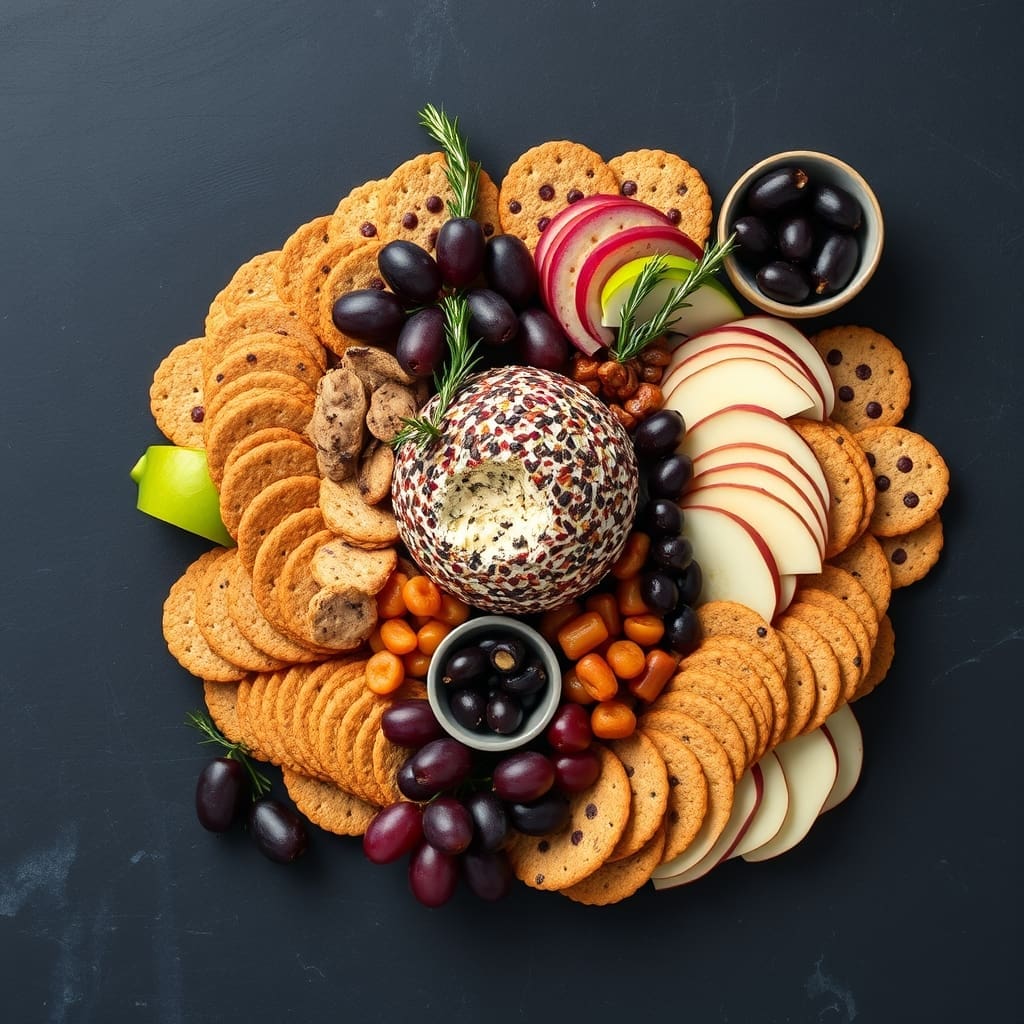
A cheese ball is only as good as its companions. To create a truly professional charcuterie experience, consider the following pairings:
- Crackers: Choose sturdy options like artisanal sourdough crackers, raincoast crisps with dried fruit, or gluten-free almond flour crackers.
- Acidity: Add pickled elements like cornichons, pickled red onions, or olives to cut through the richness of the cashew fat.
- Fruit: Fresh figs, sliced crisp apples (like Honeycrisp), and grapes offer a natural sweetness that complements the tang of the miso and lemon.
- Wine Pairing: For a vegan cheese ball, look for a dry, high-acidity white wine like a Sauvignon Blanc or a Dry Riesling. If you prefer red, a light Pinot Noir works well without overpowering the delicate nut flavors.
Frequently Asked Questions and Troubleshooting
Can I make this nut-free?
Yes. For a nut-free version, use a base of sunflower seeds (soaked) or high-quality store-bought vegan cream cheese mixed with a small amount of agar-agar for firmness. When adapting for specific needs, refer to the Academy of Nutrition and Dietetics guidelines for vegan diets to ensure nutritional balance.
My cheese ball is too soft. What happened?
This usually occurs if the cashews weren’t drained well enough or if too much lemon juice was added. You can ‘save’ a soft mixture by blending in a tablespoon of coconut flour (which absorbs moisture) before chilling.
How long does it stay fresh?
When stored in an airtight container in the refrigerator, the cheese ball will maintain peak flavor for 5-7 days.
Can I freeze it?
Yes, but do so without the nut coating. Wrap it tightly in plastic wrap and then foil. Thaw in the refrigerator for 24 hours before rolling in fresh nuts and serving.
Conclusion
This Vegan Cheese Ball is more than just a substitute; it’s a centerpiece that stands on its own merit. By understanding the science of umami and the mechanics of nut-based emulsions, you can create a sophisticated appetizer that satisfies every palate at the table.
Whether it’s a holiday gala or a casual game day, this recipe provides the creamy, tangy, and crunchy satisfaction that makes for truly memorable entertaining. Give it a try, and watch it become the most requested dish on your party menu.