
The Ultimate Vegan Wellington (Easy & Show-Stopping Recipe)
Are you searching for that perfect holiday centerpiece that will dazzle your guests and satisfy everyone at the table? Look no further.
This Vegan Wellington is the ultimate show-stopper—a savory, rich, and “meaty” filling made from lentils and seasoned vegan ground, all wrapped in a buttery, flaky puff pastry crust. Forget any notion that a vegan main course can’t be the star of the show.
This recipe is designed for maximum flavor and visual appeal, delivering a truly satisfying meal that will have even the most devout meat-eaters asking for the recipe. We’ve packed this guide with expert tips and step-by-step instructions to ensure your Wellington comes out perfectly, every single time.
Why This Will Be Your New Favorite Holiday Recipe
This recipe is a holiday game-changer, designed to be both incredibly impressive and surprisingly straightforward. It’s the perfect solution for a mixed table of eaters, proving that plant-based food can be hearty, traditional, and celebratory.
Here’s why you’ll be making it again and again:
- Universally Loved: The rich, savory flavors appeal to vegans and meat-eaters alike.
- Make-Ahead Friendly: You can assemble the entire Wellington up to a day in advance.
- Visually Stunning: Let’s be honest, it looks incredible.
Understanding the Core Ingredients
The magic of this Wellington lies in how a few simple components work together to create complex flavor and texture. Understanding their roles will help you perfect the dish.
For the Savory Filling:
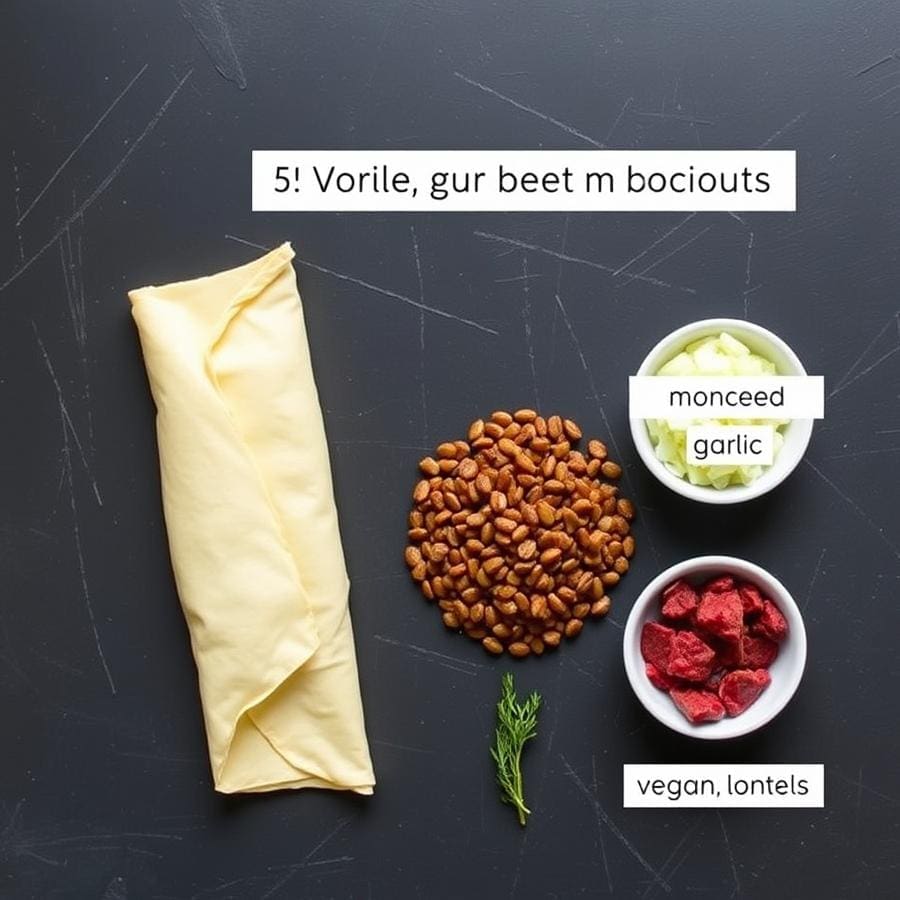
- The “Meaty” Base: We use a combination of vegan beef crumbles (like Impossible or Beyond) and cooked brown or green lentils. The vegan beef provides a deep, savory umami flavor, while the lentils add a wonderful, hearty texture and earthiness. In fact, research from Harvard’s School of Public Health highlights lentils as an excellent source of B vitamins, iron, and magnesium.
- The Aromatics & Binders: Diced onion and minced garlic form the flavor foundation.
For the Wrap:
- Puff Pastry: The star of the exterior. Many store-bought frozen puff pastries are “accidentally vegan,” but be sure to check the ingredients.
Essential Tools for Wellington Success

You don’t need a lot of fancy equipment for this recipe, but having the right tools makes the process much smoother.
- Large Skillet: A 12-inch skillet is perfect for cooking down the filling ingredients.
- Large Mixing Bowl: For combining all the filling components.
- Baking Sheet: Lined with parchment paper for easy cleanup.
- Sharp Knife: A small paring knife or the tip of a chef’s knife is needed for scoring the pastry.
Step 1: Building the Rich Umami Filling

This is where the deep, savory flavor of your Wellington is born. The goal is to cook down the vegetables and vegan beef until they are well-browned and the moisture has evaporated.
This concentration of flavors is key to a rich-tasting filling.
First, sauté the diced onion in olive oil until it becomes soft and translucent.
Then, add the vegan beef crumbles, breaking them up with a spoon and cooking until nicely browned. This browning process, known as the Maillard reaction, creates hundreds of new flavor compounds and is critical for a “meaty” taste.
Stir in the garlic, herbs, and seasonings for the last minute until fragrant. Finally, add the oats and umami boosters like soy sauce.
Let this mixture cool slightly before combining it with the mashed lentils and flax egg. It’s vital that the final filling mixture is not overly wet.
Step 2: How to Properly Assemble Your Wellington

This is the most crucial step for presentation and ensuring a crisp crust. Once your filling is prepared and—this is important—completely cooled, it’s time to wrap.
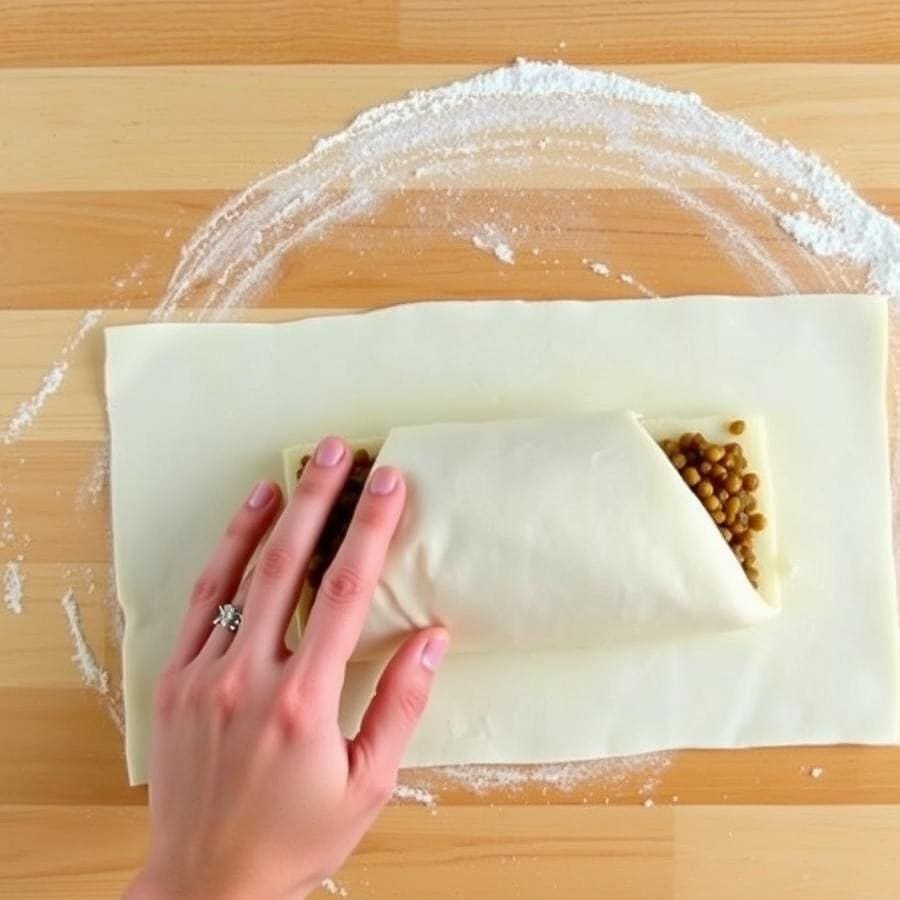
Lay your thawed puff pastry sheet on a lightly floured surface. Gently roll it out to a rectangle, about 9×12 inches.
Spoon the filling mixture onto the center of the pastry, leaving a border of at least one inch on all sides. Use your hands to tightly pack the filling into a compact log shape.
This ensures clean, solid slices later.
Fold one long side of the pastry over the top of the filling, then fold the other side over to meet it, overlapping slightly.
Crimp the ends and the main seam together firmly to seal. A little water can help the pastry stick.
Carefully transfer the Wellington to your prepared baking sheet, placing it seam-side down.
Step 3: Scoring and Baking to Golden Perfection

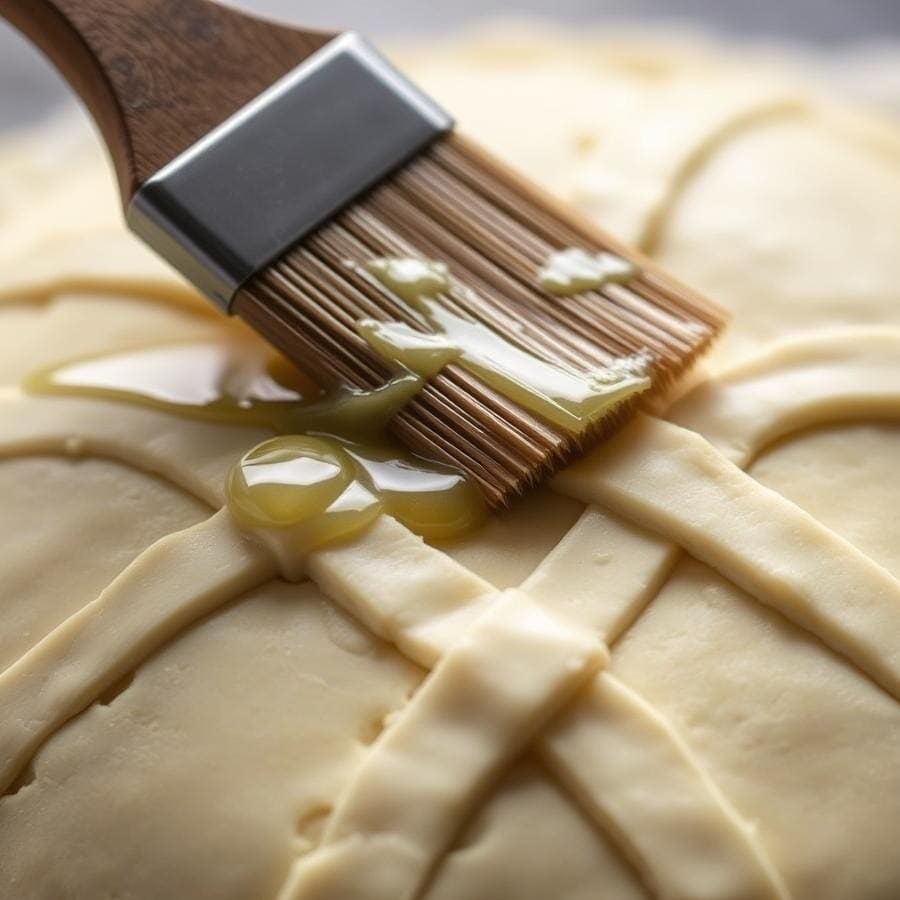
The final touches make all the difference. Brushing the pastry with melted vegan butter helps it achieve a deep, golden-brown color and adds a rich, buttery flavor.
Be sure to cover the top and all sides evenly.
Scoring the top of the pastry does two things: it creates a beautiful, professional-looking pattern, and it allows steam from the filling to escape during baking.
Without these vents, the steam could build up and cause the pastry to become soggy or even burst. Using a very sharp knife, make light diagonal cuts across the top, about an inch apart.
Then, repeat in the opposite direction to create a diamond or criss-cross pattern. The cuts should only go through the top layer of the pastry.
Bake in a preheated oven at 400°F (200°C) until the pastry is puffed, golden brown, and crisp.
Expert Tips & Troubleshooting for a Flawless Finish
Follow these tips from our test kitchen to ensure your Wellington is a triumph every time.
- The Golden Rule: Cool The Filling Completely! I cannot stress this enough. A warm filling will melt the butter in the puff pastry before it even hits the oven, leading to a dreaded soggy bottom.
- Prevent a Soggy Bottom: Besides cooling the filling, you can add a layer of breadcrumbs or crushed nuts on the pastry before adding the filling. This creates a barrier to absorb any excess moisture.
- Patch Any Tears: If your puff pastry tears during assembly, don’t panic. Use a small scrap of excess pastry and a dab of water to patch the hole.
- Let It Rest: After baking, let the Wellington rest on the pan for at least 10-15 minutes before slicing. This allows the filling to set, resulting in cleaner slices.
Common Troubleshooting:
- “My filling is leaking out!” This usually means the seams weren’t sealed tightly enough.
- “My pastry is pale, not golden.” Your oven might not be hot enough, or you didn’t use enough vegan butter wash.
Perfect Pairings, Storage, and Reheating

This Wellington is a fantastic centerpiece, and the right side dishes will elevate it to a full-blown feast.
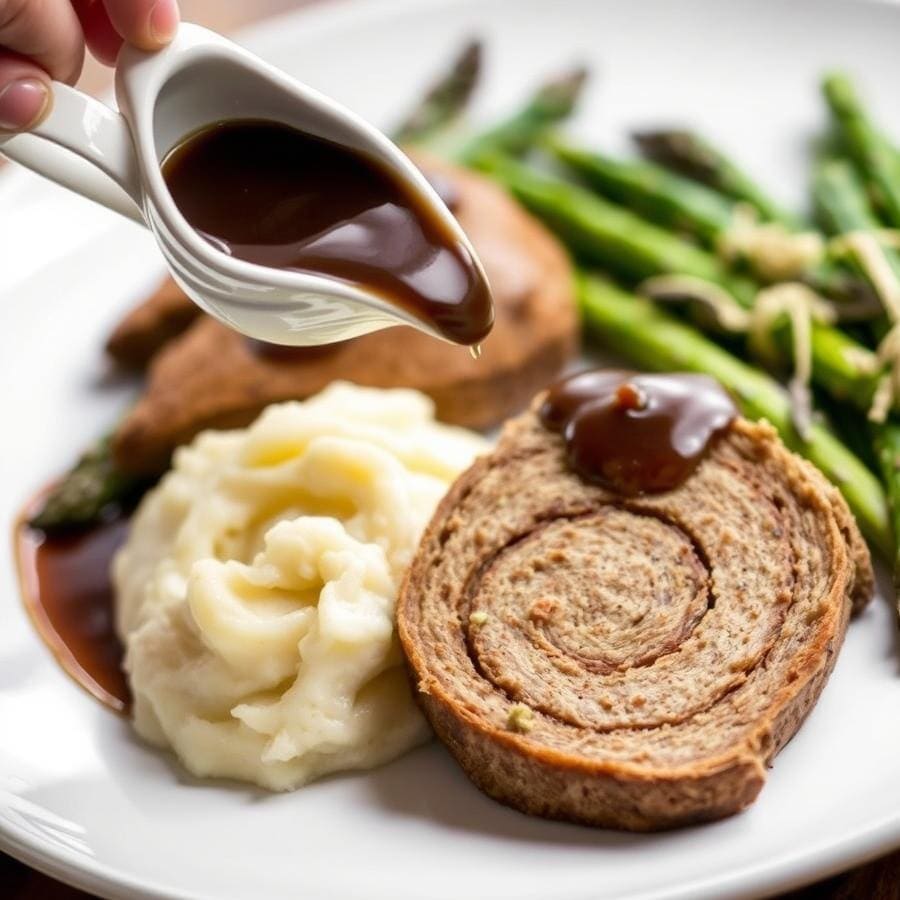
Serving Suggestions: Serve thick, one-inch slices with a generous pour of rich mushroom or onion gravy.
It pairs beautifully with classic holiday sides like:
- Creamy Vegan Mashed Potatoes
- Roasted Brussels Sprouts with Balsamic Glaze
- Garlic Green Beans
- Maple-Glazed Carrots
And for a truly decadent holiday breakfast, consider making a batch of gooey vegan sticky buns the next morning.
Storage and Reheating Instructions:
- To Store: Leftovers can be stored in an airtight container in the refrigerator for up to 4 days.
- To Reheat: For the best results, reheat individual slices in an oven or air fryer at 350°F (175°C) for 10-15 minutes, or until the pastry is re-crisped and the filling is heated through.
Make-Ahead Instructions: You can fully prepare and assemble the Wellington (without the butter wash and baking) up to 24 hours in advance. Wrap it tightly in plastic wrap and store it in the refrigerator.
When ready to serve, simply unwrap, brush with melted butter, score the top, and bake as directed, adding a few extra minutes to the baking time since it’s starting from cold.
Frequently Asked Questions
Can I make this gluten-free?
Yes, you can. You’ll need to use a certified gluten-free puff pastry and swap the soy sauce for gluten-free tamari.
Also, ensure you use certified gluten-free quick-cooking oats. The texture of gluten-free puff pastry can vary, so keep a close eye on it while baking.
What if I don’t want to use vegan beef crumbles?
For a more whole-foods-based filling, you can substitute the vegan beef with 8 ounces of finely chopped cremini mushrooms and 1/2 cup of toasted, chopped walnuts. Sauté the mushrooms until they release all their water and begin to brown before proceeding with the recipe.
This combination provides a wonderful umami flavor and texture.
Is all puff pastry vegan?
No, not all brands are. Traditional puff pastry is made with a large amount of dairy butter. However, many popular frozen brands use vegetable oils instead, making them “accidentally vegan.” As baking experts advise, it’s always critical to double-check the ingredient label to be sure.
Can I freeze the Wellington?
Yes, you can freeze it either baked or unbaked.
- Unbaked: Assemble the Wellington completely, but don’t brush it with butter. Wrap it tightly in two layers of plastic wrap and then a layer of foil. It can be frozen for up to 2 months.
- Baked: Let the baked Wellington cool completely. Wrap it well and freeze.
Conclusion
Creating a show-stopping Vegan Wellington is more than just following a recipe; it’s about mastering a few key techniques to create a truly memorable holiday centerpiece. By preparing a rich, umami-packed filling and ensuring it’s completely cool before assembly, you set the stage for success.
Careful wrapping and proper scoring will deliver that picture-perfect, flaky golden crust every single time. This dish is a testament to how incredibly satisfying and impressive plant-based cooking can be.
Go ahead, claim your spot as the holiday hero—your guests will be talking about this meal for years to come.
Your article helped me a lot, is there any more related content? Thanks!