
Unlock a Healthier Heart: The Science-Backed Benefits of the Mediterranean Diet

For centuries, populations bordering the Mediterranean Sea have enjoyed not only delicious, vibrant cuisine but also remarkably low rates of chronic disease. At the heart of this phenomenon is the Mediterranean diet.
Far from a restrictive eating plan, it’s a lifestyle rich in whole foods like fruits, vegetables, olive oil, and fish. In this article, we’ll delve into the compelling scientific evidence that links this dietary pattern to superior heart health, exploring how its key components work together to protect your most vital organ.
What is the Mediterranean Diet?
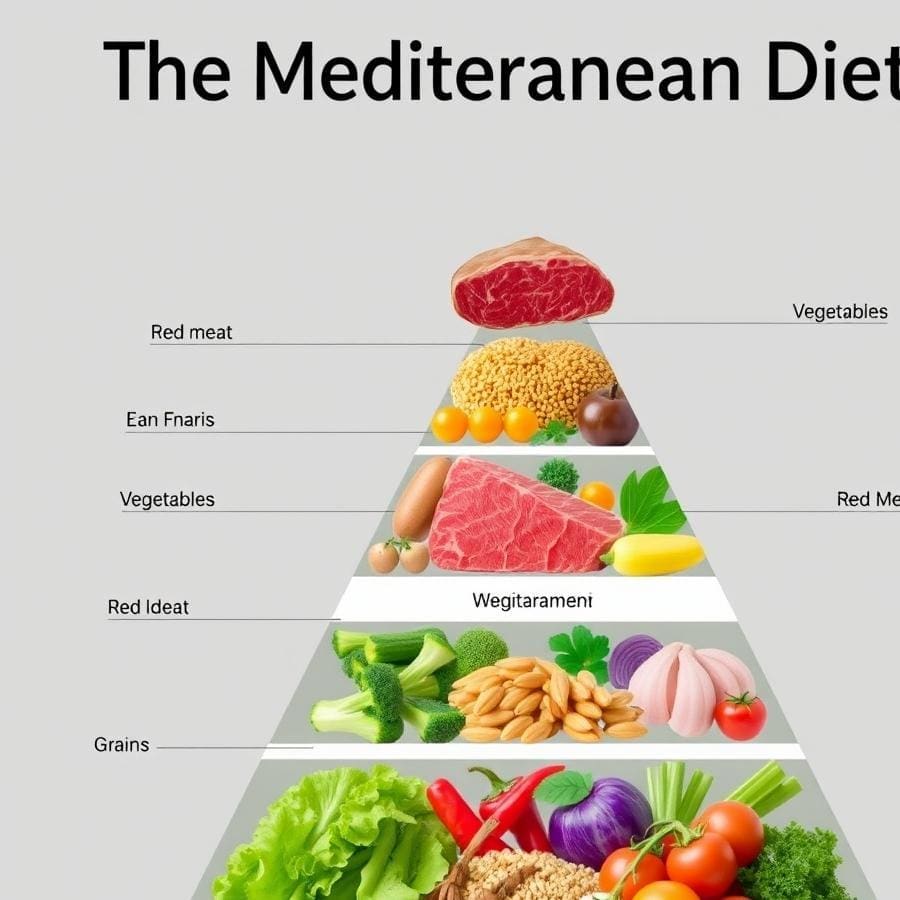
The Mediterranean diet is not a single, strict plan but rather a collection of eating habits traditionally followed in countries like Greece, Italy, and Spain. As noted by the Harvard T.H. Chan School of Public Health, it emphasizes plant-based foods, including whole grains, vegetables, legumes, fruits, nuts, seeds, herbs, and spices.
Olive oil is the primary source of added fat. Fish, seafood, dairy, and poultry are included in moderation, while red meat and sweets are eaten only occasionally.
This pattern is low in saturated fats and rich in monounsaturated fats, fiber, and antioxidants, creating a powerful combination for overall health.
The Power of Healthy Fats: Olive Oil’s Central Role

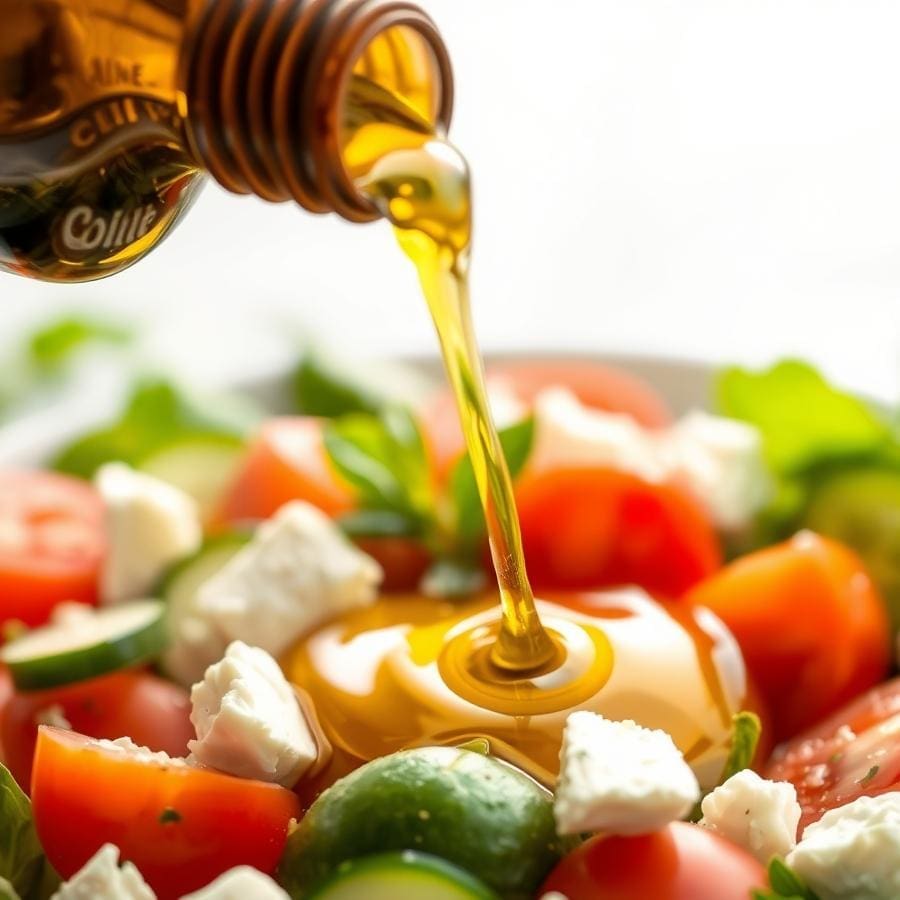
Central to the diet’s heart-protective benefits is extra virgin olive oil. It is a rich source of monounsaturated fatty acids, particularly oleic acid, which, as documented in a landmark study in The New England Journal of Medicine, has been shown to reduce inflammation and lower levels of ‘bad’ LDL cholesterol.
Furthermore, olive oil is packed with antioxidants like polyphenols, which help protect blood vessels from oxidative damage and improve the function of the endothelium, the thin membrane inside the heart and blood vessels. Swapping out butter and other saturated fats for olive oil is one of the most impactful changes you can make.
Rich in Omega-3s: The Importance of Fish and Seafood
The Mediterranean diet encourages eating fish and seafood at least twice a week. Fatty fish like salmon, mackerel, herring, and sardines are particularly beneficial as they are high in omega-3 fatty acids.
These essential fats, as highlighted by the American Heart Association, are known to decrease triglycerides, lower blood pressure, reduce blood clotting, and decrease the risk of stroke and heart failure. The anti-inflammatory properties of omega-3s also play a crucial role in preventing the development of atherosclerosis (the hardening of arteries).
Antioxidants and Fiber: The Plant-Based Foundation
The bulk of the Mediterranean diet comes from an abundance of fruits, vegetables, whole grains, and legumes. These foods provide essential fiber, which helps manage cholesterol and promotes a healthy gut microbiome. A vibrant dish like our black bean and corn salad is a perfect example of this principle in action.
They are also loaded with vitamins, minerals, and a wide array of antioxidants. These compounds combat oxidative stress, a key factor in the aging process and the development of heart disease.
A colorful plate isn’t just visually appealing—it’s a sign you’re getting a diverse range of nutrients that work synergistically to protect your cardiovascular system. Even simple meals, such as a refreshing watermelon feta salad, contribute to this powerful effect.
Conclusion
Adopting the Mediterranean diet is more than just a dietary change; it’s an investment in your long-term health and well-being. By focusing on whole, nutrient-dense foods and healthy fats, you can significantly reduce your risk of heart disease, lower blood pressure, and improve cholesterol levels.
It’s a sustainable, delicious, and scientifically-validated approach to eating that nourishes both body and soul. Start by making small changes, like using olive oil for cooking or adding an extra serving of vegetables to your meals, and embrace a lifestyle that has stood the test of time.