
Unlock a Healthier You: The Science-Backed Benefits of the Mediterranean Diet
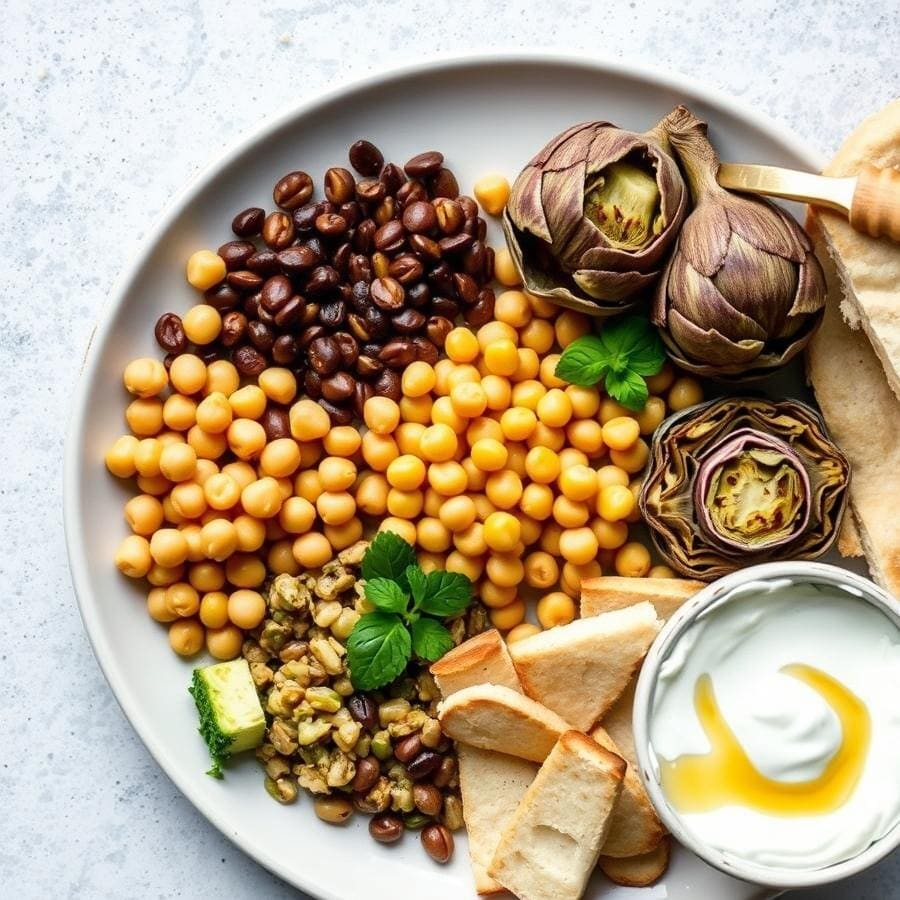
Imagine a diet that doesn’t involve calorie counting, restrictive rules, or bland food. Instead, it’s filled with vibrant vegetables, flavorful olive oil, fresh fish, and whole grains.
This is the essence of the Mediterranean diet, a way of eating inspired by the traditional cuisines of countries like Greece, Italy, and Spain. For decades, researchers have hailed it as a gold standard for health and longevity, and for good reason.
It’s not just about what you eat, but how you eat—emphasizing shared meals, fresh ingredients, and a holistically healthy lifestyle. Let’s delve into the science-backed benefits that make this diet a powerful tool for wellness.
A Shield for Your Heart
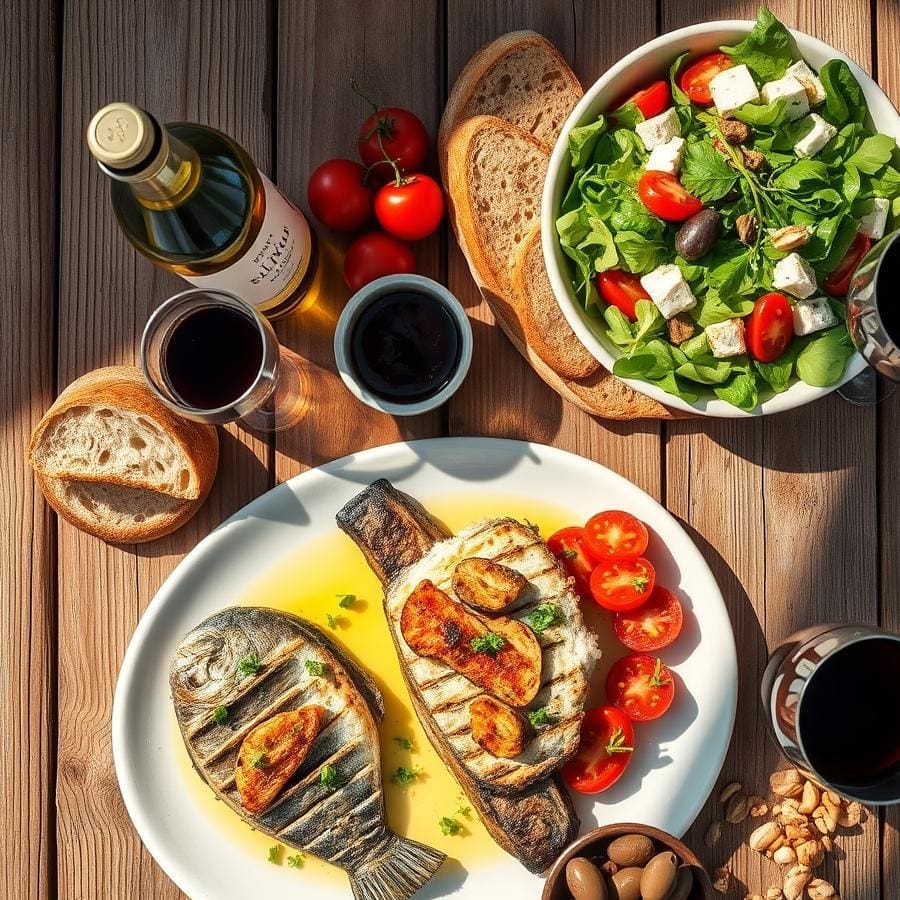
The cornerstone of the Mediterranean diet’s fame is its remarkable impact on cardiovascular health, a benefit recognized by the American Heart Association. The emphasis on monounsaturated fats from extra virgin olive oil and omega-3 fatty acids from fish like salmon and sardines helps lower LDL (‘bad’) cholesterol and reduce inflammation, two major culprits in heart disease.
Furthermore, the abundance of fiber from fruits, vegetables, and legumes aids in controlling blood pressure and improving overall heart function. Landmark studies, such as the PREDIMED trial published in the New England Journal of Medicine, have conclusively shown that adhering to a Mediterranean diet can significantly lower the risk of heart attacks, strokes, and cardiovascular-related deaths.
Nourishment for Your Brain

What’s good for the heart is often good for the brain, and the Mediterranean diet is a prime example. The rich supply of antioxidants and anti-inflammatory compounds found in its core foods, particularly polyphenols in olive oil, berries, and nuts, helps protect brain cells from oxidative stress and damage.
This neuroprotective effect, a finding supported by research published in the Annals of Neurology, has been linked to better cognitive function, a slower rate of age-related cognitive decline, and a reduced risk of developing neurodegenerative diseases like Alzheimer’s and Parkinson’s. The omega-3 fatty acids are also critical building blocks for brain health, supporting memory and learning.
Sustainable Weight Management and Gut Health

Unlike fad diets that promise quick fixes, the Mediterranean diet promotes sustainable weight management. Its high-fiber content from whole foods keeps you feeling full and satisfied, reducing the likelihood of overeating.
This diet isn’t about deprivation; it’s about replacing processed foods, refined sugars, and unhealthy fats with nutrient-dense, flavorful alternatives. This approach also fosters a diverse and healthy gut microbiome.
The prebiotic fibers in foods like garlic, onions, and artichokes feed beneficial gut bacteria, which play a crucial role in everything from digestion and immunity to mood regulation.
How to Embrace the Mediterranean Lifestyle
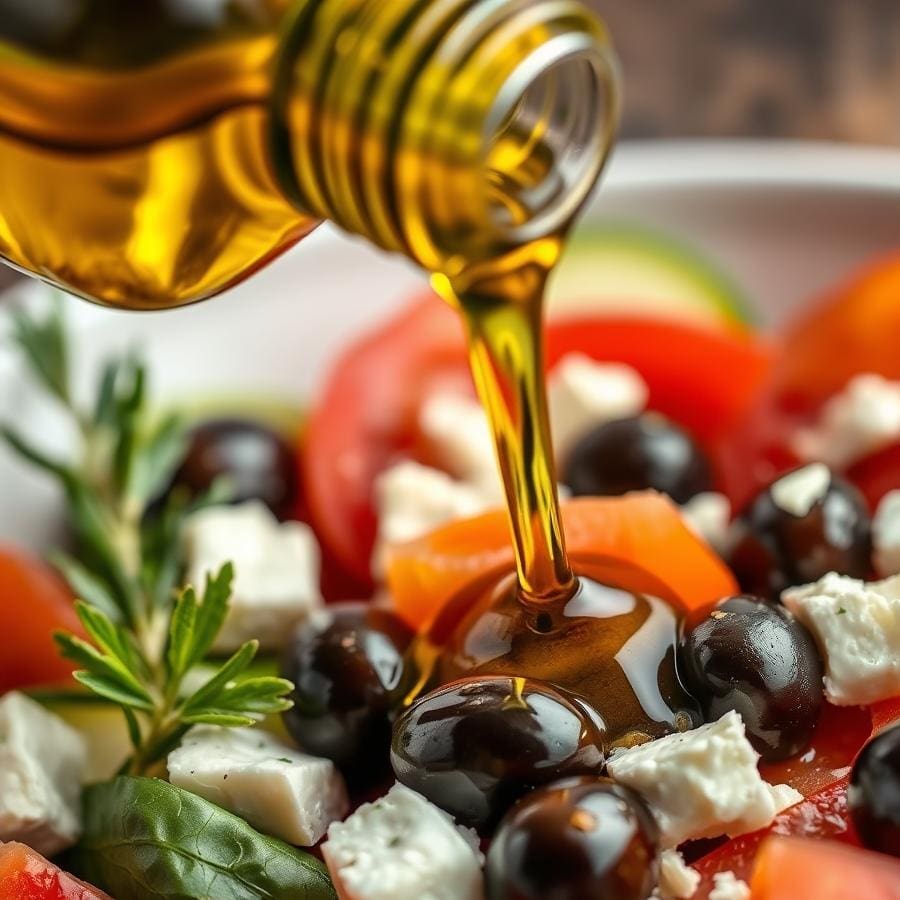
Adopting the Mediterranean diet is about making simple, gradual swaps. Here’s how to get started:
- Make extra virgin olive oil your primary cooking fat.
- Aim to eat fish twice a week.
- Fill half your plate with non-starchy vegetables at every meal.
- Choose whole grains over refined ones.
- Snack on nuts and fruits instead of processed snacks.
And importantly, embrace the lifestyle aspect: slow down, savor your food, and if possible, share meals with friends and family. It’s a journey towards better health that is both delicious and deeply rewarding.
Conclusion
The Mediterranean diet is far more than a passing trend; it is a time-tested, scientifically-validated blueprint for a long and healthy life. By prioritizing whole, unprocessed foods and healthy fats, it provides a powerful defense against chronic diseases, supports a sharp mind, and promotes a healthy weight.
Its true beauty lies in its flexibility and focus on pleasure, making it a sustainable and enjoyable lifestyle that nourishes both body and soul. Making a few simple changes today can set you on a path to better health for years to come.
Thank you for your sharing. I am worried that I lack creative ideas. It is your article that makes me full of hope. Thank you. But, I have a question, can you help me?