
Unlocking Your Body’s Potential: The Science-Backed Benefits of Intermittent Fasting

In the world of health and wellness, where various approaches like the health benefits of a Mediterranean diet are popular, intermittent fasting (IF) has also gained immense popularity, and for good reason. It’s not a diet in the conventional sense but an eating pattern that focuses on:
- The timing of your meals (when you eat)
- Rather than the specific foods themselves (what you eat)
By strategically scheduling your meals, you can tap into your body’s innate healing mechanisms, leading to a host of profound health benefits. This article will explore the science-backed advantages of intermittent fasting, from its impact on your metabolism and brain to its role in cellular rejuvenation.
1. Accelerate Weight Loss and Boost Metabolism
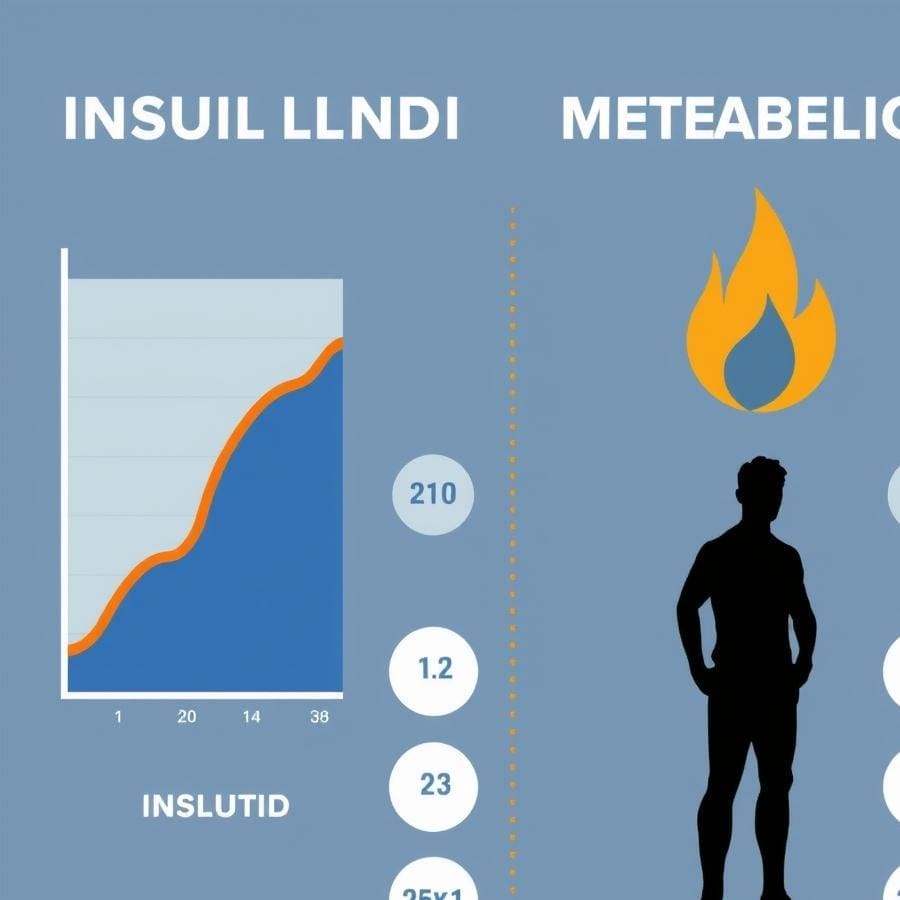
One of the most common reasons people try intermittent fasting is for weight loss. When you fast, your body’s insulin levels drop significantly, which facilitates fat burning.
Furthermore, fasting can increase levels of norepinephrine, a hormone that boosts your metabolic rate. This dual action of lower insulin and higher norepinephrine turns your body into a more efficient fat-burning machine.
As updates from Harvard Health Publishing confirm, IF can be a highly effective tool for shedding visceral fat, the harmful fat around your organs, without the need for extreme calorie restriction.
2. Trigger Cellular Repair through Autophagy

Autophagy is your body’s cellular housekeeping process. It’s a vital mechanism where cells break down and remove old, damaged, or dysfunctional proteins and components.
This process is crucial for preventing diseases and promoting longevity, a finding supported by extensive reviews in the New England Journal of Medicine. Intermittent fasting is one of the most potent ways to stimulate autophagy.
When your body is in a fasted state, it ramps up this cellular cleanup, helping to repair and rejuvenate your cells from the inside out. This has significant implications for healthy aging and disease prevention.
3. Enhance Brain Health and Cognitive Function

The benefits of fasting extend to your brain. Intermittent fasting has been shown to increase the production of a crucial brain hormone called Brain-Derived Neurotrophic Factor (BDNF).
Low levels of BDNF are linked to depression and other brain-related issues. By boosting BDNF, IF may support the growth of new neurons and protect existing ones from damage.
Many practitioners report experiencing heightened focus, improved memory, and enhanced mental clarity during fasting periods, essentially making it a powerful tool for cognitive enhancement, a benefit also noted by researchers at Johns Hopkins.
Conclusion
Intermittent fasting is a powerful and flexible eating pattern that offers a wealth of science-backed benefits for your body and mind. From optimizing your metabolism for weight loss to triggering essential cellular repair and boosting brain function, its effects are profound.
While it may not be suitable for everyone, for many, it can be a sustainable lifestyle change that unlocks a new level of health and vitality. Exploring different eating patterns, like the surprising benefits of the ketogenic diet, can help you find what works best for your body. As always, consider consulting with a healthcare professional before making significant changes to your diet. When you do eat, focusing on nutrient-dense meals like a creamy peanut butter banana smoothie can make all the difference.
Can you be more specific about the content of your article? After reading it, I still have some doubts. Hope you can help me.
Your point of view caught my eye and was very interesting. Thanks. I have a question for you.