Fluffy Vegan Pancakes (The Plant-Milk Buttermilk Trick)
 Jump to recipe ↓
 In this guide5
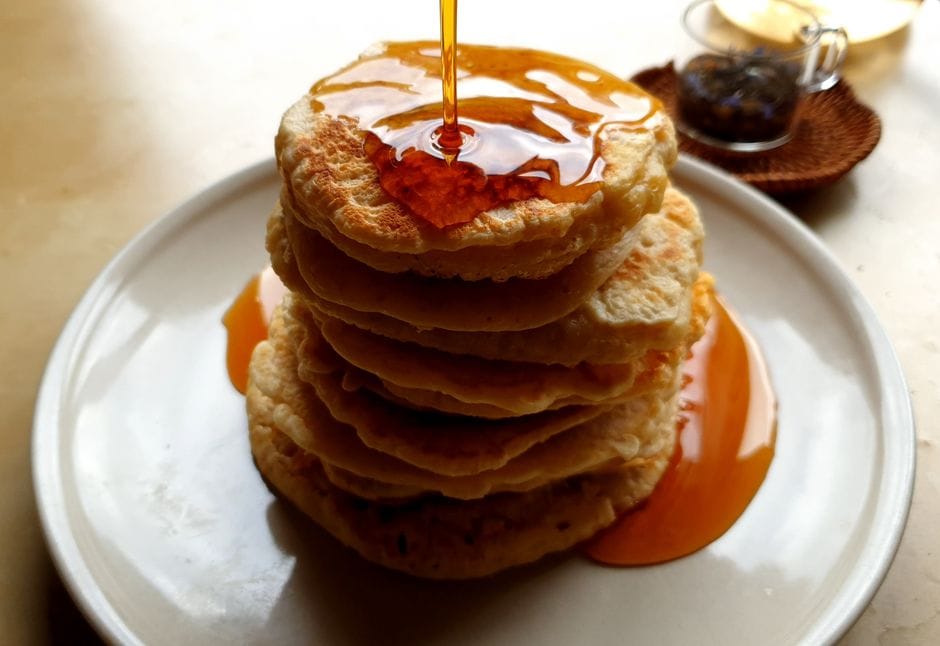
Vegan pancakes can be every bit as fluffy, golden, and satisfying as any dairy-based version, and a simple plant-milk and vinegar combination is the reason why. The acid in the vinegar curdles the plant milk into a loose buttermilk, then reacts with the baking powder in the flour to create lift from the inside out. The result is a thick, airy batter that cooks into pancakes with crisp edges and pillowy centers.
This guide covers the science behind the trick, the ingredients that matter most, and the small method details that separate flat, dense pancakes from the kind that stack high and stay tender all the way through. The recipe below uses pantry basics and comes together in about 25 minutes.
Why the Plant-Milk Buttermilk Trick Works
Traditional buttermilk does two things in a pancake batter: it adds acidity that tenderizes gluten, and it reacts with baking powder (or baking soda) to produce carbon dioxide bubbles that make the pancake rise. Vegan buttermilk replicates both effects.
When you stir one tablespoon of apple cider vinegar or lemon juice into a cup of plant milk and let it sit for a minute or two, the proteins in the milk begin to curdle. The liquid thickens slightly and takes on a faintly tangy smell. That curdled mixture is now acidic enough to do exactly what dairy buttermilk does: tenderize the gluten strands so the pancake stays soft, and create a reactive environment where baking powder releases its gas more vigorously.
Soy milk produces the most noticeable curdling because of its higher protein content, and many recipe developers reach for it when they want the best texture. Oat milk and almond milk work well too, though the effect is subtler. The choice of plant milk also influences flavor: oat milk adds a mild sweetness, soy is more neutral, and almond milk gives a faint nutty note.
Key Ingredients and What Each One Does
Plant milk plus acid. One cup of unsweetened plant milk with one tablespoon of apple cider vinegar is the foundation. This is non-negotiable. Let it sit for at least 60 to 90 seconds before mixing it into anything else.
All-purpose flour. Standard all-purpose flour gives the best structure for a classic pancake. You can swap up to half of it for whole wheat flour for a nuttier flavor, though the pancakes will be slightly denser. Oat flour or a gluten-free all-purpose blend also work if you need them.
Baking powder. Use a full tablespoon for one-and-a-half cups of flour. This might sound like a lot, but baking powder is the primary lift agent here and the buttermilk acid amplifies its effect. Check that your baking powder is fresh: drop a teaspoon into hot water and it should bubble immediately.
Melted vegan butter or neutral oil. Fat adds richness and helps the exterior brown evenly. Melted vegan butter gives the closest flavor to a classic diner pancake. A light neutral oil such as sunflower or avocado oil works well and is slightly easier to measure.
A small amount of sugar. Two tablespoons is enough to help with browning and add just a touch of sweetness without making the pancakes taste like dessert. You can reduce it or leave it out entirely for savory applications.
Pure vanilla extract (alcohol-free). One teaspoon rounds out the flavor. Choose a non-alcoholic vanilla extract or vanilla powder to keep the recipe halal.
Method Tips for Maximum Fluffiness
Do not overmix. This is the single most important rule. Once you combine the wet and dry ingredients, stir only until the flour streaks disappear. Lumps are fine and actually desirable. Overmixing develops gluten strands that make pancakes chewy and flat instead of tender and tall.
Let the batter rest. After mixing, set the bowl aside for five to ten minutes without touching it. You will see bubbles forming on the surface as the baking powder activates. Do not stir the batter again after this rest. The bubbles are what give you height.
Use medium heat and be patient. High heat browns the exterior before the center has a chance to cook through, leaving you with raw middles. Medium heat, roughly 350 degrees F on an electric griddle, gives the batter time to rise fully before the bottom sets. A drop of water should skitter across the surface before you add batter.
Flip once and only once. Wait until bubbles have formed across most of the surface and the edges look set and matte, not shiny. Then flip and cook for about 90 seconds to two minutes more. Pressing the pancake flat after flipping defeats all the work you did to build the batter.
Keep cooked pancakes warm. Place them in a single layer on a baking sheet in a 200 degree F oven while you cook the remaining batches. Stacking them directly while hot traps steam and softens the crisp exterior.
Variations Worth Trying
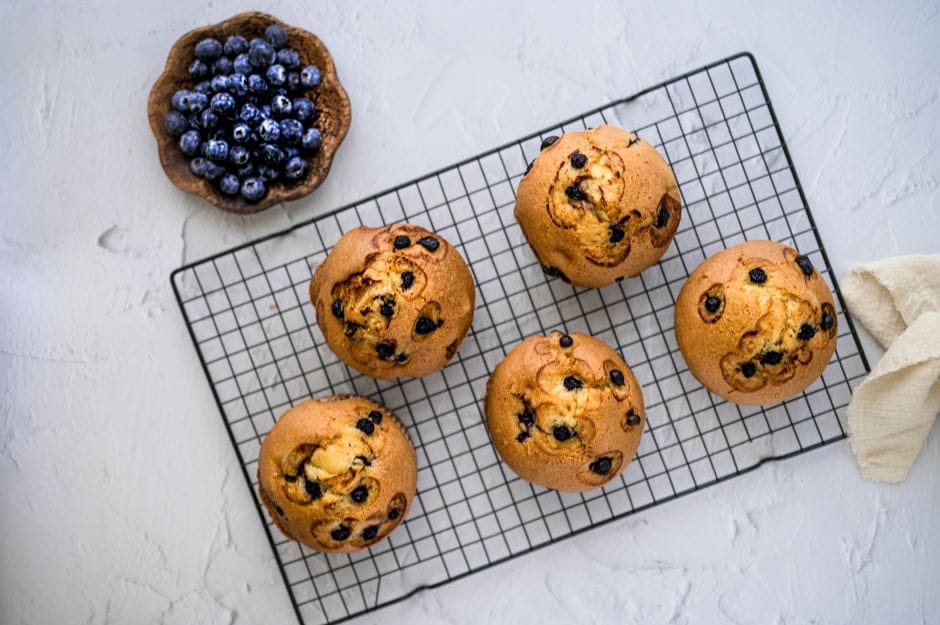
Blueberry. Press a small handful of fresh or frozen blueberries into each pancake immediately after pouring the batter onto the griddle. Adding them to the batter first tends to break them up during stirring.
Banana. Replace a quarter cup of the plant milk with mashed ripe banana and add a pinch of cinnamon. The natural sugars in the banana also help with browning.
Chocolate chip. Scatter a tablespoon of dairy-free chocolate chips over each pancake right after ladling it onto the griddle, before the surface sets.
Whole grain and nutty. Swap half the flour for whole wheat flour and add a tablespoon of almond butter to the wet ingredients. The result is a heartier, more nutritious pancake with a warm, toasty flavor.
Lemon poppy seed. Replace the apple cider vinegar with fresh lemon juice, add the zest of one lemon to the wet ingredients, and stir in a teaspoon of poppy seeds with the dry ingredients.
Serving and Storage
Serving. A drizzle of pure maple syrup and a pat of vegan butter is the classic approach. Fresh fruit, a spoonful of nut butter, or a dusting of powdered sugar all work beautifully. For a more substantial breakfast, serve alongside a savory element like roasted tomatoes or a tofu scramble.
Refrigerating leftovers. Cool pancakes completely, then layer them with parchment paper between each one and store in an airtight container in the refrigerator for up to four days. Reheat in a toaster or dry skillet over low heat to bring back some of the crisp exterior.
Freezing. Vegan pancakes freeze very well. Arrange cooled pancakes in a single layer on a baking sheet and freeze until solid, then transfer to a zip bag. They keep for up to two months. Reheat directly from frozen in a toaster on a low setting or in a 325 degree F oven for about ten minutes.
Make-ahead batter. The dry and wet components can be prepped separately the night before and kept refrigerated. Combine them in the morning, rest the batter, and cook. Do not mix the batter the night before and refrigerate it fully combined, as the baking powder will have spent most of its power by morning.
The recipe
Fluffy Vegan Pancakes
Prep
10 min
Cook
15 min
Makes
8 to 10 pancakes (serves 3 to 4)
Ingredients
- 1 cup (240ml) unsweetened plant milk (soy or oat recommended)
- 1 tablespoon apple cider vinegar or fresh lemon juice
- 1.5 cups (190g) all-purpose flour
- 1 tablespoon baking powder
- 2 tablespoons granulated sugar
- 0.5 teaspoon fine sea salt
- 2 tablespoons melted vegan butter or neutral oil (such as sunflower or avocado oil)
- 1 teaspoon alcohol-free vanilla extract or vanilla powder
- Neutral oil or vegan butter for greasing the pan
Instructions
- 1 Make the vegan buttermilk: pour the plant milk into a medium bowl, add the vinegar or lemon juice, stir once, and let sit for 1 to 2 minutes until slightly thickened and curdled.
- 2 In a large bowl, whisk together the flour, baking powder, sugar, and salt until evenly combined.
- 3 Add the melted vegan butter and vanilla to the buttermilk and whisk to combine.
- 4 Pour the wet ingredients into the dry ingredients and fold gently with a spatula or wooden spoon until the flour is just incorporated. The batter will be thick and lumpy. Do not overmix.
- 5 Set the batter aside without stirring for 5 to 8 minutes. It will puff up and bubble on the surface.
- 6 Heat a nonstick skillet or griddle over medium heat. Lightly grease with a small amount of oil or vegan butter.
- 7 Scoop a heaping one-third cup of batter per pancake onto the skillet. Do not spread or press it down.
- 8 Cook for 2 to 2.5 minutes until bubbles form across most of the surface and the edges look set and matte.
- 9 Flip once and cook for 1.5 to 2 minutes more until the underside is golden brown.
- 10 Transfer to a baking sheet in a 200F (93C) oven to keep warm while cooking remaining pancakes. Serve with maple syrup and vegan butter.
Notes
- ·Soy milk produces the most pronounced curdling and the fluffiest result. Oat milk and almond milk work well with a slightly subtler effect.
- ·Check your baking powder freshness before starting: drop a teaspoon into hot water. If it does not bubble vigorously, replace it.
- ·Do not stir the batter after the resting period. The bubbles on the surface are your lift.
- ·For blueberry pancakes, press a small handful of blueberries into each pancake right after pouring it onto the griddle.
- ·Cooled pancakes freeze well for up to 2 months. Reheat from frozen in a toaster or 325F oven.
Calories
140
Protein
3g
Fat
4g
Carbs
24g
Frequently asked questions
Why are my vegan pancakes flat?+
The three most common causes are old baking powder that has lost its potency, overmixing the batter (which deflates the bubbles and builds tough gluten), and skipping the resting period. Make sure your baking powder bubbles vigorously when dropped into hot water, fold the batter gently until just combined, and always let it rest for at least 5 minutes before cooking.
Can I use any plant milk for the buttermilk trick?+
Yes, though the results vary. Soy milk curdles the most visibly because of its higher protein content, giving you a more pronounced buttermilk effect and extra fluffy pancakes. Oat milk is a close second. Almond milk and rice milk are thinner and produce a subtler reaction, but they still work. Avoid canned coconut milk (the full-fat kind) as it is too thick and rich for this ratio.
Can I make the batter the night before?+
It is better to prep the wet and dry components separately and refrigerate them overnight, then combine them in the morning. If you mix the batter fully and refrigerate it overnight, the baking powder activates and spends its lift during the rest time in the fridge, leaving you with flat pancakes in the morning.
How do I know when to flip?+
Wait until bubbles have formed across most of the surface of the pancake and the edges transition from shiny and wet to matte and set. This usually takes 2 to 2.5 minutes over medium heat. Flipping too early (before the edges set) causes the batter to spread and the pancake to tear.
Written by
VeganDigest Editorial is the small independent team that researches and fact-checks this site. We are not doctors or dietitians. For every is-it-vegan verdict we read the product's current ingredient list and manufacturer information, and for anything health-related we report guidance from recognized bodies such as the NHS, the Vegan Society, and the Academy of Nutrition and Dietetics rather than offering medical advice. Every page shows the date it was last verified, and our full process is on the How We Verify page.
Comments