What Is a Vegan? Definition, Diet, Lifestyle, and How It Differs from Plant-Based
In this guide6
A vegan is someone who avoids all animal products (as far as is possible and practicable) in food, clothing, and everyday life. The diet side centers on plants: vegetables, fruits, grains, legumes, nuts, and seeds, with no meat, fish, dairy, eggs, or honey.
Veganism is both a dietary practice and an ethical philosophy. The Vegan Society, which coined the term in 1944, defines it as a way of living that seeks to exclude all forms of exploitation of, and cruelty to, animals. That scope goes well beyond the dinner plate.
The Official Definition and Where It Comes From
The word "vegan" was created in 1944 by Donald Watson, who founded The Vegan Society in the UK to distinguish people who avoided all animal products from those who simply did not eat meat.
The Vegan Society's formal definition reads: "Veganism is a philosophy and way of living which seeks to exclude (as far as is possible and practicable) all forms of exploitation of, and cruelty to, animals for food, clothing or any other purpose; and by extension, promotes the development and use of animal-free alternatives for the benefit of animals, humans and the environment. In dietary terms it denotes the practice of dispensing with all products derived wholly or partly from animals."
Two phrases in that definition matter a great deal. "As far as is possible and practicable" acknowledges that perfection is unrealistic. Trace ingredients, medication, and genuine emergencies create unavoidable grey areas, and the definition intentionally does not demand purity. "Philosophy and way of living" signals that veganism is not only a diet but a lens applied to purchasing decisions, clothing, entertainment, and personal care products.
The definition has been in formal use since 1988 and remains the most widely cited standard among vegans today.
What Vegans Eat and Avoid
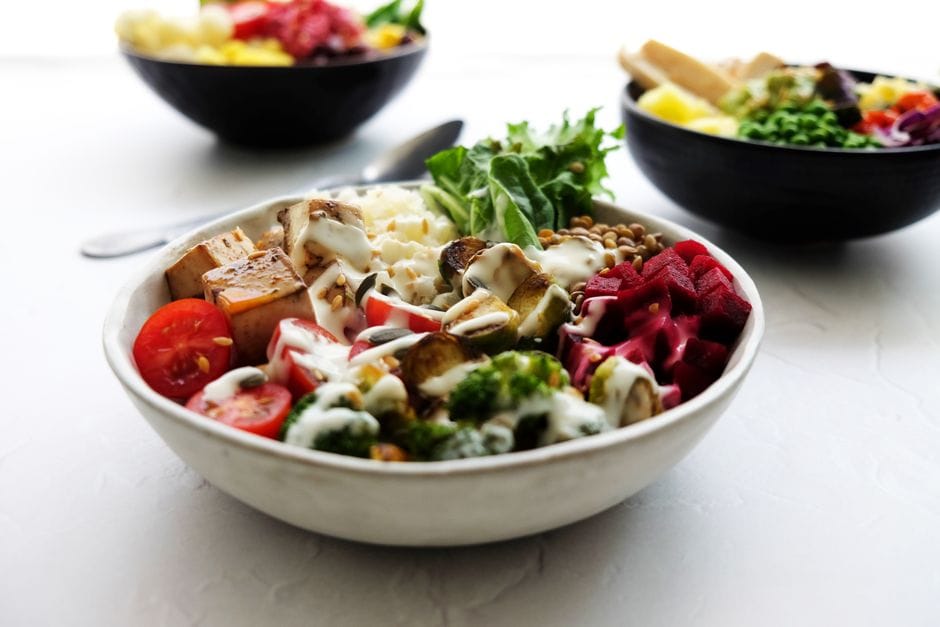
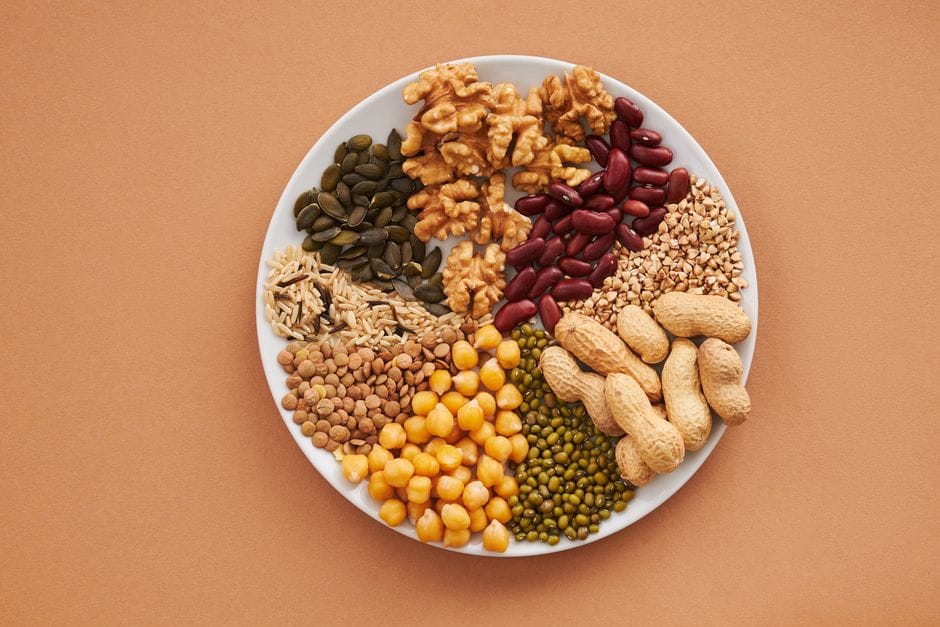
The vegan diet is built on plant foods in all their variety. That includes every vegetable and fruit, all whole grains, pulses (beans, lentils, chickpeas), nuts, seeds, soy-based foods (tofu, tempeh, edamame), and plant-derived oils. Plant milks, vegan cheeses, and egg substitutes are common pantry staples.
The avoided list covers anything derived from an animal:
- Meat and poultry (beef, pork, lamb, chicken, turkey)
- Fish and seafood (including shellfish and other marine animals)
- Dairy (milk, butter, cheese, cream, yogurt)
- Eggs
- Honey (produced by bees)
- Gelatin (made from boiled animal bones and connective tissue, found in gummies, marshmallows, and many capsule medications)
- Carmine / cochineal (a red dye derived from crushed scale insects, appearing as E120 on ingredient labels and used in fruit juices, red confectionery, and some yogurts)
- Casein and whey (milk-derived proteins that appear in some "non-dairy" creamers, protein bars, and processed snacks)
- Shellac (a glossy coating from lac-bug secretions used on shiny candies and some fresh produce)
- Vitamin D3 (often sourced from lanolin, a wax from sheep's wool, and added to fortified juices and cereals; vegan-certified D3 derived from lichen exists and is labeled accordingly)
Beyond food, vegans typically avoid leather, wool, silk, down, and cosmetics tested on animals, though the practical extent varies from person to person.
Vegan vs. Plant-Based: A Clear Comparison
The terms vegan and plant-based are often used interchangeably, but they describe meaningfully different things. Understanding the gap helps avoid confusion when reading labels, restaurant menus, or health research.
| Dimension | Vegan | Plant-Based |
|---|---|---|
| Coined by | Donald Watson, 1944 | T. Colin Campbell, 1980s |
| Primary motivation | Animal ethics and rights | Health and nutrition |
| Scope | Food, clothing, products, lifestyle | Diet only |
| Animal products in diet | None | Usually none; some definitions allow small amounts |
| Processed food | Vegan junk food is fine if animal-free | Whole foods plant-based discourages processing |
| Non-food products | Avoids leather, wool, tested cosmetics | No position taken |
| Identity | Often an ethical identity | Usually a dietary description |
The practical upshot: a person can eat a 100 percent plant-based diet without calling themselves vegan, and a vegan may buy processed, packaged convenience foods that a strict whole-foods eater would avoid. Neither approach is superior; they reflect different goals and frameworks.
Nutrition: Is a Well-Planned Vegan Diet Healthy?
The short answer from leading health bodies is yes, with planning.
The Academy of Nutrition and Dietetics (the world's largest organization of food and nutrition professionals) concluded in its position statement that appropriately planned vegan dietary patterns are nutritionally adequate and can reduce the risk of heart disease, hypertension, type 2 diabetes, and certain cancers (Melina V, Craig W, Levin S. J Acad Nutr Diet. 2016;116:1970-1980, via PCRM.org).
The NHS identifies specific nutrients that require conscious attention on a vegan diet:
- Vitamin B12: Not reliably available from plant foods. The NHS recommends a daily B12 supplement or regular intake of fortified foods such as plant milks, yeast extract, and fortified breakfast cereals.
- Calcium: Found in fortified plant milks, calcium-set tofu, kale, bok choy, and white beans. Aim for the same daily target as the general population.
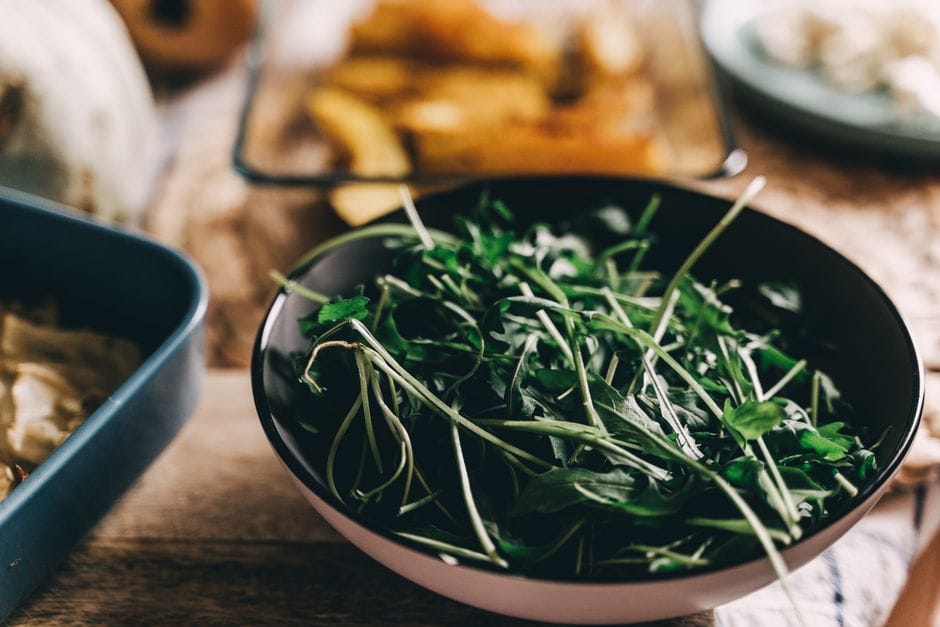
- Iron: Abundant in lentils, chickpeas, tofu, pumpkin seeds, and dark leafy greens. Eating iron-rich foods alongside vitamin C (citrus juice, peppers, tomatoes) significantly improves absorption.
- Iodine: Limited in most plant foods unless seaweed is eaten regularly. An iodine supplement or iodized salt is often advised.
- Selenium: Provided well by just one or two Brazil nuts per day.
- Vitamin D: The NHS advises everyone (vegan or not) to consider a daily supplement during autumn and winter. Vegans should confirm any supplement uses plant-derived D3 (from lichen) or D2, rather than the lanolin-derived form.
- Omega-3 fatty acids: Walnuts, chia seeds, flaxseeds, and hemp seeds provide ALA. Algae-based omega-3 supplements supply EPA and DHA directly, bypassing the need for fish oil.
A vegan diet that includes varied whole plants, fortified foods, and a B12 supplement meets the nutritional needs of most healthy adults.
The Beyond-Food Lifestyle: What Else Vegans Avoid
Because the Vegan Society definition covers "any other purpose," veganism extends into several non-food areas. How far any individual takes this is personal, but these categories commonly come up.
Clothing and textiles. Leather (from cattle and other animals), wool (from sheep), silk (from silkworms), down (from geese and ducks), and fur are all avoided. Alternatives include organic cotton, linen, hemp, recycled polyester, Tencel, and a growing range of plant-based leather substitutes.
Personal care and cosmetics. Products tested on animals are excluded, as are ingredients such as beeswax, lanolin, carmine, keratin (from hair and feathers), and collagen. The Leaping Bunny and Vegan Society Trademark logos help identify certified products.
Entertainment and recreation. Venues that use animals as entertainment (circuses with performing animals, certain zoos, and marine parks) fall outside what most vegans support.
Household products. Some cleaning products contain animal fats or are tested on animals. Plant-based, cruelty-free alternatives cover nearly every cleaning category today.
None of this demands rigid perfection. The "as far as is possible and practicable" clause is there precisely because medicines may contain animal-derived ingredients, second-hand leather exists, and social situations do not always offer choices. Veganism in practice is a direction of travel, not a purity test.
Common Questions Before You Start
Is it expensive? The staples of a vegan diet (dried legumes, oats, rice, pasta, seasonal vegetables, canned tomatoes, frozen peas) are among the most affordable foods available. Specialty vegan substitutes such as plant-based meat and dairy alternatives cost more, but they are entirely optional.
Is protein a concern? No single plant food contains all nine essential amino acids in the proportions humans need, but eating a variety of foods throughout the day covers requirements comfortably. Soy (including tofu, tempeh, and edamame) is a complete protein on its own. Lentils, chickpeas, quinoa, hemp seeds, and nut butters all contribute meaningfully.
What about social situations? Eating out has become significantly easier as more restaurants label vegan options clearly and plant-based cooking has moved into the mainstream. Communicating dietary needs ahead of time at gatherings removes most friction.
How do you read labels quickly? Look for the Vegan Society sunflower trademark or the Vegan trademark for verified products. For unlabeled items, scan for the hidden ingredients listed above (gelatin, carmine/E120, casein, whey, shellac, L-cysteine, and any non-specified vitamin D3).
Frequently asked questions
What is the difference between a vegan and a vegetarian?+
A vegetarian avoids meat and fish but may still eat dairy products and eggs. A vegan goes further, excluding all animal products from food and, typically, from clothing and other purchases as well. Lacto-ovo vegetarians (the most common type) eat both dairy and eggs, while a vegan diet removes both entirely.
Is honey vegan?+
No. The Vegan Society considers honey a non-vegan product because it is produced by bees, which are animals. Harvesting honey involves exploitation of bee colonies. Vegan alternatives include maple syrup, agave nectar, date syrup, and rice malt syrup.
Do vegans need to take supplements?+
Vitamin B12 is the one supplement that nutrition authorities consistently recommend for vegans, since it is not reliably found in plant foods. The NHS also advises a vitamin D supplement for everyone in autumn and winter. Beyond those two, a varied whole-food vegan diet with fortified foods generally covers nutritional needs, though iodine and omega-3 supplements are worth discussing with a registered dietitian.
Can children and pregnant people follow a vegan diet?+
The Academy of Nutrition and Dietetics has stated that appropriately planned vegan diets can be suitable at all stages of life. However, the NHS emphasizes that pregnant and breastfeeding vegans, and children on vegan diets, require careful planning to ensure adequate intake of B12, calcium, iron, iodine, and omega-3 fatty acids. Working with a registered dietitian is strongly recommended during pregnancy and for young children.
Written by
VeganDigest Editorial is the small independent team that researches and fact-checks this site. We are not doctors or dietitians. For every is-it-vegan verdict we read the product's current ingredient list and manufacturer information, and for anything health-related we report guidance from recognized bodies such as the NHS, the Vegan Society, and the Academy of Nutrition and Dietetics rather than offering medical advice. Every page shows the date it was last verified, and our full process is on the How We Verify page.

Comments