Is Mayo Vegan? What's in Regular Mayo and Where to Find Vegan Options
In this guide6
Regular mayonnaise is not vegan because it contains egg yolks, an animal-derived ingredient. The good news is that vegan mayo exists, tastes remarkably close to the original, and is now available in most mainstream grocery stores from brands including Hellmann's, JUST, and Follow Your Heart Vegenaise.
What Is Mayonnaise Made Of?
Classic mayonnaise is an emulsion of three core components: vegetable oil, an acid such as vinegar or lemon juice, and egg yolks. The egg yolk does two jobs at once. It provides fat and flavor, and it contains lecithin, a natural emulsifier that binds the oil and water together into that thick, glossy spread.
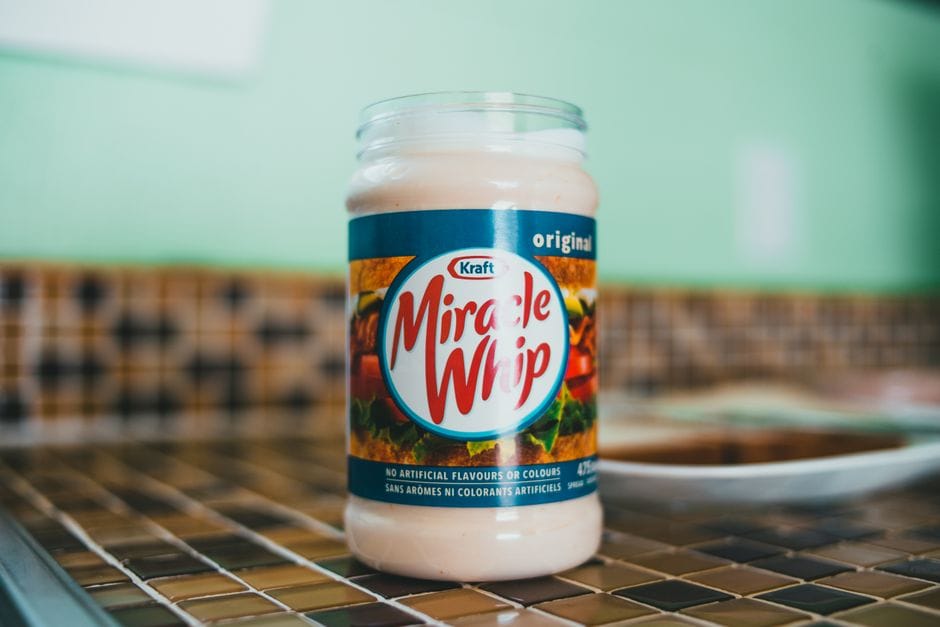
In the United States, the FDA actually defines "mayonnaise" in its standards of identity. A product must contain at least 65 percent vegetable oil and at least one egg-yolk-containing ingredient to carry that name legally. This definition means that every product on a grocery store shelf labeled simply "mayonnaise" contains eggs by law.
Why Is Regular Mayo Not Vegan?
The egg yolk is the dealbreaker. Eggs are an animal product, which makes any food containing them off-limits on a vegan diet. As PETA notes in its guide to vegan condiments, traditional mayonnaise contains eggs, making it unsuitable for people avoiding all animal-derived ingredients.
Beyond the ethical question of consuming eggs, the egg in mayo also comes with cholesterol, which plant-based versions naturally avoid. Some mayo recipes also call for dairy in certain regional variations, but the constant non-vegan ingredient across all standard formulations is the egg.
There is nothing else in classic mayo that would be a concern for vegans. Oil, vinegar, lemon juice, salt, and spices are all plant-derived. It is specifically the egg that makes the product animal-based.
Which Mayo Brands Are Vegan?
Vegan mayo has moved well past the health-food-store niche. Here are the most widely available options:
Hellmann's Plant Based Mayo Hellmann's is the best-known mayo brand in the United States, and their plant-based version is now stocked at nearly every major grocery chain. The ingredients include canola oil, water, modified food starch, distilled vinegar, sugar, salt, lemon juice concentrate, natural flavor, and paprika extract for color. No eggs, no dairy, no cholesterol.
JUST Mayo (Eat Just, Inc.) JUST Mayo uses pea protein as its emulsifier instead of egg. The full ingredient list is expeller-pressed canola oil, water, white distilled vinegar, lemon juice concentrate, modified food starch, pea protein, salt, spice, sugar, and fruit and vegetable juice for color. It is non-GMO, soy-free, and contains no artificial flavors or preservatives.
Follow Your Heart Vegenaise Vergenaise is the original egg-free mayo, first sold in 1977. The Original variety uses expeller-pressed canola and safflower oils, filtered water, brown rice syrup, apple cider vinegar, soy protein, sea salt, mustard flour, and lemon juice concentrate. Follow Your Heart also offers a soy-free version using pea protein, an organic version, and varieties made with avocado oil or grapeseed oil. PETA lists Vegenaise among the top recommended vegan mayo brands.
Sir Kensington's Sir Kensington's vegan range uses aquafaba, which is the liquid from canned chickpeas, as its egg substitute. Aquafaba has a protein and starch composition that mimics the emulsifying properties of egg white with no animal involvement.
Best Foods Vegan (known as Hellmann's outside the US) Best Foods, the West Coast label for the same parent brand as Hellmann's, carries a parallel vegan line with a smooth texture and classic tangy flavor.
How to Spot Vegan Mayo at the Store
Because of the FDA's standard of identity, a plant-based mayo cannot legally call itself "mayonnaise" on the front label. This means vegan versions are sold under names like:
- "Plant Based Mayo"
- "Vegan Dressing and Spread"
- "Egg-Free Mayo"
- "Carefully Crafted Dressing"
To quickly identify a vegan option, follow these steps:
- Check the front label first. Words like "plant-based," "vegan," or "egg-free" will appear prominently on any product marketed to vegan shoppers.
- Scan the ingredient list. You are looking for the absence of egg or egg yolk. Any mention of "egg," "egg yolk," or "whole eggs" makes the product non-vegan.
- Look for a vegan certification seal. Some products carry third-party certification logos that confirm no animal ingredients were used.
- Watch for hidden dairy. A small number of specialty aiolis or flavored mayo-style spreads include cream or buttermilk, so a quick check of the full ingredient list is always worth doing.
In most supermarkets, vegan mayo sits either in the condiments aisle alongside regular mayo or in a natural foods section.
What Do Vegan Mayos Use Instead of Eggs?
The challenge in making vegan mayo is replacing the emulsifying function of egg yolk lecithin. Food scientists and home cooks have found several excellent plant-based solutions:
- Pea protein (used by JUST Mayo) acts as a binder and gives the spread a neutral flavor.
- Soy milk and soy protein contain natural lecithin, the same compound that makes egg yolk such an effective emulsifier, making them a direct functional substitute.
- Aquafaba (chickpea liquid, used by Sir Kensington's) whips up to trap air and emulsify fats in a way that closely mimics egg white behavior.
- Modified food starch from potato or corn adds body and helps maintain a thick, creamy consistency.
- Mustard flour contributes both flavor and mild emulsifying properties, which is why it appears in many plant-based formulations.
The result in all cases is a spread with the same thick, glossy texture as conventional mayo and a flavor profile that most people find very close to the original.
Using Vegan Mayo Every Day
Vegan mayo works as a one-for-one swap in any recipe that calls for regular mayo. Sandwiches, coleslaw, potato salad, pasta salad, aioli, and dipping sauces all come together just as well with a plant-based version.
If you prefer to make your own, The Vegan Society shares a simple recipe using soya milk, vegetable oil, lemon juice, cider vinegar, mustard, and garlic. The soya milk provides the lecithin needed for emulsification, and the oil is added in a slow, thin stream while blending to build the emulsion gradually.
For people cutting out animal products entirely, swapping in a plant-based mayo is one of the easiest changes to make. The products are widely available, reasonably priced, and the taste difference compared to egg-based mayo is minimal.
Frequently asked questions
Is Hellmann's mayo vegan?+
Standard Hellmann's Real Mayonnaise is not vegan because it contains egg yolks. However, Hellmann's makes a separate Plant Based Mayo line that is completely egg-free and vegan. Look for the green plant-based labeling on the jar to tell them apart.
What makes vegan mayo thick and creamy if there are no eggs?+
Vegan mayo gets its texture from plant-based emulsifiers that mimic the role of egg yolk lecithin. Common ones include pea protein, soy protein, aquafaba (chickpea liquid), and modified food starch from potato or corn. These ingredients bind oil and water together to create the same smooth, thick consistency as traditional mayo.
Is mayo labeled 'vegetarian' also vegan?+
Not necessarily. Eggs are acceptable in many vegetarian diets, so a mayo labeled 'vegetarian' can still contain egg yolks. Always look specifically for 'vegan,' 'plant-based,' or 'egg-free' labeling, and confirm by checking the ingredient list.
Does vegan mayo taste different from regular mayo?+
Most people find that high-quality vegan mayos like Hellmann's Plant Based, JUST Mayo, and Vegenaise taste very close to conventional mayo. The texture is nearly identical. Some varieties have a slightly lighter or tangier flavor depending on whether they use pea protein, soy milk, or aquafaba as the base.
Written by
VeganDigest Editorial is the small independent team that researches and fact-checks this site. We are not doctors or dietitians. For every is-it-vegan verdict we read the product's current ingredient list and manufacturer information, and for anything health-related we report guidance from recognized bodies such as the NHS, the Vegan Society, and the Academy of Nutrition and Dietetics rather than offering medical advice. Every page shows the date it was last verified, and our full process is on the How We Verify page.


Comments