Is Sugar Vegan? The Bone Char Question, Explained
In this guide8
- 01So is sugar vegan or not?
- 02What bone char actually is
- 03Cane sugar versus beet sugar
- 04US versus UK and EU: geography decides a lot
- 05Organic and unrefined cane: the easy escape hatch
- 06Which brands are actually bone-char-free
- 07Powdered, brown, and the sugar hiding in everything
- 08How strict should you actually be?
Short answer? Sugar is plant-based, but some American cane sugar is filtered through bone char on its way to bright white. Beet sugar, organic sugar, and most non-US sugar avoid it entirely. Here is how much it should actually bother you.
I spent the better part of a year as a new vegan feeling smug about sugar. Plants make it. Sugarcane is a grass, sugar beets are a root, the whole thing is photosynthesis in a bag.
Then a friend mentioned bone char over dinner, watched my face fall, and I went home and read about it until two in the morning. By the end I was annoyed, then relieved, then mostly just better informed. So let me save you the late night.
Here is the honest version, the one most articles either oversimplify into panic or wave away entirely. Sugar is plant-based. But some of it, specifically some American cane sugar, gets filtered through the charred bones of cattle on its way to becoming that bright white powder.
That is the whole controversy in one sentence, and the rest of this is about how much it should actually bother you.
So is sugar vegan or not?
Mostly yes, with an asterisk that only applies to a slice of what is on the shelf.
Pure sugar, the molecule, is sucrose extracted from a plant. There is no animal ingredient in it, ever. Nobody is putting milk or eggs in your sugar.
If you read a sugar label, it says "sugar," and that sugar came from cane or beets. So on a strict read-the-ingredients basis, sugar passes.
The asterisk is the refining process, not the recipe. To turn raw, brownish cane juice into the pure white crystals people expect, refineries strip out the color. One of the oldest ways to do that is to filter the sugar through bone char.
That is where the animal product sneaks in, not as an ingredient but as a piece of equipment. And because it is processing rather than content, it lands in the gray zone that veganism is full of.
(If you want the quick database verdict on this and a hundred other foods, our Is It Vegan database keeps the short answers in one place.)
What bone char actually is
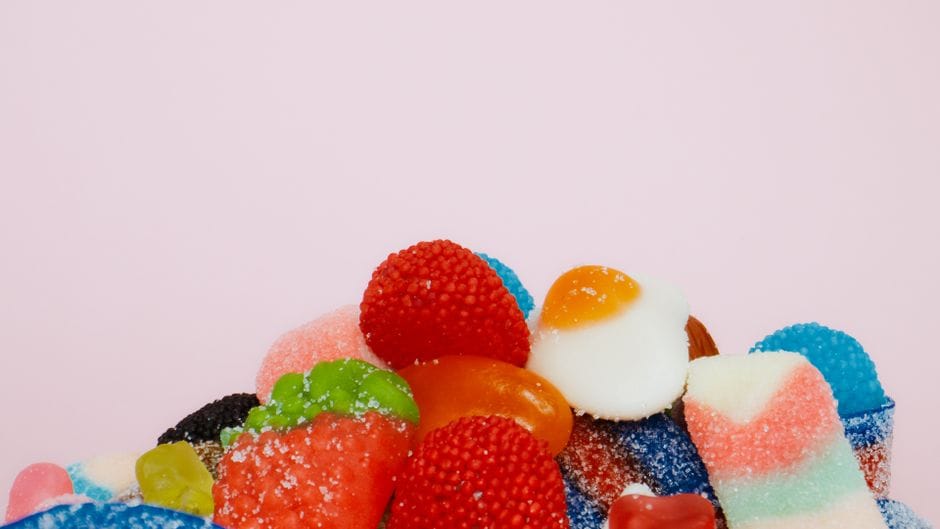 Photo: Tima Miroshnichenko / Pexels
Bone char is exactly what it sounds like, and knowing the details is the whole point of this article.
It is made by taking cattle bones, usually sourced from countries like Brazil, India, Nigeria, and Pakistan, and heating them to extreme temperatures with very little oxygen. What is left is a porous black granular material, sometimes called natural carbon or bone black.
Refineries pack it into large filters, and the raw sugar liquid trickles through. The carbon structure grabs onto color and certain impurities, and what comes out the other side is clearer and closer to white.
Here is the part that genuinely matters and that the panicked articles skip. No bone ends up in your sugar. The bone char never dissolves, never mixes in, never adds a molecule to the final crystals.
It is a filter, the same way a coffee filter does not become part of your coffee. The filtering process itself is the issue for vegans, because an animal had to die to produce the filter, not because animal matter is in the food.
This is why thoughtful vegans genuinely disagree about it. If your veganism is about what you ingest, bone-char sugar is fine, because you are not ingesting anything from an animal. If your veganism is about not participating in animal exploitation as far as is practicable, then a product that relies on slaughterhouse byproducts to exist is harder to wave through.
Both readings are internally consistent. I'll tell you where I land at the end.
Cane sugar versus beet sugar
The single most useful fact in this whole conversation is that bone char only ever touches cane sugar. Never beet.
Sugar comes from two plants. Sugarcane, a tropical grass, and sugar beet, a root that looks like a pale overgrown turnip. The two are refined completely differently.
Beet sugar goes through a process that does not whiten the product with bone char at any stage. So beet sugar is, for practical purposes, always vegan. Full stop.
No further checking required.
Cane sugar is the one that can go either way. Some cane refineries use bone char, some use granular activated carbon made from coal or coconut shells, and some use ion exchange resin systems instead. All three methods whiten the sugar.
Only one of them involves an animal. The frustrating part for shoppers is that a bag labeled simply "sugar" in the United States could be cane or beet, refined by any of those methods, and the label almost never tells you which.
If a US package just says "pure cane sugar," it is cane and therefore worth a second look. If it says "sugar" with no qualifier, it is often beet or a blend, which actually tilts the odds in your favor. Counterintuitive, but true.
US versus UK and EU: geography decides a lot
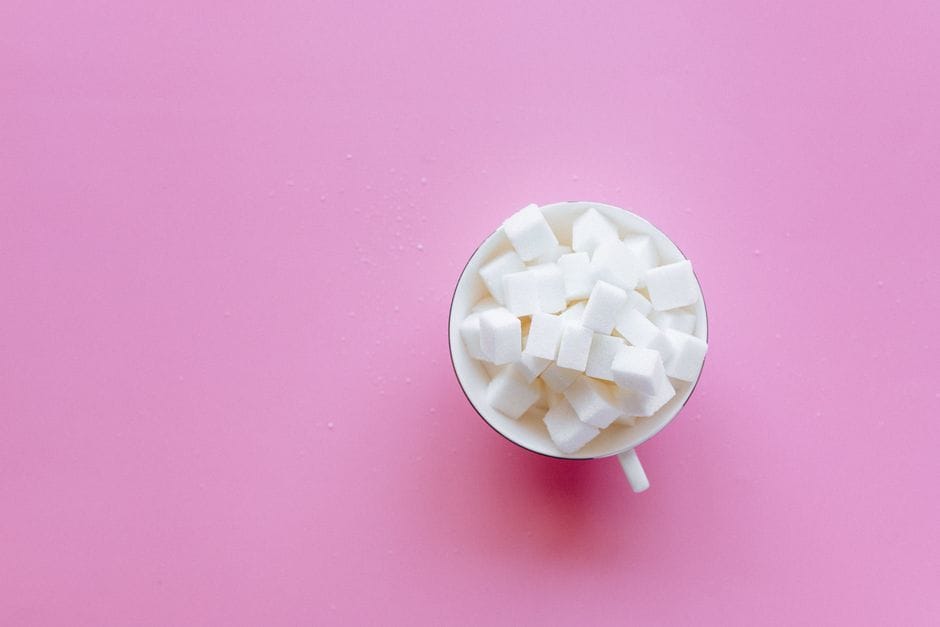 Photo: Nataliya Vaitkevich / Pexels
Where your sugar was refined matters more than almost anything else, and this is the fact that calms most people down.
In the United Kingdom and across the European Union, bone char is essentially not used in sugar refining. The big UK producers run on beet sugar or refine cane without bone char.
So if you live in Britain or continental Europe, your standard supermarket sugar is overwhelmingly vegan-friendly by default, and the bone char question is largely an American problem you have read about online. You can mostly stop worrying.
In the United States, it is genuinely mixed. A meaningful share of conventional white cane sugar still passes through bone char filters, while plenty of other US sugar does not. The American refining landscape is a patchwork.
The same parent company can run one refinery on bone char and another on activated carbon, which is why blanket statements like "Domino is vegan" or "Domino is not vegan" are both wrong. It depends on which plant filled that specific bag.
So the rule of thumb: outside the US, relax. Inside the US, the rest of this article is for you.
Organic and unrefined cane: the easy escape hatch
If reading labels exhausts you, there is a shortcut that works almost every time. Buy organic, or buy unrefined.
USDA Organic standards do not permit bone char filtration, so certified organic cane sugar is reliably bone-char-free. That little green and white seal is doing real work here. It is the laziest, most dependable way to dodge the entire question, and it is why I keep a bag of organic cane sugar in the cupboard and stop thinking about it.
Unrefined and less-refined cane sugars are also safe, because the bone char step exists specifically to make sugar bright white. Turbinado (the kind sold as Sugar In The Raw), demerara, muscovado, and sucanat all keep some of their natural molasses color, which means they were never run through a whitening filter in the first place.
Coconut sugar and date sugar come from entirely different plants and never involve bone char at all. So the browner and more rustic your sugar looks, the safer it almost certainly is.
The honey question runs on this same processing-versus-ingredient logic, and I broke that one down separately in is honey vegan if you want the companion read.
Which brands are actually bone-char-free
Here is where the real homework lives, because brand-level facts change and a lot of old blog posts are out of date. As of 2026, these are the names I trust for confirmed bone-char-free white sugar in the US.
Florida Crystals. Their organic sugar, milled in South Bay, Florida, is bone-char-free, and it is widely stocked, so it is my usual default. One caveat worth knowing: Florida Crystals is owned by ASR, the same parent company as Domino and C&H, so rather than assume the whole brand is safe, I use the lot-code check described below for the conventional bags.
Wholesome. Their organic and fair-trade cane sugars are bone-char-free, and you find them in most natural grocery aisles.
365 by Whole Foods Market. The store brand is bone-char-free across the lineup, which makes a Whole Foods run an easy one-stop fix.
The complicated one is Domino. Domino does not give a single yes-or-no answer, because it depends on which refinery produced the bag.
Their Baltimore plant uses granular activated carbon and ion exchange instead of bone char, and the Yonkers operation dropped bone char back in the 1980s, while other refineries in the network still use it. There is a known trick here: on Domino, Florida Crystals, and C&H packages, a lot number that begins with 1, 4, or 6 indicates the bone-char-free version. C&H on its own, meanwhile, does still use bone char filtration at some facilities, so I would not assume it is safe without checking that lot code.
Brand details drift, so when you are standing in an aisle staring at an unfamiliar bag, our vegan ingredient checker is faster than squinting at a corporate FAQ on your phone.
Powdered, brown, and the sugar hiding in everything
Two quick myths to clear, then the part nobody warns you about.
Powdered sugar (confectioners' or icing sugar) is not a different animal. It is regular granulated sugar ground into a fine dust with a small amount of cornstarch added to stop it clumping. Cornstarch is plant-based.
So powdered sugar is exactly as vegan as the granulated sugar it was made from, no more, no less. Same logic for brown sugar, which is just white sugar with molasses stirred back in for color and that caramel note.
Molasses is a plant byproduct of sugar refining and is vegan on its own. Neither powdered nor brown adds an animal step, so they inherit the base sugar's status.
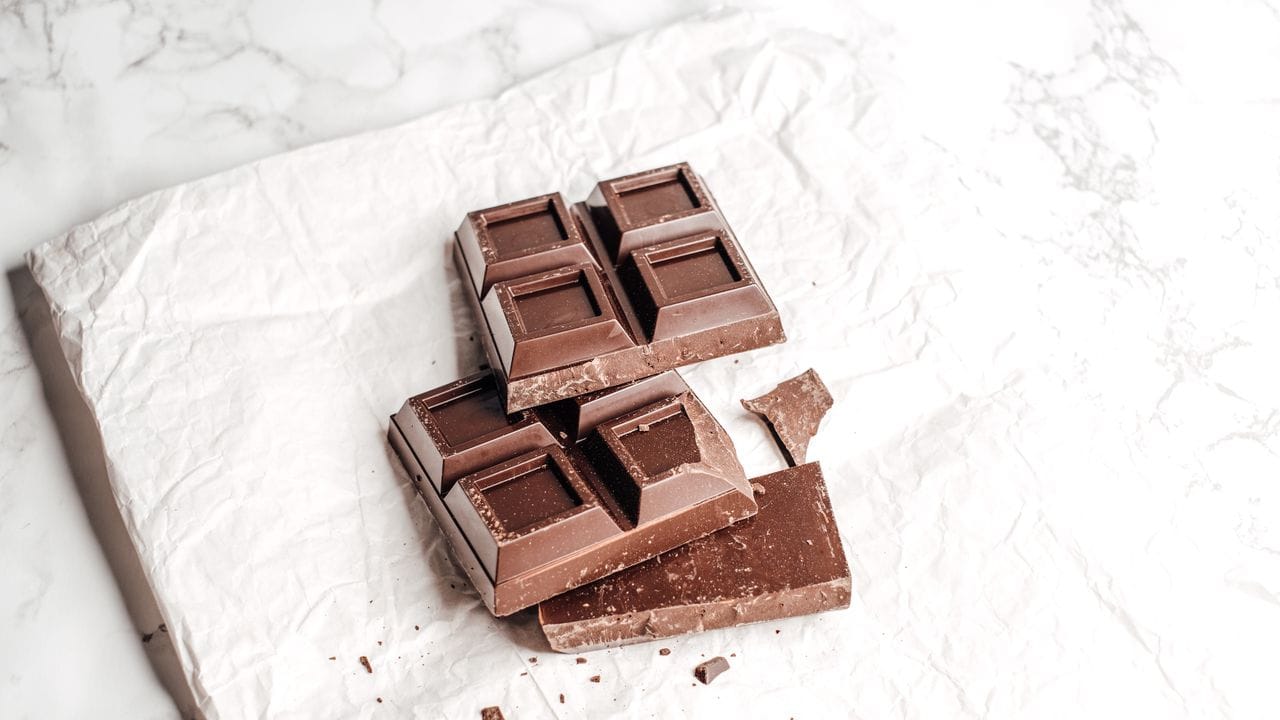
The genuinely sneaky place sugar shows up is in everything you did not make yourself. The cane sugar in a chocolate bar, a cookie, a soda, or a jar of sauce could easily be bone-char-filtered, and no manufacturer lists their sugar's refining method on a label.
This is the same rabbit hole behind is chocolate vegan and a lot of the accidentally vegan snacks like Oreos, where the listed ingredients look clean but the supply chain is murky. You will drive yourself up a wall trying to trace the sugar in every packaged food you eat.
I promise you cannot, and almost nobody does.
How strict should you actually be?
This is the real question, and I am not going to pretend there is one correct answer.
The case for not stressing: bone char puts zero animal matter in your food, it only affects a portion of US cane sugar, and tracing it through every restaurant meal and packaged snack is functionally impossible. The Vegan Society's definition hinges on the phrase "as far as is possible and practicable," and chasing the refining method of every grain of sugar you encounter sits well past practicable for most human beings.
The case for caring: it costs you almost nothing. Buying organic or beet sugar for your own kitchen is a near-effortless swap, and once you have made it, your home baking is sorted without another thought. The low effort is exactly why a lot of vegans bother.
Where I land, after that two a.m. reading session years ago: I buy organic or beet sugar at home because it is easy and it settles my conscience, and I do not interrogate the sugar in a slice of cake at someone's birthday or in a packaged biscuit. That feels like the honest version of "possible and practicable" to me.
You might draw the line tighter or looser, and either is a legitimate, defensible vegan position. The point is to decide on purpose rather than discover years later, over dinner, that you never thought about it at all.
So, the practical takeaway: keep a bag of organic cane sugar or beet sugar at home, treat anything brown and unrefined as automatically fine, relax completely if you live in the UK or EU, and let the sugar in food you did not make slide. That covers ninety-nine percent of real life, and it leaves you free to think about something other than your own kitchen for the rest of the day.
Frequently asked questions
Is sugar vegan?+
Sugar starts out plant-based, so on ingredients alone it's vegan. The complication is bone char, an animal-bone filter that some US cane sugar refineries use to whiten the final product. Beet sugar, organic cane sugar, and most sugar sold in the UK and EU avoid bone char entirely.
What is bone char and does it end up in the sugar?+
Bone char is a porous black powder made from charred cattle bones, used by some refineries as a filter to remove color from cane sugar. No actual bone ends up in the finished sugar. The bones never touch the crystals, they just act as a filter, which is exactly why this question splits vegans.
How can I tell if my sugar is bone-char-free?+
Buy organic cane sugar, beet sugar, or any unrefined cane sugar like turbinado, muscovado, or sucanat, since none of those are filtered through bone char. For conventional white sugar, Wholesome and 365 by Whole Foods (their organic lines) are bone-char-free, as is Florida Crystals organic; and on Domino, Florida Crystals, and C&H bags, a lot number starting with 1, 4, or 6 marks the bone-char-free version.
Are powdered sugar and brown sugar vegan?+
Both inherit the status of the white sugar they're built from. Powdered sugar is just granulated sugar ground with a little cornstarch, and brown sugar is white sugar with molasses added back in. Neither adds an animal ingredient, so if the base sugar is bone-char-free, the powdered and brown versions are too.
Written by
VeganDigest Editorial is the small independent team that researches and fact-checks this site. We are not doctors or dietitians. For every is-it-vegan verdict we read the product's current ingredient list and manufacturer information, and for anything health-related we report guidance from recognized bodies such as the NHS, the Vegan Society, and the Academy of Nutrition and Dietetics rather than offering medical advice. Every page shows the date it was last verified, and our full process is on the How We Verify page.
Comments