Are Gummy Bears Vegan? The Truth About Gelatin, Beeswax, and the Best Plant-Based Swaps
In this guide5
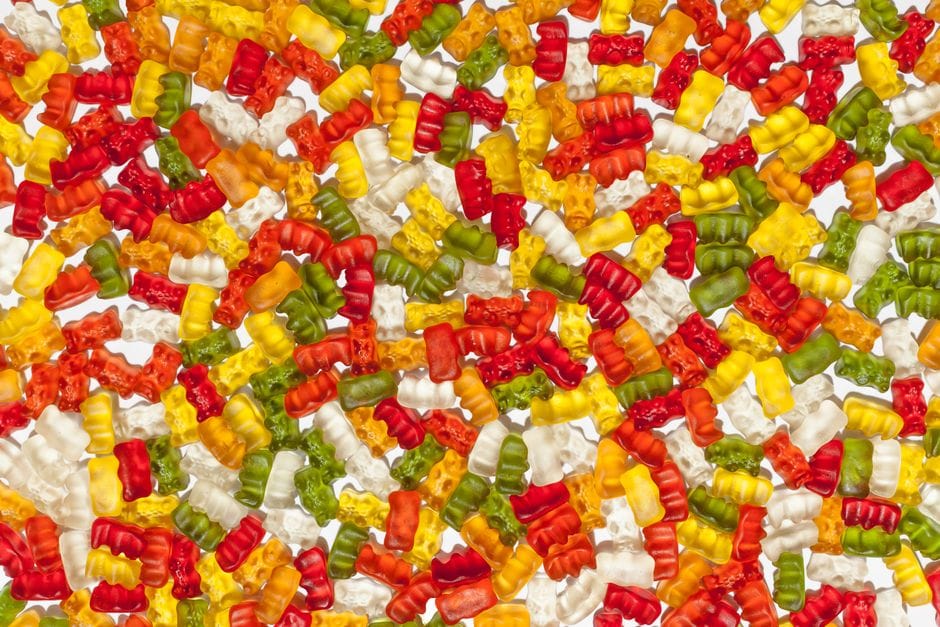
Most gummy bears are not vegan. The classic chewy texture that makes them so appealing comes from gelatin, an ingredient made by boiling the bones, skin, and connective tissue of pigs or cattle. This one ingredient rules out the overwhelming majority of mainstream gummy bears sold today, including the most recognizable brand on the market. The good news is that a growing number of plant-based alternatives use fruit pectin instead, and they taste just as good.
What Makes a Gummy Bear a Gummy Bear
The gummy bear format dates to the 1920s, but the core formula has barely changed. A standard gummy bear is built around a sugar syrup base that gets its signature stretchy, bouncy chew from a gelling agent. In almost every conventional product on the market, that gelling agent is gelatin.
Gelatin is a protein extracted from the collagen found in animal bones, hides, and connective tissue, most often from pigs or cattle. Manufacturers dissolve gelatin in a hot syrup, pour the mixture into bear-shaped molds, and let it set. When cooled, the gelatin chains form a protein network that holds the shape and creates that familiar chew.
Beyond the gelling agent, most gummy bears also receive a finishing coat to prevent them from sticking together in the bag and to give them a glossy shine. This is where a second animal-derived ingredient can appear: beeswax.
Why Most Gummy Bears Are Not Vegan
There are two main animal-derived ingredients to know about.
Gelatin. PETA describes gelatin as "a protein obtained by boiling skin, tendons, ligaments, and/or bones with water," typically from cattle or pigs. It is not vegan or even vegetarian, and it appears in the overwhelming majority of gummy candies on supermarket shelves. Haribo Gold Bears, for example, list gelatin as the third ingredient, right after glucose syrup and sugar.
Beeswax. Many gummy bears also use beeswax as a finishing glaze. The Haribo Gold Bears ingredient label lists both white beeswax and yellow beeswax. Beeswax is secreted by honeybees and is not considered vegan under most definitions, including The Vegan Society's standard, which excludes all animal exploitation. Some manufacturers use carnauba wax instead, which is harvested from the leaves of a Brazilian palm tree and is fully plant-derived. When you see only carnauba wax on a label, that coating is vegan-friendly. When you see beeswax, it is not.
Beyond these two, some gummies use carmine, a red dye made from crushed cochineal insects, for color. While it does not appear in standard Haribo Gold Bears (which use synthetic dyes instead), it is worth watching for in specialty or "natural color" products.
The bottom line is that conventional gummy bears from mainstream brands fail the vegan test primarily because of gelatin, and often because of beeswax on top of that.
Which Gummy Bears Are Actually Vegan
The key shift to look for is pectin in place of gelatin. Pectin is a naturally occurring fiber found in the cell walls of fruits, most commonly extracted from citrus peels and apple skins left over from juice production. It creates a firmer, cleaner bite compared to the stretchy pull of gelatin, but the result is a satisfying gummy that holds its shape well.
A few brands worth knowing:
Surf Sweets Organic Fruity Bears. Surf Sweets (now part of the Wholesome brand family) is one of the most widely available confirmed-vegan gummy bear options in the United States. Their Fruity Bears use organic pectin as the gelling agent and carry a vegan certification. You can find them at Whole Foods, Target, and many natural grocery stores.
Smart Sweets. Smart Sweets produces a range of plant-based candies including Berry Bears and Wild Berries, using pectin and soluble fiber in place of gelatin. The brand is transparent on its FAQ page that only two products in the lineup (gummy worms and sour gummy worms) contain gelatin and are not plant-based. Everything else is listed as vegan-friendly.
A note on YumEarth. YumEarth is a brand that frequently appears in health food aisles alongside vegan-friendly products, so it is easy to assume their gummy bears are safe. They are not. YumEarth Assorted Flavor Gummy Bears list gelatin (pork-based) as the third ingredient. The brand does offer a pectin-based alternative under their Organic Fruit Snacks line, but if you are reaching for their classic gummy bears, check the label carefully before buying.
How to Spot Vegan Gummy Bears on Any Label
You do not need to memorize every brand. A quick scan of the ingredients panel tells you what you need to know.
Red flags (not vegan):
- Gelatin (listed simply as "gelatin" in the US; as E441 in the UK and EU)
- Beeswax or white/yellow beeswax (E901 in the EU)
- Carmine, cochineal, or E120 (insect-derived red dye)
- Shellac or confectioner's glaze (E904, made from lac insect resin)
Green flags (vegan-compatible):
- Pectin (from citrus or apple)
- Agar or agar-agar (from seaweed)
- Carrageenan (from red algae)
- Carnauba wax (from palm leaves, not from bees)
The fastest shortcut is to look for a certified vegan logo on the front of the package. The "Certified Vegan" mark from Vegan Action and the Vegan Society's sunflower trademark both indicate third-party verification of the full ingredient list. If neither logo appears, go straight to the ingredients.
One additional thing to watch: some brands label products as "vegetarian" without being vegan. Vegetarian products may still contain gelatin derived from animal byproducts, since not all vegetarians avoid gelatin. "Vegan" and "plant-based" on the label are the terms to look for.
The Pectin Alternative: What to Expect
If you have only ever eaten gelatin-based gummy bears, pectin-based ones feel a little different. The chew is shorter and firmer. Gelatin gummies stretch and spring back; pectin gummies break clean and dissolve a bit more quickly. Most people adjust immediately, and many prefer the pectin texture once they stop expecting the gelatin bounce.
Pectin-based gummies also tend to hold their shape better in warm conditions. Gelatin can soften and melt at higher temperatures, which is why gelatin gummies sometimes clump in a hot car. Pectin sets at a higher temperature and stays firm.
From a culinary standpoint, pectin gummies often carry fruit flavor more cleanly, because pectin is itself derived from fruit and blends naturally with fruit juice concentrates used for color and flavor. This is part of why many plant-based gummy brands emphasize real fruit juice on their labels.
For home cooks, it is also straightforward to make gummy bears from scratch using pectin or agar-agar. Agar sets firmer than pectin and can produce a slightly more opaque result, but both work well in standard silicone bear molds. The basic formula is a fruit juice base, a sweetener, and the gelling agent dissolved in hot liquid and poured into molds to set.
Frequently asked questions
Are Haribo gummy bears vegan?+
No. Haribo Gold Bears contain gelatin as their third ingredient, plus white and yellow beeswax in the finishing coat. Both are animal-derived. Haribo does not currently produce a vegan version of their Gold Bears for the US market.
Are YumEarth gummy bears vegan?+
No. YumEarth Assorted Flavor Gummy Bears contain pork-based gelatin. The brand is often assumed to be fully vegan because of its organic and allergy-friendly positioning, but the standard gummy bear product is not vegan. Their Organic Fruit Snacks line uses pectin and is a better option for vegans.
What can I use instead of gelatin to make vegan gummy bears at home?+
Pectin and agar-agar are the two most common substitutes. Pectin comes from citrus or apple peel and produces a firm, fruit-forward gummy with a clean bite. Agar-agar comes from seaweed and sets slightly firmer and more opaque. Both are widely available in grocery stores and work in standard silicone gummy bear molds.
Is carnauba wax in gummy bears vegan?+
Yes. Carnauba wax is harvested from the leaves of a Brazilian palm tree and involves no animal products or exploitation. It is considered vegan by The Vegan Society and most vegan organizations. It is used as a finishing coat to add shine and prevent sticking. Beeswax, by contrast, is not vegan, so the distinction on the label matters.
Written by
VeganDigest Editorial is the small independent team that researches and fact-checks this site. We are not doctors or dietitians. For every is-it-vegan verdict we read the product's current ingredient list and manufacturer information, and for anything health-related we report guidance from recognized bodies such as the NHS, the Vegan Society, and the Academy of Nutrition and Dietetics rather than offering medical advice. Every page shows the date it was last verified, and our full process is on the How We Verify page.
Comments