Easy Vegan Chia Pudding (No-Cook, Any Plant Milk)
 Jump to recipe ↓
 In this guide5
Vegan chia pudding is one of the most practical things you can make: four ingredients, five minutes of actual work, and breakfast or dessert is waiting in the fridge. The magic is in the ratio. Get that right and you have a thick, creamy pudding with no cooking required. Get it wrong and you end up with either soup or a brick. This guide walks you through the tested method, the best plant milks to use, and five variations so you never make the same jar twice.
Why Chia Pudding Works (and Why It Sometimes Fails)
Chia seeds are loaded with soluble fiber and absorb up to ten times their weight in liquid. When soaked in plant milk, they form a gel that mimics the thick, spoonable texture of a dairy-based pudding with no heat and no thickeners needed.
The two failure modes are both ratio problems. Too little liquid gives you a stiff, gluey mass that is hard to eat. Too much liquid and the seeds never fully thicken, leaving a watery bowl with seeds floating in it. The sweet spot confirmed across multiple tested recipes is 3 tablespoons of chia seeds to 3/4 cup (180ml) of plant milk per single serving. That is a 1:4 ratio by tablespoon, or roughly 1 tablespoon of seeds for every 1/4 cup of milk.
The second failure mode is clumping. If you stir once and walk away, the seeds will cluster together and some will stay dry in the center. The fix is simple: stir well immediately after mixing, wait five to ten minutes, then stir again before refrigerating. That second stir breaks up the clusters before they have a chance to set.
Choosing Your Plant Milk
Any plant milk works, but the choice shapes the final texture and flavor more than almost any other variable.
Coconut milk (canned, full-fat): Produces the thickest, richest result, almost mousse-like. Best for dessert-style puddings or tropical variations. Use the lite version if you want something lighter.
Coconut milk (carton): Lighter than canned but still gives a mild coconut flavor and a creamy set. A good middle ground.
Oat milk: Naturally a little sweet and neutral in flavor. Blends well with any variation. The texture is smooth and approachable, making it the most versatile choice.
Soy milk: Highest in protein, which pairs well with the protein in chia seeds. The flavor is very neutral. A good pick if you are making this as a post-workout breakfast.
Almond milk: The lightest and least calorie-dense option. The pudding sets a little thinner than with creamier milks, so consider blending in a tablespoon of nut butter or a splash of canned coconut milk to compensate.
Cashew milk: Creamy and mild, similar to oat milk in versatility. Works well if you want a neutral base that does not compete with toppings.
Whatever you choose, unsweetened milk gives you more control over the final sweetness level.
Method Tips for a Perfect Set
The method is short, but a few details make the difference between a pudding you are proud to serve and one that goes wrong.
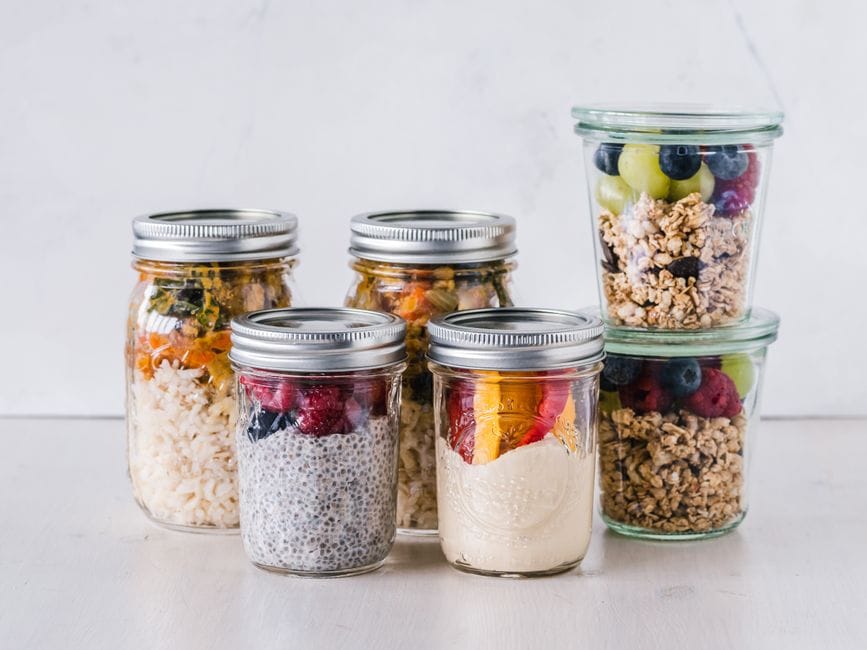
Use a jar or lidded container. A jar lets you shake the mixture to recombine if it separates, and the lid makes refrigerator storage straightforward.
Sweeten before chilling, not after. Maple syrup or agave mixes into cold liquid more easily than it mixes into a gel. Add it at the start so it distributes evenly.
Add vanilla if you want it. A small amount of alcohol-free vanilla extract (1/4 to 1/2 teaspoon per serving) gives the base a warmth that makes every variation taste more complete. It is optional but recommended.
The double-stir is non-negotiable for clump-free pudding. Stir or whisk right after combining everything, then walk away for five to ten minutes and stir again. After that second stir, cover and refrigerate.
Minimum time is two hours, overnight is better. Two hours in the fridge gives you a set pudding. Overnight gives you a fully developed texture with no loose liquid pooling at the bottom. If you are making it for breakfast, simply mix it the night before.
If it is too thick in the morning, stir in a splash of plant milk until it loosens to the consistency you want. If it is too thin, add another half tablespoon of chia seeds and give it another hour.
Five Flavor Variations
The base recipe is deliberately neutral so that it takes well to flavors. Here are five variations that work reliably.
Chocolate: Whisk 1 tablespoon of unsweetened cocoa powder or raw cacao powder into the milk before adding the chia seeds. Forming a paste first prevents bitter lumps. Add an extra pinch of sweetener to balance the cocoa.
Matcha: Whisk 1 teaspoon of culinary-grade matcha into the milk before adding seeds. The earthy, slightly bitter flavor of matcha pairs especially well with oat milk or coconut milk.
Berry: Blend 1/2 cup of frozen or fresh strawberries, blueberries, or raspberries with the plant milk before mixing in the seeds. The fruit thickens the liquid slightly and turns the pudding a vivid color.
Peanut Butter: Stir 1 tablespoon of smooth peanut butter or almond butter into the milk before adding seeds. This also adds protein and makes the pudding noticeably more filling. Pairs well with a drizzle of maple syrup on top.
Tropical Coconut Mango: Use canned lite coconut milk as the base, add 1/2 teaspoon of alcohol-free vanilla extract, and top the set pudding with diced fresh mango and a squeeze of lime. Simple and striking.
Serving and Storage
Chia pudding is most commonly eaten as a breakfast or light dessert, but it holds up well in a variety of contexts.
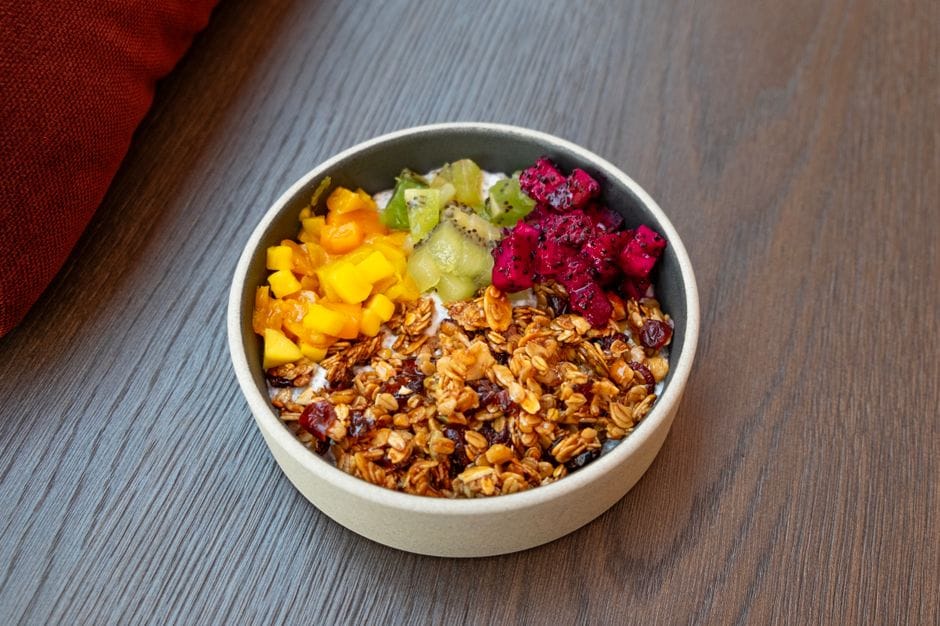
Topping ideas: Fresh fruit (berries, banana slices, mango), toasted granola, a drizzle of nut butter, shredded coconut, pumpkin seeds, cacao nibs, or a dusting of cinnamon. Adding toppings right before eating keeps them from getting soggy.
Batch cooking: The recipe scales easily. Make four to five jars on Sunday and have breakfast ready for the week. Use the same ratio: 3 tablespoons seeds to 3/4 cup milk per jar.
Storage: Covered tightly in the refrigerator, chia pudding keeps well for up to five days. The texture does not deteriorate much over that time, though the pudding may thicken further. Just stir in a little extra plant milk before eating if needed.
Freezing: Portion into freezer-safe containers and freeze for up to one month. Thaw overnight in the refrigerator. The texture is slightly softer after freezing but still enjoyable.
The recipe
Easy Vegan Chia Pudding
Prep
5 min
Total
5 min
Makes
2 servings
Ingredients
- 6 tablespoons chia seeds
- 1.5 cups (360ml) unsweetened plant milk (oat, soy, almond, or coconut)
- 2 tablespoons pure maple syrup or agave syrup (adjust to taste)
- 1/2 teaspoon alcohol-free vanilla extract (optional)
- Pinch of fine sea salt
Instructions
- 1 Add the plant milk, maple syrup, vanilla extract, and salt to a jar or bowl and whisk briefly to combine.
- 2 Add the chia seeds and stir well with a spoon or small whisk for about 30 seconds to distribute the seeds evenly.
- 3 Let the mixture sit uncovered at room temperature for 5 to 10 minutes.
- 4 Stir again thoroughly to break up any clumps that have started to form. This second stir is the key step for an even, lump-free texture.
- 5 Cover the jar or bowl and refrigerate for at least 2 hours, or overnight for best results.
- 6 Before serving, give the pudding a good stir. If it is thicker than you like, stir in a splash of extra plant milk. If it is thinner than you like, stir in an extra 1/2 tablespoon of chia seeds and refrigerate for another 30 to 60 minutes.
- 7 Spoon into bowls or serve straight from the jar, topped with fresh fruit, granola, or nut butter as desired.
Notes
- ·The base ratio is 3 tablespoons chia seeds to 3/4 cup plant milk per serving. Scale up or down as needed.
- ·For a chocolate version, whisk 1 tablespoon of cocoa powder into the milk before adding the chia seeds.
- ·For a matcha version, whisk 1 teaspoon of culinary-grade matcha into the milk before adding the chia seeds.
- ·Canned full-fat coconut milk produces the thickest, richest pudding. Carton plant milks produce a lighter result.
- ·Pudding keeps covered in the refrigerator for up to 5 days. Stir in extra plant milk before serving if it has thickened too much.
Calories
210
Protein
7g
Fat
10g
Carbs
24g
Frequently asked questions
What is the best plant milk for vegan chia pudding?+
Oat milk is the most versatile choice because its mild, naturally sweet flavor works with any variation. Canned coconut milk produces the creamiest, thickest result. Soy milk adds the most protein. Almond milk works but produces a slightly thinner pudding, so consider blending in a tablespoon of nut butter to add creaminess.
My chia pudding is still liquid after refrigerating. What went wrong?+
The most common cause is old chia seeds that have lost their ability to absorb liquid fully. Check the expiration date on your bag. The second cause is too much liquid relative to seeds. Stir in another tablespoon of chia seeds, cover, and refrigerate for another hour. The ratio to aim for is 3 tablespoons of chia seeds per 3/4 cup of plant milk.
Can I make vegan chia pudding the same day instead of overnight?+
Yes. The minimum refrigeration time for a set pudding is about 2 hours. Overnight (6 to 8 hours) gives a better texture with no excess liquid, but a 2-hour pudding is perfectly acceptable if you are in a hurry. You can also speed things up slightly by using slightly warmed plant milk, which helps the seeds absorb liquid faster.
How long does vegan chia pudding last in the fridge?+
Up to 5 days in a covered container. The texture holds well over that time and may actually improve on day two as the seeds continue to absorb liquid. If the pudding thickens too much by day four or five, simply stir in a splash of plant milk before eating.
Written by
VeganDigest Editorial is the small independent team that researches and fact-checks this site. We are not doctors or dietitians. For every is-it-vegan verdict we read the product's current ingredient list and manufacturer information, and for anything health-related we report guidance from recognized bodies such as the NHS, the Vegan Society, and the Academy of Nutrition and Dietetics rather than offering medical advice. Every page shows the date it was last verified, and our full process is on the How We Verify page.

Comments