Chewy Vegan Chocolate Chip Cookies (No Eggs, No Dairy)

 Jump to recipe ↓
 In this guide5
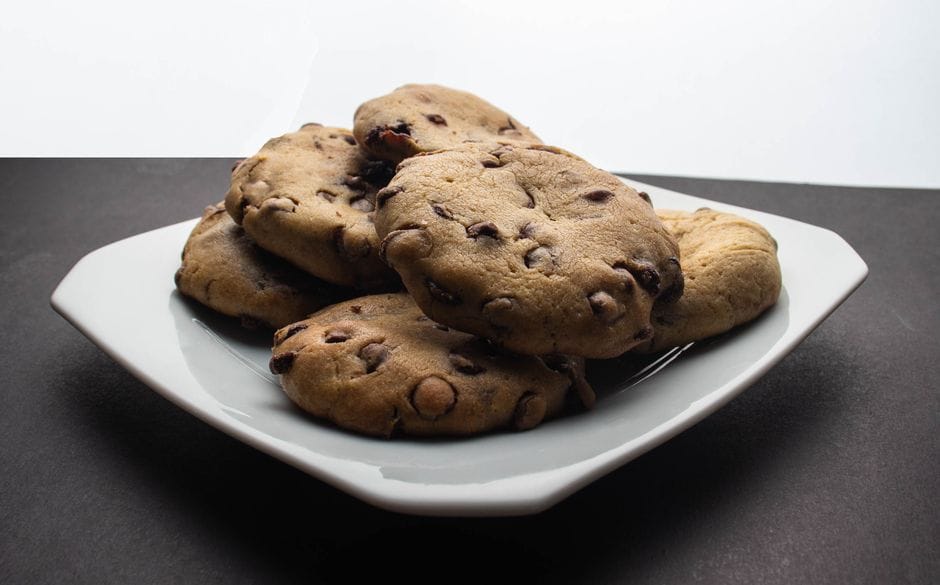
These vegan chocolate chip cookies are thick, golden at the edges, gooey in the middle, and every bit as satisfying as the dairy version you grew up eating. The secret is a simple flax egg plus the right ratio of brown sugar to white sugar, which together deliver that signature chew without a single drop of dairy or an egg in sight.
This guide walks through the method that actually works: why each ingredient earns its place, where most vegan cookie recipes go wrong (hint: it is almost always overbaking), and how to get bakery-style results from your home oven on the first try.
Why This Recipe Actually Works
Most vegan cookie failures come from one of three sources: the wrong fat, the wrong sweetener ratio, or pulling the cookies too late from the oven.
Vegan butter is the foundation here. Unlike coconut oil, which solidifies differently and leaves a distinct flavor, a good stick-style vegan butter (Miyoko's, Earth Balance sticks, or Violife) behaves almost identically to dairy butter when creamed with sugar. It creates air pockets that give the cookies lift, and it carries flavor through the whole dough.
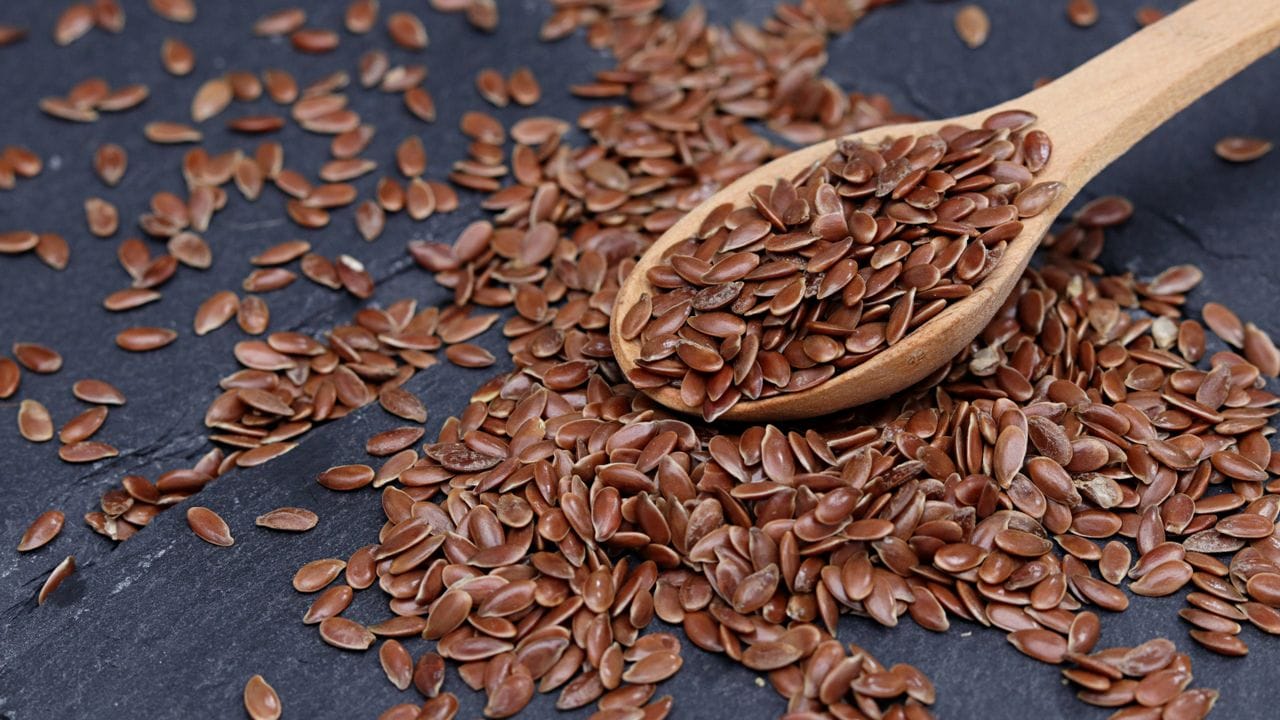
The flax egg does the binding work that a chicken egg would normally handle. One tablespoon of ground flaxseed mixed with two and a half tablespoons of water, left to gel for five minutes, produces a sticky, slightly viscous mixture that holds the dough together and contributes to a chewy bite when baked.
Cornstarch is the quiet hero. Just two teaspoons worked into the flour tenderizes the crumb and keeps the centers soft for days, not hours. This is a technique borrowed from shortbread baking and it works beautifully in drop cookies.
Finally, the overbaking trap: vegan cookies look underdone when they are actually done. The centers will appear soft and almost raw at the 10 to 11 minute mark. That is exactly when you pull them. Residual heat from the pan finishes the job, and the cookies firm to a perfect chewy texture as they cool.
Key Ingredients and What They Do
Vegan butter (softened, stick-style): Stick-format vegan butter has a lower water content than tub spreads, so it creams properly and helps cookies spread to the right thickness. Tub spreads can make cookies greasy or flat.
Light brown sugar (the majority): Brown sugar contains molasses, which is hygroscopic, meaning it holds onto moisture. More brown sugar means a softer, chewier cookie that stays chewy for days. Using mostly brown sugar with a smaller amount of white sugar is the ratio that most tested vegan cookie recipes converge on.
White sugar (a smaller portion): White sugar promotes spread and helps the edges crisp up slightly, giving you that contrast between a crisp rim and a soft center.
Ground flaxseed plus water: This is your egg replacement. The flaxseed gel binds the dough and adds a very mild nutty flavor that disappears entirely in the baked cookie. Let it sit at least five minutes before using.
Cornstarch: Two teaspoons added directly to the flour creates a more tender, chewy crumb. Do not skip it.
Baking soda: Provides lift and browning. Use fresh baking soda for the best rise.
Vegan chocolate chips: Semi-sweet chips from brands like Enjoy Life, Hu, or Pascha are naturally dairy-free. Alternatively, roughly chopped dark chocolate (65 to 75 percent cacao) creates melty pools of chocolate that distribute more evenly through each bite.
Vanilla extract (alcohol-free): Use an alcohol-free vanilla extract or a pure vanilla bean paste to keep the recipe halal-compliant.
Method Tips for the Chewiest Result
Cream the butter and sugar properly. Beat softened vegan butter with both sugars for a full one to two minutes. You want the mixture to lighten in color and look fluffy. This step builds texture and is worth not rushing.
Do not overwork the dough after adding flour. Once the flour goes in, mix only until no dry streaks remain. Overdeveloping the gluten makes cookies tough rather than chewy.
Use a cookie scoop or two tablespoons per ball. Consistent sizing means consistent baking. Dough balls should be round and not flattened before going into the oven.
Bake at 350 degrees F (175 degrees C) on a parchment-lined sheet. A light-colored or aluminum pan bakes cookies more evenly than dark pans, which can cause over-browning on the bottom.
Pull them early. The single most important tip: remove the cookies when the edges are just set and barely golden but the centers still look underdone, around 10 to 12 minutes depending on your oven. They will look too soft. Leave them on the hot pan for five minutes before moving them to a rack. This carry-over cooking finishes the job.
Optional chilling: If you have time, refrigerate the shaped dough balls for at least 30 minutes (or up to 48 hours). Chilling concentrates the flavors and produces slightly thicker, more complex cookies. It is not required for a good result, but it is worth it when you plan ahead.
Variations to Try
Salted chocolate: Press a few flakes of flaky sea salt onto each dough ball right before baking. The salt amplifies the chocolate flavor and adds a satisfying contrast.
Double chocolate: Replace two tablespoons of the flour with two tablespoons of unsweetened cocoa powder to make a chocolate dough, then load it with chocolate chips for a deeply fudgy cookie.
Walnut chocolate chip: Fold in half a cup of chopped walnuts along with the chocolate chips. Walnuts add a slight bitterness and crunch that works very well with the sweet dough.
Gluten-free version: Substitute the all-purpose flour with a 1:1 gluten-free baking flour blend (one that contains xanthan gum). The texture will be slightly denser but still chewy and delicious.
Smaller batch: This recipe scales down cleanly. Halve all ingredients for about 12 smaller cookies, which is ideal for a weeknight treat without a full batch on your counter.
Serving and Storage
Vegan chocolate chip cookies are at their absolute best slightly warm, about 15 to 20 minutes out of the oven when the chocolate is still melty. Pair them with a cold glass of oat milk or almond milk for the full effect.
Room temperature: Store in a covered container at room temperature for three to four days. Placing a small piece of bread in the container helps keep the cookies soft by regulating moisture.
Freezing baked cookies: Let them cool completely, then freeze in a single layer on a parchment-lined tray before transferring to a zip bag. They keep well for up to three months and thaw at room temperature in about 20 minutes.
Freezing dough: Scoop the raw dough into balls, freeze on a tray until solid, then transfer to a freezer bag. Bake from frozen by adding two to three minutes to the bake time. This is the best way to have fresh-baked cookies on demand.
The recipe
Chewy Vegan Chocolate Chip Cookies
Prep
10 min
Cook
11 min
Makes
Makes 20 to 24 cookies
Ingredients
- 1 tablespoon ground flaxseed
- 2.5 tablespoons water
- 1/2 cup (113g) vegan butter, softened to room temperature (stick-style, not tub)
- 1 1/4 cups (250g) packed light brown sugar
- 1/4 cup (50g) white granulated sugar
- 2 teaspoons alcohol-free vanilla extract
- 1 1/2 cups (190g) all-purpose flour
- 2 teaspoons cornstarch
- 1 teaspoon baking soda
- 1/4 teaspoon fine sea salt
- 1 cup (170g) vegan chocolate chips or roughly chopped dark chocolate (65 to 75 percent cacao)
Instructions
- 1 Make the flax egg: stir ground flaxseed and water together in a small bowl and set aside for at least 5 minutes until thickened and gel-like.
- 2 Preheat your oven to 350 degrees F (175 degrees C). Line two large baking sheets with parchment paper.
- 3 In a large bowl, beat softened vegan butter, brown sugar, and white sugar together with a hand mixer or stand mixer on medium speed for 1 to 2 minutes, until the mixture is light, fluffy, and slightly paler in color.
- 4 Add the flax egg and vanilla extract to the butter-sugar mixture and mix on low speed until fully combined.
- 5 Add the flour, cornstarch, baking soda, and salt directly on top of the wet mixture. Mix on low speed until just combined and no dry streaks remain. Do not overmix.
- 6 Fold in the chocolate chips or chopped chocolate with a spatula or wooden spoon.
- 7 Scoop the dough into balls of about 1.5 to 2 tablespoons each (a #40 cookie scoop works well). Place them on the prepared baking sheets, spacing about 2 inches apart. Do not flatten.
- 8 Bake for 10 to 12 minutes, until the edges are just set and very lightly golden but the centers still look underdone and soft. This is correct.
- 9 Remove from the oven and let the cookies sit on the hot baking sheet for 5 minutes without moving them. They will firm up as they cool.
- 10 Transfer to a wire rack and let cool for another 5 to 10 minutes before eating. They continue to set as they cool.
Notes
- ·Use stick-style vegan butter, not tub spreads. Brands like Miyoko's Creamery, Earth Balance Buttery Sticks, or Violife all work well. Tub spreads have higher water content and can produce flat or greasy cookies.
- ·Do not overbake. The most common mistake with vegan cookies is leaving them in too long. They look underdone when they are done. The 5-minute rest on the hot pan finishes the baking.
- ·For thicker, more flavorful cookies, refrigerate the shaped dough balls for 30 minutes to 48 hours before baking.
- ·Chopped dark chocolate instead of chips creates irregular melty pools throughout the cookie and is worth trying.
- ·To keep fresh longer, store with a small piece of bread in the container to maintain moisture. Cookies keep 3 to 4 days at room temperature.
- ·Freeze raw dough balls for up to 3 months. Bake from frozen at 350 degrees F for 12 to 14 minutes.
Calories
165
Protein
2g
Fat
8g
Carbs
22g
Frequently asked questions
What is the best vegan butter for chocolate chip cookies?+
Stick-style vegan butters work best because they have a lower water content than tub spreads, so they cream properly and help cookies spread to the right thickness. Miyoko's Creamery Cultured Vegan Butter, Earth Balance Buttery Sticks, and Violife Planet Butter are all reliable options. Avoid tub-style spreads, which can make cookies greasy or flat.
Can I make these without a flax egg?+
Yes. A few options work well here. Use 3 to 4 tablespoons of unsweetened applesauce, 3 to 4 tablespoons of plain unsweetened dairy-free yogurt, or a commercial egg replacer such as Bob's Red Mill Egg Replacer following the package directions. Each option changes the texture slightly but all produce a good chewy cookie.
Why are my vegan cookies flat or greasy?+
The most likely culprit is tub-style vegan butter or margarine. Tub spreads contain more water and emulsifiers than stick-style vegan butter, which causes cookies to spread too much and turn greasy. Switch to stick-style vegan butter and make sure it is softened but not melted. Also check that your baking soda is fresh, as old baking soda will not give proper lift.
How do I keep vegan chocolate chip cookies chewy for days?+
The high ratio of brown sugar to white sugar already helps enormously, since brown sugar holds moisture better than white sugar. Store the cooled cookies in an airtight container at room temperature with a small piece of bread inside. The bread releases moisture slowly, keeping the cookies soft. They stay chewy for three to four days this way.
Written by
VeganDigest Editorial is the small independent team that researches and fact-checks this site. We are not doctors or dietitians. For every is-it-vegan verdict we read the product's current ingredient list and manufacturer information, and for anything health-related we report guidance from recognized bodies such as the NHS, the Vegan Society, and the Academy of Nutrition and Dietetics rather than offering medical advice. Every page shows the date it was last verified, and our full process is on the How We Verify page.
Comments