Vegan Butter: A Real From-Scratch Recipe (Plus What to Look for in Store-Bought)
- Nut-free
In this guide6
The first batch of vegan butter I made looked like something dug out of a crime scene. Grayish. Lumpy.
Definitely not the creamy yellow slab I was picturing. I'd used the wrong coconut oil (virgin, with full tropical ambitions) and cold milk straight from the fridge, and I'd blended it for about twelve seconds.
I threw it away, started over, and figured it out. Now I make a batch every couple of weeks. It costs about a dollar fifty and takes ten minutes, and it tastes like actual butter.
Jump to recipe if you're already sold.
First, a hard truth: regular butter is never vegan
This sounds obvious but it trips people up. Butter is churned cream, which is a dairy product derived from cow's milk. That's the whole thing. There's no processing technique or loophole that makes conventional butter plant-based.
Ghee? Clarified butter? Cultured butter?
All dairy. All off the table.
I mention this because I've had people ask me if "grass-fed" butter counts. It doesn't. Or if imported French butter might somehow be different.
It's not. The word "butter" means dairy. Full stop.
For a broader look at sneaky animal ingredients, the is it vegan? section on this site is a good starting point.
What you actually need for homemade vegan butter
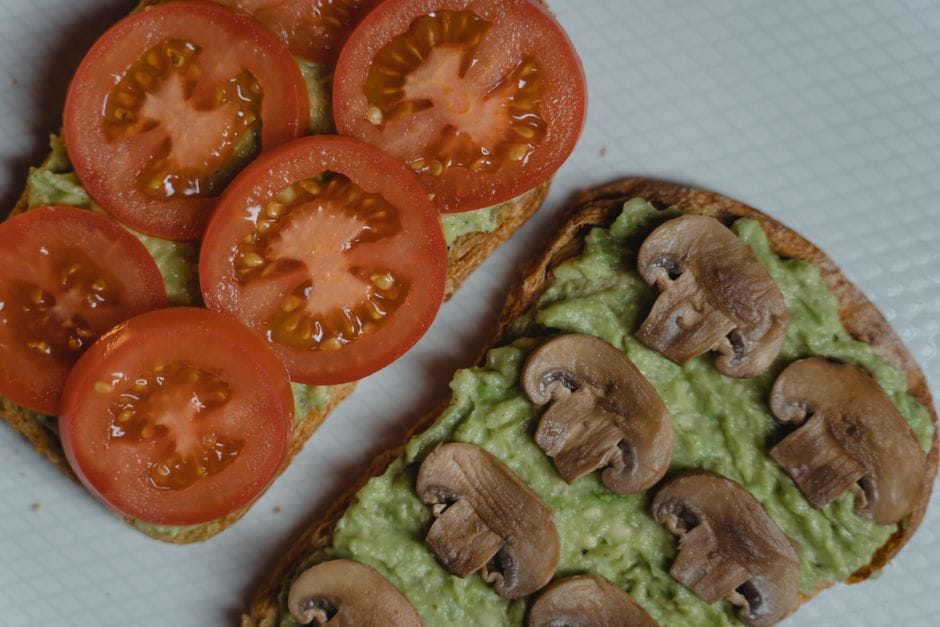 Photo: Tima Miroshnichenko / Pexels
Here's my hot take: most vegan butter recipes overcomplicate this. You don't need xanthan gum, you don't need cashew cream, you don't need six specialty ingredients. You need fat, a little liquid, acid, and salt.
The non-negotiables in my recipe:
Refined coconut oil. This is the base and the thing that makes butter solid at room temperature. Use refined, not virgin. Virgin coconut oil tastes like you're spreading a pina colada on your toast.
Refined is neutral. This matters a lot.
A neutral liquid oil. Sunflower or light avocado oil keeps the butter spreadable straight from the fridge instead of rock-hard. Pure coconut oil alone is too firm until it warms up.
Plant milk with acid. A splash of soy or oat milk, curdled for a minute with apple cider vinegar or lemon juice, gives you a faux buttermilk situation. This is where most of the flavor comes from. Skip it and you'll notice.
Salt. Go generous. Unsalted butter exists but salted butter is better and you know it.
Soy lecithin is optional but recommended. It's an emulsifier, and it keeps your butter looking smooth and consistent rather than slightly marbled. You can find it at most health food stores or online.
How to make it (without messing it up like I did)
The full measurements are in the recipe card below. But here are the two rules that matter:
-
Warm everything up. The coconut oil should be just melted, and the plant milk should be at room temperature. Cold milk hits warm oil and things separate instantly.
-
Blend it properly. You want the whole thing emulsified, not just stirred together. A regular blender on high for a full minute does the job. An immersion blender in a tall jar works too.
Pour it into a mold or small container, refrigerate for two hours, done.
Does it bake well?
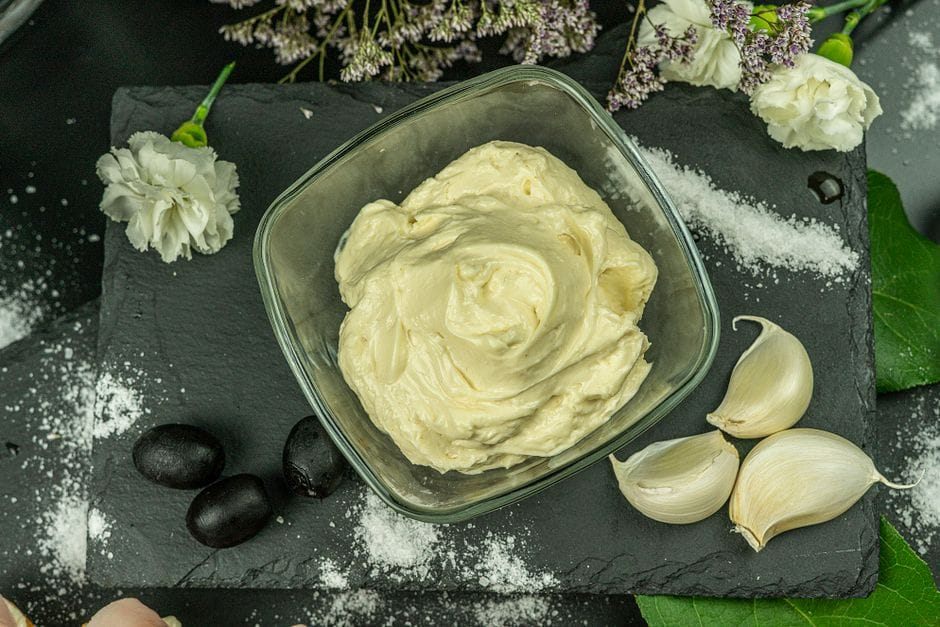
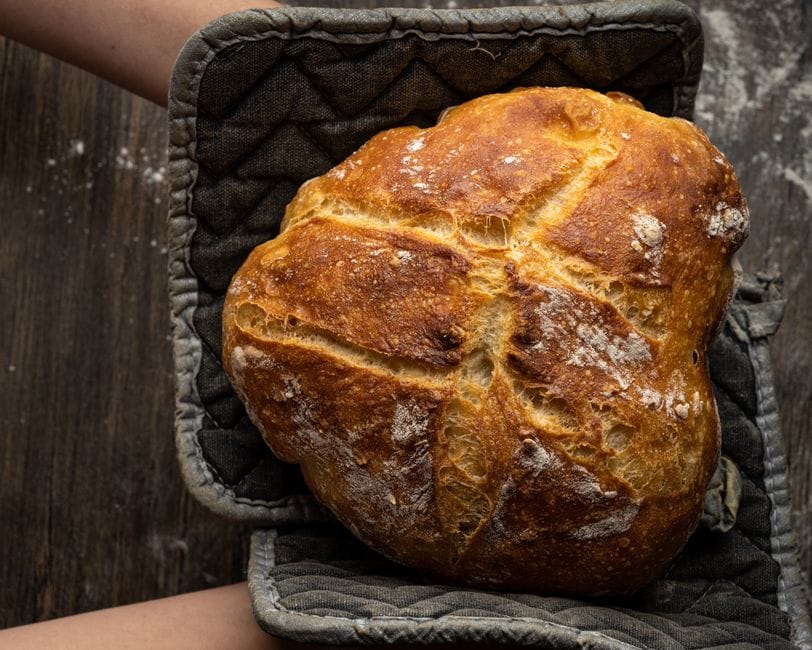 Photo: Skyler Ewing / Pexels
Mostly yes. I use this butter in shortbread and cookies regularly and it performs almost identically to the dairy version. In crumbles and pie crusts it's excellent.
For laminated pastry like croissants or rough puff, it needs more patience. This butter is softer than a commercial stick, so you'll need to chill the dough more aggressively between folds. Totally doable, just plan for extra time.
In quick breads, muffins, and cakes that use melted butter, it's a straight 1:1 swap by weight.
What to look for in store-bought vegan butter
Some days you don't want to make butter. Fair.
The store-bought options have genuinely improved in the last few years. When I'm buying, I look for a few things. First, what's the first fat listed?
Coconut oil or palm oil means it'll behave like butter. Canola or sunflower oil alone means it'll be more like a soft spread. Second, is there an emulsifier?
Sunflower lecithin is the clean one. Third, is there any kind of tang? Lactic acid or apple cider vinegar in the ingredient list means someone thought about flavor, not just texture.
My personal ranking: Miyoko's European Style for spreading on toast (genuinely incredible). Earth Balance Buttery Sticks for baking because they work exactly like dairy sticks and are widely available. Violife is a good budget pick and vegan-certified.
If you're newer to all this, The Vegan Society keeps a plain-language explainer of what actually counts as vegan. Worth a bookmark.
Spreading vs baking: what matters
For spreading, you want a butter that's soft enough to use straight from the fridge. Homemade versions with a higher ratio of liquid oil will win here. Store-bought Miyoko's also nails this.
For baking, you want consistent fat content and something that can cream with sugar or cut into flour properly. Most commercial vegan butters with a solid fat base handle this fine. Homemade works too, especially if you refrigerate the dough an extra 10 minutes before baking.
The one place I wouldn't use homemade vegan butter? Anything that calls for clarified butter or ghee. That's a different conversation.
For now, if a recipe says butter, this version has you covered.
If you want to explore more vegan substitutes for kitchen staples, I've covered a lot of ground there.
The recipe
Homemade Vegan Butter
Prep
10 min
Total
10 min
Makes
1 cup (about 225 g)
Ingredients
- 100 g refined coconut oil, melted (refined, not virgin, so it doesn't taste like sunscreen)
- 55 g neutral oil (sunflower, refined avocado, or light olive)
- 60 ml unsweetened soy milk or oat milk, at room temp
- 1 tsp apple cider vinegar or fresh lemon juice
- 1/2 tsp fine sea salt (or up to 3/4 tsp if you like salted butter)
- 1 tsp soy lecithin granules or sunflower lecithin (optional but helpful)
- 1/4 tsp turmeric, optional (for a more butter-yellow color)
Instructions
- 1 Melt the coconut oil gently, either in a small saucepan over low heat or in a bowl set over hot water. You want it just liquid, not hot.
- 2 Pour the melted coconut oil and neutral oil into a blender or a tall jar if you're using an immersion blender.
- 3 In a small cup, whisk together the plant milk and vinegar or lemon juice. Let it sit for one minute so it curdles slightly into a faux buttermilk.
- 4 Add the curdled milk mixture, salt, lecithin (if using), and turmeric (if using) to the blender.
- 5 Blend on high for 45 to 60 seconds until completely smooth and slightly thickened. It should look pale and creamy, not separated.
- 6 Pour into a silicone mold, small container, or a piece of parchment-lined loaf pan. Smooth the top.
- 7 Refrigerate for at least 2 hours until firm. It sets up like real butter. Keep refrigerated and use within 2 weeks, or freeze for up to 3 months.
Notes
- ·The coconut oil must be REFINED. Virgin coconut oil has a strong coconut flavor that will come through in everything you make. Refined is neutral.
- ·Don't skip the acid. The vinegar or lemon juice adds the subtle tang that makes butter taste like butter and not just solidified fat.
- ·If your butter turns out grainy or mottled, the liquids were probably too cold. Try again with the plant milk at room temperature.
- ·For a richer flavor, add 1 tsp of nutritional yeast to the blender.
Calories
105 per 1 Tbsp
Protein
0 g
Fat
12 g
Carbs
0 g
Frequently asked questions
Is store-bought butter ever vegan?+
No. Regular butter is made by churning cream, which is a dairy product. There's no plant-based version of conventional butter. If the label says 'butter' and doesn't specify 'vegan' or 'plant-based,' it's dairy. This includes clarified butter, ghee, cultured butter, and European-style butters.
What makes a good store-bought vegan butter?+
Look for one that lists a solid fat (coconut oil or palm oil, though palm has sustainability issues) as the first ingredient, has some kind of emulsifier (sunflower lecithin is common), and uses a lactic acid or apple cider vinegar tang for flavor. Earth Balance, Miyoko's Creamery, and Violife all hold up well for baking. Miyoko's is the closest to the real thing for spreading.
Can I bake with homemade vegan butter?+
Yes, with caveats. This recipe works great in cookies, shortbread, and crumbles. It's softer than a commercial stick, so for laminated doughs like croissants it needs extra chilling time between folds. In muffins and quick breads you can use it 1:1 by weight.
Does soy lecithin matter in this recipe?+
It helps but isn't essential. Lecithin is an emulsifier, so it keeps the water and oils from separating as the butter chills. Without it, your butter may look slightly mottled when you slice it. It'll still taste fine and melt fine. If you have sunflower lecithin, use that instead.
Written by
VeganDigest Editorial is the small independent team that researches and fact-checks this site. We are not doctors or dietitians. For every is-it-vegan verdict we read the product's current ingredient list and manufacturer information, and for anything health-related we report guidance from recognized bodies such as the NHS, the Vegan Society, and the Academy of Nutrition and Dietetics rather than offering medical advice. Every page shows the date it was last verified, and our full process is on the How We Verify page.
Comments