Vegan Cinnamon Rolls (Soft, Gooey, Dairy-Free)

 Jump to recipe ↓
 In this guide5
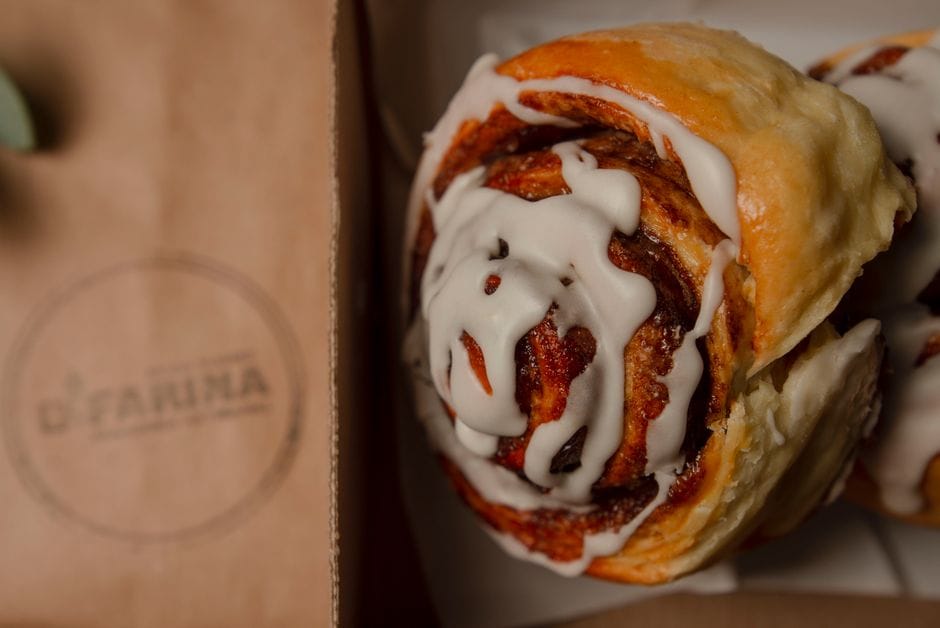
These vegan cinnamon rolls are genuinely soft, gooey, and indistinguishable from the classic dairy and egg version. The secret is a properly enriched yeast dough built with plant milk and vegan butter, which gives you the same pillowy crumb you expect from a great cinnamon roll, with zero animal products in sight.
This recipe is anchored in a tested, approachable method: bloom the yeast, build a soft dough, roll and fill, proof until puffy, and bake until golden. The result is 12 rolls with a caramelized cinnamon brown sugar filling and a luscious glaze. Whether you are new to yeast baking or just switching to plant-based, this guide walks you through every step with confidence.
Why Vegan Cinnamon Rolls Work So Well
Traditional cinnamon rolls rely on butter for richness and eggs for structure. In a vegan version, both jobs get reassigned to plant-based ingredients that perform just as well.
Vegan butter (from brands like Earth Balance or Miyoko's) contributes fat, flavor, and tenderness to the dough and filling in the same way dairy butter does. The fat coats gluten strands, keeping the crumb soft rather than chewy. Plant milk, especially unsweetened soy milk, provides moisture and a small amount of protein that supports the dough's structure as it bakes.
Yeast does all the heavy lifting in terms of rise and flavor. Because there are no eggs to compete with, the fermentation aromatics come through clearly, giving these rolls a genuine depth of flavor. The long first proof (around 1 to 1.5 hours) develops that flavor further. The second proof after shaping is equally important: it allows the rolls to relax, expand, and become truly pillowy before they hit the oven.
If you want to go one step further in softness, the tangzhong technique (borrowed from Japanese milk bread baking and popularized for vegan rolls by King Arthur Baking) involves cooking a small amount of flour with milk into a paste before incorporating it into the dough. This pre-gelatinizes the starch, allowing it to absorb and hold more liquid, producing rolls that stay soft for two to three days rather than turning dense by the next morning. It is an optional step, but it makes a noticeable difference.
Key Ingredients and Why They Matter
Plant milk. Unsweetened soy milk is the top choice because its protein content is closest to dairy milk, giving the dough more structure. Oat milk and almond milk work well too, but stick to unsweetened varieties so you control sweetness. The milk must be warm (around 110 degrees F, or 43 degrees C) when you add the yeast. Too cool and the yeast goes sluggish. Too hot and you kill it.
Vegan butter. Use a block-style vegan butter rather than a spread or margarine with high water content. Block butter melts cleanly into the dough and stays solid in the filling, so the caramel layer bakes up thick and gooey rather than running out the sides. Softened vegan butter is critical for the filling: it should spread like room-temperature dairy butter.
All-purpose flour. Standard all-purpose flour gives you a tender, light roll. If you want more structure and a slightly chewier bite, bread flour (with its higher protein content) also works beautifully and gives the dough more snap when you knead it.
Active dry or instant yeast. Both work. If using active dry yeast, bloom it in warm liquid for 10 minutes until foamy before adding the other ingredients. Instant yeast can go straight into the dry ingredients, but proofing it first is a good habit to confirm your yeast is still alive.
Brown sugar in the filling. Granulated sugar works, but brown sugar gives a deeper, molasses-tinged caramel flavor that pairs better with cinnamon. Use light or dark brown sugar depending on how bold you want the filling to be.
Ground cinnamon. Use fresh cinnamon. Old cinnamon loses its punch. Vietnamese or Saigon cinnamon is intensely spiced; use 2 tablespoons. Ceylon cinnamon is milder and floral; use 2 to 3 tablespoons.
Alcohol-free vanilla extract. For the glaze, use alcohol-free vanilla extract (widely available at halal grocers and specialty shops) or vanilla bean paste. Vanilla adds warmth and rounds out the sweetness in both the cream cheese frosting and the simple powdered sugar glaze.
Method Tips for Perfect Results
Nail the milk temperature. This is the single most important variable. Use a thermometer if you have one: 105 to 115 degrees F (40 to 46 degrees C) is the sweet spot. At this temperature your yeast will bloom visibly foamy within 5 to 10 minutes. If nothing happens after 10 minutes, the yeast is dead or the milk was off-temperature. Start over with fresh yeast.
Knead until tacky, not sticky. The dough should clear the sides of the bowl and feel slightly tacky when you press your finger to it, but it should not stick aggressively to your hands. Resist the urge to add too much extra flour. A slightly sticky dough bakes up softer than a stiff one.
Proof in a warm, draft-free spot. If your kitchen is cold, heat your oven to its lowest setting (around 170 degrees F), turn it off, and leave the door slightly ajar. Place the covered bowl inside. The residual heat creates the perfect proofing environment. The dough is ready when it has roughly doubled in size, about 1 hour.
Use dental floss to cut the rolls. Slide a length of unflavored dental floss under the rolled log, cross it over the top, and pull. The floss cuts cleanly without crushing the dough the way a knife tends to. Score the log first into even portions so all 12 rolls are the same size and bake evenly.
Do not skip the second proof. After you place the cut rolls in the greased pan, cover them and let them proof again for 30 to 45 minutes. They should look visibly puffier and the dough should spring back slowly (not snap back immediately) when you gently press it.
Apply glaze while warm. A simple powdered sugar glaze soaks into warm rolls and creates that iconic glazed finish. A cream cheese frosting is better applied once the rolls have cooled for 10 minutes so it melts softly rather than sliding off.
Variations Worth Trying
Overnight rolls. Complete everything through the shaping step, place the cut rolls in the pan, cover tightly, and refrigerate overnight (up to 14 hours). In the morning, take them out, let them sit at room temperature for 45 to 60 minutes before baking. This slow cold proof develops a more complex flavor and makes weekend mornings much easier.
Tangzhong upgrade. Before making the dough, whisk 3 tablespoons of flour with 1/2 cup of plant milk in a small saucepan. Cook over medium heat, stirring constantly, for 1 to 3 minutes until it thickens into a smooth paste. Let it cool to room temperature, then use it as the base of your dough (reduce the liquid in the main dough accordingly). The result is noticeably softer rolls that stay tender for longer.
Simple glaze vs. cream cheese frosting. The simple glaze (powdered sugar plus a splash of plant milk and alcohol-free vanilla) is quicker and lighter. The vegan cream cheese frosting (vegan cream cheese beaten with powdered sugar, vegan butter, and alcohol-free vanilla) is richer and closer to the Cinnabon-style experience. Both are fully vegan.
Add-ins. Scatter a handful of raisins, chopped pecans, or chopped dates over the cinnamon filling before rolling for extra texture and sweetness. Cardamom added to the filling (about 1/2 teaspoon) gives a Scandinavian-inspired warmth.
Serving and Storage
Serve vegan cinnamon rolls warm, straight from the pan, within 20 minutes of glazing. They are at their peak right now: the filling is gooey, the dough is tender, and the glaze is just melted in.
For leftovers, store cooled rolls (unglazed if possible) in an airtight container at room temperature for up to 2 days, or refrigerate for up to 4 days. Reheat individual rolls in the microwave for 20 to 30 seconds or in a 300 degree F oven for 8 to 10 minutes. Add a small splash of plant milk over the top before reheating to restore moisture.
To freeze, wrap individual unglazed rolls tightly in plastic wrap and store in a freezer bag for up to 1 month. Thaw overnight in the refrigerator, bring to room temperature, then warm in the oven and glaze before serving.
You can also freeze the unbaked cut rolls. Place them on a parchment-lined tray, freeze until solid, then transfer to a bag. When ready to bake, place them in the greased pan, cover, and let them thaw and proof at room temperature for 2 to 3 hours before baking as usual.
The recipe
Vegan Cinnamon Rolls with Cream Cheese Glaze
Prep
1h 40m
Cook
25 min
Makes
12 rolls
Ingredients
- 2 cups (480 ml) unsweetened soy milk (or oat milk), warmed to 110 degrees F
- 1/2 cup (100 g) granulated sugar, divided
- 2 packets (4 1/2 teaspoons) quick-rise instant yeast
- 1/2 cup (113 g) vegan block butter, melted and slightly cooled
- 1/2 teaspoon fine sea salt
- 4 1/2 cups (540 g) all-purpose flour, plus more for dusting
- 6 tablespoons (85 g) vegan block butter, softened to room temperature (for filling)
- 1/2 cup (100 g) packed light brown sugar (for filling)
- 2 tablespoons ground cinnamon (for filling)
- 8 ounces (225 g) vegan cream cheese, softened (for frosting)
- 1 1/2 cups (180 g) powdered sugar, sifted (for frosting)
- 2 tablespoons plant milk (for frosting)
- 1/2 teaspoon alcohol-free vanilla extract (for frosting)
Instructions
- 1 Warm the soy milk until it reaches about 110 degrees F (43 degrees C), roughly the temperature of warm bathwater. Pour into a large mixing bowl. Add 1 tablespoon of the granulated sugar and the yeast. Stir gently and let sit for 5 to 10 minutes until the surface looks foamy and bubbly. If nothing happens, your yeast may be dead; start over with fresh yeast.
- 2 Add the melted vegan butter, remaining granulated sugar, and salt to the yeast mixture. Stir to combine.
- 3 Add the flour one cup at a time, stirring after each addition, until a shaggy dough forms and pulls away from the sides of the bowl. Turn the dough out onto a lightly floured surface.
- 4 Knead the dough for 4 to 5 minutes until it is smooth and slightly tacky but no longer sticking aggressively to your hands. Add flour one tablespoon at a time only if the dough is very sticky. Transfer to a lightly oiled bowl, cover with a damp towel or plastic wrap, and set in a warm, draft-free place.
- 5 Let the dough rise for 60 to 75 minutes until roughly doubled in size.
- 6 While the dough rises, mix the softened vegan butter, brown sugar, and cinnamon in a small bowl until it forms a spreadable paste. Set aside.
- 7 Grease a 9x13-inch baking pan. Punch down the risen dough and turn it out onto a lightly floured surface. Roll it into a rectangle approximately 18 inches by 12 inches, about 1/4 inch thick.
- 8 Spread the cinnamon filling evenly over the dough, leaving a 1/2-inch border along one long edge.
- 9 Starting from the opposite long edge, roll the dough tightly into a log. Pinch the seam to seal.
- 10 Use unflavored dental floss or a sharp knife to cut the log into 12 equal rolls. Slide the floss under the log, cross the ends over the top, and pull to cut cleanly.
- 11 Arrange the rolls cut-side up in the prepared pan with a little space between them. Cover loosely with a towel and let proof for 30 to 45 minutes until visibly puffier and the dough springs back slowly when gently pressed.
- 12 Meanwhile, preheat your oven to 375 degrees F (190 degrees C).
- 13 Bake the rolls for 20 to 25 minutes until golden brown on top. The centers should look set, not wet or doughy.
- 14 While the rolls bake, beat together the softened vegan cream cheese, powdered sugar, plant milk, and alcohol-free vanilla extract until smooth and spreadable.
- 15 Remove the rolls from the oven. Let them cool in the pan for 10 minutes, then spread the cream cheese frosting generously over the warm rolls. Serve immediately.
Notes
- ·Milk temperature matters most: too cool and the yeast goes sluggish, too hot and you kill it. A kitchen thermometer removes all guesswork.
- ·For the simple glaze variation instead of cream cheese frosting, whisk 1 cup powdered sugar with 1 to 2 tablespoons plant milk and 1/4 teaspoon alcohol-free vanilla until smooth. Drizzle over warm rolls.
- ·Overnight method: after cutting and placing rolls in the pan, cover tightly and refrigerate overnight. In the morning, bring to room temperature for 45 to 60 minutes before baking.
- ·Tangzhong upgrade for extra softness: before making the dough, cook 3 tablespoons of flour with 1/2 cup of plant milk in a small saucepan over medium heat, stirring constantly, until thickened into a paste (1 to 3 minutes). Cool to room temperature and use as the base of your dough, reducing the liquid in the main recipe by 1/2 cup.
- ·Use dental floss to cut rolls without crushing the dough.
- ·Store leftover rolls in an airtight container at room temperature for up to 2 days, or refrigerate for up to 4 days. Reheat with a splash of plant milk before microwaving.
Calories
370
Protein
5 g
Fat
14 g
Carbs
56 g
Frequently asked questions
Can I make vegan cinnamon rolls without a stand mixer?+
Yes. These rolls come together easily by hand. Mix the dough in a large bowl until it forms a shaggy mass, then knead on a floured surface for 4 to 5 minutes. The dough is ready when it feels smooth and slightly tacky. Hand-kneading actually gives you a better feel for when the dough is right.
Which plant milk works best for vegan cinnamon rolls?+
Unsweetened soy milk is the top choice because its protein content is closest to dairy milk, which supports the dough structure. Oat milk is a close second and gives a slightly sweeter, richer result. Almond milk works too, but because it is lower in protein the rolls may be very slightly less fluffy. Avoid sweetened or flavored milks.
Why are my vegan cinnamon rolls dense or dry?+
The most common cause is yeast that did not properly activate. If your yeast did not look foamy and bubbly after 5 to 10 minutes in warm milk, it was either dead or the milk was too hot or too cold. Always check that the milk is around 110 degrees F before adding yeast. Over-kneading or adding too much extra flour can also tighten the dough and make rolls dense.
Can I freeze vegan cinnamon rolls?+
Yes. Freeze the unbaked cut rolls on a parchment-lined tray, then transfer to a sealed bag once solid. When ready to bake, arrange in a greased pan, cover, and let thaw and proof at room temperature for 2 to 3 hours before baking as usual. You can also freeze fully baked and cooled rolls without the frosting for up to 1 month. Thaw, warm in the oven, and frost before serving.
Written by
VeganDigest Editorial is the small independent team that researches and fact-checks this site. We are not doctors or dietitians. For every is-it-vegan verdict we read the product's current ingredient list and manufacturer information, and for anything health-related we report guidance from recognized bodies such as the NHS, the Vegan Society, and the Academy of Nutrition and Dietetics rather than offering medical advice. Every page shows the date it was last verified, and our full process is on the How We Verify page.
Comments