Moist Vegan Cornbread (Sweet or Savory, No Eggs or Dairy)
 Jump to recipe ↓
 In this guide5
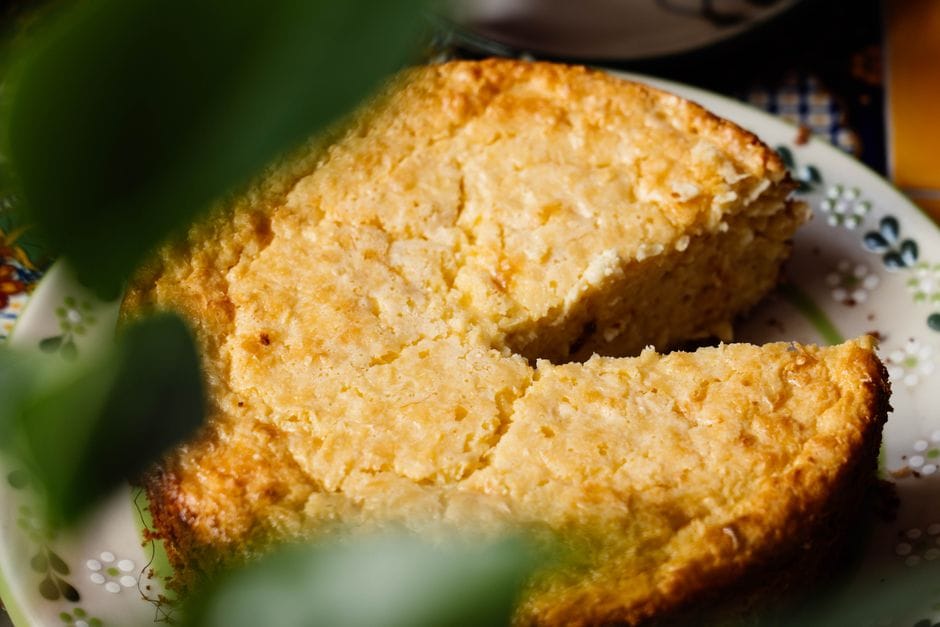
Vegan cornbread can be just as moist, golden, and satisfying as any version made with eggs and butter. The key is a combination of vegan buttermilk (plant milk plus a splash of vinegar), a generous pour of oil, and a short resting period that lets the cornmeal hydrate fully before the pan goes into the oven. The result is a crumb that holds together, edges that crisp in the skillet, and a flavor that is unmistakably corn.
This guide walks through exactly how to make it, why each ingredient earns its place, and how to dial the sweetness up or down depending on whether you are serving it alongside a bowl of chili or as a stand-alone snack with a smear of vegan butter and maple syrup.
Why This Recipe Works
The two biggest complaints about vegan baked goods are dryness and a dense, gummy crumb. Vegan cornbread sidesteps both problems with a bit of chemistry and one practical technique.
First, the vegan buttermilk. Stirring apple cider vinegar into oat milk and letting it sit for five to ten minutes produces a slightly curdled, tangy liquid that mimics the role of traditional buttermilk in two ways: the acid tenderizes the gluten in the flour, keeping the crumb light, and it activates the baking powder so the bread rises quickly and evenly once it hits the heat.
Second, the fat combination. Using both melted vegan butter and a neutral oil (olive oil works well here) gives you buttery flavor from the former and staying-power moisture from the latter. Oil coats the starch granules in the flour and cornmeal, slowing the process by which baked goods dry out. That is why a slice still tastes good the next day rather than crumbling into dust.
Third, the batter rest. Stone-ground cornmeal holds onto moisture because it retains the hull and germ of the corn kernel. Letting the mixed batter sit for at least ten minutes before baking gives the cornmeal time to absorb the liquid in the bowl. Skipping this step is the most common reason home bakers end up with a grainy, dry interior.
Finally, the hot skillet. Pouring batter into a cast iron pan that has been preheated in the oven with a tablespoon of melted vegan butter creates an immediate sizzle at the base. That contact produces the deeply golden, slightly crispy underside and sides that make skillet cornbread worth the extra step.
Key Ingredients and What Each One Does
Stone-ground cornmeal (medium grind). Coarser than the uniform yellow powder sold in most supermarkets, stone-ground cornmeal retains more corn flavor and a pleasant, slightly textured crumb. The recipe uses more cornmeal than flour (a 2:1 ratio by weight) so corn is the dominant flavor rather than a background note.
Oat milk (full-fat variety). Among plant milks, oat milk has a neutral flavor and enough body to curdle convincingly when mixed with vinegar. Soy milk and almond milk both work as substitutes, but oat milk produces the richest result.
Apple cider vinegar. A small amount is all that is needed to acidify the milk and activate the baking powder. White wine vinegar or fresh lemon juice can stand in if that is what you have.
Vegan butter plus olive oil. The butter provides flavor; the oil provides long-lasting moisture. Using either one alone is a compromise. Melted coconut oil can replace the olive oil for a slightly sweeter, more neutral result.
Brown sugar and agave. The recipe uses a small quantity of each. Brown sugar adds depth; agave keeps the crumb soft by attracting and holding onto water molecules. For a savory cornbread, cut both by half or leave them out entirely. The bread will still rise and hold together because the leavening does not depend on sugar.
Baking powder. A full tablespoon plus a teaspoon sounds like a lot, but cornmeal is dense and needs significant lift. Make sure yours is fresh: a teaspoon dissolved in hot water should bubble vigorously.
Method Tips for the Best Result
Do not skip the buttermilk step. Add the vinegar to the milk first, stir once, and leave it alone while you measure the dry ingredients. By the time you are ready to mix, it will have thickened slightly and may show small curdles. That is correct.
Whisk the dry ingredients separately. Cornmeal and baking powder need to be evenly distributed before the wet ingredients go in. Uneven distribution means pockets of dense crumb or flat spots in the finished bread.
Mix until just combined. A few streaks of flour in the batter are fine. Overmixing develops gluten and produces a chewy, tough interior rather than a tender one.
Rest the batter. Ten minutes is the minimum. Up to an hour works well, especially with coarser stone-ground cornmeal. Cover the bowl loosely.
Preheat the skillet. Put the empty cast iron pan in the oven while it heats up. When the oven reaches temperature, carefully remove the skillet, add the vegan butter, swirl to coat, dust lightly with a pinch of cornmeal, and then pour in the batter slowly. The sizzle you hear is the crust forming.
Check at 25 minutes. Insert a toothpick in the center. It should come out clean or with a few dry crumbs. If the top is golden but the center is still wet, tent loosely with foil and give it three to five more minutes.
Cool before slicing. Fifteen minutes on a wire rack allows the interior to set. Cutting too soon produces a gummy slice even when the bread is fully cooked.
Variations: Sweet, Savory, and Mix-Ins
Sweet version. Keep the full amount of brown sugar and agave, and serve warm with vegan butter and a drizzle of maple syrup. This version pairs well with a weekend brunch alongside vegan pancakes or french toast.
Savory version. Reduce sugar to one teaspoon or omit it entirely. Add half a teaspoon of smoked paprika and half a teaspoon of garlic powder to the dry ingredients. This version belongs next to a pot of vegan chili.
Jalapeno and corn version. Fold in half a cup of fresh or frozen corn kernels and one finely diced jalapeno (seeds removed for mild heat) just before pouring the batter into the skillet.
Herb version. One heaping tablespoon of finely chopped fresh rosemary stirred into the batter adds an earthy, fragrant note. Thyme works equally well. This version is especially good as a side for soups and stews.
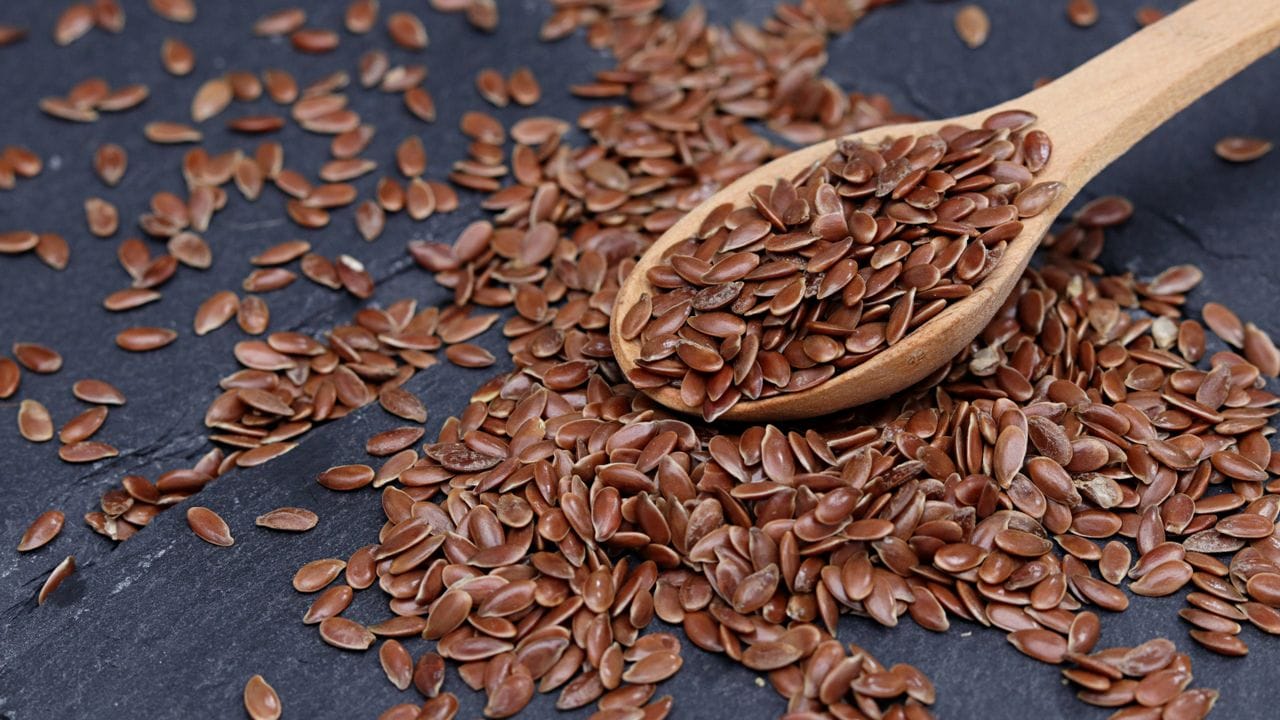
Flax egg version. If you want a slightly denser, more structured crumb (useful for cornbread stuffing), replace the buttermilk with a flax egg: mix one tablespoon of ground flaxseed with three tablespoons of water and let it gel for five minutes, then add it along with the wet ingredients. See the flax egg guide linked below for full details on ratios and timing.
Gluten-free version. Substitute an equal weight of a gluten-free all-purpose flour blend that includes xanthan gum. Add two to four extra tablespoons of oat milk to compensate for the drier flour, and allow at least thirty minutes of rest before baking.
Serving and Storage
Vegan cornbread is best within the first hour of baking, when the crust is still slightly crisp and the interior is warm. Serve it directly from the skillet cut into wedges, or slice a square pan version into neat pieces for a crowd.
Pairing ideas. A savory version belongs beside vegan chili, lentil soup, or a bowl of vegan mac and cheese. A sweet version works as a snack or a simple dessert with a spread of vegan butter.
Storage. Wrap tightly or store in an airtight container at room temperature for up to three days. Avoid the refrigerator; cold air dries cornbread out faster than leaving it on the counter.
Reheating. For a crispy exterior, unwrap and warm in a 375 degrees F oven for ten to fifteen minutes. For a softer result, wrap in foil before placing in the oven. A cast iron skillet on the stovetop over medium-low heat also works well: a minute or two per side brings the crust back to life.
Freezing. Slice the cornbread before freezing. Wrap each slice individually, place in a freezer bag, and freeze for up to one month. Thaw at room temperature or reheat directly from frozen in a 350 degrees F oven for about fifteen minutes.
The recipe
Moist Vegan Cornbread
Prep
20 min
Cook
27 min
Makes
8 to 10 wedges
Ingredients
- 1 and 1/2 cups (360 ml) full-fat oat milk
- 2 teaspoons apple cider vinegar
- 1 and 1/2 cups (195 g) stone-ground yellow cornmeal, medium grind, plus a pinch for the skillet
- 3/4 cup (94 g) all-purpose flour
- 1 tablespoon plus 1 teaspoon baking powder
- 1/2 teaspoon fine sea salt
- 4 tablespoons (56 g) vegan butter, melted, plus 2 tablespoons for the skillet
- 1/4 cup (56 ml) extra-virgin olive oil
- 3 tablespoons organic brown sugar (reduce to 1 teaspoon for savory cornbread)
- 3 tablespoons agave nectar or maple syrup (omit for savory)
Instructions
- 1 Stir the apple cider vinegar into the oat milk. Set aside for 5 to 10 minutes until it curdles slightly. This is your vegan buttermilk.
- 2 Preheat the oven to 400 degrees F (204 degrees C) and place a 9-inch or 10-inch cast iron skillet on the center rack to preheat along with the oven.
- 3 In a large bowl, whisk together the cornmeal, flour, baking powder, and salt until evenly combined.
- 4 Make a well in the center of the dry ingredients. Add the 4 tablespoons of melted vegan butter, olive oil, brown sugar, agave (or maple syrup), and the vegan buttermilk. Whisk gently until a batter forms. A few lumps are fine. Do not overmix.
- 5 Let the batter rest uncovered for 10 minutes so the cornmeal can absorb the liquid.
- 6 Once the oven has reached temperature, carefully remove the hot skillet using oven mitts. Add the remaining 2 tablespoons of vegan butter and swirl to coat the bottom and sides. Dust lightly with a pinch of dry cornmeal.
- 7 Slowly pour the rested batter into the hot skillet. You should hear a sizzle as it hits the pan.
- 8 Bake for 25 to 28 minutes until the top is golden brown and a toothpick inserted in the center comes out clean.
- 9 Transfer the skillet to a wire rack and cool for 15 minutes before slicing into wedges. Serve warm.
Notes
- ·No cast iron skillet: use a greased 9-inch square metal baking pan with only 1 tablespoon of vegan butter. Add 3 to 5 extra minutes of baking time.
- ·For savory cornbread: omit the brown sugar and agave, and add 1/2 teaspoon smoked paprika plus 1/2 teaspoon garlic powder to the dry ingredients.
- ·For a structured crumb (good for stuffing): swap the buttermilk for a flax egg (1 tablespoon ground flaxseed plus 3 tablespoons water, gelled for 5 minutes) combined with 3/4 cup plain oat milk.
- ·Gluten-free option: replace all-purpose flour with an equal weight of gluten-free all-purpose blend (with xanthan gum) and add 3 extra tablespoons of oat milk.
- ·Tasty mix-ins: fold in 1/2 cup corn kernels, 1 finely diced jalapeno, or 1 tablespoon fresh chopped rosemary just before pouring the batter.
- ·Storage: airtight at room temperature up to 3 days. Freeze individual slices up to 1 month.
Calories
210
Protein
3 g
Fat
11 g
Carbs
28 g
Frequently asked questions
Why is my vegan cornbread dry and crumbly?+
The most common causes are skipping the batter rest (cornmeal needs time to absorb liquid), reducing the fat, or overbaking. Make sure to rest the batter at least 10 minutes, keep the full measure of oil and vegan butter, and pull the pan when a toothpick comes out just clean, not bone dry.
Can I make this without a cast iron skillet?+
Yes. A greased 9-inch square metal baking pan works well. Use only 1 tablespoon of vegan butter to grease the pan (not 2 tablespoons) and expect the baking time to be 3 to 5 minutes longer. The edges will not be quite as crispy, but the interior texture will be the same.
How do I make this cornbread savory instead of sweet?+
Simply cut the brown sugar to 1 teaspoon or omit it entirely, and leave out the agave or maple syrup. The bread will still rise and hold together because leavening does not depend on sugar. Add smoked paprika, garlic powder, or diced jalapeno for extra savory flavor.
What is the best plant milk for vegan cornbread?+
Full-fat oat milk gives the richest result because of its body and neutral flavor. Soy milk curdles most reliably with vinegar and is a close second. Almond milk works but produces a slightly thinner buttermilk. Avoid canned coconut milk here as it makes the crumb dense.
Written by
VeganDigest Editorial is the small independent team that researches and fact-checks this site. We are not doctors or dietitians. For every is-it-vegan verdict we read the product's current ingredient list and manufacturer information, and for anything health-related we report guidance from recognized bodies such as the NHS, the Vegan Society, and the Academy of Nutrition and Dietetics rather than offering medical advice. Every page shows the date it was last verified, and our full process is on the How We Verify page.
Comments