Easy Vegan Fried Rice with Tofu (Better Than Takeout)

 Jump to recipe ↓
 In this guide5
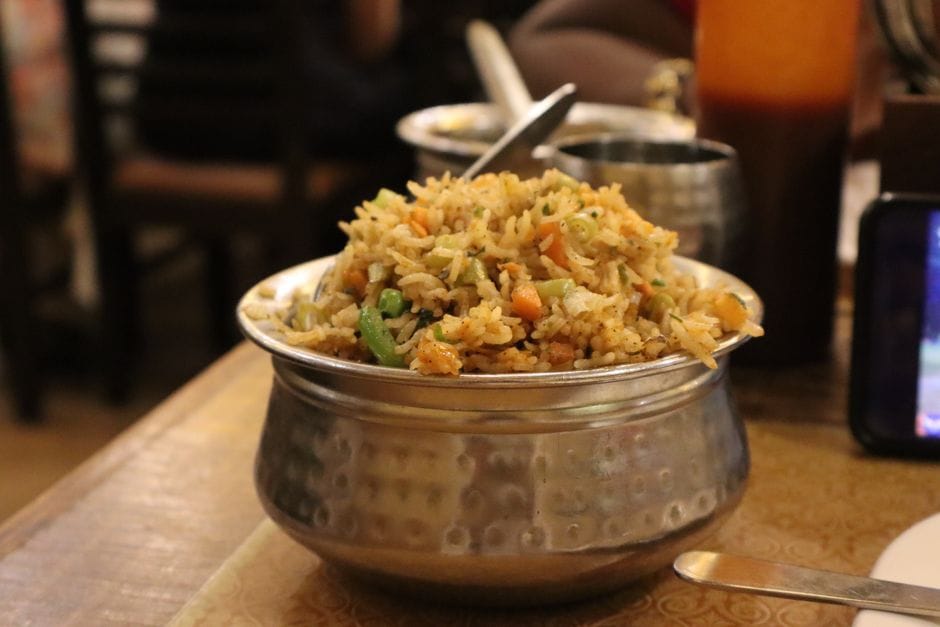
Vegan fried rice is one of the most satisfying weeknight meals you can make in under 30 minutes, and it genuinely rivals any takeout version. The method is straightforward: cold leftover rice hits a screaming-hot pan, cornstarch-coated tofu goes golden and crispy, and a simple soy-sesame sauce ties everything together in minutes.
This guide walks through exactly how to get fluffy, separate grains every time, how to make tofu that holds its shape, and how to build real savory depth without eggs, oyster sauce, or any non-vegan ingredient.
Why This Recipe Works
The single biggest reason most homemade fried rice disappoints is wet rice. Freshly cooked rice is full of steam, and when it hits hot oil, it clumps and sticks rather than frying. Day-old rice that has been refrigerated overnight has lost that surface moisture. The grains firm up and stay separate, picking up a lightly toasted flavor from the hot pan instead of just steaming in their own water.
The second reason this recipe succeeds is keeping every component at the right temperature at the right time. The tofu goes in first, gets crispy, then comes out while the vegetables soften. Cold rice goes in next so it can warm gradually and develop some color. The tofu returns at the very end so its crust survives. This sequencing is what separates a restaurant-quality result from a mushy one.
Finally, toasted sesame oil is added off the heat. Sesame oil is volatile: it loses most of its aroma the moment it hits a hot pan. Adding it at the end means you actually taste it.
Key Ingredients and Why They Matter
Day-old rice. Long-grain white rice is the classic choice because the low starch content keeps the grains from sticking. Brown rice works well too and adds a nuttier flavor. Whatever you use, spread it on a tray, cool it to room temperature, then refrigerate uncovered for at least a few hours. The drier the surface of each grain, the better it fries.
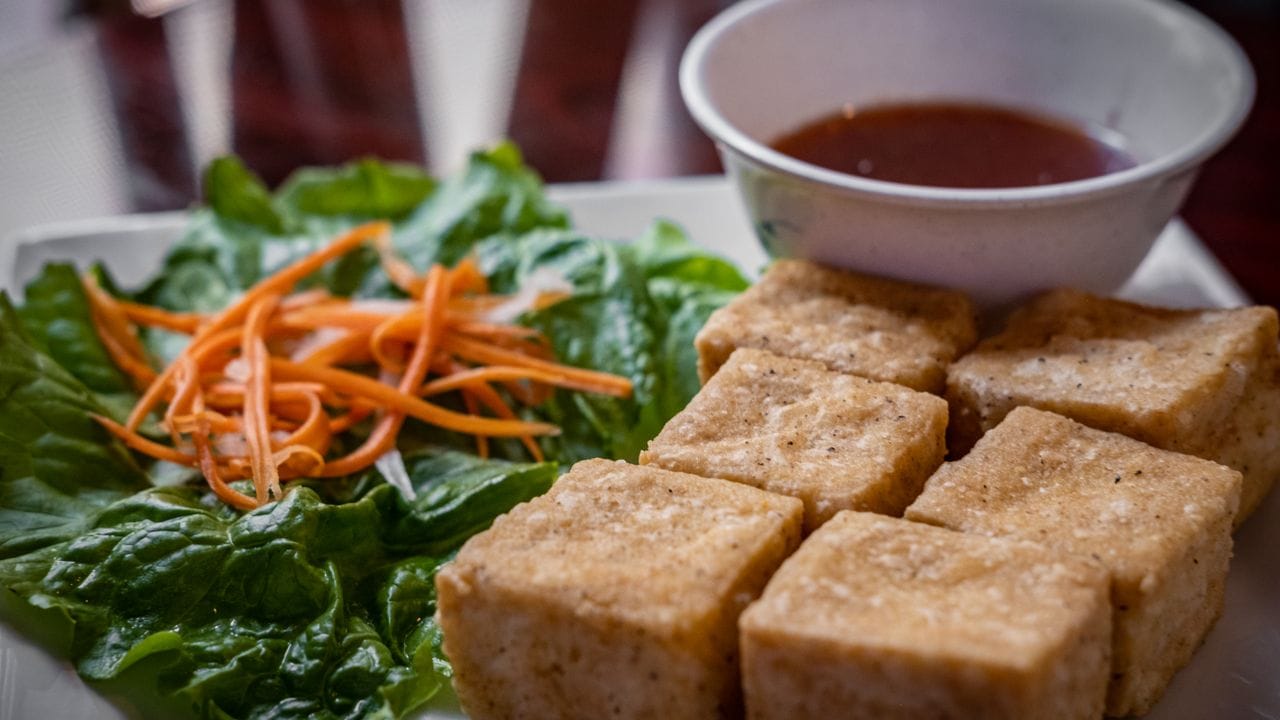
Firm or extra-firm tofu. Silken and soft tofu have too much water and will break apart in the pan. Firm or extra-firm holds its cube shape through cooking. A coating of cornstarch before pan-frying creates a thin, crispy shell that stays intact even after being tossed with the rice.
Soy sauce or tamari. The sauce is intentionally simple: soy sauce for salt and umami, a small amount of rice vinegar for brightness, and white pepper for warmth. Tamari is the swap for gluten-free cooking and has a slightly richer, less sharp flavor.
Nutritional yeast. A tablespoon stirred in with the tofu adds a savory, slightly cheesy depth that replaces the egg scramble of traditional fried rice without any eggy flavor.
Toasted sesame oil. A finishing drizzle, not a cooking fat. The toasty aroma is irreplaceable and is the single ingredient that makes the dish taste authentically like fried rice.
Method Tips for Perfect Results
Use the largest pan you own, ideally a wide skillet or wok. Crowding the pan traps steam and prevents browning. If your pan is small, cook the rice in two batches rather than one.
Get the pan genuinely hot before anything goes in. A drop of water should evaporate on contact. This high heat is what creates the slightly caramelized crust on the rice that makes fried rice taste distinct from steamed rice.
Break up the rice before it goes into the pan. Cold refrigerated rice sticks in clumps. Use clean hands or a fork to separate the grains while the rice is still cold, so you are not trying to break up icy chunks in a hot pan while things are happening fast.
Season in layers. The tofu gets soy sauce, garlic powder, and cornstarch before cooking. The vegetables get a pinch of salt as they soften. The rice gets the main sauce. Tasting and adjusting at the end is still important, but building flavor at each stage means the final dish has depth rather than a single flat note of soy sauce.
Do not stir constantly. Let the rice sit undisturbed for 30 to 45 seconds at a time so the bottom layer can develop color and a slight crust before you turn it.
Variations Worth Trying
Different vegetables. The peas, carrot, and corn combination is classic and forgiving, but almost any vegetable that cooks quickly works. Shelled edamame adds protein and a slightly sweet pop. Diced bell pepper adds color. Baby bok choy, sliced thin, wilts in 2 minutes and adds a mild bitterness that balances the soy sauce. Mushrooms, particularly shiitake, add a meaty texture.
Spicy version. Add a teaspoon of chili garlic sauce or sambal oelek to the sauce before it goes in. A drizzle of chili oil over the finished bowl takes it further.
Cauliflower rice version. Swap the cooked grain for 4 cups of cauliflower rice. The method is nearly the same but the cook time drops: cauliflower rice needs only 3 to 4 minutes total or it turns mushy.
Higher protein. Stir in half a cup of shelled edamame along with the frozen peas. The combination of tofu and edamame in one bowl provides a complete amino acid profile.
Serving and Storage
Serve the fried rice straight from the pan while the tofu is still crispy. Good toppings include sliced green onion, a drizzle of toasted sesame oil, toasted sesame seeds, and a wedge of lime. A small bowl of extra soy sauce on the side lets everyone adjust seasoning at the table.
Leftovers keep in an airtight container in the refrigerator for up to 4 days. The tofu will lose its crunch as it sits, but the flavor stays good. To reheat, add a splash of water and warm in a skillet over medium heat with a little neutral oil, stirring until hot. Microwaving works in a pinch: cover with a damp paper towel and heat in 60-second intervals.
Frozen fried rice loses texture but is still edible. If you plan to freeze a batch, slightly undercook the rice and vegetables so they hold up better after thawing. Reheat from frozen in a hot skillet rather than the microwave for the best results.
The recipe
Easy Vegan Fried Rice with Tofu
Prep
15 min
Cook
20 min
Makes
4 servings
Ingredients
- 14 oz (400g) firm or extra-firm tofu, drained and cubed
- 1 tablespoon soy sauce (for tofu marinade)
- 1/2 teaspoon garlic powder
- 1/4 teaspoon ground black pepper
- 2 tablespoons cornstarch
- 3 tablespoons neutral oil (canola, sunflower, or avocado), divided
- 4 cups cooked long-grain white rice, chilled overnight
- 1/2 medium yellow onion, finely diced
- 3 cloves garlic, minced
- 2 medium carrots, peeled and finely diced
- 3/4 cup frozen peas
- 1/2 cup frozen corn kernels
- 1 tablespoon nutritional yeast
- 3 tablespoons soy sauce or tamari
- 1 teaspoon rice vinegar
- 1/4 teaspoon white pepper
- 1 teaspoon toasted sesame oil
- 3 green onions, thinly sliced (for garnish)
Instructions
- 1 Press the tofu briefly with a clean towel to remove surface moisture, then cut into 3/4-inch cubes. Toss in a bowl with 1 tablespoon soy sauce, garlic powder, and black pepper. Sprinkle over the cornstarch and toss again until every cube is lightly coated.
- 2 Heat 1 tablespoon of neutral oil in a large skillet or wok over medium-high heat until shimmering. Add the tofu in a single layer and cook undisturbed for 3 to 4 minutes until golden on the bottom. Turn and cook another 3 to 4 minutes until golden on most sides. Sprinkle over the nutritional yeast, toss for 30 seconds, then transfer the tofu to a plate.
- 3 Separate any clumped cold rice with your hands or a fork before it goes into the pan.
- 4 Add 1 tablespoon of oil to the same pan. Add the onion, garlic, and carrot and cook over medium-high heat, stirring often, for 3 to 4 minutes until softened. Add the frozen peas and corn and cook for 1 to 2 minutes until heated through.
- 5 Push the vegetables to the side. Add the remaining tablespoon of oil to the center of the pan and add the cold rice. Let it sit undisturbed for 30 to 45 seconds to develop a little color, then stir to combine with the vegetables. Cook for 2 to 3 minutes total, stirring occasionally.
- 6 Mix together the 3 tablespoons soy sauce, rice vinegar, and white pepper in a small bowl. Pour over the rice and toss well to coat evenly.
- 7 Return the tofu to the pan, stir gently to combine, and cook for 1 minute until everything is heated through.
- 8 Remove from heat and drizzle over the toasted sesame oil. Toss once more, taste, and adjust soy sauce as needed. Serve immediately topped with sliced green onions.
Notes
- ·Day-old rice is essential. Freshly cooked rice has too much surface moisture and will clump and steam rather than fry. Refrigerate cooked rice uncovered for at least 4 hours, and ideally overnight.
- ·For gluten-free: use tamari in place of soy sauce and confirm your cornstarch is certified gluten-free.
- ·Do not skip the cornstarch on the tofu. It creates a thin crust that keeps the cubes from turning soggy once combined with the sauce.
- ·The sesame oil goes in off the heat. Adding it to a hot pan burns off the aroma you are trying to keep.
- ·Nutritional yeast adds savory umami depth in place of egg. It is optional but recommended.
Frequently asked questions
Can I use freshly cooked rice instead of day-old rice?+
You can, but the results will be noticeably different. Freshly cooked rice holds a lot of steam inside each grain. When it hits a hot pan, that moisture releases and the rice clumps and gets gluey rather than frying. If you have no choice, spread the hot rice on a baking sheet and fan it or refrigerate it for 30 minutes to dry the surface before using it.
How do I make the tofu crispy without deep frying it?+
The cornstarch coating is the key. It forms a thin shell around each cube that browns in a hot pan with just one tablespoon of oil. The other important factor is a dry surface on the tofu: press it with a clean kitchen towel to remove any excess water before cubing and seasoning. A hot pan and not moving the tofu for the first few minutes also helps build a proper golden crust.
What vegetables can I swap in?+
Almost any quick-cooking vegetable works. Edamame, diced bell pepper, baby bok choy, mushrooms, snap peas, and broccoli florets (cut small) all fit well. Add heartier vegetables like broccoli early with the onion and carrot. Delicate vegetables like snap peas or bok choy go in right before the rice so they stay a little crisp.
Can I use brown rice instead of white rice?+
Yes. Brown rice has more fiber and a nuttier flavor that works well in fried rice. The method is identical, just make sure it is fully cooked, cooled, and chilled before you use it. Because brown rice grains are firmer, they hold up particularly well to the high-heat frying step.
Written by
VeganDigest Editorial is the small independent team that researches and fact-checks this site. We are not doctors or dietitians. For every is-it-vegan verdict we read the product's current ingredient list and manufacturer information, and for anything health-related we report guidance from recognized bodies such as the NHS, the Vegan Society, and the Academy of Nutrition and Dietetics rather than offering medical advice. Every page shows the date it was last verified, and our full process is on the How We Verify page.
Comments