Easy Vegan Chickpea Coconut Curry (One Pot, 30 Minutes)

 Jump to recipe ↓
 In this guide5
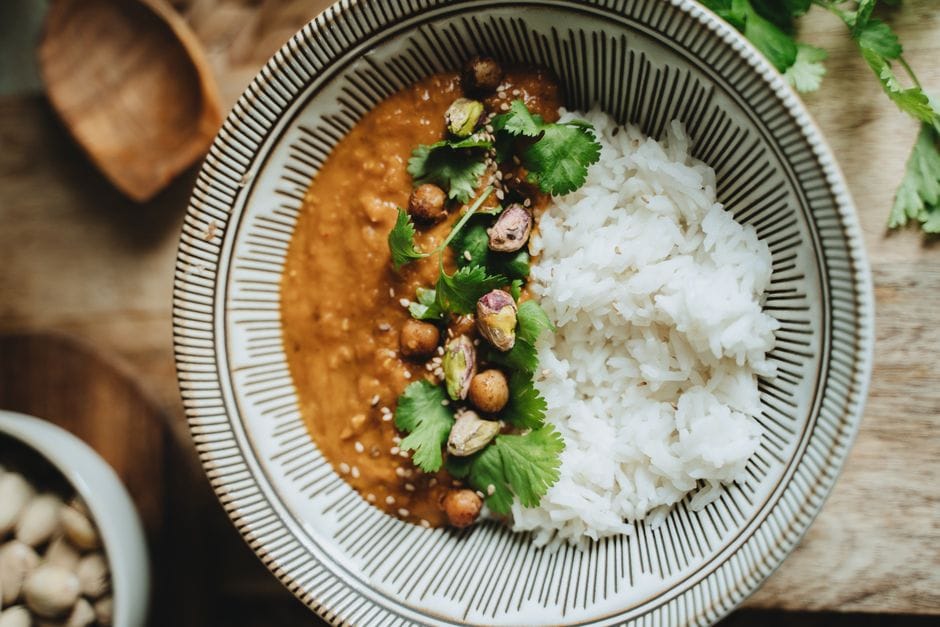
This one-pot chickpea coconut curry is everything a weeknight dinner should be: deeply savory, legitimately creamy, and on the table in about 30 minutes using ingredients you probably already have. Two cans of chickpeas go into a garlicky, spiced tomato and coconut milk base, spinach wilts in at the end, and lime juice ties everything together. It is 100 percent vegan and naturally gluten-free.
The method is well-established across dozens of tested plant-based recipes. The secret is not complicated: you bloom your ground spices in hot oil for 30 to 60 seconds before adding liquid. That one step multiplies the flavor of garam masala, cumin, and turmeric in a way that no amount of extra simmering can replicate. The result is a rich, restaurant-quality curry that costs about four dollars to make and reheats beautifully all week.
Why This Recipe Works
Chickpea coconut curry hits a rare balance: it is fast enough for Tuesday night, but the flavor reads like something you worked on all afternoon. A few structural reasons explain why.
Canned chickpeas are already fully cooked, so they only need 10 to 15 minutes of simmering to absorb flavor and soften slightly at the edges. That short simmer is enough to thicken the sauce through gentle reduction without drying out the legumes. Full-fat coconut milk provides a base of natural fat that carries fat-soluble spice compounds, which is why curries made with light coconut milk always taste a little flat by comparison.
The combination of canned diced tomatoes and tomato paste gives the sauce both acidity and body. Crushed or diced tomatoes add moisture and a gentle tang; tomato paste gives depth and a hint of sweetness without adding liquid. Together they prevent the coconut milk from feeling cloying. Finally, the finishing acid from lime juice at the very end brightens every other flavor in the pot and lifts the dish from good to genuinely craveable.
Key Ingredients and Why They Matter
Full-fat canned coconut milk. This is the backbone of the sauce. Light coconut milk has been diluted and produces a thinner, less satisfying curry. Shake the can before opening to re-emulsify the solids. One 14-ounce can is the right amount for two cans of chickpeas: enough richness without overwhelming the spices.
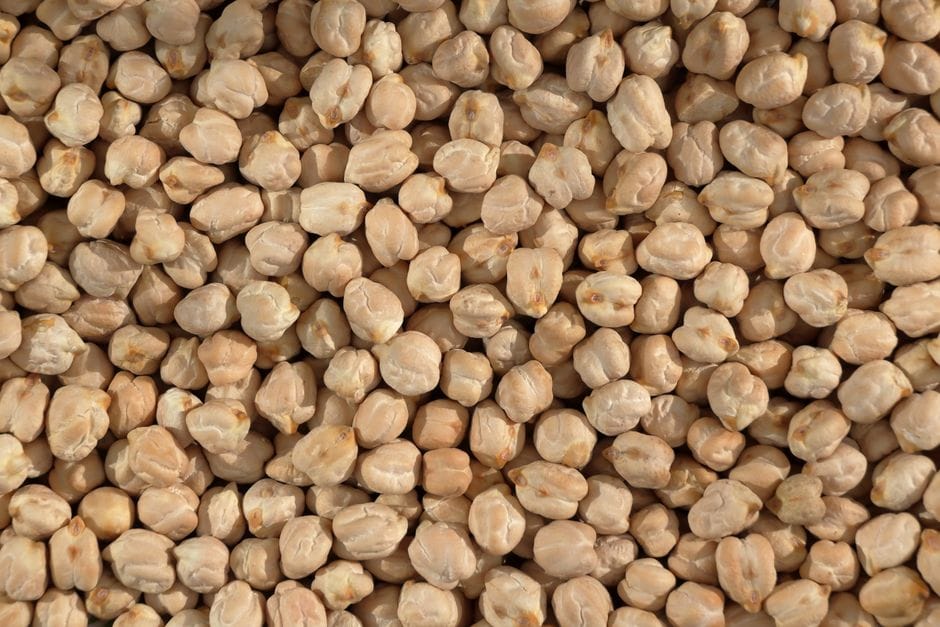
Two cans of chickpeas. Chickpeas hold their shape during simmering while still absorbing flavor. Draining and rinsing them removes excess sodium and the starchy liquid, which would thin your sauce and mute the spice. If you want to save a little time, you can skip patting them dry since they go straight into a wet sauce anyway.
Garam masala as the spice anchor. Garam masala is a pre-blended spice mix that already contains warm aromatics including cardamom, cloves, coriander, and black pepper. Using one tablespoon as the foundation means you get complex layered flavor with a short ingredient list. Adding ground cumin alongside it deepens the earthy note. Turmeric adds color and a mild bitterness that balances the sweetness of coconut milk.
Fresh garlic and ginger. Dried powders are convenient but they cannot replicate the pungent, slightly sweet quality of fresh aromatics cooked in hot oil. Three to four garlic cloves and a tablespoon of fresh grated ginger, added after the onion has softened, form the aromatic backbone that holds the whole dish together.
Baby spinach. Added in the final two minutes, spinach wilts almost instantly and adds color, micronutrients, and a gentle green flavor. Kale or Swiss chard work too, but need an extra two to three minutes.
Method Tips for the Best Results
Bloom your spices. After the onion, garlic, and ginger have softened, add all your ground spices and stir them constantly for 30 to 60 seconds before adding any liquid. The spices will darken slightly and become intensely fragrant. This step dissolves fat-soluble flavor compounds into the oil and is the single most impactful technique in the whole recipe.
Do not rush the onion. Give the onion a full five minutes over medium heat before adding garlic and ginger. A properly softened onion melts into the sauce and sweetens it; a barely-cooked onion leaves a raw, sharp bite that no amount of simmering fixes.
Simmer uncovered. Leaving the lid off for the 10 to 15 minute simmer allows the sauce to reduce and thicken. If you cover the pot, the sauce stays thin and watery. If it thickens too fast, add a splash of water or broth.
Add lime at the end, off the heat. Lime juice added early cooks off and turns bitter. Squeeze it in after you turn off the burner and stir it through. This brightens every other flavor without adding any sharpness.
Taste before serving. Coconut milk and canned tomatoes vary in salt and sweetness by brand. Always taste at the end and adjust salt, lime juice, or a small pinch of cayenne as needed.
Variations Worth Trying
Add a vegetable. Diced sweet potato or butternut squash added with the chickpeas needs about 15 to 20 minutes to become tender and turns this into a heartier meal. Cauliflower florets work in 12 to 15 minutes. Bell pepper strips added with the chickpeas stay slightly firm and add color.
Adjust the heat level. The base recipe is mild enough for most eaters. For a gentle warmth, add one-quarter teaspoon of cayenne with the spices. For genuine heat, increase to half a teaspoon or add a finely chopped green chili with the garlic.
Swap the greens. Spinach is the fastest option but kale gives more texture. Frozen peas stirred in at the very end (no need to thaw) add sweetness and make the dish more colorful without any additional cook time.
Make it oil-free. Replace the cooking oil with three to four tablespoons of water or vegetable broth. Add a splash at a time to prevent sticking. The aromatics will steam rather than fry, which produces a slightly less complex flavor, but the spice bloom step still works in a small amount of water.
Try a different protein. Red lentils can replace one can of chickpeas; add them raw with the coconut milk and they will cook in 15 to 20 minutes while naturally thickening the sauce. Firm tofu cubes, pressed and pan-seared separately, can be stirred in at the end for a different texture.
Serving and Storage
Serving. Steamed basmati rice is the classic pairing and the right choice for soaking up sauce. Brown rice, quinoa, or cauliflower rice all work. For bread on the side, vegan naan (check the label to confirm no dairy or eggs) is ideal for scooping. Garnish with fresh cilantro and lime wedges at the table so everyone can add to taste.
Leftovers. This curry stores well in an airtight container in the refrigerator for four to five days. The flavors deepen overnight, making it arguably better on day two. To reheat, warm it in a small saucepan over medium-low heat with a splash of water to loosen the sauce, or microwave in one-minute intervals, stirring between each.
Freezing. Portion the cooled curry into freezer-safe containers or bags and freeze for up to three months. Thaw overnight in the refrigerator before reheating. Chickpeas can become slightly softer after freezing but the flavor is fully intact. If the sauce separates after thawing, a quick stir over low heat brings it back together.
The recipe
Easy Vegan Chickpea Coconut Curry
Prep
10 min
Cook
20 min
Makes
4 to 6
Ingredients
- 1 tablespoon coconut oil or neutral vegetable oil
- 1 medium yellow onion, finely diced
- 4 garlic cloves, minced
- 1 tablespoon fresh ginger, grated
- 1 tablespoon garam masala
- 1 teaspoon ground cumin
- 1/2 teaspoon ground turmeric
- 1/2 teaspoon smoked paprika
- 1/4 teaspoon cayenne pepper (optional, for heat)
- 2 tablespoons tomato paste
- 1 can (14 oz) diced tomatoes with their juices
- 2 cans (15 oz each) chickpeas, drained and rinsed
- 1 can (13.5 oz) full-fat coconut milk
- 3/4 teaspoon fine salt, plus more to taste
- 1/4 teaspoon black pepper
- 3 large handfuls (about 3 oz) baby spinach
- Juice of 1/2 lime
- Fresh cilantro and lime wedges for serving
- Cooked basmati rice or vegan naan for serving
Instructions
- 1 Heat the oil in a large, deep skillet or pot over medium heat. Add the diced onion and cook, stirring occasionally, for 5 minutes until softened and lightly golden.
- 2 Add the minced garlic and grated ginger. Stir and cook for 1 minute until very fragrant.
- 3 Add the garam masala, cumin, turmeric, smoked paprika, and cayenne (if using). Stir constantly for 30 to 60 seconds until the spices darken slightly and smell aromatic.
- 4 Stir in the tomato paste and cook for 30 seconds, pressing it into the spices.
- 5 Pour in the diced tomatoes with their juices, the drained chickpeas, and the coconut milk. Add the salt and pepper. Stir everything together and bring to a gentle boil.
- 6 Reduce the heat to medium-low and simmer uncovered for 10 to 15 minutes, stirring occasionally, until the sauce has thickened to your liking. Add a splash of water if it thickens too much.
- 7 Stir in the baby spinach and cook for 1 to 2 minutes until wilted.
- 8 Remove from heat. Squeeze in the lime juice and stir through. Taste and adjust salt, lime, or cayenne as needed.
- 9 Serve over basmati rice or with vegan naan. Garnish with fresh cilantro and extra lime wedges.
Notes
- ·Blooming the spices in hot oil for 30 to 60 seconds before adding liquid is the most important technique in this recipe. Do not skip it.
- ·Full-fat coconut milk gives the creamiest result. Light coconut milk works but the sauce will be thinner.
- ·For a heartier curry, add 1 cup diced sweet potato or cauliflower florets along with the chickpeas and simmer for 15 to 20 minutes.
- ·This curry tastes even better the next day as the flavors continue to develop overnight.
- ·If using a vegan curry paste instead of ground spices, use 2 tablespoons and confirm the paste contains no shrimp paste or fish sauce.
Calories
310 kcal
Protein
9 g
Fat
18 g
Carbs
30 g
Frequently asked questions
Can I use dried chickpeas instead of canned?+
Yes. Soak 1 cup of dried chickpeas in cold water for at least 8 hours or overnight, then drain and rinse. Cook them in a separate pot of boiling water for 45 to 60 minutes until tender before adding them to the curry. Using pre-cooked canned chickpeas is faster and equally good for a weeknight recipe.
How do I make this curry thicker?+
Simmer it uncovered for a few extra minutes to reduce the sauce. You can also mash a handful of the chickpeas directly in the pot with the back of a spoon, which releases starch and thickens the sauce naturally without changing the flavor.
Is this curry gluten-free?+
Yes, all the core ingredients are naturally gluten-free. Check your garam masala label to confirm no gluten-containing fillers, and serve with rice rather than naan if strict gluten avoidance is needed.
Can I make this in an Instant Pot?+
Yes. Saute the onion, garlic, ginger, and spices using the Saute function as directed. Add all remaining ingredients except the spinach and lime juice, seal the lid, and pressure cook on High for 5 minutes with a quick pressure release. Stir in the spinach and lime juice after opening.
Written by
VeganDigest Editorial is the small independent team that researches and fact-checks this site. We are not doctors or dietitians. For every is-it-vegan verdict we read the product's current ingredient list and manufacturer information, and for anything health-related we report guidance from recognized bodies such as the NHS, the Vegan Society, and the Academy of Nutrition and Dietetics rather than offering medical advice. Every page shows the date it was last verified, and our full process is on the How We Verify page.
Comments