Vegan Parmesan (the 5-minute cashew kind I actually keep on hand)
- Gluten-free
- Soy-free
- Oil-free
In this guide7
I went years thinking parmesan was basically a vegetable. It's hard, it's dusty, it lives in a green can in the pantry next to the dried oregano. Surely that's not real cheese?
It is. And the fancy wedge version is arguably the least vegetarian cheese there is.
Wait, isn't parmesan just cheese?
Here's the part nobody tells you. Authentic Parmigiano-Reggiano is made with animal rennet, an enzyme pulled from the stomach lining of young calves. By the rules of the protected name, it has to be.
So real parmesan isn't just non-vegan. It isn't even vegetarian.
The green-can stuff? Still cheese. Milk, cheese cultures, and usually an anti-caking agent (yep, sometimes cellulose from wood pulp, and that part's true, not a myth).
Either way: dairy.
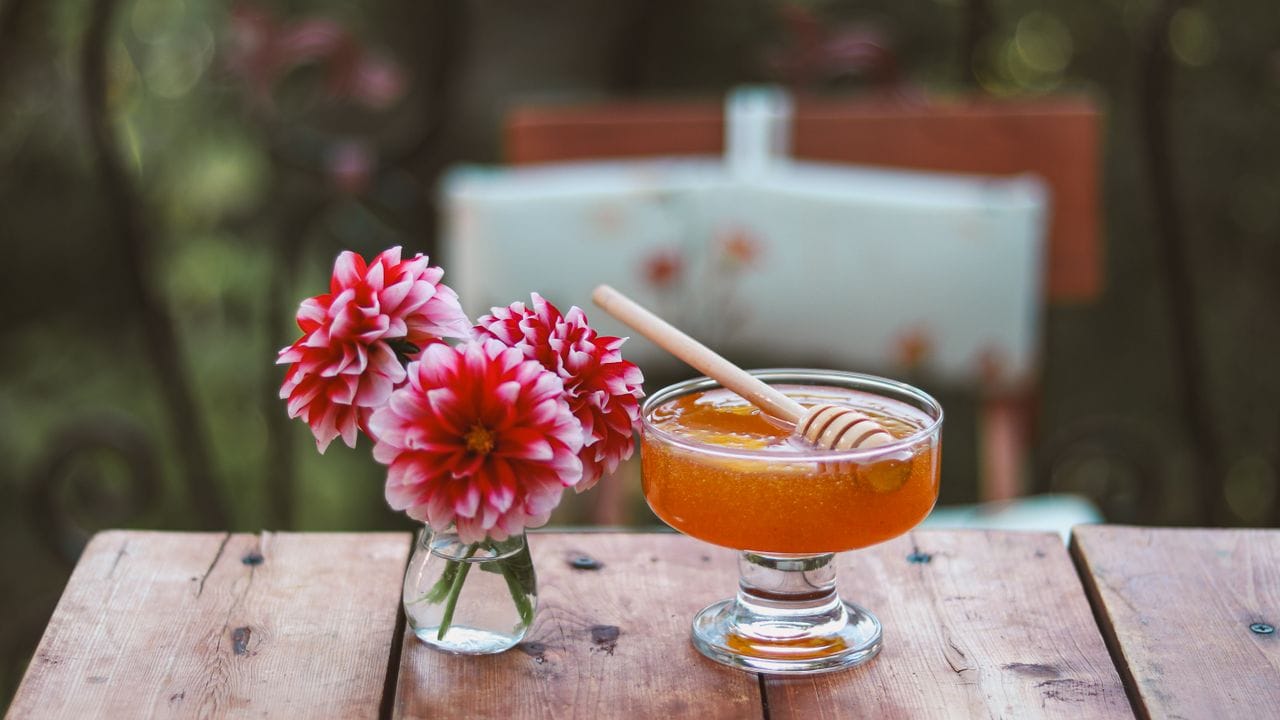
This is the same trap as a lot of "surely it's fine" foods. If you've been down the is honey vegan rabbit hole, you know the feeling. The label rarely says what you assume.
So if you're vegan and a recipe says "top with parmesan," you've got two options. Buy one of the few plant-based parms that have started showing up (read the label, look for a vegan stamp), or make the version below, which costs about a third as much and takes less time than finding your good knife.
I make the second one. Here's why.
The four things you actually need
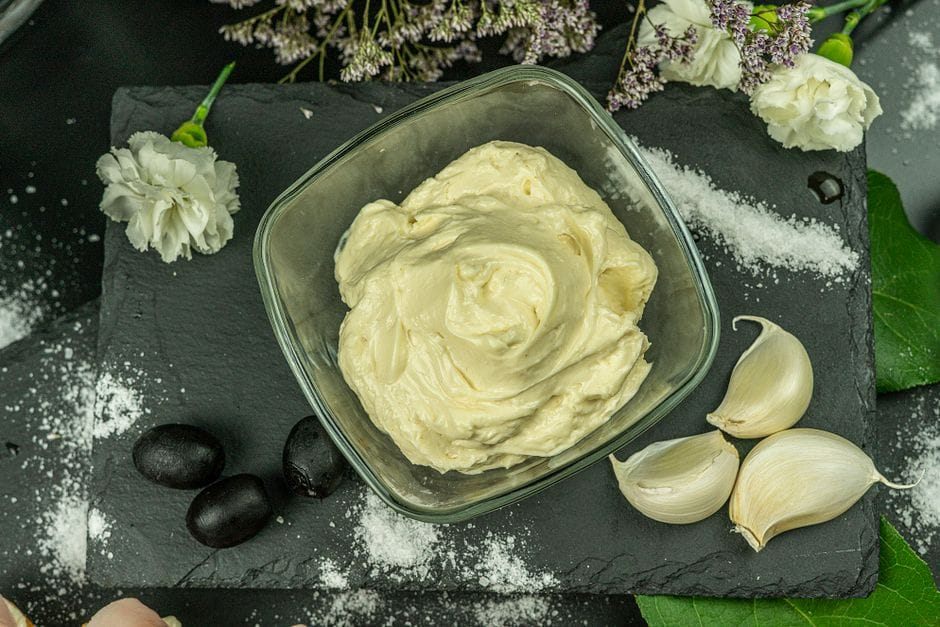
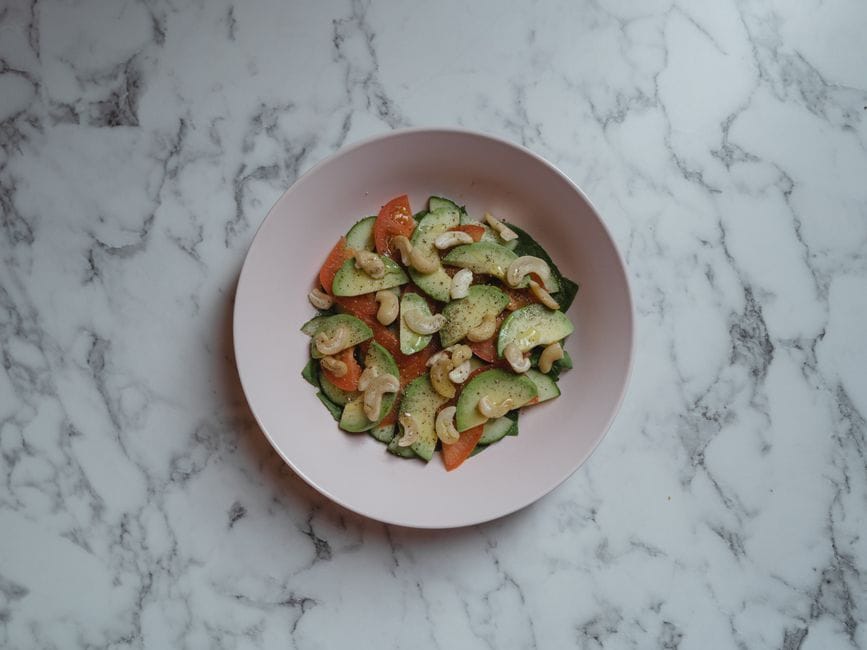 Photo: Tima Miroshnichenko / Pexels
Cashews, nutritional yeast, salt, garlic powder. That's the whole list.
- Raw cashews do the heavy lifting. They're fatty and mild, so when you grind them down they read as "aged, crumbly cheese" instead of "nuts."
- Nutritional yeast is the savory, slightly cheesy hit. This is the ingredient doing the parmesan impression.
- Salt is non-negotiable. Real parm is salty. Under-salt this and it tastes like ground cashews, because that's what it is.
- Garlic powder is my one liberty. It's not strictly traditional, but a little rounds everything out. Leave it out if you're a purist.
A quick word on the nutritional yeast, because it's the part that feels like a trick. It reads as cheesy because it's packed with free glutamates, the same savory umami compounds that give aged parmesan its depth. That's not marketing, it's just chemistry.
One label tip while you're buying it: if you're leaning on nooch for vitamin B12, only the fortified kind has any. Some brands add it, some don't, and they look identical in the jar, so read the side panel.
The ratio that matters
If you remember one thing, make it this: roughly 4 parts cashews to 1 part nutritional yeast, then salt to taste.
People mess this up by going heavy on the nooch because they think more equals cheesier. It doesn't. Too much nutritional yeast turns it bitter and powdery.
The cashews are the body. The yeast is the seasoning. Keep that order in your head and you basically can't get it wrong.
(The exact amounts are in the recipe card. Hit Jump to recipe up top if you just want the numbers.)
When it goes wrong, and three ways to change it up
Three things trip people up, and all three are easy. If it turns into a damp paste, you ran the motor too long and the cashews gave up their oil. Pulse in short bursts and stop the second it looks like sand.
(If it does clump, don't bin it. Press it onto the top of a baked pasta where nobody will ever know.) If it tastes bitter and powdery, you went heavy on the nooch, so pull the ratio back toward the cashews.
And if it just tastes flat, it almost always needs more salt, not more yeast.
Once you've got the base, it takes happily to tweaks:
- Nut-free. Swap the cashews 1:1 for raw sunflower seeds, which give the closest texture. Pepitas (pumpkin seeds) and hemp hearts both work too, a little greener in flavor.
- Walnut version. Use walnuts instead of cashews for a cheaper, earthier parm. It's a touch more savory and very good on roasted vegetables.
- More tang and depth. A teaspoon of white miso stirred in adds a fermented, aged-cheese funk. A small squeeze of lemon or a pinch of citric acid mimics the sharpness real parm gets with age, and a few drops of soy sauce push the savory further. Add any of these and pulse once more.
How I actually use it
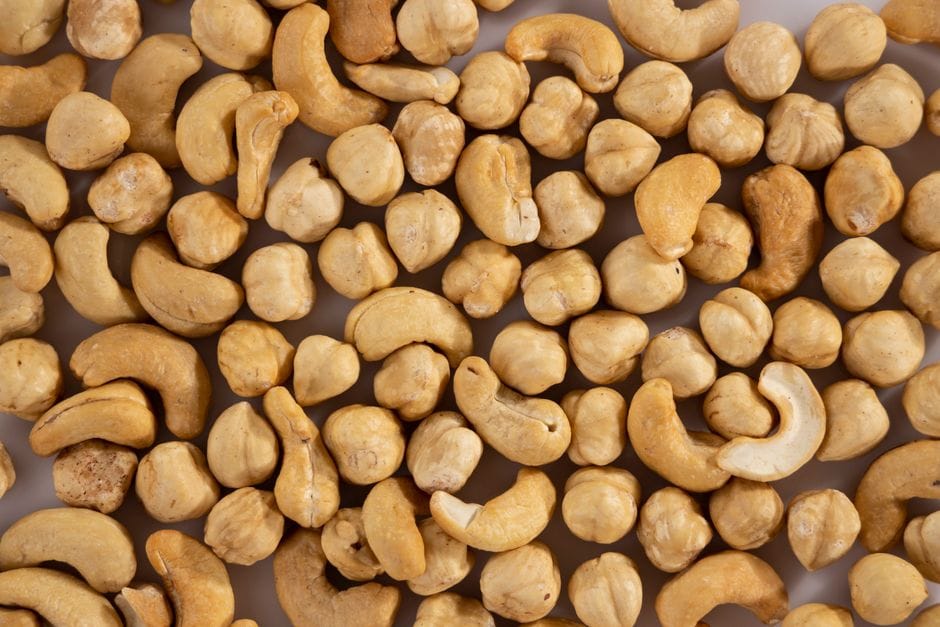 Photo: Engin Akyurt / Pexels
Everywhere I'd have used the dairy kind, and a few places I wouldn't have:
- Showered over pasta, obviously. Cacio e pepe, spaghetti, a big bowl of marinara. This is its home.
- On roasted vegetables in the last five minutes, so it toasts.
- Stirred into the breadcrumb topping for a baked pasta. Genuinely better than the original here.
- A spoonful into risotto off the heat. It won't go stringy, but it brings the salt-and-savor that makes risotto taste finished.
- Tossed through a kale caesar, where the dressing carries it and the crumbs cling to the leaves.
- Scattered over a tofu scramble or a bowl of soup, the same way you'd hit either with the dairy kind.
What it won't do is melt into a stretchy blanket, and it won't crisp into a lacy frico either. That needs a different formula entirely (soaked nuts, lemon, a little soy sauce, baked thin). This is a finishing cheese, not a melting one.
If you need melt, that's a different swap, and you'll find the rest of them in our vegan swaps section.
If you'd rather just buy it
No shame in it. A few genuinely good plant-based parms exist now, and they've gotten easier to find.
The three I reach for are Violife Prosociano, a firm wedge you grate exactly like the real thing; Follow Your Heart's grated dairy-free parmesan, which fills the green-can slot and carries a certified-vegan stamp; and Parma!, which is essentially this recipe in a jar (nutritional yeast and seeds). Formulas change, so glance at the label each time, but all three are plant-based as of writing.
Homemade is still cheaper by a wide margin, but a jar in the cupboard is a fair backup.
Storing it
Because it's dry, it keeps beautifully: about three weeks in a sealed jar in the fridge, and three to four months in the freezer, where it stays loose and crumbly instead of clumping. I make a double batch and stop thinking about parmesan for a month.
Honestly, the hardest part is not eating it by the spoonful before it reaches the pasta. No notes on how to fix that. I've stopped trying.
The recipe
5-Minute Vegan Parmesan
Prep
5 min
Total
5 min
Makes
1 cup (about 120 g)
Ingredients
- 1 cup (130 g) raw cashews
- 3 Tbsp nutritional yeast
- 3/4 tsp fine sea salt
- 1/2 tsp garlic powder
Instructions
- 1 Add everything to a food processor or a small high-speed blender.
- 2 Pulse in short bursts, 8 to 10 quick pulses, until it looks like coarse, sandy crumbs. Stop before it turns into cashew butter.
- 3 Taste. Want it saltier or cheesier? Add a pinch more salt or another teaspoon of nutritional yeast and pulse once more.
- 4 Tip into a jar. Store airtight in the fridge.
Notes
- ·Pulse, don't run the motor. The difference between vegan parm and cashew paste is about three seconds of over-blending.
- ·For a nut-free batch, use raw sunflower seeds 1:1.
Calories
80 per 2 Tbsp
Protein
3 g
Fat
6 g
Carbs
4 g
Frequently asked questions
Is store-bought parmesan vegan?+
No. Traditional Parmigiano-Reggiano is made with animal rennet (an enzyme from the stomach lining of calves), so it isn't even vegetarian. The shelf-stable green-can stuff is real cheese too, plus milk-based ingredients. Always check for a vegan-certified label. A handful of brands now make plant-based parm, but the default is dairy.
Does vegan parmesan melt?+
This cashew version doesn't melt into a gooey layer. It's a finishing cheese, like the grated stuff you shower over pasta. It softens and goes nutty when it hits something hot, which is exactly what you want on top of spaghetti or roasted veg.
How long does it keep?+
About 3 weeks in an airtight jar in the fridge, and it freezes for a few months. Because it's dry, it stays crumbly the whole time, no clumping.
Can I make it nut-free?+
Yes. Swap the cashews for raw sunflower seeds or hemp seeds 1:1. Sunflower seeds give the closest texture. Hemp is softer and a little greener in flavor.
Written by
VeganDigest Editorial is the small independent team that researches and fact-checks this site. We are not doctors or dietitians. For every is-it-vegan verdict we read the product's current ingredient list and manufacturer information, and for anything health-related we report guidance from recognized bodies such as the NHS, the Vegan Society, and the Academy of Nutrition and Dietetics rather than offering medical advice. Every page shows the date it was last verified, and our full process is on the How We Verify page.
Comments