Quick Vegan Ramen (Miso Broth, Crispy Tofu, Fresh Vegetables)

 Jump to recipe ↓
 In this guide5
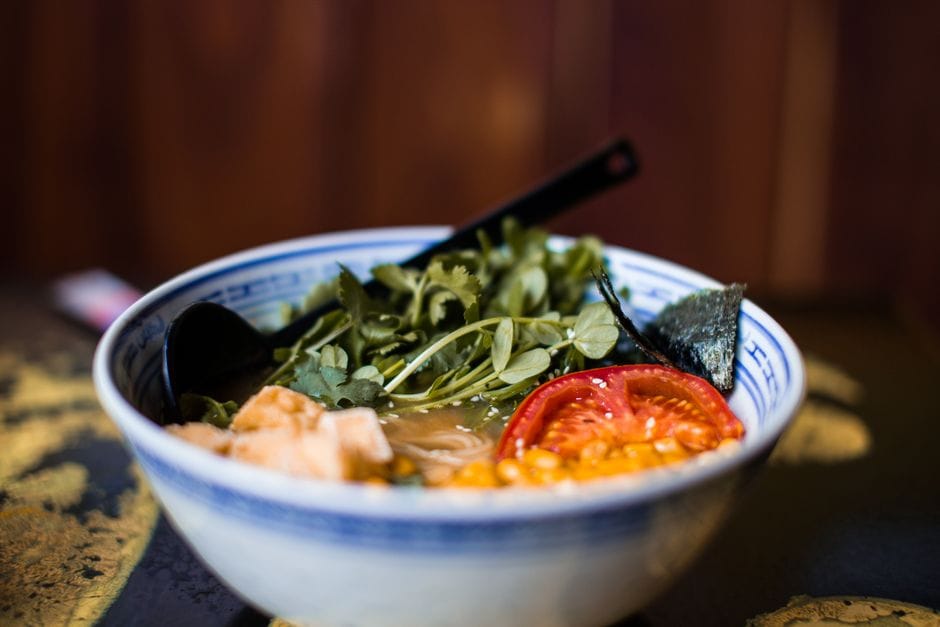
Vegan ramen absolutely delivers the rich, warming bowl you want, and this version does it in about 30 minutes. The broth is built on white miso, tahini, dried shiitake mushrooms, and vegetable stock, giving it layers of umami depth without any animal products or hours of simmering. Crispy pan-seared tofu stands in for chashu pork, and a pile of bok choy, carrots, and corn makes every bowl colorful and satisfying.
This is the recipe to reach for on a weeknight when you want something genuinely comforting. The method is straightforward, the ingredients are easy to find, and the technique of whisking miso off the heat (instead of boiling it) is the one small step that lifts the broth from good to great.
Why This Recipe Works
Most quick vegan ramen falls flat because the broth tastes thin and one-dimensional. This recipe avoids that by building flavor in layers rather than relying on a long simmer.
First, aromatics (garlic, ginger, and scallion whites) are sauteed until softened and fragrant. That caramelized base sets the stage for everything else. Next, dried shiitake mushrooms steep in the hot broth, releasing glutamates that add savory depth you simply cannot get from mushroom powder alone. The tahini adds creaminess and a subtle nuttiness that rounds out the saltiness of the soy sauce. Finally, the miso paste goes in off the heat, which preserves its complex, probiotic-rich flavor rather than cooking it into bitterness.
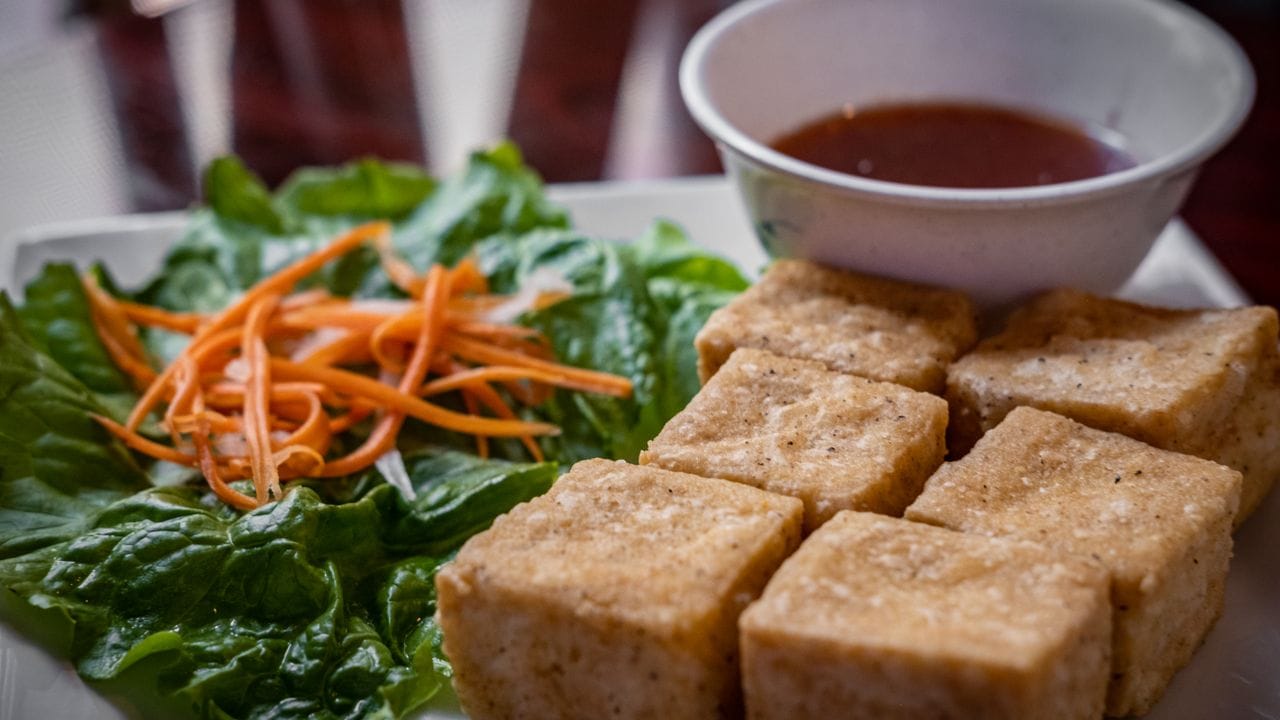
Tofu gets the same respect. Patting it dry, tossing it in cornstarch, and searing it in a hot pan turns it into golden, slightly crispy cubes that hold their shape in the bowl instead of turning to mush.
Key Ingredients and Why They Matter
White miso paste: Lighter and sweeter than red miso, white miso gives the broth a gentle salty-savory base without overpowering the other flavors. Use 2 to 3 tablespoons per 4 cups of broth. Add it after the heat is off to preserve its character.
Tahini: Three tablespoons of tahini stirred into the broth creates a silky, almost creamy texture and contributes an earthy depth that balances the brightness of soy sauce and ginger. Peanut butter is a valid substitute and several tested sources use it interchangeably.
Dried shiitake mushrooms: A small handful steeped in the hot broth for 10 minutes contributes concentrated umami. Use the soaking liquid directly in the broth, as that liquid holds a significant portion of the flavor. After soaking, slice the mushrooms and add them as a topping.
Soy sauce or tamari: Two tablespoons add saltiness and an extra layer of savory flavor. Tamari works for anyone avoiding wheat.
Vegetable stock: Six cups forms the base. A good-quality, low-sodium stock gives you control over the final salt level.
Extra-firm tofu: Drier than silken or soft varieties, extra-firm tofu holds up to cornstarch coating and high-heat searing. Press it for at least 15 minutes to remove excess moisture before cooking.
Bok choy and carrots: Bok choy wilts gently in the hot broth in about 2 minutes, staying slightly crisp at the stem. Carrots are best julienned thin so they soften quickly without pre-cooking.
Method Tips for the Best Bowl
Press and cornstarch the tofu. After pressing, cut into 1-inch cubes and toss with 1 tablespoon of cornstarch plus a pinch of salt. The starch creates a thin crust that crisps in the pan and stays firm in the broth.
Sear the tofu first, separately. Cook tofu in a skillet with a thin layer of neutral oil over medium-high heat for 4 to 5 minutes per side until golden. Set it aside and build the broth in the same pan, or in a separate pot. Having the tofu ready to add at the end means it does not overcook.
Steep mushrooms in the broth, not water. Add dried shiitakes directly to your simmering broth rather than a separate bowl of water. The broth absorbs all of that mushroom flavor and you skip an extra step.
Whisk miso off the heat. Once the broth is hot and the noodles are cooked, pull the pot off the burner. Ladle a small amount of broth into a bowl with the miso paste, whisk it smooth, then stir it back into the pot. This single step keeps the miso flavor bright and prevents the flat, slightly bitter note that comes from boiling miso.
Cook noodles separately if making ahead. Ramen noodles continue absorbing broth as they sit and become starchy and mushy within minutes. If you plan to store leftovers, cook and store noodles separately, then add them to hot broth in each bowl at serving time.
Variations
Creamy coconut miso ramen: Swap 1 cup of the vegetable stock for full-fat coconut milk. Stir it in with the rest of the broth. The result is noticeably richer and slightly sweet, pairing well with a drizzle of chili oil.
Spicy version: Add 1 tablespoon of gochujang (Korean fermented chili paste) to the aromatics at the start, or stir chili crisp oil into each bowl at serving. Adjust to your heat preference.
Mushroom-forward ramen: Use a mix of shiitake, oyster, and king trumpet mushrooms both in the broth and as the main topping. Skip the tofu or use it alongside. This version is especially satisfying for anyone who loves a more traditional mushroom broth profile.
Soy broth base (lighter style): If you prefer a clearer, lighter broth, omit the tahini and skip the blending step. Use 3 tablespoons of soy sauce, 1 tablespoon of sesame oil, and the shiitake soaking liquid as your primary flavoring. This produces a more delicate, shoyu-style bowl.
Serving and Storage
Serve ramen immediately. The noodles absorb broth quickly and the toppings lose their texture within minutes. Lay out crispy tofu, bok choy, sliced soaked mushrooms, corn, and scallions in sections on top of the noodles before ladling the hot broth over everything. A sprinkle of sesame seeds and a few drops of sesame oil finish the bowl well.
For storage, keep the broth, noodles, and toppings in separate airtight containers in the refrigerator for up to 3 days. Reheat the broth gently on the stove, cook fresh noodles, and reassemble. The broth freezes well for up to 1 month. Tofu is best re-crisped in a dry skillet or oven at 200C (400F) for 5 to 8 minutes before serving from cold.
The recipe
Quick Vegan Ramen
Prep
15 min
Cook
20 min
Makes
4 bowls
Ingredients
- 400g (14 oz) extra-firm tofu, pressed and cut into 1-inch cubes
- 1 tablespoon cornstarch
- 2 tablespoons neutral oil (such as avocado or sunflower), divided
- 1 tablespoon sesame oil
- 3 cloves garlic, minced
- 1 tablespoon fresh ginger, finely grated
- 3 scallions, white and green parts separated
- 6 dried shiitake mushrooms
- 6 cups (1.4 L) low-sodium vegetable stock
- 2 tablespoons soy sauce or tamari (plus more to taste)
- 3 tablespoons white miso paste
- 3 tablespoons tahini
- 1 teaspoon rice vinegar
- 4 portions (about 280g total) dried ramen noodles
- 2 heads bok choy, halved or quartered lengthwise
- 1 medium carrot, julienned
- 1 cup corn kernels (fresh, frozen, or canned)
- 1 tablespoon sesame seeds, for garnish
- 2 scallion greens, thinly sliced, for garnish
- Chili oil or chili crisp, to taste (optional)
Instructions
- 1 Press tofu for 15 minutes using a tofu press or by wrapping in clean towels and placing a heavy pan on top. Pat dry, cut into 1-inch cubes, and toss with cornstarch and a pinch of salt until evenly coated.
- 2 Heat 1 tablespoon of neutral oil in a large non-stick skillet over medium-high heat. Add the tofu in a single layer and cook undisturbed for 4 to 5 minutes until golden on the bottom. Flip and cook another 4 minutes until crispy on all sides. Transfer to a plate and set aside.
- 3 In a large pot, heat sesame oil and remaining 1 tablespoon neutral oil over medium heat. Add garlic, ginger, and scallion whites. Saute for 2 to 3 minutes until fragrant and softened.
- 4 Add the dried shiitake mushrooms and the full 6 cups of vegetable stock. Increase the heat to medium-high and bring to a gentle boil, then reduce to a simmer. Add the soy sauce and tahini, whisking to fully incorporate the tahini. Simmer for 10 minutes to let the mushrooms rehydrate and infuse the broth.
- 5 Remove the shiitake mushrooms with tongs or a slotted spoon. Slice them thinly and set aside as a topping. Stir the rice vinegar into the broth.
- 6 Cook the ramen noodles in a separate pot of boiling water according to package directions (usually 3 to 4 minutes). Drain and divide among 4 bowls.
- 7 Add the bok choy to the simmering broth and cook for 2 minutes until slightly wilted but still crisp at the stem. Add the corn and warm through for 1 minute.
- 8 Remove the pot from heat. In a small bowl, ladle about 3 tablespoons of hot broth over the miso paste and whisk until completely smooth. Stir the dissolved miso back into the pot. Taste and adjust soy sauce as needed.
- 9 Ladle the hot broth and vegetables over the noodles in each bowl. Top each bowl with crispy tofu, sliced shiitake mushrooms, julienned carrot, scallion greens, and sesame seeds. Add chili oil if desired. Serve immediately.
Notes
- ·Do not boil the broth after adding the miso paste. Boiling dulls its flavor and eliminates beneficial compounds. Always add miso off the heat.
- ·For a creamier broth, stir in 1 cup of unsweetened oat milk or soy milk along with the stock in step 4.
- ·Tamari keeps this recipe gluten-free as long as your ramen noodles are also certified gluten-free (look for rice ramen).
- ·If making ahead, store broth, noodles, and toppings separately. Noodles sitting in broth become starchy and fall apart. Reheat broth gently and cook fresh noodles at serving time.
- ·The broth can be simmered for up to 1 hour for a deeper, richer flavor if time allows.
Calories
430 kcal
Protein
22g
Fat
17g
Carbs
51g
Frequently asked questions
Can I use soft or silken tofu instead of extra-firm?+
Soft and silken tofu will not crisp up in the pan. They are better suited as a topping added raw or just warmed in the broth at the end, where their texture becomes silky and creamy. For the crispy tofu element described in this recipe, extra-firm or super-firm tofu is the right choice.
What ramen noodles are vegan?+
Most dried ramen noodles (the noodle portion only) are vegan, made from wheat flour, water, and salt. Check the label to confirm there are no egg ingredients. The seasoning packets that come with instant ramen are often not vegan, so discard them and use the broth from this recipe instead.
Can I make the broth ahead of time?+
Yes. The broth keeps in the refrigerator for up to 3 days and freezes well for up to 1 month. Add miso after reheating rather than before freezing, as the flavor holds better that way. Store cooked noodles and toppings separately and assemble fresh bowls at serving time.
What can I use instead of tahini?+
Peanut butter is the most common substitute and several reputable vegan ramen recipes use it as the default. It gives a slightly nuttier, more assertive flavor. Sunflower seed butter works as a nut-free option. If you prefer a clearer, lighter broth, omit the tahini entirely and add an extra teaspoon of sesame oil for aroma.
Written by
VeganDigest Editorial is the small independent team that researches and fact-checks this site. We are not doctors or dietitians. For every is-it-vegan verdict we read the product's current ingredient list and manufacturer information, and for anything health-related we report guidance from recognized bodies such as the NHS, the Vegan Society, and the Academy of Nutrition and Dietetics rather than offering medical advice. Every page shows the date it was last verified, and our full process is on the How We Verify page.
Comments