Vegan Buddha Bowl (Build-Your-Own with Tahini Dressing)
 Jump to recipe ↓
 In this guide5
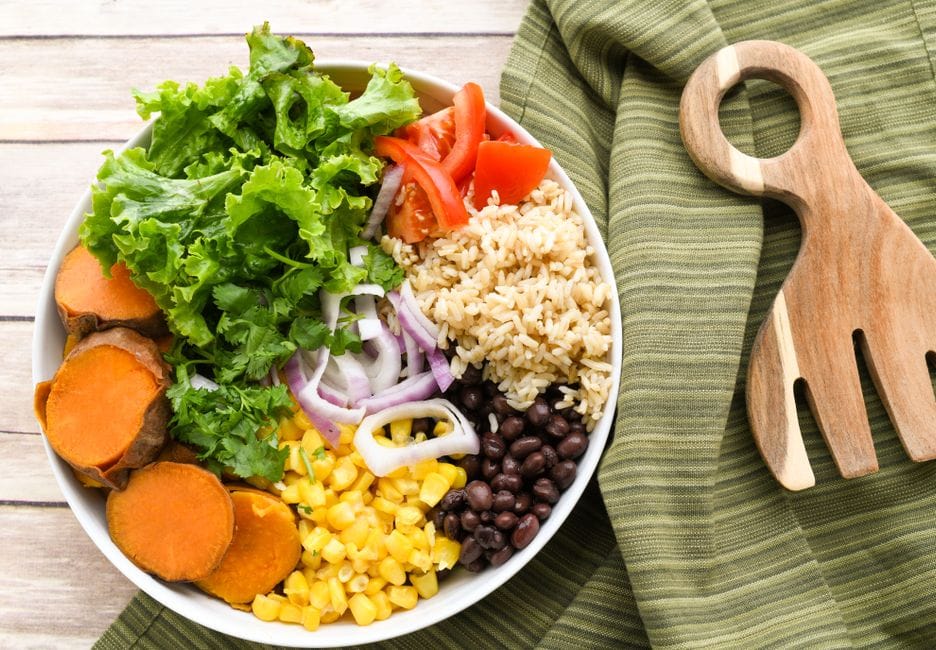
A vegan buddha bowl is one of the most satisfying plant-based meals you can make: a wide bowl packed with a fluffy grain base, caramelized roasted vegetables, a protein source like crispy chickpeas, some raw crunch, and a creamy tahini dressing that ties everything together. It works because every component is seasoned at its own stage, which means each bite holds flavor from the bottom of the bowl to the top.
This guide gives you a tested, concrete recipe built around quinoa, roasted sweet potato, and cumin-spiced chickpeas, then walks you through the build-your-own formula so you can swap freely with whatever is in season. The tahini dressing comes together in under two minutes and keeps in the fridge for a week, making this an ideal meal-prep anchor for busy weeks.
Why a Buddha Bowl Actually Works
The genius of the buddha bowl format is that it treats a meal as a system rather than a recipe. Each layer plays a specific nutritional and textural role, and because nothing depends on another component being cooked at the exact same time, the whole thing is genuinely low-stress.
The grain base (quinoa, brown rice, farro) provides slow-burning carbohydrates and makes the bowl filling. Roasted vegetables add depth and sweetness that raw vegetables simply cannot match. The plant protein source (chickpeas, lentils, edamame, or baked tofu) gives substance. A raw element such as shredded cabbage, thinly sliced cucumber, or massaged kale adds freshness and textural contrast. Then the dressing brings fat and acid to pull every flavor into focus.
Tahini is the natural dressing fat here because it behaves differently from olive oil: it emulsifies with lemon juice and a small amount of warm water to form a pourable, creamy sauce with genuine body. One thing to know: tahini seizes and clumps when it first meets acid. Keep whisking and add the warm water a splash at a time, and the sauce will loosen into a smooth drizzleable consistency within about 60 seconds.
Key Ingredients and What They Do
Quinoa cooks in 15 minutes (1 part quinoa to 2 parts water or broth) and provides about 8 grams of protein per cup cooked, more than most grains. Using vegetable broth instead of plain water adds a background savory note that improves the whole bowl. Brown rice, farro, or barley all work equally well if you prefer.
Sweet potato is the roasting workhorse because its natural sugars caramelize at 400 degrees F, giving you golden edges and a soft, sweet interior. Cut it into roughly half-inch cubes for even cooking and a good surface area to crisp ratio. They need 25 to 30 minutes at 400 degrees F, tossing once halfway through.
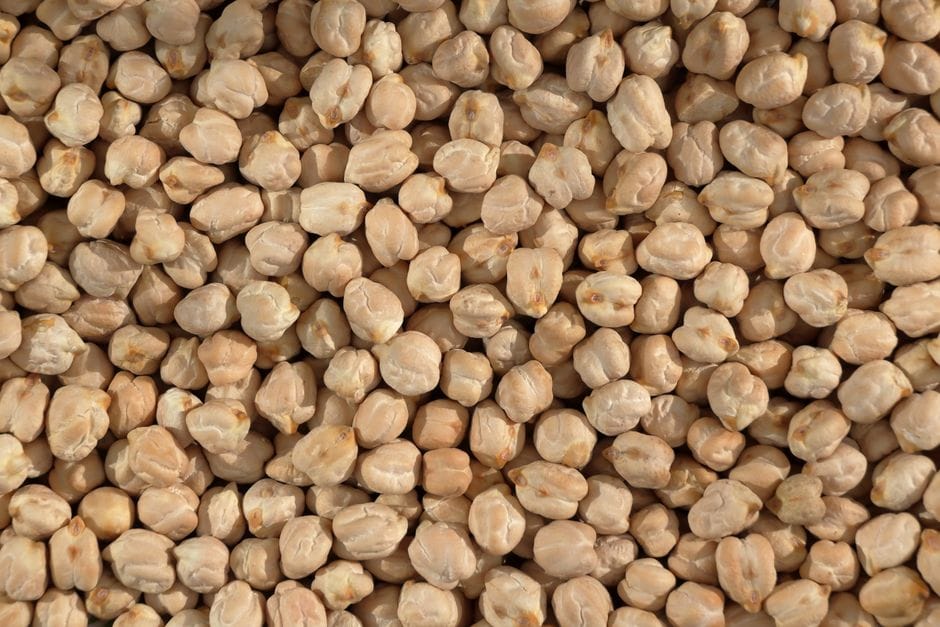
Canned chickpeas are the fastest protein choice here. Drain them, rinse them, and then pat them thoroughly dry before seasoning. Moisture is the enemy of crispiness: any water left on the surface creates steam in the pan or oven instead of a crust. Season with cumin, smoked paprika, garlic powder, salt, and pepper. They can either be pan-crisped in a skillet over medium-high heat for about 8 to 10 minutes (faster and very crispy) or oven-roasted alongside the sweet potato for 25 to 30 minutes.
Kale benefits from a quick massage: toss the leaves with a small drizzle of olive oil and a pinch of salt, then squeeze and rub them with your hands for about 90 seconds. The leaves shrink, soften, and lose their raw bitterness, becoming mild and almost silky.
Tahini is made from ground sesame seeds and is the backbone of the dressing. Use a well-stirred, runny tahini (not a thick or dry one) for the smoothest result. The ratio that works reliably across tested sources is 3 tablespoons tahini to 2 tablespoons fresh lemon juice to 1 tablespoon maple syrup, thinned with 2 to 4 tablespoons warm water. The garlic goes in raw, grated on a microplane or pressed fine so it fully incorporates.
Method Tips for the Best Results
Use parchment and give everything space. Crowded vegetables steam instead of roast. Spread cubed sweet potato and chickpeas in a single layer with a little room between each piece. If your baking sheet feels too crowded, use two sheets or roast in batches.
Season in stages. Oil and salt the sweet potato before roasting, season the chickpeas separately in their own spice blend, and season the kale when you massage it. This is what makes a buddha bowl taste layered rather than flat.
Make the dressing first. It takes two minutes and then sits while everything else cooks, giving the raw garlic time to mellow slightly. Taste and adjust: if it is too sharp, add a touch more maple syrup; if too thick, add warm water a tablespoon at a time.
Assemble in sections, not stirred. Arrange each component in its own area of the bowl before drizzling the dressing. This keeps textures distinct and makes the bowl visually striking. A standard serving ratio that works well is about half a cup of cooked grains, one cup of greens, half a cup of roasted vegetables, a third of a cup of chickpeas, and two tablespoons of dressing per bowl.
Warm the grain base. Cold quinoa straight from the fridge makes the whole bowl feel like leftovers. Reheat it briefly in a pan with a splash of water or microwave it covered for 60 seconds before assembling.
Variations to Try
Change the grain. Brown rice gives a chewier, nuttier base. Farro adds a toothsome bite. For a grain-free version, use cauliflower rice or a base of extra greens.
Swap the protein. Baked or pan-fried tofu works beautifully (press it dry, cube it, toss with soy sauce and garlic, bake at 400 degrees F for 25 to 30 minutes). Cooked lentils or edamame are faster options that need no cooking at all if you buy them ready-to-eat.
Roast different vegetables. Broccoli or broccolini, cauliflower, red onion wedges, zucchini, and beets all roast well at 400 degrees F. Beets take longer (40 to 45 minutes wrapped in foil) and should be roasted separately to avoid bleeding their color onto other ingredients.
Adjust the dressing. Add a teaspoon of grated fresh ginger and a teaspoon of white miso for a Japanese-inflected version. Stir in a quarter teaspoon of smoked paprika for a smokier, warmer profile. Replace half the lemon juice with lime juice and add a pinch of cumin for a more Southwest feel.
Add a raw crunch element. Toasted sesame seeds, pumpkin seeds, sunflower seeds, or crushed roasted peanuts finish the bowl with a textural pop and a little extra protein.
Serving and Storage
Serve immediately after assembling so the kale stays bright and the chickpeas hold their crispiness. Avocado slices added just before serving are the most common finisher and they are worth including: the fat in avocado makes the tahini dressing taste even richer.
For meal prep, store each component separately in airtight containers in the refrigerator. Cooked quinoa keeps for 3 to 4 days. Roasted vegetables and chickpeas keep for 3 to 4 days. The tahini dressing keeps for up to one week (whisk in a splash of water if it thickens in the fridge). Massaged kale holds well for 2 to 3 days, which is unusual for a leafy green and makes it particularly meal-prep friendly.
Do not pre-assemble bowls if you plan to store them: the grain absorbs the dressing overnight and the whole bowl turns mushy. Assemble fresh each time from your prepped components.
The recipe
Vegan Buddha Bowl with Tahini Dressing
Prep
15 min
Cook
30 min
Makes
3 to 4 servings
Ingredients
- 1 cup dry quinoa
- 2 cups vegetable broth or water
- 1 large sweet potato (about 400g), peeled and cut into half-inch cubes
- 1 tablespoon olive oil (for sweet potato)
- 1/4 teaspoon salt (for sweet potato)
- 1/4 teaspoon black pepper (for sweet potato)
- 1 (15-oz) can chickpeas, drained, rinsed, and patted very dry
- 1 tablespoon olive oil (for chickpeas)
- 1 teaspoon ground cumin
- 1/2 teaspoon smoked paprika
- 1/2 teaspoon garlic powder
- 1/4 teaspoon salt (for chickpeas)
- 1/4 teaspoon black pepper (for chickpeas)
- 4 large kale leaves, stems removed and leaves chopped
- 1 teaspoon olive oil (for kale)
- 1/4 teaspoon salt (for kale)
- 1 cup shredded red cabbage
- 1 cup sliced cucumber
- 1 ripe avocado, sliced
- 2 tablespoons sesame seeds or pumpkin seeds
- 3 tablespoons tahini (well-stirred)
- 2 tablespoons fresh lemon juice
- 1 tablespoon maple syrup
- 1 small garlic clove, grated or finely minced
- 2 to 4 tablespoons warm water
- Pinch of salt (for dressing)
Instructions
- 1 Preheat your oven to 400 degrees F (205 degrees C). Line a large baking sheet with parchment paper.
- 2 Rinse the quinoa under cold water, then combine with the vegetable broth in a small saucepan. Bring to a boil, reduce heat to low, cover, and simmer for 15 minutes. Remove from heat and let sit covered for 5 minutes, then fluff with a fork.
- 3 Toss the sweet potato cubes with 1 tablespoon olive oil, 1/4 teaspoon salt, and 1/4 teaspoon black pepper. Spread in a single layer on one half of the prepared baking sheet.
- 4 In a bowl, toss the dried chickpeas with 1 tablespoon olive oil, cumin, smoked paprika, garlic powder, 1/4 teaspoon salt, and 1/4 teaspoon pepper. Spread on the other half of the baking sheet.
- 5 Roast for 25 to 30 minutes, tossing everything once at the 15-minute mark, until the sweet potato is golden and tender at the edges and the chickpeas are crispy.
- 6 While the vegetables roast, make the tahini dressing. Whisk together the tahini, lemon juice, maple syrup, and grated garlic in a small bowl. The mixture will seize and look thick at first. Add warm water one tablespoon at a time, whisking continuously, until the dressing is pourable and smooth. Season with a pinch of salt. Set aside.
- 7 Place the chopped kale in a bowl. Drizzle with 1 teaspoon olive oil and add the pinch of salt. Massage firmly with your hands for about 90 seconds until the leaves have softened and reduced in volume by roughly half.
- 8 Assemble the bowls: divide the cooked quinoa among 3 to 4 wide bowls. Arrange the massaged kale, roasted sweet potato, crispy chickpeas, shredded cabbage, and cucumber in separate sections around the bowl. Top with avocado slices.
- 9 Drizzle 2 tablespoons of tahini dressing over each bowl and finish with a sprinkle of sesame seeds or pumpkin seeds. Serve immediately.
Notes
- ·Pat the chickpeas very dry before seasoning. Even a little surface moisture prevents them from crisping properly in the oven.
- ·Tahini brands vary a lot in thickness. If your dressing is still very thick after 4 tablespoons of water, add more one tablespoon at a time until it falls in a slow drizzle from a spoon.
- ·To meal-prep this recipe, store each component separately in airtight containers. Cooked quinoa and roasted vegetables keep for 3 to 4 days. The tahini dressing keeps for up to 1 week. Assemble bowls fresh each day.
- ·For crispier chickpeas, you can pan-roast them instead: heat a skillet over medium-high heat, add 1 tablespoon oil and the seasoned chickpeas, and cook for 8 to 10 minutes, stirring frequently, until browned and crispy.
- ·Use farro, brown rice, or cauliflower rice in place of quinoa. Use baked tofu or cooked lentils in place of chickpeas.
Calories
510
Protein
17g
Fat
22g
Carbs
65g
Frequently asked questions
What grains work best in a buddha bowl?+
Quinoa is the most popular choice because it cooks in 15 minutes and is higher in protein than most grains. Brown rice gives a chewier, nuttier texture and takes about 40 to 45 minutes. Farro has a toothsome bite and nutty flavor that pairs beautifully with roasted vegetables. For a grain-free version, use cauliflower rice or simply double up on the greens.
Can I make a vegan buddha bowl ahead of time?+
Yes, and it is actually one of the best meals to prep ahead. Store each component (cooked grain, roasted vegetables, crispy chickpeas, massaged kale, tahini dressing) separately in airtight containers. The dressing keeps for up to a week, the grain and vegetables for 3 to 4 days. Assemble each bowl fresh so the grain does not absorb all the dressing overnight.
Why does my tahini dressing look lumpy or seized?+
This is completely normal. Tahini stiffens when it first contacts lemon juice or any acid. Keep whisking and add warm water one tablespoon at a time. Within about 60 seconds of whisking, the sauce will loosen into a smooth, pourable consistency. Room-temperature or warm water works much better than cold water for this step.
How do I get the chickpeas really crispy?+
The most important step is drying them thoroughly after rinsing. Spread them on a clean kitchen towel, fold the towel over, and roll them around to remove as much surface moisture as possible. Any remaining water creates steam in the oven and prevents crisping. Also make sure they are in a single layer with space between them on the baking sheet.
Written by
VeganDigest Editorial is the small independent team that researches and fact-checks this site. We are not doctors or dietitians. For every is-it-vegan verdict we read the product's current ingredient list and manufacturer information, and for anything health-related we report guidance from recognized bodies such as the NHS, the Vegan Society, and the Academy of Nutrition and Dietetics rather than offering medical advice. Every page shows the date it was last verified, and our full process is on the How We Verify page.
Comments