Aquafaba: The Chickpea-Water Egg Substitute
- Gluten-free
- Nut-free
- Soy-free
- Oil-free
In this guide8
- 01What aquafaba actually is
- 02The ratios you actually need
- 03Whipping it into meringue (the headline trick)
- 04Macarons and the patience they demand
- 05Mayo, mousse, and marshmallow
- 06Tips for a stable whip that holds
- 07How aquafaba compares to other egg swaps
- 08Is store-bought aquafaba vegan, and which cans whip best?
I ignored aquafaba for about two years. I'd read that the water from a can of chickpeas could whip into meringue and I filed it under "internet exaggeration," right next to the people who swear you can make cheese out of potatoes. It sounded like wishful thinking.
Bean water turning into a glossy white cloud? Come on.
Then I made a batch out of pure stubbornness, fully expecting to prove it wrong, and watched a thin, beige, faintly chickpea-smelling liquid transform into stiff white peaks that held their shape on the beaters. I genuinely laughed out loud in my kitchen. It works.
It really, embarrassingly works. Jump to the recipe if you just want the ratios and the whipping method.
What aquafaba actually is
Aquafaba is the viscous liquid you'd normally pour down the drain when you open a can of chickpeas. The name is just Latin smashed together: aqua (water) and faba (bean). Bean water.
That's the whole thing.
What makes it special is that during canning, the chickpeas leach a mix of proteins, starches, and soluble plant compounds into the liquid. That combination behaves remarkably like egg white.
The proteins can unfold and form a network that traps air, which is exactly what gives whipped egg whites their structure. The starches add viscosity and help stabilize the foam.
So when you beat aquafaba, you're not doing anything magical. You're doing the same physics that happens with eggs, just with a different set of proteins doing the work. The Wikipedia entry on aquafaba has a nice rundown of the food science if you want to go deeper, but the short version is: it foams, it binds, it emulsifies, and it does all three well enough to fool people.
The discovery is recent, too, which is part of why it feels like a trick. Home cooks only really figured out the meringue application around 2014, and it spread fast because the raw material is free and already in your pantry.
The ratios you actually need
This is the part to commit to memory, because everything downstream depends on getting it right.
Three tablespoons of aquafaba replaces one whole egg. Two tablespoons replaces one egg white. And one tablespoon replaces one egg yolk.
That's the entire conversion chart.
I want to stress that you should measure it, not pour by feel. The liquid's consistency shifts a little from can to can depending on the brand and how much it reduced during canning, and the whole reason this swap is reliable is that you're matching volume.
Eyeballing it is how you end up with a batter that's too wet. So keep a tablespoon nearby and count.
If your aquafaba comes out unusually thin and watery, there's an easy fix I use constantly: pour it into a small saucepan and simmer it for a few minutes to reduce it, then cool it completely before you measure or whip. Reducing concentrates the proteins and starches, and a thicker aquafaba whips taller and holds longer.
Cool it first, though, warm aquafaba doesn't whip.
Whipping it into meringue (the headline trick)
 Photo: Pixabay / Pexels
Meringue is the showpiece, so let's do it properly. The method mirrors egg-white meringue almost exactly, which is why it's so satisfying.
Start with a spotlessly clean, grease-free bowl. I cannot overstate this. Fat is the enemy of any meringue, dairy or plant-based, because it interferes with the protein network and stops the foam from building.
If there's any chance of oil residue, wipe the bowl with a little lemon juice or vinegar first. Use metal or glass, not plastic, since plastic holds onto grease no matter how well you wash it.
Pour in your aquafaba, add a stabilizer (cream of tartar is the classic, a few drops of lemon juice also works), and beat. With a hand mixer it takes me about ten to twelve minutes total to go from liquid to stiff peaks.
You'll move through clear stages: first it turns white and foamy, then it builds into soft, billowy peaks that flop over, and finally into stiff, glossy peaks that stand straight up when you lift the beaters. If you're adding sugar for a sweet meringue, stream it in a tablespoon at a time once you've hit soft peaks, using superfine sugar so it dissolves smoothly.
Here's my honest "what failed" note: my first attempt deflated within twenty minutes because I skipped the cream of tartar and didn't add enough sugar. Sugar isn't just for flavor in a meringue, it physically stabilizes the foam by binding water.
A sweet aquafaba meringue with proper sugar holds for an hour or more. An unsweetened one is more fragile and you should use it fast.
Macarons and the patience they demand
 Photo: Karl Solano / Pexels
Macarons are the boss level. They're finicky with real egg whites and they're finicky with aquafaba, so don't make them your first project. But they absolutely can be done, and a good aquafaba macaron has the same crisp shell, chewy interior, and little ruffled "feet" as the dairy version.
The trick that's specific to aquafaba: reduce your liquid first. For macarons I always simmer the aquafaba down to concentrate it, because the shells need a dense, stable meringue to form properly. A thin, watery whip gives you flat, footless discs.
After reducing and cooling, I whip to very stiff peaks, then fold in the almond flour and powdered sugar with the same careful macaronage technique you'd use for egg-based ones, deflating just enough but not too much.
They're temperamental. I've pulled trays of cracked, hollow shells out of the oven and wanted to give up. But when they work, nobody at the table can tell they're made from chickpea water, and that quiet little victory is worth the fuss.
Mayo, mousse, and marshmallow
This is where aquafaba stops being a party trick and becomes genuinely useful for everyday cooking.
Mayo is my favorite non-meringue use, full stop. Aquafaba emulsifies, meaning it holds oil and water together, which is exactly what egg yolk does in traditional mayonnaise.
You blend a few tablespoons of aquafaba with mustard, an acid, and salt, then drizzle in oil while the blender runs until it thickens into a creamy, spoonable mayo. It's faster and more foolproof than yolk-based mayo because there's no risk of it "breaking" the way egg emulsions can.
I walk through the full method, including the brands worth buying if you don't want to DIY, in my vegan mayo guide.
Chocolate mousse is the dessert that converts skeptics. You whip aquafaba to soft peaks, melt good dark chocolate, and fold the two together. The air trapped in the foam gives you that classic light, airy mousse texture with zero eggs and zero dairy.
Chill it and it sets into something genuinely indistinguishable from the real thing. It's the dessert I make when I want to quietly prove a point.
And marshmallows. This one delighted me, because marshmallows usually rely on gelatin, which isn't vegan. Whipped aquafaba plus a sugar syrup and a setting agent like agar gives you fluffy, pillowy homemade marshmallows.
They take some practice to get the set right, but they work, and they're a real option for anyone who's had to skip s'mores. If you want the full picture on store-bought versions and which setting agents do the job, I've covered marshmallows in detail elsewhere on the site.
Tips for a stable whip that holds
After a lot of trial and error, here's what actually moves the needle, in order of how much it matters.
Use an acid. Cream of tartar is the gold standard; lemon juice or a splash of vinegar works too. The acid helps the proteins firm up and dramatically improves how long the foam holds its shape.
Skipping it is the single most common reason a whip collapses.
Keep everything grease-free. Already said it, saying it again because it's the failure I see most. One drop of oil, one smear of leftover butter on the beater, and your aquafaba will refuse to build past a sad foam.
Reduce thin aquafaba. If the liquid looks watery rather than syrupy, simmer and cool it first. Thicker liquid whips taller and lasts longer.
Add sugar for sweet applications, slowly. Sugar stabilizes the foam, but dumping it in all at once deflates the air you just worked to build. Stream it in spoon by spoon after soft peaks form, and use superfine sugar so it dissolves.
Whip longer than you think. Aquafaba takes noticeably longer than egg whites to reach stiff peaks, often ten-plus minutes by hand. Don't quit at the foamy stage and assume it's done.
Use it immediately. Whipped aquafaba starts losing volume within the hour. Fold it into your recipe the moment it's ready, not after you've cleaned the kitchen.
If you ever need to double-check that a stabilizer or sugar you're using is genuinely plant-based, our vegan ingredient checker sorts it out in a few seconds.
How aquafaba compares to other egg swaps
Aquafaba isn't the only egg substitute, and it isn't always the right one. The thing it does better than anything else is anything that needs whipping, lift, or emulsification: meringue, mousse, macarons, mayo, marshmallow, and as a binder and browning aid in baked goods.
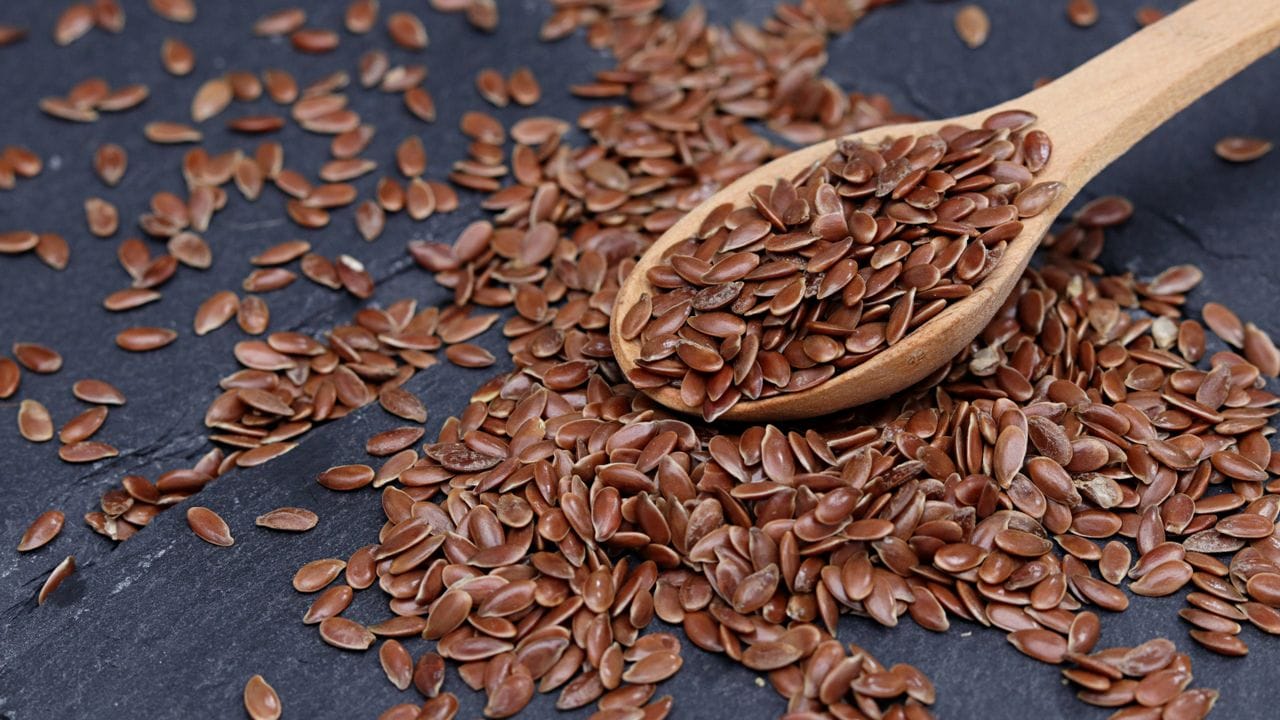
Where it's overkill is dense, moist baked goods that just need binding. For muffins, cookies, banana bread, and pancakes, a flax egg is cheaper, faster, and does the job without dirtying a mixer. Flax binds but can't whip; aquafaba whips but is fussier as a plain binder.
They're complementary, not competing. If you want a fuller map of which swap fits which recipe, the substitutes hub below covers it. And aquafaba is the obvious star anywhere you'd want a vegan whipped topping with body and air.
The honest rule I follow: if a recipe leans on eggs for structure, air, or holding fat and water together, reach for aquafaba. If it just needs glue, reach for flax.
Is store-bought aquafaba vegan, and which cans whip best?
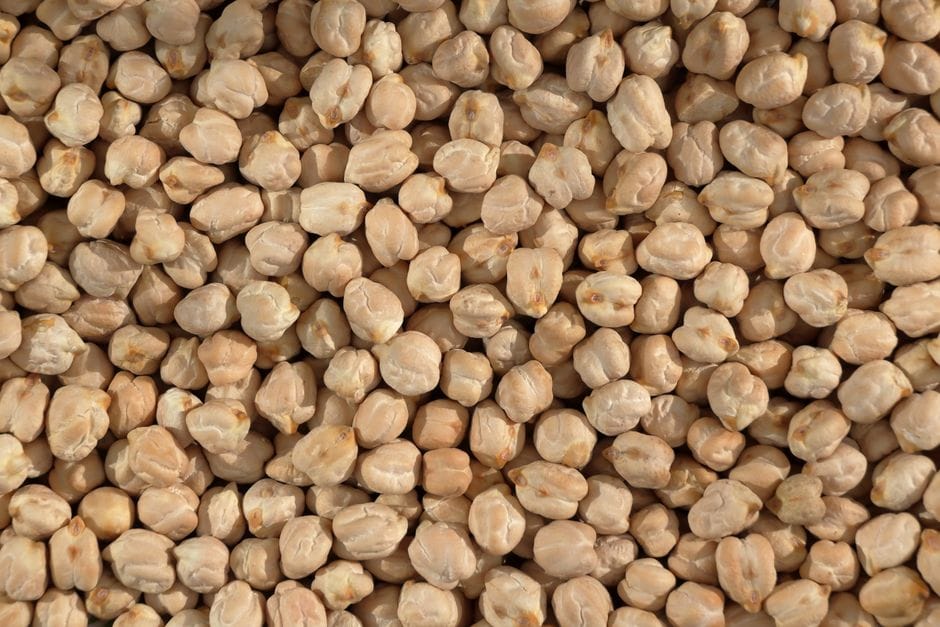
Good news on the first part: aquafaba is inherently vegan. It's just the cooking liquid from chickpeas, so there's no animal product hiding in it and no "gotcha" verdict to worry about. The only real question is which chickpeas give you the best whip.
This is where brand actually matters. Low-salt and no-salt cans are my top pick, because excess sodium can interfere slightly with the foam and you'd rather control the seasoning yourself.
Eden Organic's no-salt-added chickpeas are the ones I reach for first; the liquid comes out thick and whips beautifully. Among the salted mainstream brands, Goya and most standard supermarket chickpeas (the store-brand cans included) work fine too, you may just want to reduce the liquid a touch and skip adding extra salt.
Avoid anything with added flavorings, garlic, or seasonings in the can, since those will carry into your meringue.
A couple of practical notes. The liquid from a 15-ounce can typically yields about half a cup to two-thirds of a cup of aquafaba, which is roughly four egg whites' worth.
If you cook chickpeas from dried, the cooking water also works as aquafaba, though it's usually thinner and benefits from reducing on the stove before you whip it. Dedicated bottled and powdered aquafaba products do exist now from a few specialty brands, and they're consistent and convenient, but honestly the can in your cupboard is free and works just as well, so I rarely bother.
If you ever want to confirm a specific canned brand has no sneaky additives, the Is It Vegan database is the fastest way to check a label.
For the rest of the dairy and egg swaps, from mayo to whipped cream to butter, the full substitutes section lays them out by what you're replacing.
So here's the takeaway I'd give my two-years-skeptical self: stop pouring the bean water down the drain. Three tablespoons per egg, two per white, a clean bowl, a pinch of cream of tartar, and a little patience with the mixer.
That free liquid you've been throwing out whips into meringue, emulsifies into mayo, lifts a chocolate mousse, and sets into marshmallows. It is, genuinely, the most useful thing in a can of chickpeas, and it isn't even the part you paid for.
The recipe
Stable Whipped Aquafaba Meringue
Prep
15 min
Total
15 min
Makes
About 3 cups whipped (from 1/2 cup / 120 ml aquafaba)
Ingredients
- 1/2 cup (120 ml) aquafaba, the liquid drained from one 15 oz can of chickpeas (low-salt or no-salt brands whip cleanest)
- 1/4 tsp cream of tartar, the key stabilizer that helps the foam hold its peaks (or substitute 1/2 tsp lemon juice)
- 1/2 cup (100 g) superfine sugar, added slowly so it dissolves fully and supports a glossy structure
- 1/2 tsp vanilla extract, optional, to round out any faint bean note in sweet recipes
- Pinch of fine salt, only if you used a no-salt aquafaba, to balance the sweetness
- A spotlessly clean, grease-free metal or glass bowl, because any fat kills the foam
Instructions
- 1 Drain a can of chickpeas, reserving the liquid, and measure out 1/2 cup of the aquafaba. Save the chickpeas for hummus or a salad.
- 2 Pour the aquafaba into a completely clean, dry, grease-free bowl. Even a film of oil will stop it from whipping, so wipe the bowl with a little lemon juice first if you're unsure.
- 3 Add the cream of tartar and start beating with a hand mixer or stand mixer on medium speed until the liquid turns white and foamy, about 3 to 5 minutes.
- 4 Increase to high speed and beat until soft peaks form, roughly another 5 minutes. The volume will balloon and the foam will look like loose shaving cream.
- 5 With the mixer running, add the superfine sugar one tablespoon at a time, waiting a few seconds between additions so it dissolves.
- 6 Keep beating on high until you reach stiff, glossy peaks that hold their shape when you lift the beaters, about 10 to 12 minutes total. Beat in the vanilla and salt at the end.
- 7 Use immediately for macarons, pavlova, mousse, or as a topping. Whipped aquafaba begins to deflate within an hour, so fold it into your recipe right away.
Notes
- ·A grease-free bowl is non-negotiable. Wipe it with lemon juice or vinegar before you start if there's any chance of residue.
- ·Superfine sugar dissolves far better than granulated and gives a smoother, more stable meringue. You can pulse regular sugar in a blender to make your own.
- ·If your aquafaba looks thin and watery, simmer it in a pan for a few minutes to reduce and concentrate it, then cool it fully before whipping.
Calories
About 15 per 3 Tbsp (unwhipped, plain)
Protein
1 g
Fat
0 g
Carbs
2 g
Frequently asked questions
What is the ratio of aquafaba to eggs?+
Use 3 tablespoons of aquafaba to replace 1 whole egg, and 2 tablespoons to replace 1 egg white. For 1 egg yolk, use 1 tablespoon. Measure it rather than eyeballing it, because the consistency of the liquid varies a little between cans and getting the volume right is what makes the swap reliable.
Does aquafaba taste like chickpeas?+
Raw, it has a faint bean smell, but that disappears once it's whipped and baked or combined with other ingredients. I have never had a finished macaron, mousse, or batch of mayo taste like chickpeas. If you're worried, a drop of vanilla or lemon in sweet recipes covers any trace of it completely.
Can I whip aquafaba without cream of tartar?+
Yes, but cream of tartar makes the foam far more stable and helps it hold its shape, especially for meringue and macarons. An acid like a few drops of lemon juice does the same job. Without any acid you can still whip aquafaba to soft peaks, it just deflates faster, so add the acid if you have it.
How long does aquafaba last and can I freeze it?+
Fresh aquafaba keeps in the fridge for about 4 to 5 days in a sealed jar. It freezes beautifully, so I pour leftovers into an ice cube tray, freeze, and bag the cubes. Each standard cube is roughly 2 tablespoons, which is one egg white, so you can thaw exactly what a recipe needs.
Written by
VeganDigest Editorial is the small independent team that researches and fact-checks this site. We are not doctors or dietitians. For every is-it-vegan verdict we read the product's current ingredient list and manufacturer information, and for anything health-related we report guidance from recognized bodies such as the NHS, the Vegan Society, and the Academy of Nutrition and Dietetics rather than offering medical advice. Every page shows the date it was last verified, and our full process is on the How We Verify page.
Comments