Are Marshmallows Vegan? The Gelatin Problem, and the Brands That Skip It
In this guide8
- 01The short answer, and the one ingredient to blame
- 02Why gelatin is in there in the first place
- 03The label words that trip people up
- 04The vegan brands that skip the gelatin
- 05A curveball: is the sugar even vegan?
- 06S'mores and hot chocolate, the two reasons we care
- 07Making your own with aquafaba
- 08So, what do I actually buy?
Short answer? No, standard marshmallows are not vegan. Almost every supermarket brand is set with gelatin, an animal product. The good news: dedicated vegan brands (and a homemade version) deliver the exact same fluff.
The first time I roasted a vegan marshmallow over an actual campfire, I braced myself for disappointment. I had toasted enough sad, crumbly "alternatives" over the years that I expected it to either melt into glue or stubbornly refuse to brown.
Instead it puffed, slumped, and went golden exactly like the marshmallows of my childhood. I sat there a little stunned, sticky-fingered, genuinely happy.
So let me save you the suspense and the years of mediocre swaps: standard marshmallows are not vegan, but good vegan ones absolutely exist now, and a couple of them are excellent. The problem has always been one specific ingredient, and once you understand it, the whole category makes sense.
The short answer, and the one ingredient to blame
No, your regular bag of marshmallows is not vegan. Not Jet-Puffed, not the store brand, not the fancy artisanal ones from the farmers' market. The culprit is almost always gelatin.
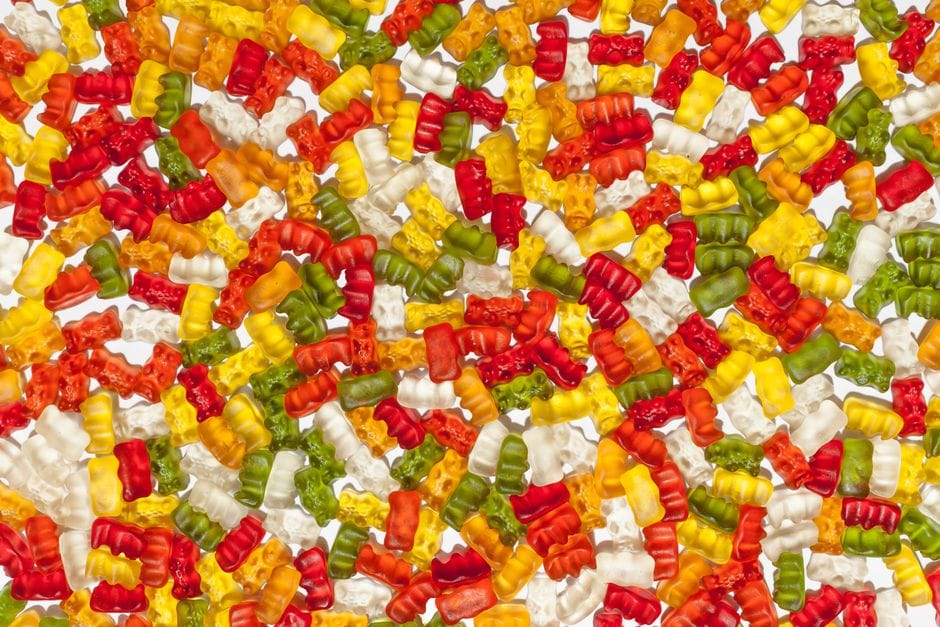
Gelatin is a protein made by boiling down the skin, bones, cartilage, and connective tissue of animals, usually pigs and cows, until the collagen breaks down into a gelling agent. It is the same stuff in gummy candies and standard jelly.
When you read "gelatin" on a marshmallow label, you are reading "animal product," full stop. There is no such thing as plant gelatin, by the way, despite what a few mislabeled products imply. The word gelatin specifically means the animal-derived version.
If you want the quick verdict on any borderline food like this, our Is It Vegan database exists for exactly that reason.
A small piece of trivia I find genuinely charming: the word "marshmallow" originally referred to a real plant, the marsh mallow, whose root sap was whipped into a sweet centuries ago. The classic French version, pâte de guimauve, leaned on that root, though it was usually bound with egg white, so it was not vegan either.
Gelatin came later because it was cheaper and easier to work with at scale. So while a vegan marshmallow is not a literal return to the original recipe, the marshmallow plant really was where the whole thing began, which I think is a nice place to bring it back to.
So the test is simple. Flip the bag over, scan the ingredients, and if "gelatin" is in there, put it back. There is no hidden trick, no "but sometimes."
Gelatin in marshmallows is the rule, not the exception, which is why the answer to "are marshmallows vegan" is a confident no until proven otherwise.
Why gelatin is in there in the first place
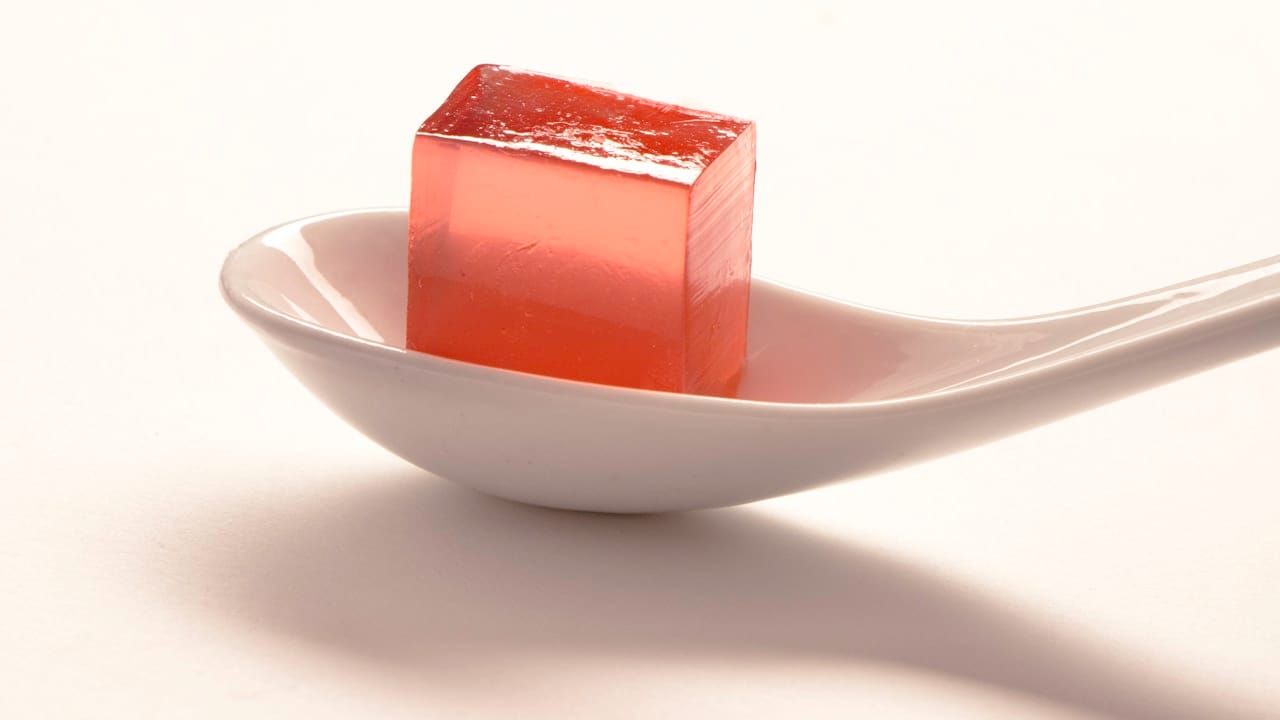 Photo: Tracey Parish / Unsplash
Here is the part people skip: gelatin is not in marshmallows out of laziness or to sneak in animal products. It is there because it does a genuinely hard job really well.
A marshmallow is basically a stabilized foam. You whip sugar syrup full of air, and then you need something to lock that air in place so it doesn't collapse back into sticky goo. Gelatin is brilliant at this.
It sets into a structure that is firm enough to hold a cube shape on the shelf but melts the instant it hits heat or your mouth. That specific "springy at room temperature, molten over a flame" behavior is weirdly difficult to copy.
For decades, food scientists basically shrugged and kept using gelatin because nothing plant-based matched it cleanly. The plant gums that gel well at room temperature, like agar, tend to set firm and a little brittle rather than bouncy.
So replicating a marshmallow meant blending several plant ingredients to fake what one animal protein did on its own. That is the whole reason vegan marshmallows took so long to get good.
The breakthrough came from combining gelling agents rather than hunting for a single magic one. A bit of carrageenan for stretch, a little tapioca or cornstarch for body, the right amount of sugar and water, all balanced so the foam stays bouncy instead of going rubbery.
It is finicky chemistry, which is why early vegan marshmallows were genuinely bad and the current ones are genuinely good. The recipe just had to mature.
I mention this because if you tried a vegan marshmallow five or ten years ago and wrote them off, the ones on shelves today are a completely different product. Give them another shot.
The label words that trip people up
Gelatin is the obvious one, but a few other words on a marshmallow or candy label deserve a second look, because the marshmallow aisle is a minefield of close calls.
Gelatin is the deal-breaker. Confectioner's glaze or shellac, which shows up on some coated candies and occasionally on decorative marshmallows, is made from a resin secreted by the lac insect, so it is not vegan either. Carmine or cochineal, a red coloring made from crushed insects, sometimes appears in pink or red marshmallows.
On the other hand, a few scary-sounding ingredients are fine. Carrageenan comes from seaweed. Agar comes from seaweed too. Tapioca starch is just cassava root. These are the building blocks of good vegan marshmallows, not red flags.
If your eyes glaze over at ingredient lists, paste the label into our Vegan Ingredient Checker and let it flag the animal-derived stuff for you. It is the fastest way I know to settle the "wait, what is this?" moment in a grocery aisle.
For a deeper look at gelatin specifically and everywhere it hides, our guide to whether gelatin is vegan goes further than I can here.
The vegan brands that skip the gelatin
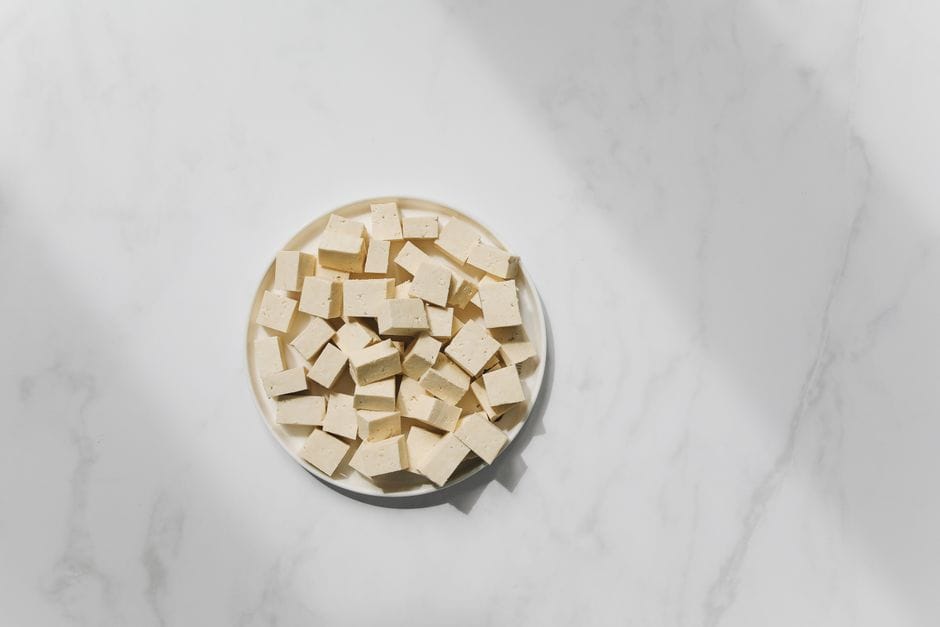 Photo: Polina Tankilevitch / Pexels
This is the good news section, because the market has genuinely caught up.
Dandies are the ones I reach for first and the easiest to find in the US. They are certified vegan, gelatin-free, and use a blend that leans on carrageenan and tapioca.
They come in classic vanilla, a mini size that is perfect for hot chocolate, a maple flavor, and pumpkin around autumn. Crucially, they toast. They go golden over a flame and melt into a s'more like the real thing.
If you buy one bag to test the whole concept, buy these.
Freedom Mallows are the UK favorite and increasingly available elsewhere. They are vegan, free from the common allergens, and come in pink-and-white and mini versions. People who grew up in Britain tend to say these scratch the nostalgia itch best.
You will also find a wave of "naturally flavored, no gelatin" vanilla marshmallows under various grocery house brands, often positioned near the natural foods section. Some American supermarket private labels (the kind of store known for affordable own-brand snacks) have quietly added a vegan vanilla marshmallow that bakers swear by, so it is worth scanning the marshmallow shelf of whatever store you like rather than assuming you need a specialty shop.
Always confirm with the label, because formulations change without warning.
A practical note on price and availability: vegan marshmallows still cost more than the giant bag of the standard stuff, usually noticeably more, and they can be seasonal. They turn up reliably around campfire season and the winter holidays and can vanish in between. When I find them, I buy two bags.
They keep for ages sealed in a cool cupboard, so stockpiling is fair game.
A curveball: is the sugar even vegan?
Here is a wrinkle most marshmallow articles ignore, and it is worth a quick mention because people ask. The sugar itself can technically be a gray area.
Some cane sugar in the US is filtered through bone char, a charcoal made from animal bones, during refining. The bone char does not end up in the final sugar, but it was used in processing, which bothers some strict vegans.
This affects regular table sugar in general, not marshmallows specifically, and it is impossible to tell from a marshmallow label whether the sugar was filtered that way.
My honest take: this is far enough down the rabbit hole that most vegans do not track it, and the gelatin question matters infinitely more in practice. If you do want to avoid bone-char sugar, look for products labeled organic, since organic certification rules out bone char filtration.
But do not let this one paralyze you. The gelatin is the real fight. The sugar is a footnote, and chasing every footnote is how people burn out on veganism entirely.
S'mores and hot chocolate, the two reasons we care
Let me be honest about why anyone Googles this in the first place. Nobody is researching marshmallow ethics for a salad. It is almost always s'mores or hot chocolate.
For s'mores, Dandies are the move. They brown and slump over a campfire or a gas burner the way you want, and they squish between graham crackers (most plain graham crackers are accidentally vegan, but the honey ones are not, so check) and a square of dairy-free chocolate.
If you want the chocolate side of that equation sorted, our is chocolate vegan guide covers which bars to grab and which to skip.
For hot chocolate, mini vegan marshmallows melt into a mug just fine. Make the cocoa with oat milk for the creamiest result, drop in a handful of mini Dandies, and you genuinely cannot tell anything was swapped. This is the swap that converts skeptical relatives.
I have watched it happen at a holiday table, where the person most loudly skeptical of "fake marshmallows" had three mugs and asked where to buy them.
Beyond those two, vegan marshmallows behave like the originals in most recipes. Rice crispy treats work beautifully, melting them down with a little dairy-free butter and stirring in cereal. They top sweet potato casserole. They go into hot chocolate bombs and on cupcakes.
The only place they fight you slightly is anything that needs them to hold a rigid shape under heat for a long time, where they soften a touch faster.
One small heads-up that I learned the hard way: vegan marshmallows can melt a touch faster and get stickier than gelatin ones, so toast them a beat sooner and keep an eye on the campfire situation. They go from golden to incinerated quickly.
Hold them a little further from the flame and rotate often. The reward is that perfect even-brown shell, and once you have nailed the timing it is genuinely no different from the marshmallows you grew up with.
Making your own with aquafaba
If you want to go full kitchen-witch, homemade vegan marshmallows are one of the most satisfying projects in all of plant-based cooking, and the secret ingredient is genuinely absurd: chickpea water.
Aquafaba, the cloudy liquid you usually pour down the drain from a can of chickpeas, whips up into a glossy white foam that behaves shockingly like egg white. Aquafaba works because the proteins and starches that leached into the water during cooking can trap air into a stable meringue. Whip it with sugar, add a hot sugar syrup, fold in a setting agent like agar (you need agar, not gelatin, to make it actually set), then pour it into a starch-dusted pan and let it firm up overnight.
The result, dusted in a mix of cornstarch and powdered sugar, is a real marshmallow. Pillowy, sweet, sliceable. It takes a stand mixer, a candy thermometer, and a little patience, but it costs almost nothing and feels like a magic trick. Want an easier first project? Our vegan marshmallow fluff recipe uses the same aquafaba trick with no candy thermometer needed.
If aquafaba opens your eyes the way it did mine, it is also the backbone of vegan meringue and macarons, and it sits right alongside the flax egg as one of the great egg replacers. Our full list of vegan swaps has more where that came from.
So, what do I actually buy?
Here is where I land after a lot of campfires and a lot of cocoa.
If you just want marshmallows that work, buy Dandies and stop thinking about it. They toast, they melt, they hold up in a s'more, and they are the closest thing to a no-compromise swap in this whole corner of the grocery store. Freedom Mallows are the pick if you are in the UK or chasing a specific childhood texture.
If you like a kitchen project, save your next can of chickpea liquid and make a batch from scratch at least once, because it will permanently change how you think about what is possible without animal products.
And whatever you reach for, give the label a three-second scan for gelatin, shellac, and carmine before you buy. That single habit is most of what veganism actually is in practice: not perfection, just paying attention. The marshmallows are easy now.
Go make the s'more.
Frequently asked questions
Are marshmallows vegan?+
No, standard marshmallows are not vegan. Almost every supermarket brand uses gelatin, which is made by boiling animal skin, bones, and connective tissue. You need a specifically vegan brand like Dandies or Freedom Mallows, both of which use plant-based gelling agents instead.
Why do marshmallows have gelatin in them?+
Gelatin is what gives marshmallows their springy, melt-in-your-mouth structure. It traps air and water in a stable foam that holds its shape at room temperature and softens when heated. Most plant gums don't replicate that exact texture easily, which is why brands stuck with gelatin for so long.
Are Dandies marshmallows actually vegan?+
Yes. Dandies are certified vegan and use a blend of plant-based ingredients, including carrageenan and tapioca, instead of gelatin. They toast and melt well enough that most people can't tell the difference in a s'more or a mug of hot chocolate.
Can you make vegan marshmallows at home?+
Yes, and the magic ingredient is aquafaba, the liquid from a can of chickpeas. Whipped with sugar and a setting agent like agar, it forms a glossy foam that sets into real marshmallows. It takes patience, but the result is genuinely good.
Written by
VeganDigest Editorial is the small independent team that researches and fact-checks this site. We are not doctors or dietitians. For every is-it-vegan verdict we read the product's current ingredient list and manufacturer information, and for anything health-related we report guidance from recognized bodies such as the NHS, the Vegan Society, and the Academy of Nutrition and Dietetics rather than offering medical advice. Every page shows the date it was last verified, and our full process is on the How We Verify page.
Comments