Vegan Marshmallow Fluff (Aquafaba Magic)
- Gluten-free
- Nut-free
- Soy-free
- Oil-free
In this guide7
- 01Why standard marshmallow fluff is not vegan
- 02What makes aquafaba the perfect fluff swap
- 03Making it: the hot-syrup method that actually works
- 04Fluffernutter: the sandwich this was made for
- 05S'mores, frosting, and the rest of the uses
- 06Storage, and the honest limits of aquafaba fluff
- 07Is store-bought vegan marshmallow fluff a thing, and which brands are best?
I grew up assuming Marshmallow Fluff was basically vegan by accident. It's white, it's fluffy, it has no obvious chunks of animal in it, and unlike a solid marshmallow it doesn't taste like it's hiding anything.
So for years I'd cheerfully tell people that fluff was the safe one, the gelatin-free cousin you could get away with. Then I actually read the back of the jar.
There, in tiny print, sat the word that quietly ends the conversation: egg white. Not gelatin, the thing that disqualifies regular marshmallows. Egg white.
Marshmallow creme is a completely different beast from a solid marshmallow, and the surprise is half the reason this swap is worth writing about. The good news is that once you know what fluff actually is, you also know exactly how to replace it.
Skip to the recipe if you just want to whip a jar tonight.
Why standard marshmallow fluff is not vegan
Let's clear up the most common misconception first, because I held it myself. Solid marshmallows get their springy structure from gelatin, which is made by boiling animal skin and bones. Marshmallow fluff and marshmallow creme do not use gelatin at all.
They're stabilized with dried egg whites.
That distinction matters. The two classic American brands, Marshmallow Fluff by Durkee-Mower and Kraft's Jet-Puffed Marshmallow Creme, are essentially a shelf-stable Italian meringue: sugar, corn syrup, water, dried egg whites, cream of tartar, and vanilla.
Whip egg whites with hot sugar syrup and you get a glossy, spoonable foam that holds for months. It's clever food science. It's also, thanks to those egg whites, vegetarian but firmly not vegan.
So if you've been buying the jar on the assumption that fluff dodged the animal-product problem, I'm sorry to be the one. It dodged the gelatin problem. It walked straight into the egg one.
If you ever want to gut-check a specific brand's label without squinting at allergen statements, our Is It Vegan database is built for exactly that kind of borderline call. And the vegan ingredient checker will flag "dried egg white" or "albumen" in a second if you paste in an ingredients list.
What makes aquafaba the perfect fluff swap
Here's the elegant part. Because fluff is whipped egg white plus sugar syrup, and aquafaba is the single best plant-based egg-white substitute on the planet, the replacement is almost one-to-one. You're not faking the structure with a different mechanism.
You're using the same mechanism with a different protein.
Aquafaba is just the viscous liquid from a can of chickpeas. During canning, the beans leach proteins and starches into the water, and that mix unfolds and traps air when you whip it, exactly like egg white does.
The food science behind aquafaba is well documented: the soluble proteins form a network that holds air, and the starches add the viscosity that keeps the foam from collapsing. So the proteins that hold a meringue together have a plant-based counterpart that behaves nearly identically.
For the full science and the egg-conversion ratios, I've covered aquafaba in depth in its own guide, but the headline for fluff is simple: whip it, stream in hot syrup, and it sets into the same glossy spread.
There's a happy accident in the timing, too. Home cooks only worked out the aquafaba meringue trick around 2014, which is recent enough that vegan marshmallow fluff feels like a brand-new option rather than a decades-old compromise.
The chickpeas you'd buy for hummus or a quick chickpea curry come with the raw material for fluff already included, free, in liquid you'd otherwise pour down the drain. I keep a can in the cupboard now purely for the brine and use the beans for everything else.
What you don't need is gelatin, agar, or any setting gum. Solid marshmallows need a gelling agent because they have to hold a cube shape on a shelf. Fluff doesn't.
Fluff is a soft, spoonable foam, and the cooked sugar syrup is what gives it body and that faint chew. That's why this recipe is shorter and more forgiving than homemade vegan marshmallows, which are genuinely fussy. Fluff is the easy win.
Making it: the hot-syrup method that actually works
The technique is borrowed straight from Italian meringue, and it's the single thing that separates real fluff from a sad bowl of sweetened foam that collapses in ten minutes.
You whip the aquafaba to soft peaks first, then stream hot sugar syrup into it while the mixer runs. The heat from the syrup partially cooks the protein foam, which stabilizes it, and the sugar binds water so the structure holds.
Cook the syrup to the soft-ball stage, around 240F (115C). A clip-on candy thermometer makes this foolproof, and they cost a few dollars.
If you don't have one, drop a bit of syrup into a glass of ice water; when it forms a soft, squishable ball you've hit the mark.
The two rules I'd tattoo on a beginner: start with a spotlessly grease-free bowl, because one smear of oil will stop aquafaba from building past a weak froth, and stream the syrup in slowly. Pour it down the side of the bowl in a thin thread, not onto the spinning beaters, or you'll fling half of it up the walls and deflate the foam with the rest.
Here's my honest "what went wrong" note. The first time I made this I poured the syrup too fast and a little too hot, and the foam seized up grainy and thin instead of climbing into glossy peaks.
The second batch I went slow, kept the mixer at a steady medium-high, and it tripled in volume into something genuinely indistinguishable from the jar. Patience with the pour is the whole game.
Fluffernutter: the sandwich this was made for
If you grew up in the northeastern US, the fluffernutter needs no introduction. For everyone else: it's marshmallow fluff and peanut butter on soft white bread, and it is exactly as ridiculous and wonderful as it sounds.
It was the first thing I made with my vegan fluff, partly out of nostalgia and partly to see if it would hold up.
It holds up perfectly. Spread peanut butter on one slice, vegan fluff on the other, press together. The fluff doesn't slide out the way a melted marshmallow would, because creme is spreadable and stays put.
Use a natural peanut butter that's genuinely plant-based, and if you want to confirm your jar has nothing sneaky in it, most are clean but a few add honey or dairy. The classic is white bread, but I've made it on toasted sourdough with a banana layer and felt no shame.
A small upgrade I stumbled into: a thin smear of vegan butter grilled like a savory sandwich, so the outside crisps and the fluff goes warm and molten inside. It's a fluffernutter that thinks it's a grilled cheese, and it's the best version I've made.
S'mores, frosting, and the rest of the uses
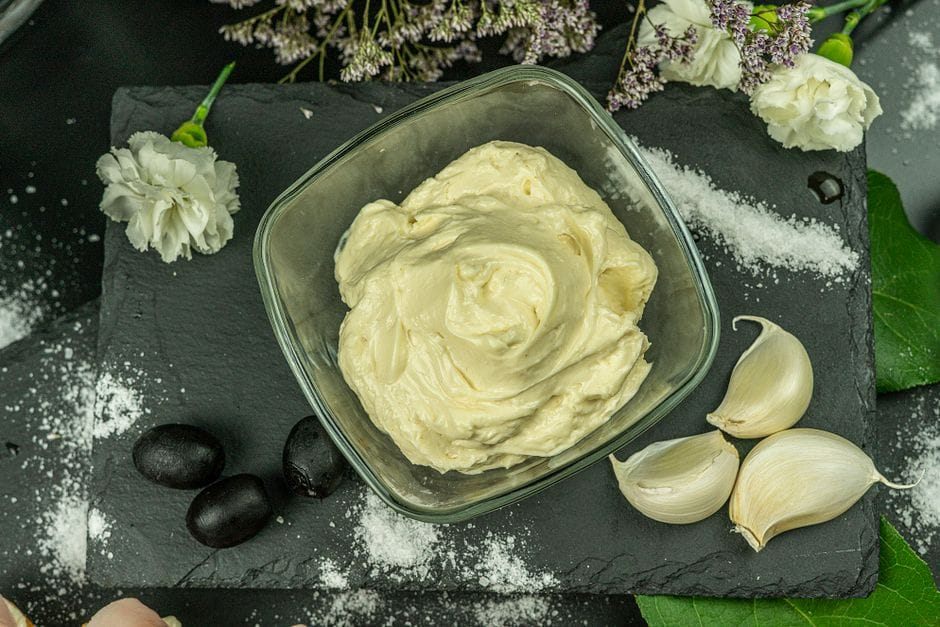
 Photo: Pixabay / Pexels
Fluff isn't a one-trick spread. Once you have a jar, it quietly improves a surprising number of things.
S'mores are the obvious one, and yes, you can torch fluff. Spoon a generous dollop onto a graham cracker, hit the top with a kitchen torch until it browns and bubbles, layer on a square of dairy-free chocolate, and cap it.
It won't impale on a stick the way a solid marshmallow does, so it's a spoon-and-torch s'more rather than a campfire one, but the toasted-marshmallow flavor is all there. Under a broiler works too; just watch it like a hawk because it goes from golden to charcoal in seconds.
For frosting, fluff is a secret weapon. Fold a few spoonfuls into vegan buttercream and it lightens the whole thing into something closer to a seven-minute frosting, glossy and marshmallowy. It's the easiest way to take a dense frosting and make it feel airy.
Beyond that, swirl it through brownie batter before baking for molten marshmallow pockets, dollop it on hot chocolate, sandwich it into whoopie pies, or use it as the marshmallow layer in rocky road. Anywhere a recipe calls for marshmallow creme, this drops in without a second thought.
If you're rebuilding a whole dessert recipe from animal ingredients, the wider substitutes hub maps out the rest of the swaps you'll need.
Storage, and the honest limits of aquafaba fluff
I'm not going to oversell this, because the store-bought egg-white version has a real advantage here: shelf life. Commercial fluff sits in a pantry for months. Homemade aquafaba fluff does not, and pretending otherwise just sets you up for disappointment.
Scrape your fluff into a clean, airtight jar and keep it in the fridge. It's genuinely good for about three to four days. After that, two things happen.
It can weep a little liquid at the bottom, and it slowly loses some of its lofty volume. This isn't spoilage; it's just aquafaba being slightly less stable than cooked egg white over time.
The fix is easy: re-whip it for a minute with a hand mixer and most of the body springs right back. I'd avoid freezing it, since thawed fluff separates into a sad puddle that no amount of whipping fully rescues.
The practical takeaway is to make fluff in the amount you'll actually use within a few days, rather than batching a giant jar. It comes together in about 25 minutes, so a fresh small batch is rarely a hardship.
If a recipe needs it to pipe or torch cleanly, use it the day you make it, when it's at its glossy, billowy peak.
Is store-bought vegan marshmallow fluff a thing, and which brands are best?
It is, and the category has grown up nicely, so you don't have to DIY if you'd rather grab a jar. The catch is that the word "creme" on a label tells you nothing about whether it's vegan, so you still have to read ingredients. Plenty of marshmallow creme products still list egg white.
The classic vegan option, and the one most plant-based shoppers reach for first, is Suzanne's Ricemellow Creme. It's built on brown rice syrup and soy protein instead of egg white, it's been around the longest, and it's the one I'd point a first-timer toward.
It can be hard to find on supermarket shelves these days, but it's reliably available online. For an allergen-friendly pick, Funky Mello makes a fluff from aquafaba itself, the same chickpea-brine base as the recipe above, with no soy or top allergens.
Dandies, the brand best known for its vegan marshmallows, also makes a vegan marshmallow creme that's worth a look.
A couple of honest caveats. Smucker's Marshmallow Topping gets passed around as "accidentally vegan" because some formulations skip the egg, but toppings and cremes vary by region and reformulate often, so verify the specific jar in your hand rather than trusting a list you read online.
The safest habit is the boring one: flip the jar, scan for egg white or albumen, and when in doubt run the label through the ingredient checker.
So here's where I've landed after a lot of sticky-fingered testing. Standard marshmallow fluff is off the table because of egg whites, not gelatin, which trips up almost everyone.
But aquafaba makes a vegan fluff that's spreadable, glossy, torchable, and genuinely fluffernutter-worthy, and it asks for nothing more exotic than a can of chickpeas, sugar, and a thermometer. Whip the bean water to soft peaks, stream in soft-ball syrup, finish with vanilla, and eat it within a few days.
The jar you grew up on was never the safe one. The one you make tonight is.
The recipe
Glossy Vegan Marshmallow Fluff
Prep
15 min
Cook
10 min
Makes
About 2 cups fluff (roughly 350 g)
Ingredients
- 1/2 cup (120 ml) aquafaba, the liquid drained from one 15 oz can of low-salt or no-salt chickpeas, chilled (cold aquafaba whips taller)
- 1/4 tsp cream of tartar, the stabilizer that helps the foam hold stiff peaks (a purified plant-derived salt, vegan and halal)
- 1 cup (200 g) granulated sugar, for the hot syrup that cooks and sets the fluff
- 1/3 cup (80 ml) water, to dissolve the sugar into a syrup
- 1/4 cup (60 ml) light corn syrup or brown rice syrup, which prevents crystallization and gives that glossy, spoonable stretch
- 1 tsp vanilla bean paste or alcohol-free vanilla, added at the end for that classic marshmallow flavor
- Pinch of fine salt, only if you used no-salt aquafaba, to round out the sweetness
- A spotlessly clean, grease-free metal or glass bowl, because any trace of fat will kill the whip
Instructions
- 1 Pour the chilled aquafaba and cream of tartar into a completely clean, grease-free bowl. Begin whipping with a stand mixer or hand mixer on medium, then move to high until you reach soft, billowy peaks, about 6 to 8 minutes. Keep it running on low while you make the syrup.
- 2 In a small saucepan, combine the sugar, water, and corn syrup. Stir just until the sugar is wet, then stop stirring and bring to a boil over medium-high heat.
- 3 Clip a candy thermometer to the pan and cook the syrup, without stirring, until it reaches the soft-ball stage at 240F (115C). This takes about 6 to 9 minutes. No thermometer? Drop a little syrup into ice water; it should form a soft, pliable ball.
- 4 With the mixer running on medium-high, very slowly stream the hot syrup down the side of the bowl into the whipped aquafaba. Pour in a thin steady thread and avoid hitting the moving beaters, which would fling syrup up the sides.
- 5 Once all the syrup is in, increase to high and whip until the fluff is thick, glossy, bright white, and holds firm peaks, about 7 to 10 minutes. The bowl will cool to barely warm by the end.
- 6 Beat in the vanilla and the pinch of salt for the final 30 seconds. Use the fluff right away while it's at its most billowy, or scrape it into a clean airtight jar.
Notes
- ·A grease-free bowl is non-negotiable. Wipe it with a little lemon juice or vinegar before you start if there's any chance of oil residue.
- ·Stream the hot syrup slowly. Dumping it in cooks and deflates the foam unevenly and you'll lose volume.
- ·If the fluff weeps or softens after a day in the fridge, re-whip it for a minute with a hand mixer to bring the body back.
Calories
About 70 per 2 Tbsp
Protein
0 g
Fat
0 g
Carbs
18 g
Frequently asked questions
Why isn't regular marshmallow fluff vegan?+
Marshmallow fluff and marshmallow creme are stabilized with dried egg whites, not gelatin like solid marshmallows. Jet-Puffed Marshmallow Creme and the classic Marshmallow Fluff brand both list egg white, which makes them vegetarian but not vegan. That egg-white base is exactly why aquafaba, the plant-based egg-white stand-in, swaps in so cleanly.
Do I need a candy thermometer to make vegan fluff?+
It helps a lot, and I'd recommend one for your first try. The sugar syrup needs to reach the soft-ball stage, around 240F (115C), and a thermometer takes the guesswork out. You can use the cold-water test instead, dropping a little syrup into ice water to see if it forms a soft ball, but the thermometer is more reliable and cheap.
How long does homemade vegan marshmallow fluff last?+
Store it in an airtight jar in the fridge for about 3 to 4 days. Be honest with yourself that aquafaba fluff is less shelf-stable than the egg-white original, so it can weep a little liquid and soften over time. A quick re-whip with a hand mixer brings most of the volume back if it has deflated.
Which store-bought vegan marshmallow fluff is best?+
Suzanne's Ricemellow Creme is the classic, made from brown rice syrup and soy protein, and it's the easiest one to find online. Funky Mello makes an aquafaba-based fluff that's allergen-friendly, and Dandies has a vegan marshmallow creme too. Always scan the label, since formulas change and a few 'creme' products still sneak in egg white.
Written by
VeganDigest Editorial is the small independent team that researches and fact-checks this site. We are not doctors or dietitians. For every is-it-vegan verdict we read the product's current ingredient list and manufacturer information, and for anything health-related we report guidance from recognized bodies such as the NHS, the Vegan Society, and the Academy of Nutrition and Dietetics rather than offering medical advice. Every page shows the date it was last verified, and our full process is on the How We Verify page.

Comments