How to Cook Tempeh So It Isn't Bitter

 Jump to recipe ↓
 In this guide9
- 01What Tempeh Actually Is
- 02Why Tempeh Tastes Bitter (and It's Not Your Fault)
- 03The Steam Trick That Changes Everything
- 04Marinades That Make Tempeh Sing
- 05Pan-Frying for the Crispiest Edges
- 06Baking and Air-Frying for Hands-Off Batches
- 07Crumbled Tempeh for Tacos and Beyond
- 08The Common Mistakes (I've Made All of Them)
- 09The Takeaway
The first time I cooked tempeh, I sliced it straight off the block, fried it in a dry pan, and took a bite expecting something like a savory veggie burger. Instead I got a mouthful of bitter, chalky cardboard. I assumed tempeh just wasn't for me.
I was wrong. I was skipping the one step that turns tempeh from a punishment into one of the best plant proteins you can keep in your fridge. That step is steaming, and once I figured it out, tempeh became a weekly thing in my kitchen.
If you've had a bad first impression of tempeh, I'd bet money it was bitterness. Let me walk you through exactly how to get rid of it, and then how to make tempeh you'll actually crave.
What Tempeh Actually Is
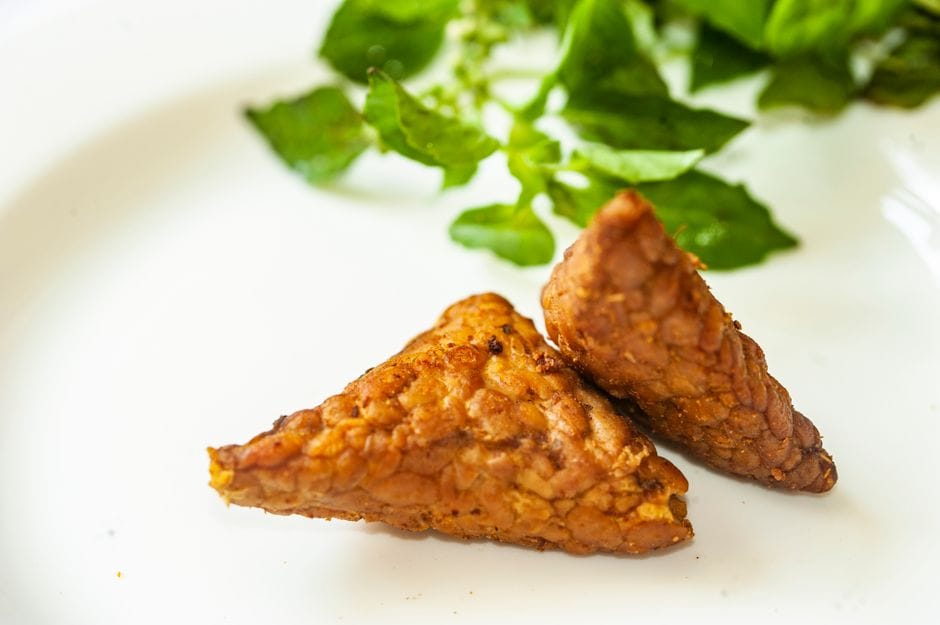
Tempeh is whole soybeans that have been cooked, then fermented with a culture (usually Rhizopus oligosporus) that binds the beans into a firm, sliceable cake. It originated in Indonesia and has been a staple there for centuries. You can read the fuller history on the Wikipedia entry for tempeh if you want the deep background.
Unlike tofu, which is made from strained soy milk and is smooth, tempeh keeps the whole bean. That gives it a nutty, dense, almost meaty texture and a serious nutritional punch: a 100 gram serving has around 19 grams of protein plus fiber, which tofu doesn't have.
The white, slightly fuzzy coating you see is the fermentation culture, and it's completely normal. Small dark gray or black spots are also fine. They're just mature spots in the culture.
If you ever see fuzzy pink, yellow, or blue patches, or it smells like ammonia, that batch has gone off, and you should toss it.
You'll also see multigrain tempeh, which blends soybeans with grains like brown rice, barley, or millet. These tend to be a little softer and milder than pure soybean tempeh, so they're a friendly starting point if you've been burned by bitterness before.
Pure soybean tempeh is firmer and nuttier, and it holds up best to slicing into clean strips and planks.
For brands, in the US you'll most often find Lightlife and Tofurky, both widely stocked and reliable. If you have an Asian grocery nearby, you can sometimes find fresh local tempeh, which is wonderful and worth grabbing.
Tempeh is, of course, fully plant based, but if you ever want to double check a flavored or pre-marinated variety, our Is It Vegan database and the vegan ingredient checker are there for the second-guessing. Plain tempeh is just soybeans, culture, and sometimes a splash of vinegar, but flavored versions can sneak in honey or other ingredients you might want to skip.
Why Tempeh Tastes Bitter (and It's Not Your Fault)
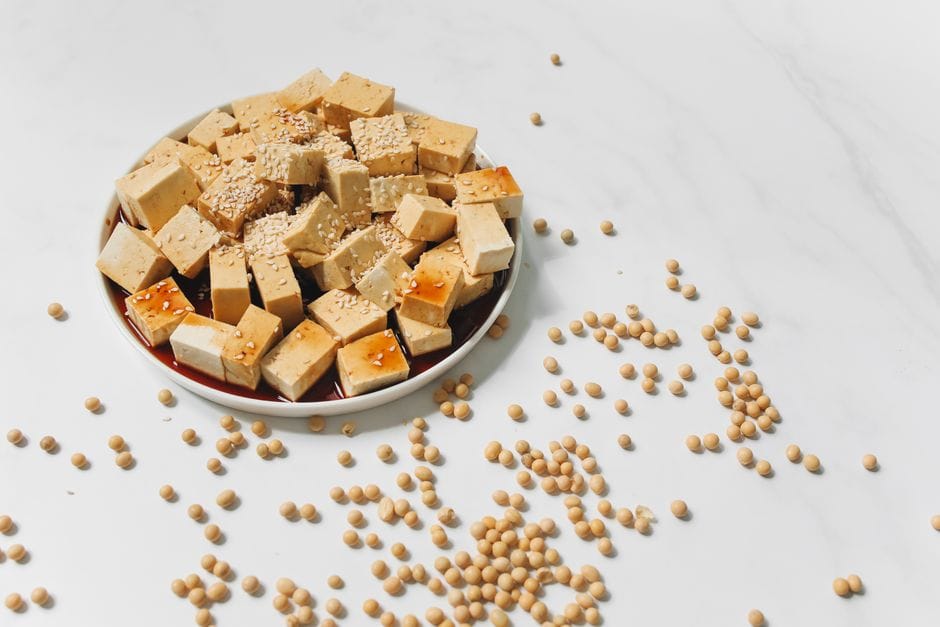
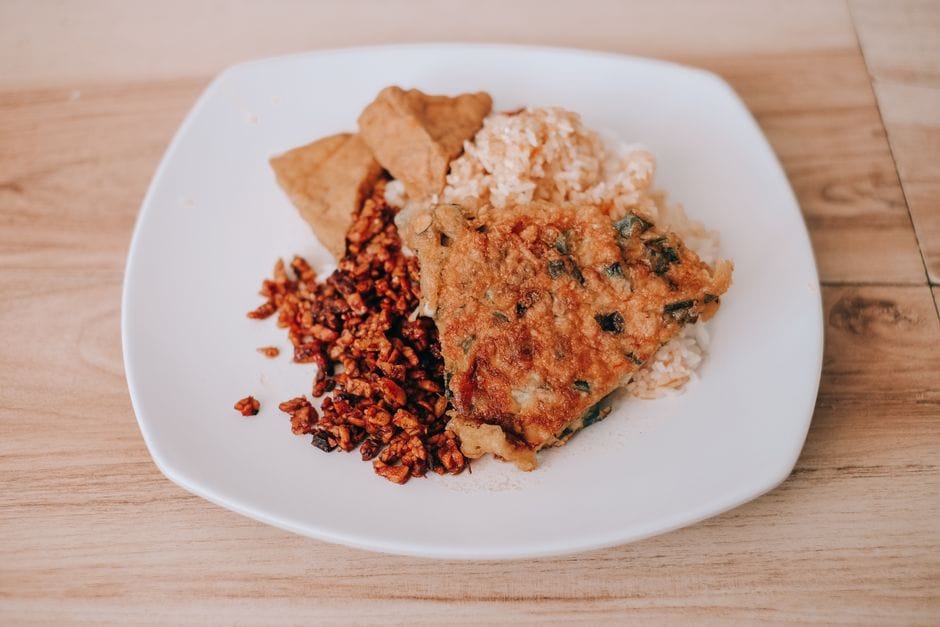 Photo: rakhmat suwandi / Pexels
Here's the thing nobody tells beginners: tempeh has a natural bitterness baked right in. It comes from the soybeans and from the fermentation cultures doing their work. Some batches are mild and some are noticeably sharp, and there's no way to tell from the package which one you've got.
When you cook tempeh straight from the fridge, that bitter, earthy quality stays locked in and even concentrates as the surface browns. So you end up with a protein that fights you on flavor.
The good news is that the bitterness is water soluble and heat sensitive, which means a quick steam or simmer pulls most of it out before you've even started seasoning. This is the single most important thing to understand about cooking tempeh, and it's why I lead with it every time.
The Steam Trick That Changes Everything
This is the move. Before you do anything else, steam your tempeh for about 10 minutes.
Slice the block into whatever shape you want first: strips, cubes, triangles, or thin planks. Set a steamer basket over an inch or two of simmering water, lay the pieces in a single layer, cover, and steam for 10 minutes. No steamer basket?
A metal colander set in a pot with a lid works fine. You can also just simmer the pieces in plain water for 8 to 10 minutes and drain them well, which is what I do on lazy nights.
Here's what changes. Before steaming, raw tempeh tastes dry, chalky, and bitter, with a tight, dense bite. After steaming, it's noticeably softer, the bitterness drops way back, and the texture turns porous and slightly spongy.
That porous texture is the secret bonus: steamed tempeh acts like a sponge for marinade, soaking up flavor that raw tempeh just bounces off of.
A quick note on timing: 10 minutes is my sweet spot, but if your batch tastes especially sharp, push it to 12 or 13. Much past that and the tempeh starts to fall apart and turn waterlogged, which works against you when it's time to crisp it.
You're looking for softened and mellowed, not mushy. If you're steaming a thick whole block rather than slices, add a couple of minutes so the center gets the same treatment as the edges.
Pat the steamed pieces dry with a clean towel before the next step. You want the surface dry so it can take on marinade and then crisp up later. Wet tempeh steams in the pan instead of browning, which is the same mistake people make with tofu.
If you've read our guide to cooking tofu, the dry-surface rule will sound familiar, because it's the same physics: surface water has to boil off before browning can even begin, and that wastes both time and crispiness.
Marinades That Make Tempeh Sing
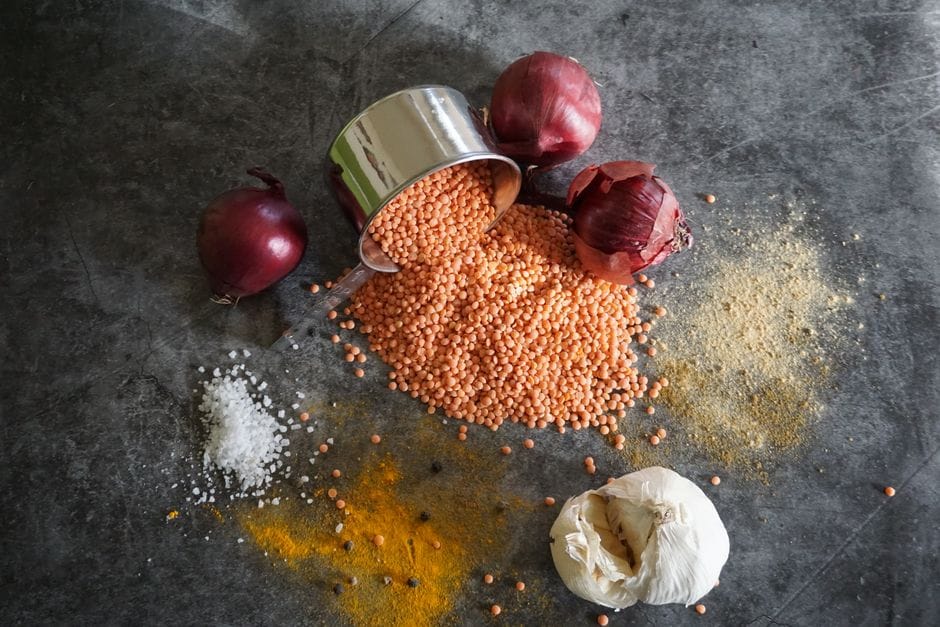
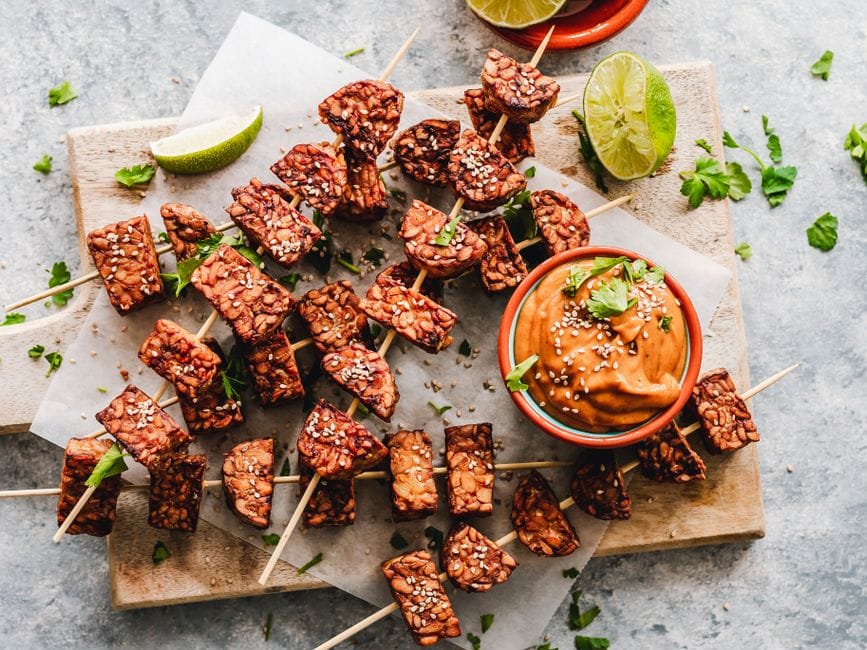 Photo: Ella Olsson / Pexels
Now that your tempeh is steamed, dried, and primed to absorb flavor, give it something good to absorb. Marinate the warm pieces for at least 15 minutes, though 30 minutes to a couple of hours is even better. Warm, porous tempeh drinks marinade fast, so even a short soak does real work.
My everyday savory marinade, no alcohol needed, is roughly:
- 3 tablespoons soy sauce or tamari
- 1 tablespoon maple syrup
- 1 tablespoon rice vinegar
- 1 teaspoon toasted sesame oil
- 2 cloves garlic, grated
- 1 teaspoon grated fresh ginger
- a pinch of red pepper flakes
A lot of classic tempeh recipes call for mirin or rice wine. You don't need it. A small splash of rice vinegar plus the maple syrup gives you that same sweet-tangy balance with zero alcohol.
For a smoky version, swap the maple-soy base for smoked paprika, maple syrup, soy sauce, and a little tomato paste, and you've basically got tempeh "bacon." For a peanut version, whisk peanut butter with soy sauce, lime juice, maple syrup, and warm water until pourable.
Whisk your marinade in a wide dish, lay the steamed tempeh in a single layer, spoon the liquid over the top, and flip once partway through. Reserve a spoonful of the marinade to glaze at the very end, because that final hit of fresh sauce is what makes people ask what you did.
Pan-Frying for the Crispiest Edges
Pan-frying gives you the best browning and the fastest result. Heat a thin layer of neutral oil, like avocado or refined coconut, in a nonstick or well-seasoned cast iron pan over medium-high heat. Lift the tempeh out of the marinade, let the excess drip off, and lay the pieces in a single layer.
Now leave them alone. Let each side cook undisturbed for 3 to 4 minutes until it's deeply golden, then flip. Crowding the pan traps steam and gives you pale, soft tempeh, so cook in batches if you need to.
In the last 30 seconds, pour in that reserved spoonful of marinade and let it bubble down into a sticky glaze that coats every piece. Total time is about 8 to 10 minutes, and the edges come out crackly with a tender, savory center.
Baking and Air-Frying for Hands-Off Batches
When I'm meal prepping, I reach for the oven or the air fryer so I can walk away.
For baking, spread marinated tempeh in a single layer on a parchment-lined sheet and bake at 400F (200C) for 20 to 25 minutes, flipping halfway. You get even, all-over firmness with very little oil, which is great for tossing into grain bowls and salads through the week.
The air fryer, honestly, might be my favorite for tempeh. Set it to 375F (190C) and cook for 12 to 15 minutes, shaking the basket halfway through. The circulating hot air pulls moisture out fast and gives you a crisp shell with almost no oil.
Don't overlap the pieces, and brush on a little reserved marinade in the last few minutes so it caramelizes without burning. Whatever method you use, that combination of steam first, marinate second, crisp last is the backbone of good tempeh.
Crumbled Tempeh for Tacos and Beyond
Tempeh's best party trick is crumbling. Steamed tempeh breaks down into a texture that's shockingly close to seasoned ground meat, which makes it perfect for tacos, chili, pasta sauce, and stuffed peppers.
Steam the block whole for 10 minutes, then crumble it with your hands or a fork into small, irregular pieces. Brown the crumbles in a hot oiled pan until the edges turn golden, then season hard.
For taco crumbles I use chili powder, cumin, smoked paprika, garlic powder, onion powder, a pinch of salt, and a splash of soy sauce, with a little water to help the spices coat everything. Let it sizzle until the liquid cooks off and the crumbles are crisp at the edges.
Pile it into warm tortillas with avocado, a squeeze of lime, and some vegan sour cream, and nobody at the table will miss the meat. The fermented depth of tempeh actually gives these tacos more savory complexity than a basic plant crumble does.
The same crumble is a workhorse beyond tacos. Stir it into a pot of marinara and let it simmer for a Bolognese-style pasta sauce that clings to the noodles. Fold it into chili in the last 15 minutes so it picks up the spices without going soft.
Scramble it with turmeric, black salt, and chopped vegetables for a savory breakfast hash. Once you've got the steam-then-brown method down, the crumble becomes one of those building blocks you reach for without thinking.
The Common Mistakes (I've Made All of Them)
Skipping the steam is the big one. If your tempeh is bitter, this is almost always why. Ten minutes fixes it.
Marinating raw, unsteamed tempeh is the next mistake. The marinade just sits on a dense, closed surface and barely penetrates, so you've wasted both the soak and the flavor.
Crowding the pan is the classic browning killer. Too many pieces at once means trapped steam and soft, pale tempeh instead of crisp edges. Give the pieces room and work in batches.
Not drying the tempeh after steaming leads to spattering and slow, uneven browning. A quick pat with a towel solves it.
And finally, under-seasoning. Tempeh is hearty and needs a confident hand with salt, acid, and aromatics. Be bolder than you think you need to be, and always finish with that reserved glaze.
The Takeaway
Tempeh isn't difficult once you know the order of operations. Steam it for 10 minutes to kill the bitterness and open it up, marinate the warm pieces while they're thirsty for flavor, then crisp them by pan, oven, or air fryer and finish with a glaze.
Do that and you'll go from "I don't like tempeh" to keeping a block in your fridge every week, the way I do. Steam first, season hard, crisp last. That's the whole game.
The recipe
Pan-Fried Tempeh with Savory Marinade
Prep
20 min
Cook
20 min
Makes
2 to 3 servings
Ingredients
- 1 block (about 8 oz / 225g) plain tempeh
- 3 tablespoons soy sauce or tamari
- 1 tablespoon maple syrup
- 1 tablespoon rice vinegar
- 1 teaspoon toasted sesame oil
- 2 cloves garlic, grated
- 1 teaspoon grated fresh ginger
- a pinch of red pepper flakes
- neutral oil (such as avocado or refined coconut oil), for pan-frying
Instructions
- 1 Slice the tempeh block into strips, cubes, triangles, or thin planks, whichever shape you prefer.
- 2 Set a steamer basket over an inch or two of simmering water. Lay the tempeh pieces in a single layer, cover, and steam for 10 minutes. Alternatively, simmer the pieces in plain water for 8 to 10 minutes, then drain well. If the batch tastes especially sharp, steam for up to 12 to 13 minutes.
- 3 Remove the tempeh from the steamer and pat the pieces dry with a clean towel so the surface is dry.
- 4 Whisk together the soy sauce, maple syrup, rice vinegar, sesame oil, garlic, ginger, and red pepper flakes in a wide dish. Lay the warm, steamed tempeh in a single layer and spoon the marinade over the top. Flip once partway through. Marinate for at least 15 minutes, or up to a couple of hours. Reserve a spoonful of marinade for glazing at the end.
- 5 Heat a thin layer of neutral oil in a nonstick or well-seasoned cast iron pan over medium-high heat. Lift the tempeh out of the marinade, let the excess drip off, and lay the pieces in a single layer. Do not crowd the pan; cook in batches if needed.
- 6 Cook undisturbed for 3 to 4 minutes per side until deeply golden, then flip and cook the other side the same way.
- 7 In the last 30 seconds, pour in the reserved spoonful of marinade and let it bubble down into a sticky glaze that coats every piece.
- 8 Serve immediately.
Notes
- ·Steam first, then marinate: steaming opens the porous structure so the tempeh soaks up the marinade instead of bouncing it off.
- ·If you have no steamer basket, use a metal colander set in a pot with a lid, or simmer in plain water and drain well.
- ·Pat the tempeh dry after steaming. Wet tempeh steams in the pan instead of browning.
- ·Crowding the pan traps steam and gives pale, soft results. Work in batches for crispy edges.
- ·Baking option: spread marinated tempeh on a parchment-lined sheet and bake at 400F (200C) for 20 to 25 minutes, flipping halfway.
- ·Air-fryer option: cook at 375F (190C) for 12 to 15 minutes, shaking the basket halfway and brushing with reserved marinade in the last few minutes.
- ·For a smoky version, swap the marinade base for smoked paprika, maple syrup, soy sauce, and a little tomato paste.
- ·For a peanut version, whisk peanut butter with soy sauce, lime juice, maple syrup, and warm water until pourable.
Frequently asked questions
Why does my tempeh taste bitter?+
Tempeh has a naturally slightly bitter, earthy edge that comes from the fermentation cultures and the soybeans themselves. Some batches are stronger than others, and the bitterness gets more noticeable if you cook tempeh straight from the package without steaming it first. Steaming for about ten minutes mellows it out dramatically.
Do you have to steam tempeh before cooking it?+
You don't have to, but it makes a real difference. Steaming softens the texture, opens up the tempeh so it soaks up marinade, and pulls out a lot of the bitterness. If you only ever do one extra step with tempeh, make it this one. It takes ten minutes and it is the whole trick.
Can you eat tempeh raw or undercooked?+
Most tempeh sold in the United States is pasteurized, so it is technically safe to eat without cooking. But it tastes far better cooked, and raw tempeh is where that chalky, bitter quality is strongest. Steam or simmer it at minimum, then crisp it up however you like.
Should I marinate tempeh before or after cooking?+
Marinate after steaming but before the final crisping. Steamed tempeh is porous and warm, so it drinks up marinade in fifteen to thirty minutes. Then you pan-fry, bake, or air-fry it to lock that flavor in with a crispy edge. This order gives you flavor all the way through plus a good crust.
Written by
VeganDigest Editorial is the small independent team that researches and fact-checks this site. We are not doctors or dietitians. For every is-it-vegan verdict we read the product's current ingredient list and manufacturer information, and for anything health-related we report guidance from recognized bodies such as the NHS, the Vegan Society, and the Academy of Nutrition and Dietetics rather than offering medical advice. Every page shows the date it was last verified, and our full process is on the How We Verify page.
Comments