A Complete Guide to Tofu: Every Type and How to Cook It

In this guide9
- 01How Tofu Is Made, and Why It Matters
- 02Silken Tofu: The Custard
- 03Soft Tofu: The In-Between
- 04Firm Tofu: The Everyday Workhorse
- 05Extra-Firm Tofu: The One I Reach For Most
- 06Super-Firm Tofu: The Cheat Code
- 07Pressing, Freezing, and the Cornstarch Crisp Trick
- 08Buying and Storing Tofu Without Waste
- 09The One Thing to Remember
The first time I bought tofu, I grabbed the wrong kind and ruined dinner. I wanted crispy cubes for a stir-fry, came home with a wobbly tub of silken, and watched it dissolve into the pan like wet plaster. I assumed I'd just bought bad tofu.
I had not. I'd bought the right product for the wrong job, which is the single most common tofu mistake there is.
Tofu isn't one ingredient. It's a whole family, sorted almost entirely by how much water each block holds. Once that clicks, the wall of white blocks at the store stops being intimidating and starts making sense.
Here's every type, what it's actually for, and the two tricks (pressing and cornstarch) that turned my tofu from sad to genuinely crave-able.
How Tofu Is Made, and Why It Matters
Tofu is soy milk that's been curdled with a coagulant, usually calcium sulfate or a magnesium salt called nigari, then pressed into a block. That's it. It's the same basic process as making cheese from dairy milk, just with soybeans.
The history of tofu goes back over two thousand years in China, so people have had a long time to perfect it.
The reason this matters is that the different types of tofu aren't different recipes. They're the same curds pressed for different amounts of time with different amounts of water squeezed out. More pressing and less water gives you a firmer, denser block.
Less pressing and more water gives you something soft and custardy. Everything else about how a block behaves in your kitchen flows from that one variable.
Tofu is naturally vegan, since it's just soybeans, water, and a mineral coagulant. If you ever want to double-check a flavored or marinated pre-made tofu, you can run the label through our vegan ingredient checker or search the Is It Vegan database. Plain tofu, though, is about as plant-based as food gets.
Silken Tofu: The Custard
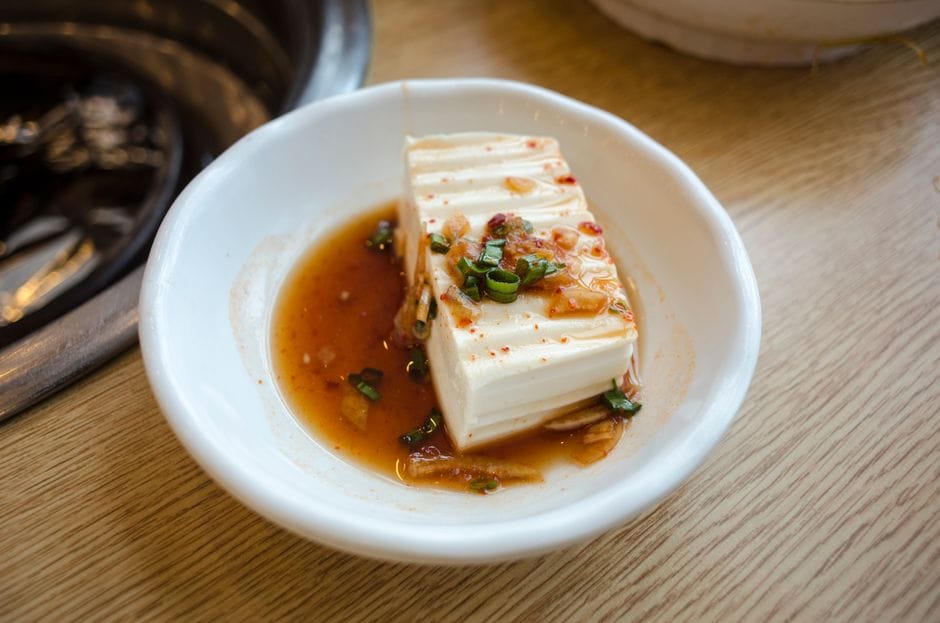 Photo: makafood / Pexels
Silken tofu is the softest type, and it's a completely different animal from the block tofu most people picture. It's not pressed at all. The soy milk is coagulated right in its package, so the curds and whey never separate.
The result has the texture of a set custard or a very soft panna cotta. Mori-Nu, which comes in those shelf-stable cardboard boxes, is the brand I see most often.
You do not cook silken tofu like a steak. You blend it. It's brilliant for smooth, creamy applications: chocolate mousse, salad dressings, a silky base for soups, and egg-free quiches.
Blended silken tofu is my go-to swap when a recipe wants something rich and pourable, and it's the backbone of a lot of dairy-free sauces.
A few ratios I use constantly. For a chocolate mousse, one box of silken (about 12 ounces) blended with a half cup of melted dark chocolate and a spoonful of maple syrup sets up in the fridge in an hour into something that tastes like it took real effort.
For a creamy ranch-style dressing, blend silken with lemon juice, garlic, and dried herbs until pourable, then thin with a splash of water. The magic is that you taste richness without any of the heaviness of cashews or oil, and the flavor stays neutral enough to go sweet or savory.
Here's what went wrong when I first tried to fry it: silken tofu has so much water that it can't form a crust and it can't hold a shape. It just falls apart. So treat it as a blending ingredient, not a frying one, and you'll love it.
Soft Tofu: The In-Between
Soft tofu is a little more set than silken but still delicate. In Asian groceries you'll find it sold in tubs, and it's the classic choice for mapo tofu and soft tofu stews where you want tender, spoonable chunks that soak up broth. Korean sundubu jjigae uses an even softer extra-soft version.
I think of soft tofu as the one for dishes where the tofu is meant to be silky and yielding, almost like a poached egg, rather than chewy or crisp. Scoop it gently with a spoon rather than cubing it with a knife, and slide the pieces into the pot instead of stirring them in.
Don't stir aggressively or it'll break down into the sauce. You can also blend soft tofu into scrambles and ricotta-style fillings, though it's wetter than what most scramble recipes call for, so you may need to cook off some of that liquid in the pan.
One dish that converted me to soft tofu: a simple Chinese-style braise where you simmer the gentle chunks in a savory soy and ginger sauce thickened with a little cornstarch slurry. The tofu picks up all the flavor while staying tender enough to wobble on the chopsticks.
It's fast, cheap, and shows off exactly what soft tofu does that no other type can.
Like silken, soft tofu should never be pressed. There's nothing to gain and a fragile block to lose.
Firm Tofu: The Everyday Workhorse
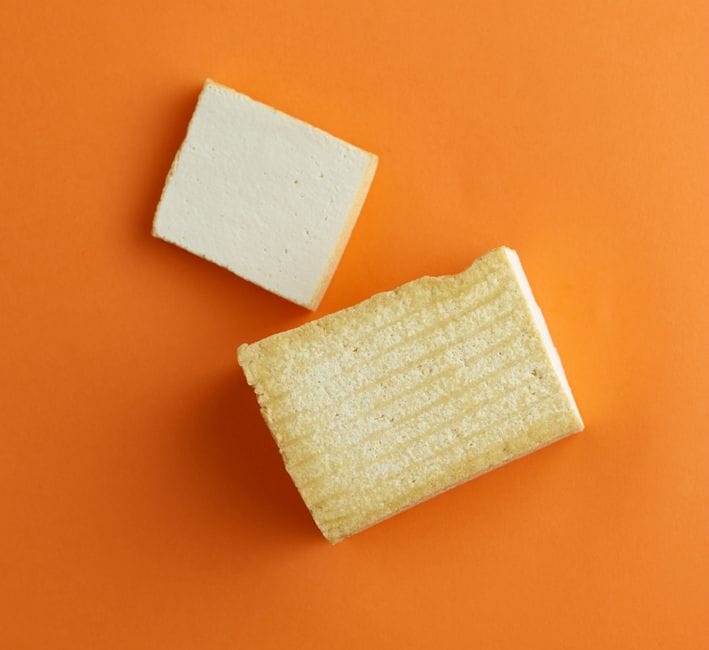 Photo: Sabur Ahmed Jishan / Pexels
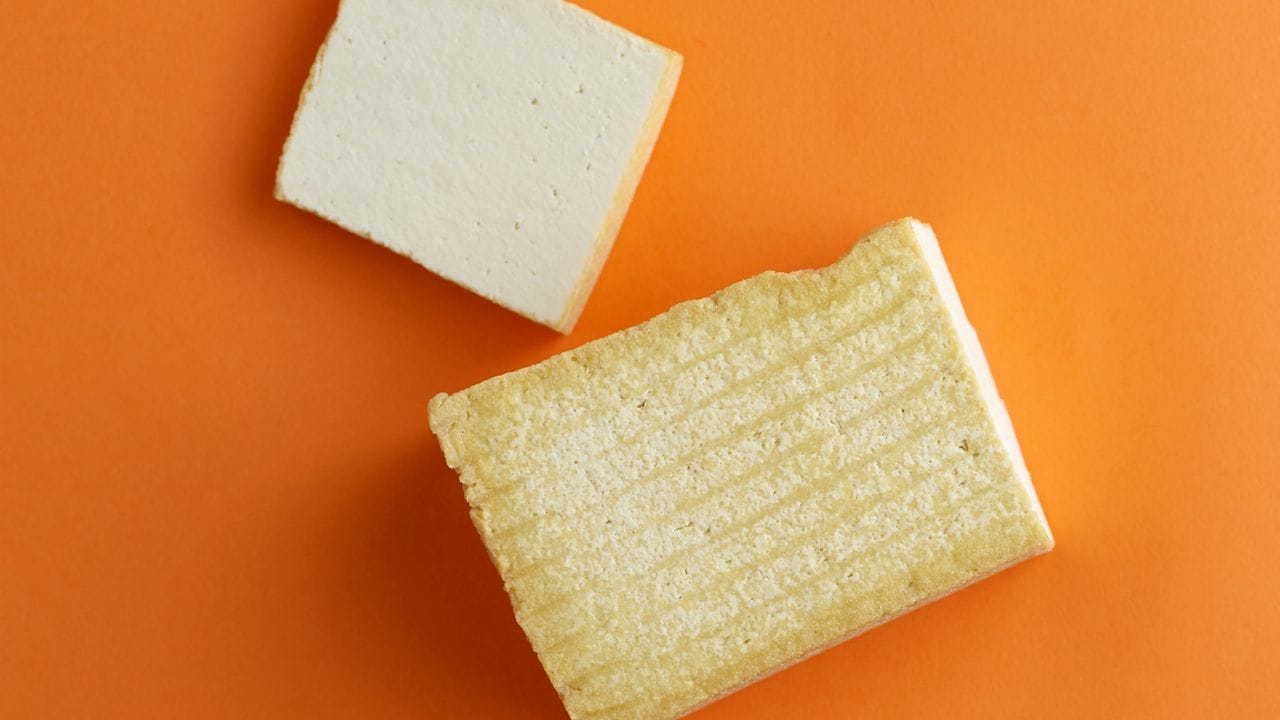
Now we're into pressable territory. Firm tofu holds its shape when you handle it, has visible structure, and still carries enough moisture to stay tender inside. It's the most flexible of the sturdy tofus.
You can cube it, crumble it, slice it, or pan-fry it.
Firm tofu makes an excellent vegan scramble because it crumbles into curd-like pieces that look uncannily like scrambled eggs once you add turmeric and a little black salt. It also works in stir-fries, though it's slightly more prone to breaking than extra-firm if you're rough with it.
For most weeknight cooking, firm and extra-firm are close enough that you can use them interchangeably and only a tofu obsessive would notice.
If you want firm tofu to crisp or hold a marinade, press it first. I cover the exact method in how to press tofu, but the short version is squeezing out water so the surface can actually brown instead of steam.
Extra-Firm Tofu: The One I Reach For Most
If I could only keep one type of tofu in my fridge, it would be extra-firm. It's dense, it sears into golden cubes, it skewers without crumbling, and it soaks up marinade beautifully once pressed. House Foods and Nasoya extra-firm are both reliable and sold almost everywhere in the States.
This is the tofu for crispy baked cubes, sheet-pan dinners, kebabs, sandwiches, and anything where you want a defined, chewy bite. It's also the most forgiving for beginners because it doesn't fall apart when you flip it. My full walkthrough lives in how to cook tofu, but extra-firm is where I'd tell anyone to start.
Press it for 20 to 30 minutes before cooking. The drier the surface, the better the crust. Wet tofu in a hot pan just makes steam, and steam is the enemy of crisp.
Super-Firm Tofu: The Cheat Code
Super-firm tofu (sometimes labeled high-protein or vacuum-packed) is the densest type, and it's a genuine cheat code for busy cooks. It comes in a tight vacuum seal with almost no water, so you can skip pressing entirely.
The texture is meaty, almost like a cooked chicken breast, with the most protein per ounce of any tofu. Wildwood and the store-brand vacuum packs are common.
Because there's no water to deal with, you can open the package, cube it, toss it with seasoning, and cook immediately. For weeknights, that five-minute head start is the whole appeal. It crisps fast and stays chewy in the center.
The trade-off is that super-firm is so dense it absorbs marinade more slowly than its pressed, frozen counterparts, and it can read as slightly tough if you overcook it. Pull it off the heat a touch earlier than you think.
Pressing, Freezing, and the Cornstarch Crisp Trick
Three techniques separate decent tofu from the kind that disappears off the plate.
Pressing is first. For firm and extra-firm, wrap the block in a clean towel, set a heavy pan or a few books on top, and wait 20 to 30 minutes. You're driving out water so the tofu can brown and so it has room to drink up flavor.
Skip this for silken, soft, and super-firm.
Freezing is the underrated one. Freeze a block of firm or extra-firm tofu, then thaw it, and the ice crystals carve tiny channels through the protein. Press out the water afterward and you get a chewier, spongier texture that grabs marinade like a sponge.
It looks slightly yellow and feels different, but for stir-fries and skewers it's fantastic. I learned this by accident after forgetting a block in the freezer, and now I do it on purpose.
The cornstarch crisp trick is the one I get asked about most. After pressing and cubing, toss the tofu in a thin coat of cornstarch (about a tablespoon per block) with a pinch of salt before it hits oil or the air fryer. The starch forms a shatteringly crisp shell that stays crunchy far longer than naked tofu.
Here's why it works. When cornstarch hits heat and the little surface moisture left on the tofu, the starch granules swell and gelatinize, then dry out into a thin, rigid crust as the water cooks off. That crust is what cracks when you bite it.
Cornstarch beats flour here because it has no gluten to turn gummy, and it's a finer, purer starch than flour, so the shell sets thinner and crisper. Potato starch and rice flour work too, but plain cornstarch is cheap and lives in everyone's pantry.
A couple of things I learned the hard way: don't overdo the coating, because a thick layer goes pasty instead of crisp. A light dusting where you can still see the tofu through it is the target.
And give the coated cubes a minute to sit before they hit the pan so the starch hydrates evenly. This single step is what finally made my homemade tofu rival a restaurant's.
For seasoning, a generous shake of nutritional yeast in the cornstarch adds a savory, cheesy depth that's hard to beat.
Buying and Storing Tofu Without Waste
When buying, match the type to the job and check the date. Water-packed tofu (silken-in-tubs, soft, firm, extra-firm) lives in the refrigerated case. Shelf-stable silken in cardboard boxes sits with the dry goods and keeps for months unopened, which makes it handy to stock.
Super-firm comes vacuum-sealed and refrigerated.
Once you open a water-packed block, store any unused portion submerged in fresh water in a sealed container in the fridge, and change the water daily. The daily water change is the part people skip, and it's the part that matters, because the water is what keeps bacteria from settling in.
It'll keep three to five days that way. If it smells sour or the water turns cloudy and slick, toss it. Fresh tofu smells like almost nothing, faintly beany at most, and feels firm and smooth rather than slimy.
Reading freshness is easy once you know the signs. Cloudy, ropey water and a sour or fermented smell mean it's done. A slick or sticky surface is another giveaway.
When in doubt, trust your nose over the printed date, since tofu stored properly often outlasts its label and tofu stored carelessly goes off well before it. Buying smaller blocks if you cook for one or two people saves a lot of waste.
You can freeze any firm or extra-firm block for up to a few months, either to extend its life or specifically for that chewy thawed texture. Silken doesn't freeze well for blending because it turns grainy, so use that one fresh.
The One Thing to Remember
If you take a single idea from all of this, make it this: tofu type is about water content, and water content decides the job. Silken and soft are for blending and spooning into broth. Firm and extra-firm are for pressing, searing, and crisping.
Super-firm is for when you're in a hurry and want meaty texture with zero fuss.
Buy the right block for the dish, press the firm ones, keep cornstarch on hand, and you'll never serve sad gray tofu again. I promise it gets people who "don't like tofu" asking for the recipe.
Frequently asked questions
What are the main types of tofu?+
The five you'll see most are silken, soft, firm, extra-firm, and super-firm. They're sorted by how much water they hold. Silken has the most water and a custard texture, while super-firm has the least and feels almost like a cooked chicken breast straight out of the package.
Which type of tofu is best for beginners?+
Start with extra-firm. It holds its shape, crisps up well, and forgives mistakes. It's the most versatile block in the fridge, and once you can sear extra-firm tofu confidently, the other types make a lot more sense. Super-firm is even easier if your store carries it because it needs no pressing.
Do you need to press all tofu?+
No. Press firm and extra-firm tofu when you want it crispy or marinated. Never press silken or soft tofu, because it will collapse. Super-firm is already so dense and dry that pressing it is mostly a waste of time.
Is tofu actually healthy?+
Tofu is a complete plant protein with all nine essential amino acids, plus calcium and iron in many brands. It's minimally processed compared to most meat alternatives. The main thing to watch is sodium in flavored or baked varieties, so check the label if that matters to you.
Written by
VeganDigest Editorial is the small independent team that researches and fact-checks this site. We are not doctors or dietitians. For every is-it-vegan verdict we read the product's current ingredient list and manufacturer information, and for anything health-related we report guidance from recognized bodies such as the NHS, the Vegan Society, and the Academy of Nutrition and Dietetics rather than offering medical advice. Every page shows the date it was last verified, and our full process is on the How We Verify page.
Comments