A Guide to Vegan Meat Substitutes (Whole-Food and Store-Bought)

In this guide8
- 01Tofu Is the Blank Canvas (And That's a Feature)
- 02Tempeh Has the Nuttiest, Most Honest Texture
- 03Seitan Is the Closest Thing to a Roast
- 04TVP Is the Underrated Pantry Hero
- 05Jackfruit and Mushrooms Win on Texture, Not Protein
- 06Lentils and Beans Are the Cheapest, Oldest Swap
- 07The Store-Bought Heavyweights: Beyond, Impossible, Gardein
- 08Whole-Food or Processed: How to Actually Choose
The first vegan dinner I ever cooked for my parents was a disaster, and it was entirely the fault of one ingredient I did not understand. I bought a block of tofu, sliced it straight out of the package, and dropped it into a hot pan expecting it to turn golden and crisp like the photos.
Instead it sat there leaking water, sticking, and steaming itself into a pale gray sponge while my mother quietly reached for more bread. I had blamed the tofu. The tofu was fine.
I just had no idea what it actually was or what it needed from me.
That is the trap with vegan meat substitutes. There are a dozen of them, they behave completely differently, and nobody tells you which one to reach for.
So here is the map I wish I had that first night: the whole-food workhorses, the store-bought shortcuts, and the honest truth about what each one is actually good at. By the end you will know which substitute belongs in your tacos, which one belongs in your roast, and which ones you should walk past on the freezer aisle.
Tofu Is the Blank Canvas (And That's a Feature)
Tofu is pressed soybean curd, and its great strength is that it tastes like almost nothing until you tell it what to taste like. Firm and extra-firm blocks run about 14 to 17 grams of protein per 100 grams, which is solid, and they crisp beautifully once you get the water out.
That was my whole problem the first time: I skipped the pressing. Squeeze a block under a heavy pan for 20 minutes, or freeze and thaw it for a chewier sponge, and it suddenly browns and holds sauce instead of sulking.
What tofu is best for is anything where you want a neutral protein to carry bold flavor: stir-fries, sheet-pan dinners, crispy cubes in a grain bowl, or a soft scramble. If you have never cooked it, my full walkthrough on how to cook tofu covers the press, the sear, and why cornstarch is the secret to a crackly crust.
Silken tofu is a different animal entirely; you never press it, and you blend it into creamy sauces, dressings, and chocolate mousse. One block, many lives, and the cheapest serious protein in the store.
Tempeh Has the Nuttiest, Most Honest Texture
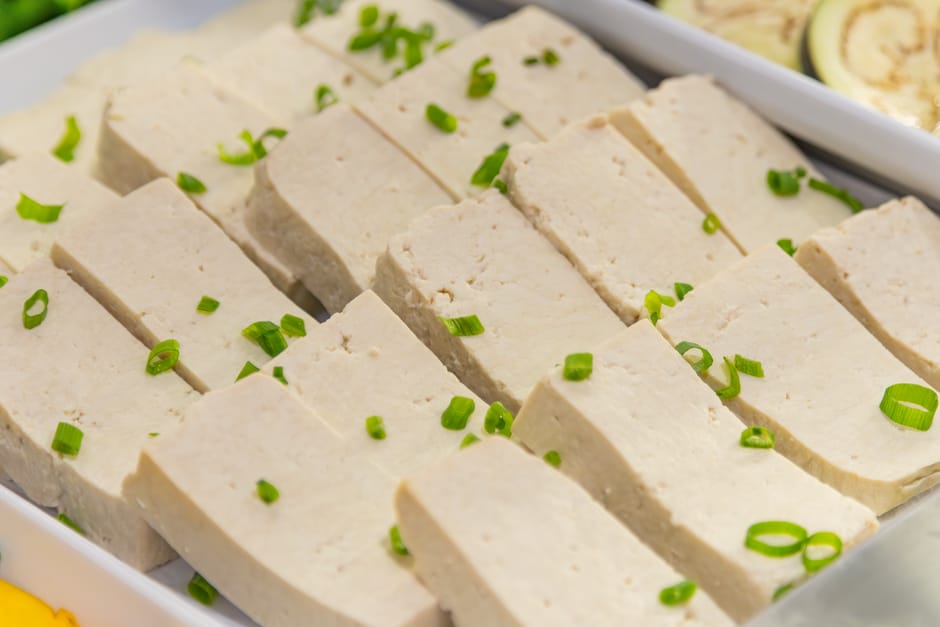 Photo: Guilherme Pedrosa / Pexels
If tofu is the blank canvas, tempeh is the one with an opinion. It is whole soybeans fermented and pressed into a firm cake, so you can actually see the beans, and it carries a nutty, mushroomy, almost earthy flavor that some people love on day one and others have to grow into.
I am firmly in the love-it camp now, but I will admit my first plain slice tasted like a savory granola bar.
Texture-wise it is denser and chewier than tofu, with a satisfying bite that holds up to grilling and crumbling. Protein is excellent at around 19 grams per 100 grams, and because it is fermented it is genuinely easy to digest.
The one trick that converts skeptics is steaming it for 10 minutes before you cook it, which mellows the bitterness so it drinks up marinade. It shines crumbled into a taco filling, sliced into a sandwich, or cubed and glazed.
My piece on how to cook tempeh walks through the steam-then-marinate method that made me a believer.
Seitan Is the Closest Thing to a Roast
Seitan is the protein heavyweight and the most convincingly meaty of all the whole-food options. It is made from vital wheat gluten, the protein washed out of wheat, which means it is essentially pure chew.
At roughly 21 to 25 grams of protein per 100 grams it out-muscles everything else on this list, and its dense, sliceable, fibrous texture is what gives it that uncanny resemblance to roast meat or deli slices.
What seitan is best for is anything that wants to feel substantial and hearty: a sliceable roast, shredded "chicken" sandwiches, peppery sausages, or strips for a stir-fry. The catch is obvious in the name: it is wheat gluten, so it is completely off the table for anyone avoiding gluten.
It also takes more effort than opening a can, but it is genuinely cheap and deeply satisfying to make. If you want to try it, my from-scratch seitan recipe shows the knead-and-simmer method and how to get strands instead of rubber.
Just steer clear of any recipe that calls for wine in the simmering broth; a strong vegetable or no-chicken broth does the savory work without it.
TVP Is the Underrated Pantry Hero
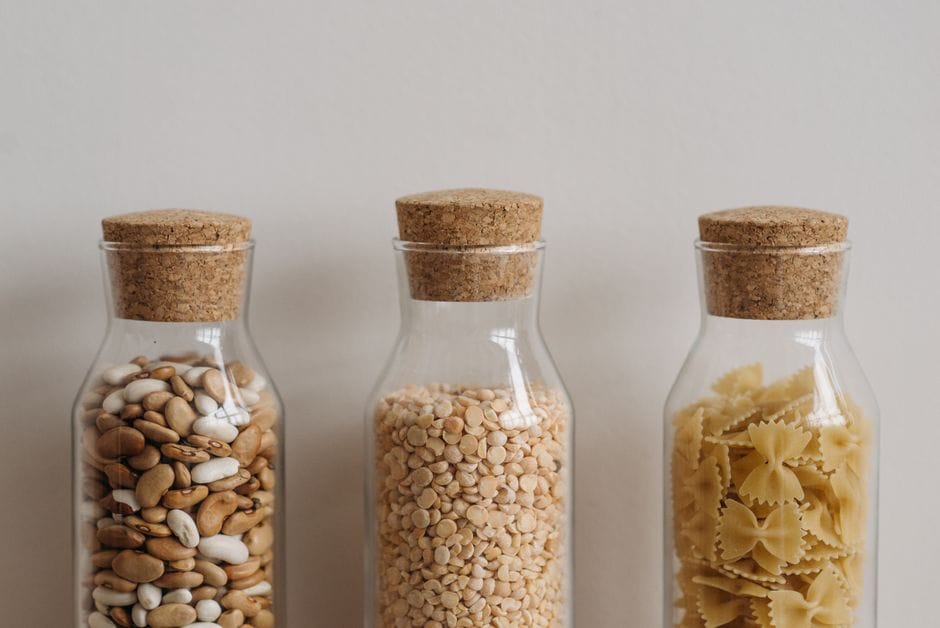 Photo: Pavel Danilyuk / Pexels
Textured vegetable protein, usually just called TVP, is the dehydrated defatted soy flour that gets compressed into dry granules and chunks. It looks like nothing in the bag, which is exactly why people overlook it, but it is one of the most useful things in my pantry.
It is shelf-stable for ages, it costs almost nothing per serving, and the dry granules are close to 50 percent protein by weight.
You rehydrate it in hot broth for a few minutes and it plumps into a texture that is uncannily close to ground meat. That makes it the best whole-food swap I know for crumbled beef or sausage in chili, sloppy joes, taco filling, and pasta sauces.
The flavor on its own is bland and faintly beany, so the broth and seasoning you rehydrate it in is doing all the lifting; soak it in a punchy mix and it disappears into the dish. If you have never used it, my guide on how to cook TVP covers the rehydration ratio that keeps it from turning mushy.
Jackfruit and Mushrooms Win on Texture, Not Protein
These two get grouped together because they share a job and a weakness. Young green jackfruit, sold in cans in brine or water, has stringy flesh that shreds exactly like pulled pork or chicken once you simmer and fry it.
Mushrooms, especially king oyster, lion's mane, and portobello, bring a meaty, juicy, savory bite and a natural umami depth that no other plant really matches. King oyster mushrooms sliced into coins and seared make startlingly good "scallops."
The honest weakness is protein. Jackfruit has almost none, and mushrooms have very little, so I never lean on either as the protein of a meal. I treat them as texture and flavor, then pair them with beans, lentils, or tofu to make the plate actually filling.
Buy jackfruit in water or brine, never in syrup, because the syrupy kind is the sweet dessert fruit and it will ruin a savory dish. The one mistake I made early on was not cooking jackfruit long enough; it needs a good 20 to 30 minutes of simmering and frying before the crunchy core softens and the strands go tender, otherwise you get a weirdly firm, fruity bite in the middle of your taco.
Mushrooms reward the opposite patience: get the pan properly hot, give them room so they sear instead of stewing, and let them release and re-absorb their own liquid until they turn deep brown and glossy. A good rinse, a confident hand with the spices, and shredded jackfruit tacos are one of the easiest crowd-pleasers there is.
Lentils and Beans Are the Cheapest, Oldest Swap
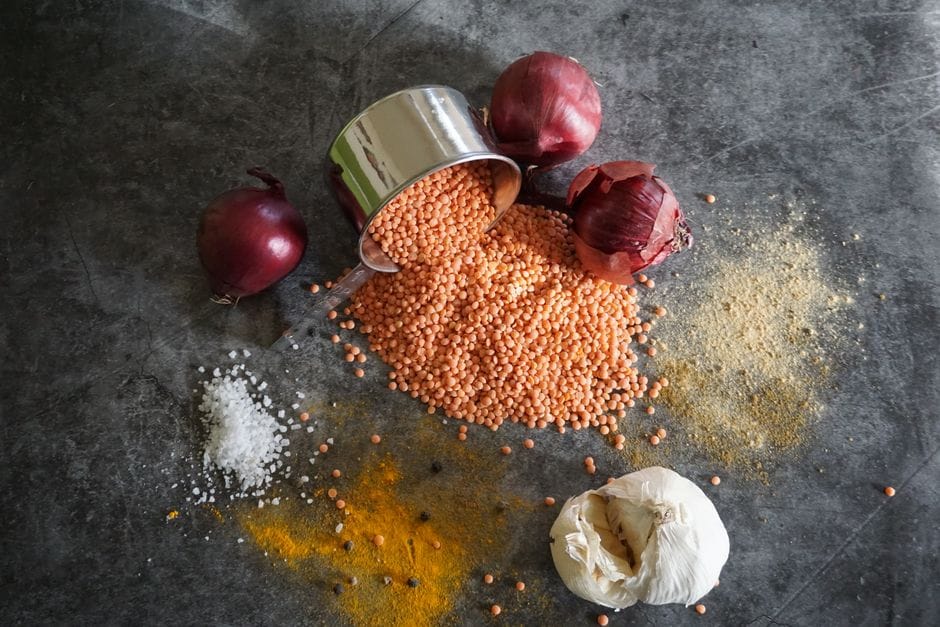
Long before any brand put a plant burger in the freezer aisle, people were building hearty meals on legumes, and they are still the backbone of how I actually eat. Brown and green lentils hold their shape and stand in beautifully for ground meat in a bolognese, a cottage pie, or a thick stew.
Red lentils collapse into a creamy base. Black beans and chickpeas mash into patties and fillings. Cooked lentils land around 9 grams of protein per cooked cup plus a serious dose of fiber and iron, all for pennies.
What makes legumes the smartest everyday swap is not any single dish; it is that they are cheap, they have always been vegan, and they are not processed at all. A pot of lentils is the opposite of a twelve-dollar bag of analogue crumbles.
They do not pretend to be meat, but in a ragu or a chili nobody misses it. This is the category I tell every new cook to build their week around, and the branded stuff to treat as the occasional treat on top.
The Store-Bought Heavyweights: Beyond, Impossible, Gardein
Now the freezer aisle. These are processed convenience foods, and that is not an insult, it is just what they are: protein isolates, oils, and binders engineered to mimic meat closely enough to fool a skeptic at a cookout.
Beyond Meat builds its burgers and sausages on pea protein and gets its juicy, bloody look from beet juice; the texture is genuinely impressive and it grills like a real patty. Impossible Foods uses soy protein plus its signature heme from fermented yeast, which is what gives that meaty, almost mineral flavor, and I think it edges out Beyond on taste in a plain burger.
Gardein is the veteran of the three, soy and wheat based, with crispy "chicken" tenders, fishless filets, and meatballs that have been quietly good for years and usually cost less.
Where I land honestly: these are excellent at what they do, and they are the easiest way to feed a doubtful relative. But they run high in sodium and saturated fat from coconut oil, so I treat them as the weekend treat, not the daily protein.
And they are not all automatically vegan; a few meatless products from older vegetarian brands still hide egg white as a binder, so I always read the allergen line. If a label ever leaves you guessing, run it through our vegan ingredient checker or search the product in the Is It Vegan database before you buy.
Getting fluent at reading food labels is the single best habit for shopping this aisle. The big plant-forward brands are reliably vegan, but formulas change, and the front of the box is marketing while the ingredient list is the truth.
Whole-Food or Processed: How to Actually Choose
Here is the framework I use, and it cuts through almost every decision. First, ask what texture the dish needs. Want shreds?
Reach for jackfruit or hand-pulled seitan. Want crumbles? TVP or lentils.
Want firm cubes? Tofu or tempeh. Want a patty that browns at a barbecue?
That is where a Beyond or Impossible burger earns its place. Match the substitute to the texture and you are most of the way there.
Second, decide where the protein is coming from. If your swap is jackfruit or mushrooms, add beans or tofu so the meal actually fills you up. If it is seitan, tempeh, or TVP, the protein is handled.
Third, weigh cost and effort against the moment: lentils, tofu, and TVP are your cheap, repeatable weeknight base, while the branded burgers and fancy mushrooms are the occasional splurge. According to the Vegan Society, a varied diet built on legumes, soy foods, and grains covers protein comfortably, so you genuinely do not need the expensive analogues to eat well.
The real takeaway after years of cooking all of these: there is no single best vegan meat substitute, and chasing one is a waste. Keep tofu, dried lentils, and a bag of TVP as your reliable everyday core, learn to press and season properly so your food actually crisps and tastes of something, and let the Beyond burgers and the king oyster "scallops" be the fun extras you reach for when the moment calls for it.
Master two or three of these and you will never stare into the fridge wondering what is for dinner again.
Frequently asked questions
What is the best vegan meat substitute for beginners?+
Start with extra-firm tofu and canned lentils, because they are cheap, sold everywhere, and very hard to ruin. Tofu takes on whatever flavor you give it once you press and season it, and lentils need almost no skill to turn into a thick taco filling or a base for a hearty stew. Both teach you the two skills that matter most: getting water out and building flavor in. Once those click, seitan and tempeh feel much less intimidating.
Which vegan meat substitute has the most protein?+
Seitan is the protein heavyweight, with roughly 21 to 25 grams per 100 grams because it is made almost entirely from wheat gluten. Tempeh comes next at about 19 grams per 100 grams, followed by firm tofu at around 14 to 17 grams. Textured vegetable protein is also very high once you account for how much it expands, since the dry granules are close to 50 percent protein by weight. Jackfruit and most mushrooms are the exceptions: they bring great texture but very little protein, so I pair them with beans or tofu.
Are store-bought vegan meats healthy?+
They are not junk, but they are processed convenience food, and the honest answer is that it depends on the product and how often you eat it. Brands like Beyond and Impossible deliver real protein and no cholesterol, but they also run high in sodium and saturated fat from coconut oil, so I treat them as an occasional swap rather than a daily staple. Whole-food options like beans, lentils, tofu, and tempeh are the everyday base, and the branded burgers are the weekend treat. Reading the label is the whole game here.
Do I need to press tofu before cooking it?+
For most savory cooking, yes, pressing makes a real difference. Squeezing the water out of extra-firm tofu lets it brown properly, hold a marinade, and crisp up instead of steaming in its own moisture. You can press it under a heavy pan for 20 minutes or freeze and thaw it for an even chewier, spongier texture that grips sauce. The exception is silken tofu, which you never press because you want it soft for blending into creamy sauces and scrambles.
Written by
VeganDigest Editorial is the small independent team that researches and fact-checks this site. We are not doctors or dietitians. For every is-it-vegan verdict we read the product's current ingredient list and manufacturer information, and for anything health-related we report guidance from recognized bodies such as the NHS, the Vegan Society, and the Academy of Nutrition and Dietetics rather than offering medical advice. Every page shows the date it was last verified, and our full process is on the How We Verify page.
Comments