Is Casein Vegan? The Milk Protein Hiding in Your "Non-Dairy" Creamer
In this guide5
No, casein is not vegan. It is a protein found exclusively in milk, making it a direct animal product. Despite appearing in foods marketed as "non-dairy" or even "vegan," casein and its derivatives (sodium caseinate and calcium caseinate) are always dairy-derived and have no place in a vegan diet.
What Is Casein?
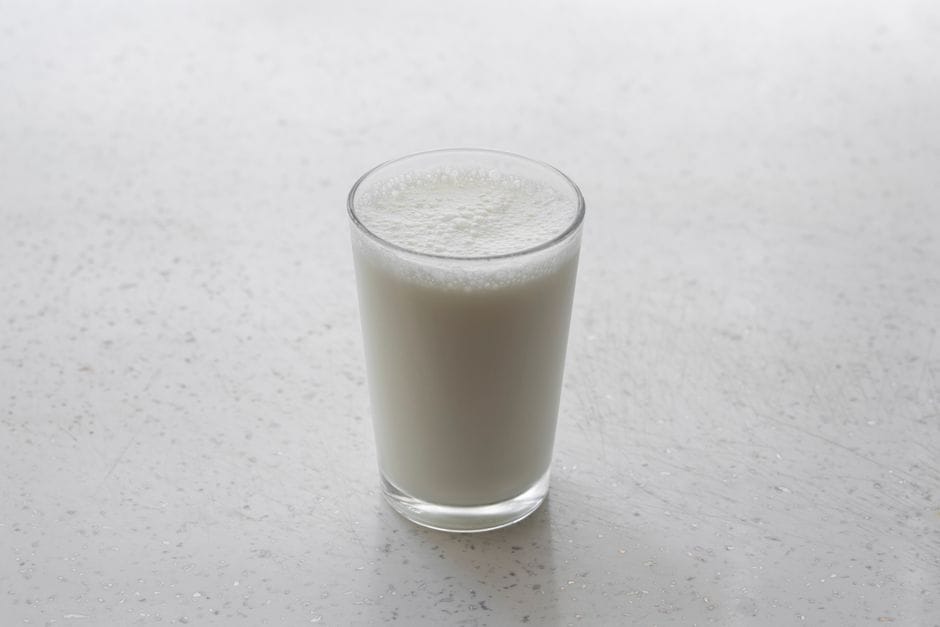
Casein is the primary protein in mammalian milk. In cow's milk, it makes up roughly 80 percent of the total protein content and is responsible for milk's characteristic white color. It exists as tiny clustered structures called micelles, held together by calcium.
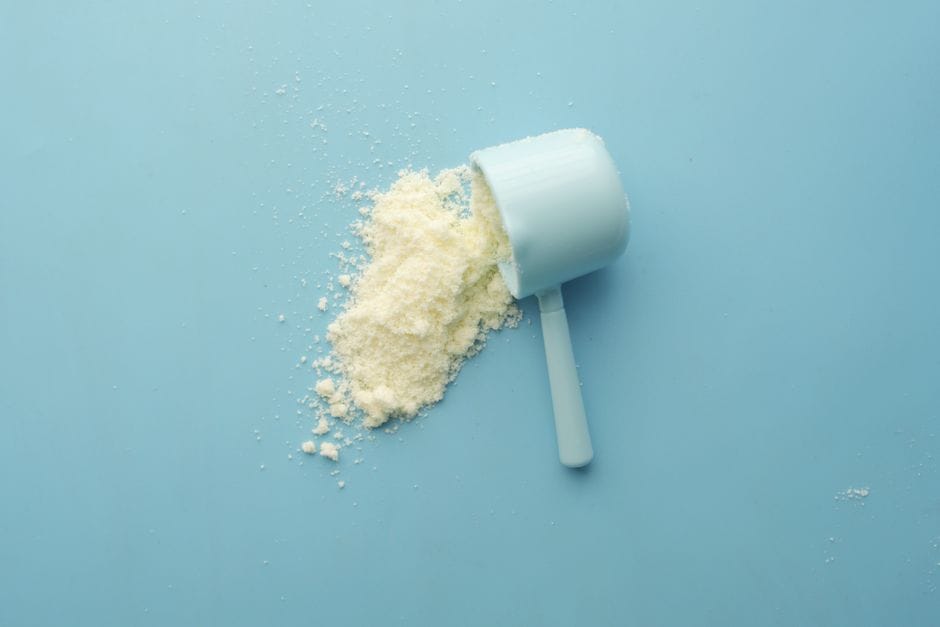
In cheese production, casein is what gives mozzarella its pull, brie its silky texture, and processed slices their melt. When manufacturers want a dairy-like creaminess or stretch without using whole milk, they isolate and dry casein into a powder, then treat it with sodium hydroxide or calcium hydroxide to create soluble salts: sodium caseinate and calcium caseinate. These powders dissolve easily in water, emulsify fats, and create a smooth, creamy mouthfeel, which is exactly why the food industry loves them.
Beyond food, casein shows up in cosmetics, hair treatments, adhesives, paints, and certain pharmaceutical coatings, though the food applications are what matter most for vegans reading grocery labels.
Is Casein Vegan? Why It Is Not
Casein is not vegan. There is no plant source for it. Every form of casein, whether it is labeled as casein, micellar casein, sodium caseinate, calcium caseinate, hydrolyzed casein, or any other caseinate variant, comes from the milk of an animal.
PETA's Animal-Derived Ingredients List defines casein plainly as 'milk protein' and notes its presence in 'nondairy' creamers and soy cheese as a common trap for consumers.
Producing casein requires dairy milk, and dairy milk requires cows to be kept in a continuous cycle of pregnancy and lactation. That process involves the separation of calves from their mothers and the use of animals as a resource, which is fundamentally incompatible with veganism. No processing step, no matter how industrial or removed from the farm, changes where casein originates.
It is worth noting that a small number of biotech companies (New Culture, Those Vegan Cowboys, Pureture) are researching precision fermentation to produce casein using microorganisms rather than cows. As of 2026, none of these products are commercially available in grocery stores. Until they are, any casein you encounter on an ingredient label is dairy-derived.
Where Casein Hides: Foods That Catch Vegans Off Guard
Casein's biggest trick is its legal permission to appear inside products labeled 'non-dairy.' The FDA does not have a strict formal definition for 'non-dairy,' so manufacturers can use that phrase on products that contain milk-derived proteins like sodium caseinate, as long as they disclose 'a milk derivative' in the ingredient list. This creates a maddening gap between what the front of the package implies and what the ingredient list actually says.
Here are the categories where casein most commonly lurks:
Non-dairy coffee creamers. This is the single biggest trap. Many powdered and liquid coffee creamers prominently say 'non-dairy' while listing sodium caseinate as a core ingredient. A real-world example: some major retail-brand French vanilla non-dairy creamers declare 'milk in the form of sodium caseinate' right in the ingredient list.
Cheese alternatives labeled 'lactose-free' or 'dairy-free.' Some almond, soy, and rice-based cheese shreds and slices add casein specifically because it is what makes cheese melt and stretch. Brands that have previously done this market themselves on the plant-based origin of their base ingredient while quietly relying on milk protein for performance. PETA has specifically called out this practice.
Whipped toppings. Many shelf-stable and refrigerated non-dairy whipped toppings use sodium or calcium caseinate as a stabilizer and emulsifier.
Protein bars and meal replacement shakes. Casein is valued in sports nutrition for its slow digestion rate. It appears in many bars and powders, sometimes under the name 'milk protein isolate' or 'micellar casein.'
Cream-based soups and sauces. Packaged creamy soups sometimes use caseinate to achieve richness without heavy cream.
Certain baked goods and crackers. Sodium caseinate acts as a dough conditioner and moisture retainer in some packaged breads and snack items.
How to Spot Casein on Food Labels
Reading ingredient lists is the only reliable strategy. Front-of-pack claims like 'non-dairy,' 'lactose-free,' 'dairy-free,' and even 'plant-based' are not legally uniform and can coexist with casein on the same product.
Scan every ingredient list for these terms:
- Casein
- Sodium caseinate (sometimes written as caseinate, sodium salt)
- Calcium caseinate
- Potassium caseinate
- Magnesium caseinate
- Ammonium caseinate
- Hydrolyzed casein
- Milk protein isolate or concentrate (these are casein-rich)
- Micellar casein
The FDA also requires that any product containing caseinate must list 'milk' as an allergen, either in parentheses after the ingredient (such as 'sodium caseinate (a milk derivative)') or in a 'Contains: Milk' statement below the ingredient list. That allergen statement is often the fastest way to catch hidden dairy when you are scanning quickly.
For certified-vegan products, look for the Certified Vegan logo (Vegan Action) or the Vegan Society trademark. These certifications require full exclusion of all animal-derived ingredients, including all caseinates.
Vegan Alternatives to Casein
For protein nutrition, several plant-based proteins match or exceed casein's amino acid profile without any animal involvement:
Soy protein isolate is the closest plant match for completeness and digestibility. It is the backbone of most high-quality vegan protein powders.
Pea protein has become the most popular dairy-free protein in bars and shakes and blends well without strong flavor.
Hemp protein offers a full amino acid profile along with omega fatty acids.
Brown rice protein is easy to digest and pairs well with pea protein to cover the full essential amino acid spectrum.
For creamy beverages and cooking, the dairy-free alternatives to casein-containing creamers are straightforward. Oat milk creamers, coconut cream, almond milk-based creamers, and soy creamers from brands like Silk and So Delicious are fully plant-based and clearly labeled. Checking that the product carries a certified vegan seal removes any remaining guesswork.
For melting and stretching in vegan cheese, the current generation of cashew-based, tapioca-starch-based, and coconut-oil-based cheeses achieves functional melt without casein. Brands like Violife, Miyoko's Creamery, and Kite Hill have developed products that melt on pizza and soften in sauces without any dairy protein.
Frequently asked questions
Is sodium caseinate vegan?+
No. Sodium caseinate is a water-soluble form of casein made by treating milk protein with sodium hydroxide. It comes entirely from cow's milk and is not vegan, regardless of how it is processed or what product it appears in.
Can a product say non-dairy and still contain casein?+
Yes, and this is one of the most common label traps for vegans. The FDA does not require 'non-dairy' to mean free of all milk derivatives. A product can legally be labeled non-dairy while containing sodium or calcium caseinate. The FDA does require that the milk source be disclosed on the ingredient list, but the front of the package can still say non-dairy. Always read the full ingredient list.
Is casein in vegan cheese?+
It can be, and that is exactly the problem. Some cheese alternatives that market themselves as lactose-free, soy-based, or almond-based have historically added casein to improve melting and stretchiness. PETA has documented this practice with specific brands. To be safe, choose cheeses with a certified vegan seal and confirm that the ingredient list contains no casein or caseinate.
What plant-based proteins can replace casein in cooking and nutrition?+
For protein shakes and bars, soy protein isolate, pea protein, and hemp protein are the most common replacements. For creamy textures in coffee or cooking, oat milk creamer, coconut cream, and soy creamer work well. For melting cheese-like texture, tapioca starch and coconut oil-based vegan cheeses (Violife, Miyoko's) are the current standard.
Written by
VeganDigest Editorial is the small independent team that researches and fact-checks this site. We are not doctors or dietitians. For every is-it-vegan verdict we read the product's current ingredient list and manufacturer information, and for anything health-related we report guidance from recognized bodies such as the NHS, the Vegan Society, and the Academy of Nutrition and Dietetics rather than offering medical advice. Every page shows the date it was last verified, and our full process is on the How We Verify page.
Comments